Table of Contents >> Show >> Hide
- Why '70s Decor Feels Right Again
- 1) Start With a Grounded '70s Color Palette (Then Add One “Wow” Color)
- 2) Mix One Vintage-Looking Statement Piece With Modern Basics
- 3) Go Big on Texture (Not Clutter): Wood, Woven, and Soft Touches
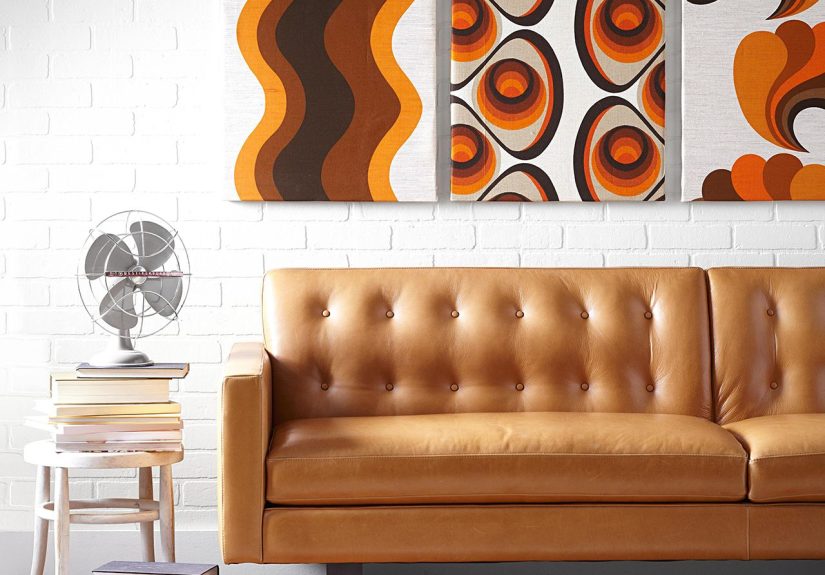
- 4) Use Retro Patterns Strategically: One Bold Print, Modern Scale
- 5) Design for Conversation: Low, Lounge-y Layouts and Cozy Lighting
- Common Mistakes That Make '70s Style Look Dated (And How to Fix Them)
- Final Takeaway: Retro Is a Spice, Not the Whole Meal
- Extra: Real-Life “Experience” Notes From People Who Try the '70s Revival (About )
The 1970s never really left the group chat. It just stopped posting for a while, went on a wellness retreat, and came back with better lighting, smarter materials, and a less-is-more attitude about… well, more. Today’s ’70s revival is less “time capsule” and more “time travel with good taste”: warm woods, earthy color palettes, curved furniture, and tactile textures that make your space feel like a hugwithout turning your living room into a set from a disco movie.
If you love retro interior design but fear the dreaded dated vibe, you’re in the right place. Below are five designer-approved ways to bring in 70s decorthink rattan and cane, shag rugs, walnut tones, and bold patternswhile keeping everything crisp, current, and completely livable.
Why ’70s Decor Feels Right Again
After years of cool neutrals and ultra-minimal rooms that looked gorgeous (and slightly allergic to humans), many homeowners are craving spaces with personality, comfort, and texture. The 1970s design playbook is basically built for that: low-slung seating, cozy layouts made for conversation, natural materials, and colors pulled from the outdoors.
The modern twist is intention. Instead of throwing every “groovy” element into one room, today’s approach is curated: a few standout retro details, balanced by clean lines, negative space, and a color story that feels grown-up.
Quick reality check: what makes something feel “fresh” vs. “frozen in time”
- Editing: choose a hero moment, not a whole costume.
- Contrast: pair vintage shapes with modern finishes (or vice versa).
- Proportion: scale patterns and furniture to your actual room size.
- Function: the 70s were comfykeep that energy, skip the clutter.
1) Start With a Grounded ’70s Color Palette (Then Add One “Wow” Color)
If 70s design had a signature, it would be an earthy color palette: warm browns, ochre, burnt orange, avocado green, and moody bluescolors that feel like they were mixed with a little sunlight and a lot of confidence. The trick for modern homes is to use those tones in a way that feels layered, not loud.
How to do it without turning your room into a pumpkin latte
Pick a neutral base (warm white, mushroom, camel, greige, soft clay) and build from there. Then choose one statement color that gets to be the starburnt orange pillows, a mossy green velvet chair, or a deep teal built-in. When everything is the accent, nothing is the accent.
Easy, modern color formulas that still scream “retro, but make it chic”
- Warm white + walnut + olive + brass (cozy, elevated, very “adulting successfully”).
- Clay + cream + black accents (70s warmth with graphic edge).
- Chocolate brown + caramel + cobalt (moody, dramatic, surprisingly modern).
- Sand + terracotta + dusty pink (soft, sunny, and not too literal).
Specific example: a small apartment living room
Keep walls warm white. Add a walnut-toned media console. Bring in a single olive sofa (or a neutral sofa with olive throw pillows), then punctuate with one burnt-orange accentlike a vintage-style table lamp or a framed abstract print. The space reads “retro interior design” without feeling like you’re auditioning for a 1977 catalog.
2) Mix One Vintage-Looking Statement Piece With Modern Basics
The fastest route to “dated” is committing to a full matching setespecially if it’s all curvy, all brown, and all corduroy. The fastest route to “fresh” is contrast: pair a single 70s-inspired piece with simpler modern foundations.
Choose your hero: sofa, chair, or lighting
- Curved furniture: a rounded sofa, barrel chair, or a sculptural lounge chair instantly nods to the era.
- Low-slung seating: a modular sectional or “pit sofa” vibe feels 70s, especially with plush upholstery.
- Statement lighting: a mushroom lamp, globe pendant, or dramatic arc floor lamp adds instant retro charm.
Then keep the supporting cast calm
Use modern basics for the rest: clean-lined side tables, simple curtains, neutral rugs, and pared-back shelving. This keeps the room from feeling like a theme and makes your statement piece look even more intentional.
Specific example: “One-and-done” retro moment
Imagine a contemporary living room: white walls, a simple oatmeal sofa, and streamlined black metal curtain rods. Now add one showstopperlike a vintage-inspired curved velvet chair in mustard or a walnut-and-cane credenza. Suddenly it’s 70s decor, but it still feels like 2026.
Bonus points for sustainability: thrifting or buying vintage reduces waste and adds that “collected over time” character the 70s were famous for. Just measure twice before you fall in love with a sofa the size of a small yacht.
3) Go Big on Texture (Not Clutter): Wood, Woven, and Soft Touches
The 70s weren’t shy about texture. And honestly? Good. Texture is what makes a room feel finished even when the color palette is calm. The modern approach is to layer tactile materials while keeping the number of decorative objects under control. (Translation: yes to bouclé, no to 47 tiny figurines.)
Modern texture checklist, 70s edition
- Warm woods: walnut, oak, teak, or even updated wood paneling used intentionally.
- Rattan and cane: chairs, cabinet doors, headboards, basketslight, breathable, and timeless.
- Soft upholstery: velvet, corduroy, mohair-like textures, bouclé (a modern cousin of 70s coziness).
- Shag rugs (or shag-adjacent): high-pile rugs that feel plush without looking like a costume.
- Smoked glass + chrome/brass: reflective touches that read retro but still feel sleek.
How to keep texture from turning into chaos
Use the “rule of three” for dominant textures in a room: for example, wood + woven + soft. If you already have a walnut coffee table and a cane chair, choose a simple wool rug instead of adding shag, faux fur, macramé, and fringe all at once. The goal is tactile richness, not a fabric sample explosion.
Specific example: a bedroom refresh
Keep bedding solid (cream or warm taupe). Add a cane headboard or a rattan bench at the foot of the bed. Bring in one 70s detail like macramé pillows or a vintage-style ceramic lamp. Finish with a plush rug underfoot. You’ll get that relaxed, retro comfort without sacrificing calm.
4) Use Retro Patterns Strategically: One Bold Print, Modern Scale
70s patterns were fearless: geometrics, florals, swirls, and graphics that looked like they were designed during a really fun lunch break. The key to making bold pattern feel current is placement and scale. You don’t need pattern everywherejust where it adds energy.
Where retro pattern looks best today
- One accent wall: geometric wallpaper behind a sofa or bed is a high-impact, low-commitment move.
- Small surfaces: powder rooms, backsplashes, or the inside back panel of a bookcase.
- Textiles: pillows, curtains, throws, and upholsteryeasy to swap when your taste evolves.
- Art: abstract prints with a 70s palette give the vibe without permanent decisions.
Modern “pattern rules” that prevent the time-warp effect
- Pick one dominant pattern and support it with solids and subtle textures.
- Limit competing motifs (if the wallpaper is wild, keep the rug calmer).
- Use a consistent palette so everything feels like it belongs together.
Specific example: a kitchen that nods to the 70s (without avocado appliances)
Try a backsplash tile in a warm, earthy tonethink terracotta, caramel, or deep green. Pair it with simple cabinet fronts, modern hardware, and warm wood accents. Add one playful pattern moment through a runner rug or café curtains. You’ll capture the warmth and charm without leaning into novelty.
5) Design for Conversation: Low, Lounge-y Layouts and Cozy Lighting
One reason 70s design is back is that it was built around how people actually live. The decade loved deep seating, modular sofas, and layouts that encouraged hanging outnot perching politely like you’re waiting for a job interview.
Bring back the “conversation pit” feelingno construction required
Unless you’re renovating (or you just love a dramatic floor project), you can recreate that sunken-living-room coziness with furniture choices:
- Modular seating: arrange pieces in a U-shape to create a “pit” effect.
- Curved sectionals: rounded edges soften the room and feel instantly retro.
- Super-low coffee tables: keep everything visually grounded and lounge-friendly.
- Layered rugs: a large base rug plus a smaller textured layer can define the “hangout zone.”
Lighting is the secret sauce
The 70s loved lampstable lamps, floor lamps, globe lamps, mushroom lampsbasically every lamp that ever said, “Let’s set the mood.” To make it modern, aim for layers:
- Ambient: a warm overhead fixture or pendant that isn’t too harsh.
- Task: reading lamps near seating.
- Accent: a sculptural lamp or sconce that adds glow and personality.
Specific example: the “fresh retro” living room layout
Start with a modular sectional in a neutral fabric. Add a low, chunky coffee table in wood or stone. Place one sculptural floor lamp (arc or globe) beside the sofa and two small table lamps on side tables. Finish with an abstract rug in warm tones. The room feels grounded, social, and quietly dramaticlike the 70s, but with better Wi-Fi.
Common Mistakes That Make ’70s Style Look Dated (And How to Fix Them)
Mistake: Going “all-in” on brown
Brown can be gorgeousespecially with walnut and caramel tonesbut an entire room of brown-on-brown can feel heavy. Fix: break it up with warm whites, creams, or soft clay tones, plus a little black for definition.
Mistake: Too many retro patterns competing
Swirls + geometrics + florals + animal print is… ambitious. Fix: pick one bold print and let the rest be solids and textures.
Mistake: Over-accessorizing
The 70s were maximalist, but modern eyes prefer breathing room. Fix: choose fewer, larger piecesone big ceramic vase instead of five tiny knickknacks.
Mistake: Ignoring scale
A huge patterned wallpaper in a tiny room can feel like it’s leaning in too close. Fix: use bold pattern in small doses (a powder room, a niche, or textiles) and keep large rooms bolder.
Final Takeaway: Retro Is a Spice, Not the Whole Meal
The most successful 70s-inspired interiors don’t try to recreate the decade exactlythey borrow its best ideas: warmth, comfort, organic materials, and a little boldness. If you anchor the room with a grounded palette, choose one statement moment, layer texture thoughtfully, and design your layout for real life, you’ll get a look that feels retro, confident, and totally now.
And if anyone tells you shag rugs are “too much,” just remind them: joy is never too much. (Okay, maybe in neon carpet form. But still.)
Extra: Real-Life “Experience” Notes From People Who Try the ’70s Revival (About )
If you’ve ever dipped a toe into retro decor and immediately worried you’d accidentally opened a portal to 1976, you’re not alone. When people try the 70s revival at home, the first “experience” is usually surprisebecause the room doesn’t feel old. It feels comfortable. The minute a low, lounge-y chair shows up (especially in a warm fabric like velvet or corduroy), the space starts encouraging you to sit longer, talk longer, and scroll less. That’s the sneaky power of curved furniture: it’s visually soft, but it also changes behavior. A room that invites lounging becomes a room that gets used.
The second common experience is the “color fear… and then color freedom” arc. People often start cautiously with a single retro tonemaybe an olive throw or a burnt-orange pillowbecause they’ve been trained by years of gray-and-white interiors. Then they notice something: warm colors make the room feel better at night. Under lamplight, earthy palettes glow. Suddenly, adding a clay-toned rug or a caramel lamp shade doesn’t feel risky; it feels like upgrading your home’s mood settings.
Third: texture becomes the shortcut. Plenty of folks report that their space looks more “designed” even before they buy new furniture, simply by swapping flat finishes for tactile onesthink a woven basket instead of a plastic bin, a nubby pillow cover instead of slick polyester, or a cane-front cabinet that adds depth without adding visual clutter. The 70s were big on materials you could feel, and in real homes today, that translates to a room that looks finished even when life is messy (which, let’s be honest, is most days).
But there’s also a classic “lesson learned” moment: too many retro pieces at once can make the space feel themed. People who buy a shag rug, bold geometric wallpaper, a mushroom lamp, AND a chrome-and-smoked-glass coffee table in the same weekend sometimes realize the room starts to compete with itself. The fix is almost always the same: edit down to one hero moment. Keep the lamp and the rug, but make the wallpaper an art print. Or keep the patterned wallpaper but switch the rug to a calmer texture. Once the room has a clear focal point, everything settles.
Finally, the most satisfying experience is how personal the style can be. Some homes lean “boho 70s” with rattan and plants everywhere. Others go “glam 70s” with brass, lacquer, smoked glass, and moody color. The decade is flexible, which means your version can match your actual lifenot an Instagram trend cycle. The best sign you got it right? You walk in, you exhale, and you think: “Yeah. I’d hang out here.”