Table of Contents >> Show >> Hide
A kitchen backsplash is basically the hardworking little wall outfit that gets splattered with marinara, steamed by pasta water,
and occasionally baptized by a rogue blender. It’s also one of the easiest ways to make your kitchen look “designer” without
remodeling the entire planet. Whether you want timeless, trendy, or “my aunt’s Tuscan phase but make it chic,” there’s a backsplash
idea that fits your style and your wallet.
Backsplash basics that actually matter
A backsplash protects the wall behind your counters from moisture, grease, and stainsespecially behind the sink and cooktop.
The best designs balance three things: looks, cleanability, and how you really cook.
If you sauté daily, you’ll care about grout and wipe-down ease. If you mostly reheat coffee and admire your countertop, you can
afford to be a little more dramatic.
How to choose the right backsplash for your kitchen
1) Start with your “mess profile”
Be honest: are you a “clean as you go” cook or a “we’ll deal with it later” artist? More grout lines usually mean more scrubbing.
Smooth slabs and larger-format surfaces mean fewer joints and faster cleanup. If you love a tiny mosaic, just know you’re also
signing up for more grout maintenance.
2) Pick a material that matches your patience
Ceramic and porcelain are popular for a reason: they’re durable, widely available, and generally easy to maintain. Natural stone
can be gorgeous, but some varieties are porous and may need sealing and gentler cleaners. Handmade and highly textured tiles can be
stunningand also a little fussy in splash-heavy zones.
3) Decide how “loud” the backsplash should be
Think of your kitchen as a band. If your cabinets and counters are the lead singers, the backsplash can be the drummer (supportive),
the guitarist (adds personality), or the pyrotechnics (steals the show). If you already have bold counters, a quieter backsplash can
keep the room from feeling chaotic. If your kitchen is neutral, the backsplash is your chance to add color, pattern, or texture.
4) Plan the height like you mean it
Standard backsplashes run from countertop to the bottom of the upper cabinets. But taking tile to the ceiling behind the range,
wrapping it around a corner, or extending it behind open shelving can create a custom look. The key is intentionality: make it feel
like a design decision, not an “oops, we ran out of tile” moment.
5) Don’t sleep on grout, trim, and lighting
Grout color changes everything. Light grout feels crisp but can show stains; mid-tone grout is often more forgiving. Edge trims
and clean transitions prevent that unfinished look. And under-cabinet lighting can turn a simple backsplash into a glow-upespecially
with glossy tile, glass, or reflective finishes.
75 beautiful kitchen backsplash ideas
Below are 75 options you can mix, match, and steal (legally, with your eyes) depending on your style and budget. Use them as a
menu: pick your base, add a pattern, sprinkle a little texture, and serve with confidence.
Timeless classics
- Classic white subway tile: Clean, bright, and endlessly adaptable with any cabinet color.
- Subway tile with dark grout: Crisp contrast that highlights the layout and hides grime better.
- Beveled subway tile: Subtle dimension that catches light without getting “too busy.”
- Stacked horizontal subway: A modern, tidy look that still feels familiar and safe.
- Vertical stacked subway: Makes ceilings feel taller and adds a fresh architectural vibe.
- Classic penny rounds: Vintage charm that works especially well in cozy, cottage kitchens.
- Simple square ceramic tile: Minimalist, budget-friendly, and perfect for calm, modern spaces.
- Matte white tile: Softer than glossy and great for kitchens aiming for a warm, modern feel.
- Glossy white tile: Reflects light and makes smaller kitchens feel more open and airy.
- Neutral stone-look porcelain: The “stone aesthetic” with an easier-care, more affordable attitude.
- White tile to the ceiling behind the range: Classic with dramalike a tuxedo with a pocket square.
- Soft greige tile: A gentle neutral that plays nicely with wood, brass, and warm whites.
Patterns and shapes that add instant personality
- Herringbone subway: Same tile, new energyadds movement without going overboard.
- Chevron pattern tile: Bold, graphic, and ideal for modern or midcentury-inspired kitchens.
- Hexagon tile: A honeycomb look that can read vintage or contemporary, depending on color.
- Large hex tiles: Fewer grout lines, bigger impact, and a clean geometric statement.
- Fish-scale tile: Soft curves that feel playful and elevated at the same time.
- Arabesque tile: Classic silhouette with a slightly romantic, old-world feel.
- Basketweave pattern: A tailored, traditional look that pairs well with marble counters.
- Moroccan-inspired pattern: A vacation mood, but make it permanent and wipeable.
- Terrazzo-look backsplash: Speckled color that hides small messes and adds fun texture.
- Encaustic-style porcelain: Patterned tile look without the same level of maintenance anxiety.
- Skinny “kit-kat” finger tile: Sleek vertical lines that feel modern and slightly spa-like.
- Mini brick tile: A refined brick vibe that works in industrial and modern farmhouse kitchens.
- Diagonal-set square tile: A simple layout trick that adds motion and interest.
- Mixed-shape mosaic: Blend rectangles and squares for a custom, designer pattern.
- Border detail or inset stripe: One small band of contrast creates a high-end, tailored look.
- Decorative focal panel behind the range: Keep the rest simple; make one spot unforgettable.
Stone and slab statements for a seamless look
- Countertop slab continued up the wall: A cohesive “countersplash” with minimal joints.
- Full-height marble slab: Luxury drama, especially when the veining gets to be the artwork.
- High-contrast veined stone: The backsplash becomes a feature wallbold, graphic, and elegant.
- Quartz slab backsplash: The sleek slab look with a more low-fuss reputation.
- Porcelain slab: Big-panel style that can mimic stone while staying relatively practical.
- Stone slab just behind the range: A “feature zone” that saves money but keeps the wow.
- Waterfall-style side wrap: Extend the backsplash around a corner for a built-in feel.
- Honed stone finish: Softer, less shiny, and more forgiving for fingerprints and glare.
- Leathered stone texture: Adds depth and tactilitygreat for warm modern kitchens.
- Matching stone niche: Build a little shelf nook and line it with the same stone or tile.
- Stone + tile combo: Slab behind the range, tile elsewherebest of both worlds.
- Thin stone veneer panels: A lighter way to get stone character without full slab pricing.
Color moves that change the whole kitchen
- Cobalt or navy vertical tile: Punchy color that still feels classic with white cabinets.
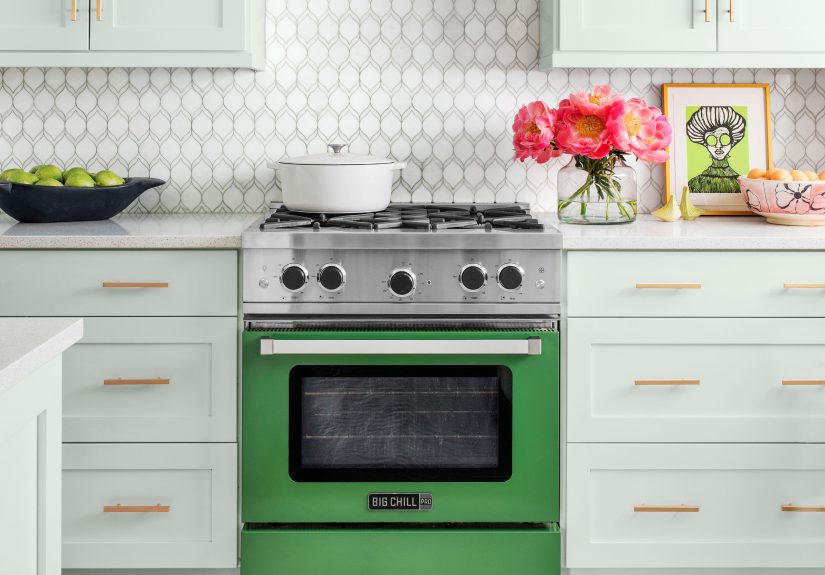
- Soft sage green tile: Calm, nature-friendly, and gorgeous with brass or black hardware.
- Dusty blue subway tile: A gentle twist on classic that plays well with warm wood tones.
- Black tile backsplash: High dramabest balanced with lighter counters and walls.
- Charcoal or graphite tile: Moody without going full goth; pairs beautifully with white oak.
- Blush or clay tile: Warm, flattering, and surprisingly neutral in the right palette.
- Olive zellige-style glaze: Earthy color with a handmade shine that feels artisanal.
- Two-tone backsplash bands: Keep it neutral, then add one stripe of color for personality.
- Gradient ombré mosaics: Subtle color shift that looks custom and intentional.
- Color-matched grout: Blend grout into tile for a smoother look and a calmer visual field.
- Contrasting grout: Outline shapes and patternsperfect for geometric or stacked layouts.
- Painted glass in a soft blue-gray: Sleek, modern, and light-reflective in small spaces.
Texture, shine, and modern materials
- Glass subway tile: Reflective, bright, and great for boosting light in darker kitchens.
- Smoky or tinted glass: A sophisticated twist that pairs well with modern cabinetry.
- Mirrored backsplash panel: Makes tight kitchens feel biggeralso doubles as a light amplifier.
- Stainless steel sheet backsplash: Pro-kitchen vibes and super wipeable behind the range.
- Stainless tile mosaics: Easier to customize than a full sheet and adds subtle shimmer.
- Brushed brass or champagne metal accents: Use as trim, insets, or a small focal zone.
- Copper backsplash: Warm glow that patinas over timelike your kitchen aging gracefully.
- Tin-style pressed panels: Vintage texture with big personality and strong light play.
- 3D sculptural tile: Adds shadow and depthbest when the color palette stays simple.
- Fluted or ribbed tile: A modern texture trend that looks especially good with clean-lined cabinets.
Wood and not-tile ideas that still look finished
- Sealed wood backsplash strip: Warms up hard surfacesgreat for cozy, modern kitchens.
- Painted shiplap backsplash: Modern farmhouse energy with a clean, vertical or horizontal rhythm.
- Beaded-board backsplash: Budget-friendly charm that can run to the ceiling for extra impact.
- Brick veneer: Texture and characterespecially great for industrial or rustic styles.
- Plaster or limewash-look finish: Soft, organic texture for European-inspired kitchens.
- Concrete-look panels: Industrial style without committing to true porous concrete surfaces.
- Wallpaper-look porcelain tile: Patterned “wallpaper” feel with the durability of tile.
- Open-shelf “mini backsplash” zones: Tile only where needed, leaving other areas calm and simple.
Budget and renter-friendly upgrades that still look legit
- Peel-and-stick tile sheets: Quick refresh for rentalsbest away from heavy heat and steam.
- Peel-and-stick stone or gel mosaics: A more dimensional look that’s still DIY-friendly.
- Painted backsplash zone: Use a scrub-resistant finish for a clean look on a tight budget.
- Single focal tile strip: Accent behind the range, keep the rest minimal to save money.
- Budget ceramic in a standout layout: Basic tile becomes special with vertical stack or herringbone.
Design shortcuts that make any backsplash look more expensive
- Go full height in one spot: Take the backsplash to the ceiling behind the range for instant drama.
- Upgrade grout and edges: High-quality grout and clean trims do more than fancy tile sometimes.
- Repeat a color on purpose: Pull a tone from your cabinets, hardware, or flooring for a cohesive look.
- Use lighting like a stylist: Under-cabinet lighting flatters tile texture and makes the kitchen feel finished.
Experiences and real-world lessons that save time, money, and sanity
If you’ve ever watched a backsplash makeover online and thought, “That seems easy,” you’re not wrongbut the easiest-looking projects
are often powered by invisible prep work and a strong relationship with painter’s tape. Here are the kinds of experiences homeowners repeatedly
run into when choosing and installing a kitchen backsplash (aka: the stuff you’ll wish someone told you before you bought 10 extra boxes of tile).
First: samples are cheaper than regrets. People who order a few tile samples (and look at them morning, afternoon, and night)
tend to love the final result longer. A tile that looks “warm white” in the store can lean icy under cool LEDs, or look yellow next to warm wood.
And that “soft gray” can suddenly read purple once it’s surrounded by white cabinets. The best move is taping a couple of samples to the wall and
living with them for a few daysbecause your lighting is the real decision-maker.
Second: grout is the sneaky main character. In real kitchens, grout color determines whether a backsplash feels crisp and graphic
or calm and seamless. Dark grout can look amazing, but it also highlights crooked lines if your layout is even slightly off. Light grout looks
fresh, yet can show stains in busy cooking zones. Many people end up happiest in the middle with a gray or greige groutstill clean-looking,
but more forgiving for everyday splatters.
Third: walls are rarely as straight as your confidence. A common experience is starting the first row and realizing the countertop
slopes a little, or the corner isn’t square. That’s normal! The pros win by planning the layout in advance: centering the pattern, avoiding tiny
slivers at the ends, and deciding where imperfect cuts will be least visible. Even DIYers who use beginner-friendly methods (like adhesive mats or
mesh-backed sheets) get a cleaner look when they dry-fit a few rows first and mark reference lines.
Fourth: high-maintenance tile is a lifestyle choice. Handmade, porous, or heavily textured surfaces can be beautiful, but in real
cooking zones they may hold onto grease or require extra care. Homeowners often love these tiles visually and then choose to place them strategically:
behind a wet bar, on a low-splash wall, or as a feature panelwhile using a more durable tile behind the stove and sink. This “pretty + practical”
mix is one of the most common happy endings.
Fifth: the “cheap, fast, and durable” triangle is real. Peel-and-stick can be a lifesaver for renters and quick refreshes, but it
tends to perform best away from constant heat, steam, and greasy air. People who place peel-and-stick directly behind a heavy-use range often report
peeling edges over time, while those who install it on a calmer wall (coffee station, pantry run, or low-heat area) get much better longevity.
If you want a backsplash you never think about again, traditional tile or a slab-style surface is typically the “set it and forget it” path.
Finally: the backsplash is emotional real estate. It’s the backdrop of your daily routinemaking breakfast, hosting friends, doing
the “where did I put my phone?” dance. The best experiences come from choosing a look you genuinely enjoy, not just what’s trending. A classic tile
in a fresh layout, a slab that simplifies cleaning, or a budget ceramic that pops with colorthose choices hold up because they match how you live.
In other words: pick the backsplash that makes you smile even when you’re scrubbing a pot. That’s the one.
Conclusion
The right kitchen backsplash can be subtle support or the star of the show. Focus on what matters mostmaintenance, budget, and the look you’ll
still love after the novelty wears off. Whether you choose classic subway tile, a modern slab countersplash, or a budget-friendly DIY upgrade,
a thoughtfully chosen backsplash is one of the highest-impact changes you can make in your kitchen.