Table of Contents >> Show >> Hide
- 1. Giant Lawn Statues That Dominate the Whole View
- 2. Holiday Decorations That Never Leave the Premises
- 3. Blinding Floodlights Masquerading as “Security” Decor
- 4. The Overcrowded Porch Packed With Signs, Planters, and Furniture
- 5. Whirligigs, Spinners, and Other Hyperactive Yard Decor
- 6. Decorative Water Features That Are More Swamp Than Spa
- 7. Overgrown Hedges and Decorative Grasses Blocking Views
- 8. A Forest of Yard Signs and Novelty Messages
- 9. Faded Faux Flowers and Sun-Baked Plastic Decor
- How to Decorate Your Front Yard Without Starting a Neighborhood Group Chat
- Real-Life Experiences Homeowners Have With Annoying Front Yard Decorations
- Conclusion
There is a fine line between personal style and a front yard that looks like it lost a bet. Your home’s exterior should feel welcoming, polished, and a little bit you. But when front yard decor starts shouting instead of smiling, the whole block notices. And yes, your neighbors may be noticing a lot more than they’re saying out loud.
The truth is, curb appeal is not just about impressing buyers or winning compliments from delivery drivers. It is also about how your house fits into the rhythm of the street. A thoughtful front yard can make a home feel friendly and cared for. A chaotic one can do the opposite fast. We’re talking about decorations that create visual clutter, block views, collect grime, blast light into bedroom windows, or simply make people mutter, “Well… that’s a choice.”
This does not mean your yard has to be boring. It just means the best front yard landscaping ideas and decor choices work with your home instead of wrestling it to the ground. If you want charm without chaos, here are nine front yard decorations that are probably bothering your neighbors more than you think, plus smarter swaps that keep your personality intact.
1. Giant Lawn Statues That Dominate the Whole View
A tasteful sculpture can add character. A seven-foot metal rooster wearing sunglasses? That is a different category entirely. Oversized lawn ornaments tend to hijack the entire front yard, especially in smaller suburban lots where every visual element counts.
Why neighbors hate it
Large statues often feel less like decor and more like a declaration of war against proportion. They can make an otherwise normal yard look crowded, awkward, or strangely theatrical. Instead of highlighting your landscaping, they become the only thing anyone sees. That is not curb appeal. That is a jump scare.
What to do instead
Choose one sculptural piece that fits the scale of your home and tuck it into a planting bed where it feels intentional. Smaller accents usually land better than one giant attention-hungry centerpiece.
2. Holiday Decorations That Never Leave the Premises
Seasonal decor is fun. Most people enjoy a wreath in fall, twinkle lights in winter, or a cheerful flag in spring. The problem begins when “seasonal” quietly becomes “year-round lifestyle.” If your inflatable snowman is still on duty in March or your Halloween graveyard lingers into Thanksgiving, your neighbors have noticed.
Why neighbors hate it
Overstayed holiday decor makes a house feel cluttered and neglected rather than festive. Even design pros regularly push the idea that less is more with front porch decor, and that is especially true when the season has already packed up and gone home.
What to do instead
Keep holiday decorations edited, fresh, and temporary. A wreath, planters, and one or two coordinated pieces usually look far better than a full front-yard production featuring twelve glowing reindeer and a plastic snow globe that leans like it gave up.
3. Blinding Floodlights Masquerading as “Security” Decor
Outdoor lighting can absolutely improve safety and make a home look elegant. But there is a big difference between well-placed lighting and a front yard that looks ready for a prison break. Harsh, unshielded floodlights are one of the fastest ways to annoy an entire street.
Why neighbors hate it
Bright glare spilling into nearby windows is a classic complaint. It can ruin the nighttime feel of a neighborhood, create discomfort for pedestrians, and even reduce visibility by creating harsh contrast. In many communities, this kind of light trespass is more than just irritating; it can become a real nuisance issue.
What to do instead
Use warm, downward-facing fixtures, motion sensors, and timers. Good exterior lighting should guide people to your walkway and highlight your home’s best features. It should not make the house across the street feel like it is being interrogated.
4. The Overcrowded Porch Packed With Signs, Planters, and Furniture
Some porches look cozy. Others look like a home decor store exploded and nobody filed a report. If your entry is stuffed with oversized rocking chairs, too many planters, layered doormats, five wooden signs, and a basket of decorative pumpkins in June, you may have crossed the line.
Why neighbors hate it
Too much porch decor makes a home feel cramped and visually noisy. Instead of looking warm and welcoming, it starts to look like there is no room left for an actual person to walk to the front door. Clutter also reads as maintenance waiting to happen.
What to do instead
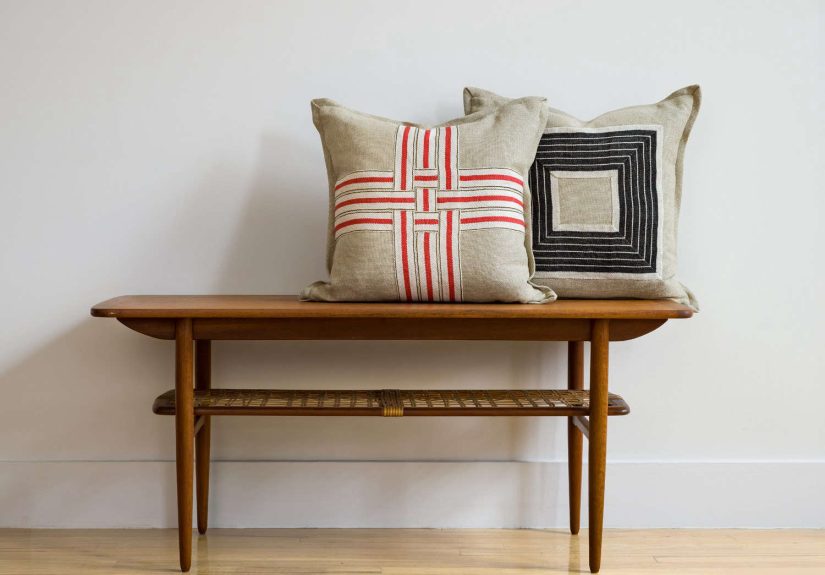
Edit ruthlessly. Keep a clear path to the entrance. Limit your palette. Use fewer pieces with more impact. One bench, two coordinated planters, and a clean doormat will usually outperform a dozen “Live Laugh Welcome” accessories every time.
5. Whirligigs, Spinners, and Other Hyperactive Yard Decor
A little movement can bring life to a yard. Too much movement makes the whole property feel twitchy. Wind spinners, pinwheels, dangling mobiles, flapping flags, and clacking kinetic ornaments can quickly turn a calm street into a visual caffeine rush.
Why neighbors hate it
Busy movement draws the eye nonstop, which can be tiring when you see it every day. Some pieces also squeak, spin erratically, or bang in windy weather. What seems whimsical to one homeowner can feel distracting or downright irritating to someone next door.
What to do instead
Pick one kinetic feature at most, and make sure it is quiet and positioned away from windows and property lines. If your yard already has plenty of texture from grasses, shrubs, and flowers, nature is doing the movement job just fine.
6. Decorative Water Features That Are More Swamp Than Spa
In theory, a birdbath, fountain, or small front-yard pond sounds charming. In practice, neglected water features often become mosquito lounges with algae decor. If the water is murky, stagnant, or constantly splashing where it should not, your “tranquil accent” is probably not reading as tranquil.
Why neighbors hate it
Standing water can attract mosquitoes, and poorly maintained features can smell, stain nearby surfaces, or look grimy. Even a decorative birdbath needs regular attention. A fountain that gurgles all night might sound soothing to you, but to a neighbor working the early shift, it can become the soundtrack of resentment.
What to do instead
Keep water features clean, circulating, and scaled appropriately. If you cannot maintain them consistently, skip them. A planted urn, a sculptural pot, or a dry creek bed gives a similar visual effect without accidentally launching a mosquito startup.
7. Overgrown Hedges and Decorative Grasses Blocking Views
Landscaping absolutely counts as decoration when it is shaped for style. But if your shrubs are swallowing the sidewalk, decorative grasses are leaning into the driveway, or your hedges are blocking sightlines near the street, the problem is no longer aesthetic alone.
Why neighbors hate it
Overgrown front yard landscaping makes a property look neglected and can create real safety headaches. In many places, codes specifically address visibility near driveways, intersections, and sidewalks. That means your lush hedge may be beautiful in theory but dangerous in practice.
What to do instead
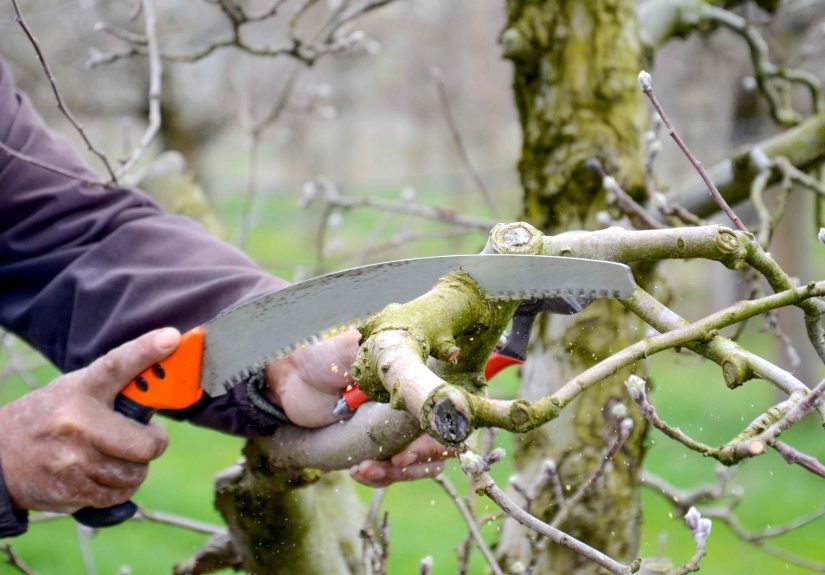
Choose plants suited to your climate, mature size, and yard conditions. Keep them edged, trimmed, and out of pedestrian paths. Good landscaping softens a home’s exterior. Bad landscaping looks like the house is being slowly reclaimed by a very judgmental jungle.
8. A Forest of Yard Signs and Novelty Messages
A welcome sign is fine. A small house-number plaque is useful. But when the front yard starts reading like a bulletin board for every joke, season, sentiment, and hobby you have ever had, it gets exhausting fast.
Why neighbors hate it
Too many signs create visual clutter and make a yard feel cheap instead of charming. They also compete with important functional elements like house numbers, the mailbox, and the front door. At some point, what you intended as personality starts looking like roadside advertising for your own taste.
What to do instead
Keep one clear welcome message or one tasteful sign with your house number. Let your landscaping, paint color, porch lighting, and front door do the heavy lifting. A beautiful entry never needs to yell.
9. Faded Faux Flowers and Sun-Baked Plastic Decor
Artificial plants and plastic decorations can seem low-maintenance, but cheap outdoor materials age badly in full sun. Colors bleach, surfaces crack, edges curl, and suddenly your cheerful front-yard accents look like they have survived three apocalypses.
Why neighbors hate it
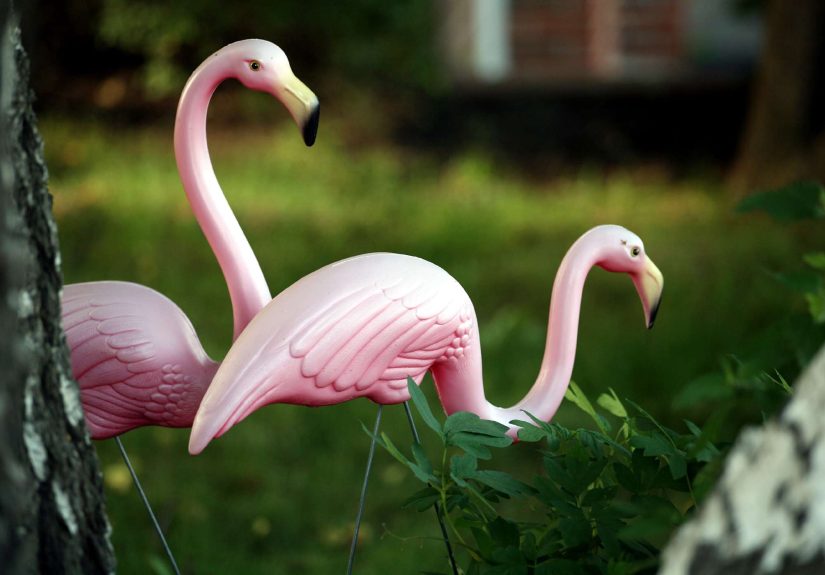
Nothing says “I meant well six summers ago” like faded fake tulips and a cracked plastic flamingo. These pieces make a yard look tired, even if the lawn is trimmed and the porch is clean. Weather-beaten decor drags down the overall look of the whole property.
What to do instead
Use real plants where possible, or invest in durable materials like metal, stone, ceramic, or wood that age more gracefully. Even one healthy container plant will do more for curb appeal than a dozen fake blooms slowly surrendering to ultraviolet light.
How to Decorate Your Front Yard Without Starting a Neighborhood Group Chat
The best front yard decor ideas all follow the same basic rule: they add charm without creating stress. That means keeping things proportional, maintained, and considerate. Your neighbors do not need to love your style, but they should not have to recover from it either.
Start with the essentials. Make sure the walkway is clear, the house numbers are visible, the porch is tidy, and the lighting is warm rather than blinding. Add color with plants, not clutter. Use seasonal decor sparingly. Keep water clean. Trim anything that blocks a path or a view. And every now and then, walk across the street and look back at your own house with fresh eyes. If your immediate reaction is “Wow, that is a lot,” trust that instinct.
A front yard should feel welcoming, balanced, and lived in. It should not feel like a flea market, a lighthouse, or the set of a low-budget holiday movie. Personality matters. So does restraint. When you get both right, your home stands out for the best reasons.
Real-Life Experiences Homeowners Have With Annoying Front Yard Decorations
One of the funniest things about front yard decor is that most people do not realize they have crossed the line until they see the reaction on someone else’s face. Maybe it starts with a harmless trip to the garden center. You go in for potting soil and somehow come out with a metal heron, a wooden sign, two solar lanterns, and a rooster statue that looked “quirky” under fluorescent store lighting. Back at home, each piece seems cute on its own. Then they all meet in the yard, and suddenly your front lawn looks like it is auditioning for a reality show.
A lot of homeowners also learn the hard way that maintenance matters more than intention. A birdbath can look lovely the day you set it out, but if you forget about it for two weeks during a hot spell, it turns into a science project. The same goes for silk flowers, painted garden stakes, welcome signs, and seasonal decor. At first they brighten the yard. Then the sun fades them, the wind tilts them, the rain streaks them, and they slowly become tiny monuments to procrastination.
Lighting creates some of the most awkward neighbor experiences. Plenty of people install brighter fixtures because they want to feel safer, only to discover they have illuminated half the block. Nobody wants to be the person whose bedroom glows at midnight because the house next door decided to recreate a baseball stadium. What feels secure from one side of the property line can feel invasive from the other.
Then there is the porch clutter phenomenon, which sneaks up on people in a wonderfully American way. A chair becomes two chairs. Two planters become six. A wreath gets layered with a sign, then a lantern, then a seasonal mat on top of another seasonal mat. Before long, guests need the flexibility of a yoga instructor to reach the front door without knocking over a decorative pumpkin. The homeowner still sees “cozy.” Everyone else sees “careful, there is a rake behind that fern.”
Some of the strongest reactions happen with motion and sound. Wind spinners look playful online, but in a real neighborhood, constant motion can feel strangely aggressive. A clacking spinner outside a bedroom window gets old quickly. So does a fountain that burbles all night or decor that bangs in the breeze. Homeowners often discover that peaceful front-yard design is less about adding more features and more about choosing fewer, calmer ones.
The best front yard experiences usually come from simple decisions: healthy plants, a clean path, well-placed lights, a fresh mailbox, and one or two pieces of decor that actually suit the house. Those homes feel good to walk past. They look cared for without trying too hard. And that, more than any giant statue or inflatable dragon, is what makes neighbors think, “Wow, this place looks great.”
Conclusion
If your goal is a beautiful front yard, the answer is not zero personality. It is better editing. The most annoying front yard decorations are usually not offensive because they are bold; they are annoying because they are excessive, poorly maintained, badly placed, or inconsiderate. Great curb appeal comes from balance. So keep the charm, lose the chaos, and let your house make a strong first impression without accidentally becoming the neighborhood punchline.