Table of Contents >> Show >> Hide
- What Are Candy Floss Roses (and Why Are They So Dramatic)?
- Main Keyword to Keep in Mind
- Tools and Ingredients You’ll Need
- Before You Start: Set Yourself Up for Rose Success
- Step-by-Step: How To Make Candy Floss Roses
- Step 1: Warm up your cotton candy machine properly
- Step 2: Spin a base “web” and collect thin sheets
- Step 3: Make the rose “bud” (the center)
- Step 4: Add petals using the “ribbon wrap” method
- Step 5: Define petals (the “skewer sculpt” move)
- Step 6: Build size with color layers (optional but very pretty)
- Step 7: Finish the base neatly
- Pro Tips That Make Cotton Candy Roses Look Professional
- Creative Variations: Roses, Bouquets, and Party-Ready Ideas
- Troubleshooting: Fix the Most Common Candy Floss Rose Problems
- Storage and Transport: Keeping Cotton Candy Roses Fluffy
- Safety Notes (Because Spinning Sugar Is Still Hot Sugar)
- FAQ: Quick Answers About Candy Floss Roses
- Experience-Based Notes: What It’s Really Like Making Candy Floss Roses (About )
- Conclusion
Candy floss roses (a.k.a. cotton candy roses) are the ultimate “wait…you made that?!” party trick.
They look like delicate flowers, taste like the fair, and disappear faster than your phone battery at a concert.
The best part: once you learn the basic shaping method, you can whip up a whole bouquet for birthdays, baby showers,
Valentine’s Day, wedding dessert tables, or just a Tuesday that needs more sparkle.
This guide walks you through how to make candy floss roses step by step, including the gear you actually need,
how to control the one true villain (humidity), and how to shape petals so your roses look intentionalnot like a
fluffy accident that happened near a stick.
What Are Candy Floss Roses (and Why Are They So Dramatic)?
Cotton candy is spun sugar: sugar is heated, melted, and flung into micro-threads that cool instantly into airy strands.
Those strands are light, pretty, and extremely sensitive to moisture. That’s why cotton candy collapses in humidity
it’s basically sugar wearing a sweater made of clouds.
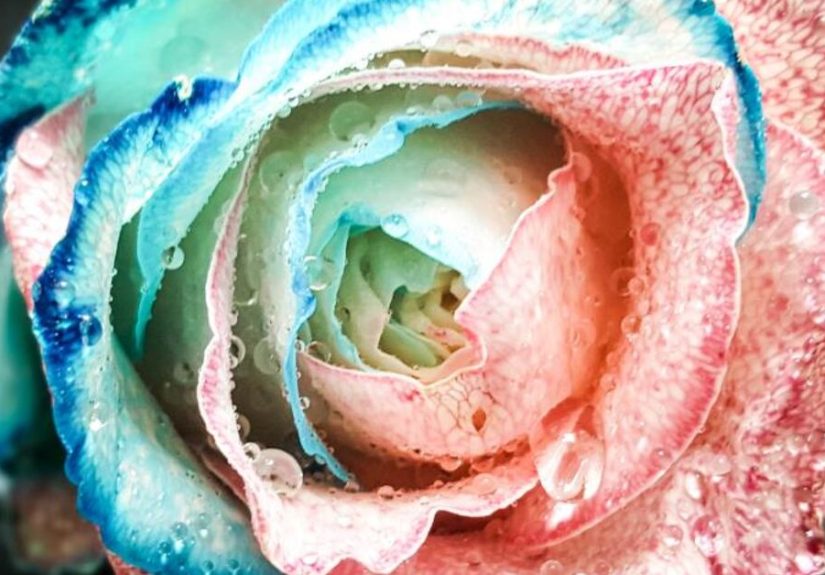
A candy floss rose is simply cotton candy that’s gathered and shaped into layered “petals” around a stick or cone.
The technique is more like crafting than baking: your hands control the look, and timing controls the texture.
Main Keyword to Keep in Mind
You’ll see these phrases naturally throughout the article because they’re what readers actually search:
how to make candy floss roses, cotton candy roses, cotton candy flower,
cotton candy art, floss sugar, and cotton candy storage.
Tools and Ingredients You’ll Need
Must-haves
- Cotton candy machine (home or commercial)
- Floss sugar (pre-colored/flavored cotton candy sugar) or plain granulated sugar + dry color/flavor options
- Paper cones or skewers/lollipop sticks (wood works well and is easy to grip)
- Food-safe gloves (optional, but helpful for sticky fingers and shaping)
- Parchment paper for staging and quick cleanup
Nice-to-haves (for “wow” roses)
- Multiple sugar colors for ombré or two-tone petals
- Edible glitter or sanding sugar (use lightlycotton candy is not a cement wall)
- Cellophane bags or clear treat boxes for storage
- Silica gel packs (food-safe, kept separate from the candy) for packaging in humid climates
- Dry skewers/toothpicks for refining petal edges
Before You Start: Set Yourself Up for Rose Success
1) Choose the driest spot in your home
Cotton candy hates moisture. If it’s raining, if your kitchen is steamy, if your neighbor is running a humidifier like it’s
their personal weather systemyour roses will feel it. If possible, work in an air-conditioned room and keep doors/windows closed.
2) Pre-stage your packaging
If you plan to store or transport the roses, get bags/containers ready before you spin sugar. Cotton candy is not the
kind of dessert that patiently waits while you look for scissors.
3) Decide your rose style (so you don’t improvise into chaos)
- Classic rose: one color, layered petals
- Ombré rose: light center, darker outer petals
- Two-tone: alternate colors or create a “rim” color on the outer petals
- Mini roses: small buds for cupcakes, favors, or cake toppers (short life spanbig impact)
Step-by-Step: How To Make Candy Floss Roses
Step 1: Warm up your cotton candy machine properly
Follow your machine’s manual. Many home machines need a few minutes to heat up so the sugar spins into fine strands instead of brittle “Easter grass.”
(If your first batch looks like crunchy tumbleweed, congratulationsyou’ve successfully made “learning.”)
Step 2: Spin a base “web” and collect thin sheets
Turn the machine on, add a small amount of floss sugar, and wait for the first cotton candy webbing to form.
Instead of building a big puff right away, collect thin layersyou’re making petals, not a pillow.
Tip: Rotate your cone/stick quickly and move around the bowl to catch fine strands evenly. Thin, even floss makes smoother petals and cleaner edges.
Step 3: Make the rose “bud” (the center)
Start with a small tuft of cotton candy and wrap it around the top of your stick/cone like you’re forming a tight little swirl.
This is the budkeep it compact so the rose has structure.
Gently pinch the base of the bud (near the stick) to tighten it. This pinch becomes the anchor point for every petal you add.
Step 4: Add petals using the “ribbon wrap” method
Collect a thin “ribbon” of cotton candyimagine a soft strip about 1–2 inches wide. Wrap it around the bud in a loose spiral,
letting the top edge flare outward.
- Petal shape trick: pinch the base where the petal meets the stick, then lightly fold the top edge outward like a ruffle.
- Spacing trick: overlap each new petal by about one-third so the rose looks full (not bald in places).
- Texture trick: keep your hands dry and pressure lightsqueezing cotton candy is basically telling it to become syrup.
Step 5: Define petals (the “skewer sculpt” move)
To make your rose look like a rose (instead of “pink fluff on a stick”), use a dry skewer or toothpick to press shallow indentations around the outer edge.
Press in several evenly spaced points and rotate as you go. This creates petal separation and a more realistic bloom.
Step 6: Build size with color layers (optional but very pretty)
Want an ombré rose? Start with a pale pink or white center, then switch to deeper pink for the middle petals, and finish with a bold rose-red outer layer.
Because cotton candy builds in layers, you can create a gradient without complicated techniquesjust change sugar colors as you add petals.
Step 7: Finish the base neatly
Once your rose is the size you want, gently pinch and tidy the base so it looks clean. If you’re using a stick, you can leave a small “collar” of cotton candy
at the bottom to hide seams. If you’re using a cone, make sure the rose is balanced and not leaning like it just heard bad news.
Pro Tips That Make Cotton Candy Roses Look Professional
Use floss sugar for consistency
Floss sugar is designed to melt and spin evenly, and it’s already colored/flavored and dried. That “dried” part matters because extra moisture fights the spin.
If you’re mixing your own, keep it dry and follow flavor/color directions carefully.
Work small, then scale up
Your first rose should be mini. Once you can make a cute bud with distinct petals, scaling to larger roses is just repetition.
(Bigger roses are not harderthey just give you more chances to make weird choices.)
Use your environment like a tool
If your home is humid, run A/C or a dehumidifier for 30–60 minutes before you start. Keep finished roses sealed until serving.
When cotton candy fails, it’s rarely because you “did it wrong”it’s usually the air being rude.
Creative Variations: Roses, Bouquets, and Party-Ready Ideas
1) Rose bouquet centerpiece
Make 8–15 roses and arrange them in a vase using floral foam or crumpled parchment to hold sticks upright. Keep roses sealed until the last possible moment,
then “plant” them right before guests arrive. Instant centerpiece. Maximum photos.
2) Mini roses for cupcakes
Make small buds on short sticks and place them on cupcakes right before serving. Mini roses are cute, but they’re also tiny humidity sponges.
3) Two-tone “petal rim” roses
Spin a base layer in one color, then add a quick outer ring in a second color for a “rim.” It mimics real rose shading with minimal effort.
4) “Leaves” that won’t melt instantly
Cotton candy leaves are adorable but fragile. For a sturdier look, use wafer paper leaves or edible greenery placed near the stick (not pressed into the candy).
You get the floral vibe without the meltdown.
Troubleshooting: Fix the Most Common Candy Floss Rose Problems
Problem: My cotton candy is brittle or stringy
- Let the machine warm up longer and use smaller sugar amounts per batch.
- Make sure you’re using the type of sugar your machine spins best.
- Spin faster and collect in thinner layers.
Problem: The rose collapses while I’m shaping it
- Humidity is likely highseal finished roses immediately and work in a cooler, drier room.
- Reduce hand contact: shape with light touch and use a dry skewer to define petals.
- Build with thinner layers so the rose doesn’t get heavy and sag.
Problem: My petals look like blobs
- Collect cotton candy into ribbons, not clumps.
- Create a tight bud first; petals need something to wrap around.
- Press gentle indentations around the outer edge to “separate” petals visually.
Storage and Transport: Keeping Cotton Candy Roses Fluffy
Cotton candy roses are at their best right after you make them, but you can stretch their life with smart storage.
The goal is to protect them from air movement, humidity, and heat.
- Seal immediately: use airtight containers or cellophane bags and close them quickly.
- Keep cool and dry: store away from sunlight, ovens, and steamy kitchens.
- Don’t refrigerate: fridges are humid; cotton candy will absorb moisture and collapse.
- Minimize empty air space: less air inside the container usually means less moisture exposure.
- Transport upright: treat them like real flowersgentle handling wins.
Safety Notes (Because Spinning Sugar Is Still Hot Sugar)
- Keep hair tied back, avoid loose sleeves, and keep hands away from the spinning head/heating element.
- Never pour sugar directly into heating elements or areas your manual warns against.
- Use the machine exactly as designed (some models include specific receptacles or parts that matter for safe use).
- Supervise kids closelycotton candy is fun, but hot components are not a game.
FAQ: Quick Answers About Candy Floss Roses
How long do cotton candy roses last?
In open air, they can start shrinking quicklysometimes within minutes in humid conditions. Sealed in a dry environment,
they can last longer (often a day or more), but texture and appearance are always best fresh.
Can I make candy floss roses without a machine?
You can make spun sugar (a thicker, decorative sugar thread) with a saucepan and fork/whisk, but it won’t be the same as cotton candy.
If you need machine-free “rose drama,” spun sugar nests and ribbons can still look stunning as dessert decorationsjust use extra caution with hot syrup.
Can I flavor my own sugar?
Yes, but keep it dry. Many candy flavorings are highly concentrated; a little goes a long way. If your sugar clumps or feels damp, it won’t spin well.
When in doubt, use store-bought floss sugar for consistent results.
Experience-Based Notes: What It’s Really Like Making Candy Floss Roses (About )
The first time most people try cotton candy roses, the experience is equal parts magic and mild chaos. You turn on the machine, sugar starts flying into
delicate threads, and you think, “I am basically a carnival wizard.” Then the cotton candy sticks to your fingers, your rose looks like a fluffy cauliflower,
and you realize sugar has a personalityspecifically, the personality of a toddler who missed nap time.
A common “aha” moment happens when you stop trying to build a huge cotton candy puff and start collecting thin sheets. Roses look better when you
treat cotton candy like fabric: gather a ribbon, wrap it, pinch the base, and sculpt the edge. The petals don’t need to be perfect; in fact, slight ruffles
make the rose look more natural. The real mistake is over-handling. The more you squeeze, the more the candy floss warms up and turns sticky, and then the
petal definition disappears like it’s trying to avoid responsibilities.
Another real-world lesson: humidity changes everything. People often report that their roses look amazing in the cool, dry room where they made them, then
collapse the moment they’re carried into a warmer space (especially kitchens, patios, or crowded rooms). The workaround is simple but non-negotiable:
package roses immediately, keep them sealed, and unveil them as late as possible. For events, a smart strategy is to make the roses, seal them, and set up
the bouquet right before guests arrivelike a sweet, fluffy surprise reveal.
Color is where the fun really starts. An easy, experience-proven combo is a pale center with deeper outer petalsyour eyes read that as “rose” instantly.
Two-tone roses also get big reactions because they look complex even though they’re basically just layer changes. The key is to decide your color order
early so you don’t end up with a “mystery gradient” that looks accidental. (Accidental is fine for abstract art; roses prefer a plan.)
If you’re making multiple rosessay, a dozen for party favorspeople commonly find that rhythm matters more than speed. Warm up the machine, spin a small
batch, shape one rose, bag it, repeat. Trying to mass-spin cotton candy first and shape later usually ends with limp floss and regret. It’s also normal for
rose #1 to look wobbly and rose #4 to look like it belongs on a dessert table with a spotlight. Your hands learn fast.
The most satisfying experience comes when you nail a clean bud and distinct petals. Suddenly, you can scale up: bigger roses, tighter spirals, dramatic
outer petals, and even bouquet arrangements. At that point, you’ll catch yourself saying things like, “Hold on, let me just make a few more roses,” which is
how every craft hobby startsone innocent flower at a time.
Conclusion
Making candy floss roses is part technique, part timing, and part “please, humidity, not today.” Once you master thin layers, a tight center bud, and light
petal shaping, you can create cotton candy roses that look professional and feel like edible party décor. Keep your workspace dry, package roses quickly,
and treat each rose like a mini sculpturebecause it is.