Table of Contents >> Show >> Hide
- What Polenta Is (and Why You Should Care)
- Before You Start: Choose Your Polenta Like a Grown-Up
- The Polenta Ratio That Actually Works
- Method 1: Classic Creamy Stovetop Polenta
- Method 2: The Low-Drama “No-Stir” Resting Polenta
- Method 3: Oven-Baked Polenta (Hands-Free and Party-Friendly)
- Method 4: Instant Polenta (Weeknight Shortcut That Still Tastes Legit)
- Troubleshooting: When Polenta Chooses Chaos
- How to Serve Polenta (Soft, Set, Grilled, Fried)
- How to Store and Reheat Polenta Without Ruining It
- Frequently Asked Questions
- Polenta Experiences: The 500-Word Reality Check
- Conclusion
Polenta has a reputation problem. People hear “corn porridge” and picture a sad bowl of beige regret. But done right,
polenta is creamy, cozy, and wildly versatilelike mashed potatoes that went to Italy for a semester abroad and came
back with better shoes.
This guide will show you exactly how to make polenta that’s smooth (not lumpy), flavorful (not bland), and adaptable
(so it can be dinner, a side dish, or tomorrow’s crispy snack). You’ll get multiple foolproof methods, the ratios that
actually matter, and fixes for the most common “why is my polenta mad at me?” moments.
What Polenta Is (and Why You Should Care)
Polenta is a simple dish made by cooking ground corn in liquid until thick, tender, and creamy. In practice, it’s a
blank canvas: serve it soft like a savory porridge, or chill it until firm, then slice and grill or pan-fry it into
golden, crunchy cakes. It’s comfort food with range.
Before You Start: Choose Your Polenta Like a Grown-Up
Polenta vs. cornmeal
In many U.S. grocery stores, “polenta” and “cornmeal” are basically cousins wearing different name tags. The biggest
difference is usually the grind. Polenta is often medium or coarse ground, which creates a heartier, more textured
finished dish. Fine cornmeal cooks faster and turns smoother, but it can lean a little “mushy” if you’re expecting
that rustic bite.
Stone-ground vs. “regular”
Stone-ground polenta tends to have more corn flavor and character, but it usually takes longer to cook because the
particles can be larger and less uniform. “Regular” polenta (often more processed and consistent) cooks more
predictably. Neither is “better” universallyjust choose based on time and vibe.
Instant polenta
Instant polenta is pre-cooked and dried, so it thickens in minutes. It’s handy on busy nights. The tradeoff is a
slightly less complex corn flavor and texture compared with traditional polenta. Still: you can absolutely make it
delicious with good seasoning and a strong finish (butter, cheese, olive oil, herbs).
Pick your liquid (this is where flavor sneaks in)
Water makes the cleanest corn flavor. Milk adds richness. Stock adds savory depth. Many cooks use a combination
(like half water, half milk) for the best of both worlds. You can also use plant-based milk if you want; just choose
something unsweetened.
Don’t forget the finishers
Polenta loves fat and salt. Butter, olive oil, Parmesan, pecorino, cream, mascarponethese aren’t “extras,” they’re
the difference between “nice” and “where has this been all my life?” Season as you go, then adjust right at the end.
The Polenta Ratio That Actually Works
Here’s the cheat code: the liquid-to-polenta ratio determines whether your polenta is spoonable and creamy or firm
enough to slice.
- Creamy, spoonable polenta: 1 cup polenta to 5 cups liquid
- Thicker polenta (still creamy, but sturdier): 1 cup polenta to 4 cups liquid
- Sliceable polenta (for cakes/fries): start with 4 cups liquid, then cook a little drier
Grind size matters: coarse or stone-ground polenta typically needs more time (and sometimes a splash more liquid) to
become fully tender. If you’re unsure, begin with 5 cups liquid for 1 cup polenta and adjust as it cooks.
Method 1: Classic Creamy Stovetop Polenta
This is the traditional approach: simmer, stir, and let time turn corn into comfort.
Ingredients (Serves 4 as a side, 2–3 as a main)
- 1 cup polenta (medium or coarse ground)
- 4–5 cups liquid (water, milk, stock, or a combo)
- 1 to 1½ teaspoons kosher salt (start lighter; adjust later)
- 2 tablespoons butter and/or 2 tablespoons olive oil
- ½ to 1 cup grated Parmesan (optional, but highly encouraged)
- Black pepper, to taste
Step-by-step
-
Heat the liquid. Bring your liquid to a boil in a heavy-bottomed pot (Dutch ovens are great here).
Add your salt. -
Add polenta slowly. Reduce heat so the liquid is simmering, then rain in the polenta in a
thin stream while whisking. The whisk is your anti-lump insurance policy. -
Simmer gently. Keep the heat low. Polenta likes a quiet life. Stir frequentlyespecially around the
bottom and cornersso it doesn’t stick or scorch. -
Cook until tender. Most polenta becomes creamy in about 25–45 minutes. Coarser grinds may take
longer. If it thickens too fast, add hot water (or hot milk/stock) a splash at a time. -
Finish with fat and flavor. Off heat, stir in butter and/or olive oil. Add cheese if using. Taste
and adjust salt and pepper.
How to know it’s done
Good polenta should taste like tender cornnot gritty sand. When you drag a spoon through the pot, it should part,
then slowly relax back in. If it feels thick but still gritty, it’s not done; it just needs time (and possibly a
little more liquid).
Pro move: the “slurry” trick for lump haters
If you have a history of polenta lumps (no judgment), whisk the polenta with a cup of cold water to make a smooth
slurry, then whisk that into simmering liquid. It’s calmer, neater, and surprisingly effective.
Method 2: The Low-Drama “No-Stir” Resting Polenta
Want creamy polenta without turning your evening into an arm workout? Try this: whisk the polenta into very hot
liquid, cover, and let time do the heavy lifting.
How it works
- Bring your liquid to a boil, then turn off the heat (or reduce to the lowest possible setting).
- Whisk in polenta slowly until smooth. Cover the pot tightly.
- Let it sit for about 40–45 minutes, checking once or twice to give it a solid stir.
- Finish with butter/olive oil and cheese. Add hot liquid if you want it looser.
This method is especially nice when you’re juggling other dishes, trying to look relaxed, or pretending you “just
throw meals together” like you’re on a cooking show.
Method 3: Oven-Baked Polenta (Hands-Free and Party-Friendly)
Oven polenta is the underrated hero of entertaining: less stirring, fewer splatters, and consistent heat.
How to do it
- Heat oven to 350°F. In a Dutch oven or deep baking dish, combine 1 cup polenta with 4–5 cups hot liquid and salt.
- Stir well (or whisk) to break up any clumps.
- Bake for 30 minutes, stir thoroughly, then bake 10–20 minutes more until tender and creamy.
- Finish with butter/olive oil and cheese. Adjust consistency with hot liquid as needed.
Oven polenta tends to cook evenly, which is basically the culinary equivalent of having your life together.
Method 4: Instant Polenta (Weeknight Shortcut That Still Tastes Legit)
Instant polenta can be ready in 5–10 minutes. Use it when hunger is urgent and patience is unavailable.
Tips to make instant polenta taste better than it has any right to
- Use stock or a milk-water combo instead of plain water.
- Add salt early, then finish with butter and cheese like you mean it.
- Stir in something punchy: roasted garlic, sautéed shallots, miso, pesto, or herbs.
Troubleshooting: When Polenta Chooses Chaos
“It’s lumpy.”
Lumps usually happen when polenta hits hot liquid too quickly and clumps on contact. Next time, add it in a slow
stream while whisking. Right now, your best fix is to whisk vigorously or use an immersion blender for a few seconds.
(No one has to know.)
“It’s too thick.”
Polenta thickens as it cools, and it thickens fast. Stir in hot liquid a little at a time until it loosens to your
desired texture. Warm liquid blends more smoothly than cold.
“It’s gritty.”
This is almost always an undercooking issue. Keep it on low heat and give it more time. Coarse or stone-ground
polenta can take longer than you expect.
“It scorched on the bottom.”
Heat was too high or stirring wasn’t frequent enough. Don’t scrape the burned layer up into the polenta. Carefully
spoon the good polenta into a clean pot, add a splash of hot liquid, and continue gently.
How to Serve Polenta (Soft, Set, Grilled, Fried)
Soft and creamy: the bowl life
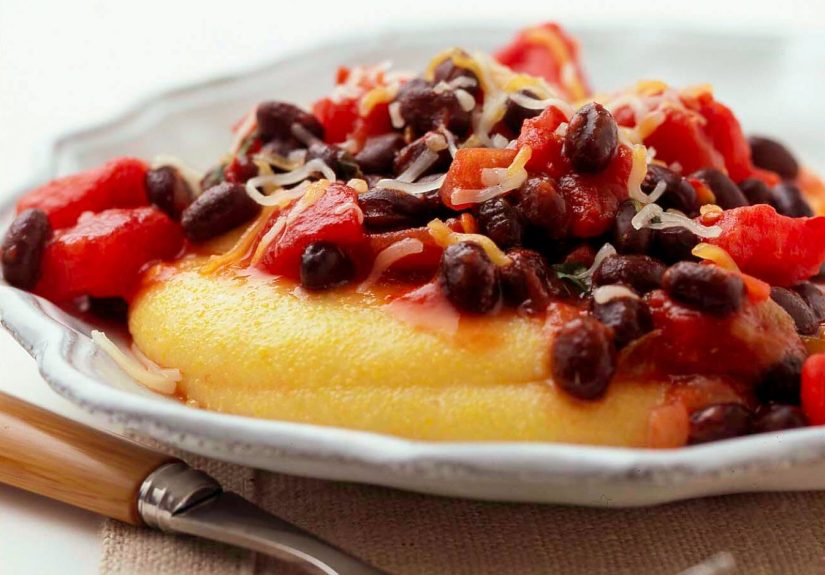
Spoon creamy polenta into bowls and top it like a blank canvas that’s begging for drama. A few topping ideas:
- Classic comfort: sautéed mushrooms + thyme + Parmesan
- Weeknight glow-up: marinara + meatballs + basil
- Fancy without trying: roasted salmon + lemon + dill
- Vegetarian main: ratatouille or roasted vegetables + feta
- Breakfast energy: crispy bacon (or tempeh) + fried egg + hot sauce
Set polenta for cakes, fries, and grill marks
To make sliceable polenta:
- Cook polenta slightly thicker (aim for the 4:1 ratio and let it reduce a bit more).
- Pour into a lightly oiled or parchment-lined baking dish. Smooth the top.
- Cool, then refrigerate until firm (at least 1–2 hours).
- Slice into squares, rectangles, or wedges.
- Grill, pan-fry, or bake until crisp and golden. Serve with sauce, cheese, or a dip.
Set polenta is basically the culinary version of “leftovers, but make it hot.” It’s also a terrific base for layered
toppingsthink polenta “toast” with tomato jam, ricotta, or sautéed greens.
How to Store and Reheat Polenta Without Ruining It
Refrigerate
Store leftover polenta in an airtight container for about 2–3 days. Expect it to firm up in the fridgethat’s normal.
Reheat (creamy polenta)
Reheat on the stovetop over low heat with a splash of water, milk, or stock. Stir gently until it loosens and turns
creamy again. Add butter or cheese at the end to bring back the luxurious texture.
Reheat (set polenta)
Slice and pan-fry in a little oil until crisp, or bake on a sheet pan until warmed through and browned. Crisp edges
are not a flaw herethey’re the point.
Freeze
Polenta can be frozen, especially when sliced into pieces first. Thaw in the fridge, pat dry, then grill or pan-fry
for best texture. If you’re trying to reheat frozen polenta into a creamy bowl, plan to add extra liquid and patience.
Frequently Asked Questions
Do I really have to stir polenta the whole time?
No. Constant stirring is more myth than law. You do need attention in the beginning (to prevent lumps) and you should
stir often enough to prevent sticking. If you’d like a more hands-off approach, use the resting method or oven method.
Is polenta gluten-free?
Polenta is made from corn, so it’s naturally gluten-free. If gluten is a serious concern, check the package for
cross-contamination warnings (some facilities process wheat products too).
Can I make polenta ahead of time?
Yes. For creamy polenta, reheat with added liquid to restore texture. For sliceable polenta, making it ahead is
practically the whole plan: chill, slice, crisp, serve.
Polenta Experiences: The 500-Word Reality Check
Making polenta the first time often feels like trying to babysit a tiny volcano. You pour in cornmeal, you stir, and
suddenly it starts bubbling with little “blip!” sounds that suggest it’s either cooking beautifully or plotting
against your shirt. (Spoiler: it can be both.) The good news is that most polenta “fails” are fixable, and the dish is
way more forgiving than its reputation.
One very common rite of passage: the lump encounter. Almost everyone has a moment where they look into the pot and
think, “Why does my dinner resemble a geology exhibit?” If that happens, it’s usually because the polenta went in too
fast. The next time you make it, you’ll sprinkle it in slowly while whisking like you’re conducting a very buttery
orchestra. And if you forget again? You’ll discover that an immersion blender can quietly solve problems without
making a big speech about it.
Then there’s the stirring story. Some people treat stirring polenta like a workout (hello, triceps), while others turn
it into a relaxing ritual: low heat, slow bubbles, a wooden spoon, and maybe a playlist that makes you feel like you’re
cooking in a movie set in Tuscany. The “experience” changes depending on the method. Stovetop polenta feels hands-on
and cozy, like you’re building texture in real time. Oven polenta feels like the responsible version of you showed up,
put everything in one place, and left you free to do literally anything else. The resting method feels like you found a
cheat code and you’re not sure you’re allowed to tell anyone.
Another very real experience: polenta thickens the moment you stop paying attention. You make it silky and perfect,
then you turn around to plate the main dish, and when you come back, it’s suddenly the consistency of spackle. This
isn’t a disasterit’s just polenta being polenta. Stir in a splash of hot water, milk, or stock, and it turns creamy
again as if nothing happened. It’s basically teaching you a life lesson about hydration.
And finally, the leftover surprise. People who think they “don’t love leftovers” often change their tune when they see
chilled polenta sliced into squares, pan-fried until crisp, and topped with whatever’s in the fridgetomato sauce,
sautéed greens, a soft egg, even a smear of ricotta and a drizzle of chili oil. The next morning, those polenta cakes
can feel like a restaurant brunch item you accidentally made at home. It’s one of those small kitchen wins that makes
you stand there eating, thinking, “Wait. Am I… good at this?”
Conclusion
Polenta is simple food with serious payoff: a few ingredients, a little technique, and you get something that can be
creamy comfort, a crispy base, or a dinner-party side that makes you look effortlessly competent. Start with a solid
ratio, whisk it in slowly, keep the heat gentle, and finish boldly with butter, cheese, or olive oil. Once you’ve made
it a couple of times, you’ll stop “making polenta” and start making your polentawhich is where the fun really
begins.