Table of Contents >> Show >> Hide
- First: What Aphids Do (and Why Your Plant Looks So Offended)
- Before You Spray Anything: Do the 3-Minute Aphid Triage
- The Homemade Sprays: Recipes That Fight Aphids (Not Your Plants)
- 1) The “Free and Furious” Water Spray
- 2) Gentle Soap Spray (1% Solution): The Classic DIY Aphid Spray
- 3) Soap + Vegetable Oil Spray: A Stickier Knockdown Mix
- 4) DIY “Kitchen Horticultural Oil” (Light Oil Spray)
- 5) Neem Oil Spray: “Botanical” Doesn’t Mean “Harmless,” But It Can Help
- 6) Rubbing Alcohol Spray: A Houseplant-Friendly “Spot Treatment” Option
- How to Spray So It Actually Works (and Doesn’t Backfire)
- The Most Common Mistakes (Aphids Love These)
- When Homemade Sprays Aren’t Enough
- FAQ: Quick Answers for Real-Life Aphid Drama
- Field Notes: of Real-World Aphid Experience (So You Don’t Have to Learn the Hard Way)
Aphids are basically the world’s tiniest vampiresexcept instead of dramatic capes, they wear invisibility cloaks
made of “Why didn’t I notice this sooner?!” They show up overnight, throw a sticky party on your leaves, and
invite ants like it’s a backyard BBQ.
The good news: you don’t need a chemistry degree (or a flamethrower) to fight them. With a few pantry staples,
a spray bottle, and a little strategy, you can knock aphids back fastwithout nuking your whole garden ecosystem.
This guide walks you through homemade aphid sprays that actually make sense, plus how to use them safely so you
don’t accidentally roast your plants along with the pests.
First: What Aphids Do (and Why Your Plant Looks So Offended)
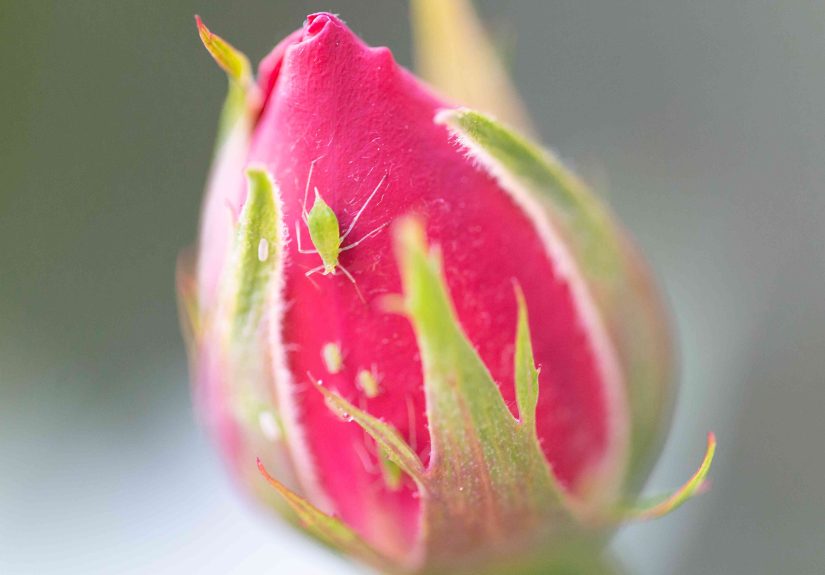
Aphids are soft-bodied, sap-sucking insects that cluster on tender new growththink buds, leaf undersides, fresh
stems, and the “delicate bits” your plant worked all season to produce. As they feed, they can cause curling
leaves, distorted growth, yellowing, and a general vibe of botanical betrayal.
Bonus insult: many aphids excrete a sugary liquid called honeydew. Honeydew attracts ants and can
lead to sooty mold, a dark coating that blocks sunlight and stresses the plant. Translation: aphids
don’t just steal your plant’s lunch moneythey also graffiti the locker.
Before You Spray Anything: Do the 3-Minute Aphid Triage
Homemade sprays work best when you pair them with basic “don’t let pests run your life” tactics. Do this first:
- Check the undersides of leaves and tips of new growth. Aphids love hiding where you don’t look.
- Prune the worst parts (if practical). A heavily infested shoot can be removed and trashed.
-
Blast with water. A strong spray from a hose can dislodge a surprising number of aphids and may
be all you need for light infestations. -
Look for helpful bugs (lady beetles, lacewing larvae, hoverfly larvae). If you see “allies,”
lean toward gentle options and targeted spraying. -
Watch the ants. If ants are marching up your plant like it’s rush hour, they may be protecting
aphids for honeydew. Managing ants can make aphid control easier.
The Homemade Sprays: Recipes That Fight Aphids (Not Your Plants)
All contact spraysincluding soap, oil, and alcoholwork by hitting the aphids directly. If you spray the air
above them like you’re blessing the plant, the aphids will survive and gossip about you later.
1) The “Free and Furious” Water Spray
Best for: early infestations, outdoor plants, sturdy leaves (roses, shrubs, many veggies).
Why it works: physical removalaphids get knocked off and struggle to climb back.
- Use a hose nozzle with a stronger setting (not “pressure washer,” just “get off my plant”).
- Spray leaf undersides and the tips of new growth where aphids cluster.
- Repeat every 2–3 days for a week, or after you see new aphids returning.
Pro tip: Water first, then follow with a gentle spray recipe if needed. Water alone can reduce the
population enough that lighter sprays finish the job.
2) Gentle Soap Spray (1% Solution): The Classic DIY Aphid Spray
Best for: many outdoor plants and some houseplants; light-to-moderate infestations.
Why it works: soaps can disrupt aphids’ outer protective layer and cause dehydrationagain, by contact.
Ingredients
- Water
- Mild liquid soap (ideally a true soap like castile; avoid heavy degreasers and “extra antibacterial” formulas)
Mixing (choose one)
- Quart batch: 2 teaspoons soap per 1 quart water
- Gallon batch: about 1.5 tablespoons soap per 1 gallon water
How to use it
- Mix only what you’ll use that day. Shake gently to avoid a foam festival.
- Spray aphids directly, focusing on leaf undersides and new growth.
- After a few hours, rinse the plant with plain water if it’s sensitive or if you used a stronger soap.
- Repeat every 4–7 days as needed.
Safety notes
- Spot test first: spray a small area and wait 24–48 hours for leaf burn.
- Avoid spraying in full sun or on hot afternoons. Soap + heat can equal crispy leaves.
- Do not assume “more soap = more better.” That’s how plants file complaints.
3) Soap + Vegetable Oil Spray: A Stickier Knockdown Mix
Best for: outdoor plants with stubborn infestations; situations where plain soap slides right off.
Why it works: the soap helps spread and the oil helps coat pests, improving contact.
Ingredients
- 2.5 tablespoons liquid dishwashing soap (not dishwasher detergent)
- 2.5 tablespoons vegetable oil
- 1 gallon warm water
How to use it
- Mix soap and oil first, then add warm water and shake.
- Spray thoroughly, aiming for direct contact.
- Repeat coverage mattersaphids hide like they’re dodging rent.
- Avoid using in very hot weather. If temperatures are high, use water blasting instead.
Plant-safety reality check: Oils can increase the risk of leaf burn when plants are stressed,
dehydrated, or sitting in blazing sun. If your plant already looks wilted, don’t add a greasy spa treatment.
4) DIY “Kitchen Horticultural Oil” (Light Oil Spray)
Best for: aphids and other soft-bodied pests; outdoor ornamentals; some edible crops with careful use.
Why it works: oils can smother insects by coating their bodiesagain, only if you hit them directly.
Simple kitchen version (use caution)
- 1–2 tablespoons light cooking oil (like vegetable oil) per 1 gallon water
- 1–2 tablespoons mild soap to help emulsify (so it mixes instead of floating)
How to use it
- Shake frequently while spraying (oil and water love to separate like awkward party guests).
- Apply in early morning or evening.
- Do not spray drought-stressed plants. Water the day before if needed.
- Repeat only as necessary, and stop if you see leaf spotting or burn.
Important: Commercial horticultural oils are refined and designed for plants. Your kitchen version
can work, but it’s less predictable. When in doubtespecially on delicate plantsuse a commercial horticultural oil
or insecticidal soap labeled for plants.
5) Neem Oil Spray: “Botanical” Doesn’t Mean “Harmless,” But It Can Help
Best for: ongoing aphid pressure, repeat issues, integrated pest management plans.
Why it works: neem products (often tied to the compound azadirachtin) can reduce feeding and disrupt growth and reproduction.
Mixing guideline (always follow your product label)
- 1–2 tablespoons neem oil per 1 gallon warm water
- 1–2 teaspoons mild dish detergent (acts as an emulsifier so the oil mixes)
How to use it
- Mix detergent into warm water first, then add neem oil and shake well.
- Spray both leaf surfaces until just wet, not dripping like a rainstorm reenactment.
- Reapply on a schedule (often weekly/biweekly), especially after heavy rain.
Cautions
- Spot test on sensitive plants. Some plants can react poorly.
- Consider pollinators: avoid spraying open blooms and spray when bees are less active (early morning/evening).
- Neem is not an instant “drop dead” solutionpair it with water spraying or soap for faster knockdown.
6) Rubbing Alcohol Spray: A Houseplant-Friendly “Spot Treatment” Option
Best for: small houseplant infestations; quarantine plants; precision strikes.
Why it works: alcohol can dry out soft-bodied pests on contact.
Mixing (choose based on what you have)
- 70% isopropyl alcohol: mix equal parts alcohol and water
- 95% isopropyl alcohol: mix 1 part alcohol to 1.5 parts water
How to use it
- Test on a single leaf first. Some plants (especially delicate/leathery varieties) can spot.
- Spray directly onto aphids or wipe clusters with a cotton swab for maximum control.
- Keep the plant out of bright light until dry.
- Repeat every few days if new aphids appear.
Don’t use alcohol like a body spray. It’s a targeted tool, not an all-over “moisturizer”
(and yes, your plant would like me to clarify that).
How to Spray So It Actually Works (and Doesn’t Backfire)
Most homemade sprays fail for one of two reasons: bad coverage or bad timing.
Here’s how to fix both.
Coverage rules
- Hit the undersides of leavesaphids camp there like it’s premium real estate.
- Soak the “new growth zone”: buds, tips, and young stems.
- Use a fine mist for foliage coverage, then a slightly heavier spray for clusters.
- Re-check after 24 hours. If you still see live aphids, your spray didn’t make contact.
Timing rules
- Spray early morning or evening to reduce leaf burn and protect beneficial insects.
- Avoid heat spikessoap and oil sprays can injure leaves when it’s hot.
- Repeat, because aphids don’t read your schedule. Many treatments need 2–3 rounds.
The Most Common Mistakes (Aphids Love These)
Mistake #1: Using harsh detergents like they’re soap
Many dish products are engineered to annihilate grease, not gently cleanse a leaf. That’s why “mild” matters.
If you notice leaf spotting, curl, or a dull burn after spraying, cut the soap rate in halfor switch to a true castile soap.
Mistake #2: Spraying at noon like it’s a lunch break activity
Hot sun + wet leaves + soap/oil can create leaf injury fast. If the day is blazing, use the water-blast method and wait to apply soaps or oils later.
Mistake #3: Ignoring ants
Ants can protect aphids from predators because honeydew is their sugary paycheck. If ants are tending aphids,
your beneficial insects are fighting uphill. Consider sticky barriers on trunks (for trees/shrubs), pruning ant “bridges,”
and reducing nearby ant nesting areas.
Mistake #4: Assuming one spray fixes everything
Aphids reproduce quickly, and some life stages may escape your first pass. Plan for follow-up treatments and
re-check your plants every couple of days until you’re confident the population is dropping.
When Homemade Sprays Aren’t Enough
If aphids keep coming back hard, it doesn’t mean you “failed.” It means the ecosystem is out of balanceor the
plant is under stress (too much nitrogen fertilizer, inconsistent watering, overcrowding, etc.).
In stubborn cases, consider these upgrades:
- Commercial insecticidal soap (labeled for plants) for more predictable results.
- Horticultural oil products designed to reduce plant injury risk.
- Encouraging natural enemies by avoiding broad-spectrum insecticides and planting pollinator-friendly flowers nearby.
- Improving plant vigor: steady watering, less nitrogen-heavy fertilizer, better airflow.
FAQ: Quick Answers for Real-Life Aphid Drama
Will soap spray hurt ladybugs and other beneficial insects?
It canespecially if you spray them directly. That’s why targeted spraying (undersides, clusters) and spraying when beneficial insects are less active matters.
Can I use these sprays on vegetables?
Many gardeners do, but keep it sensible: spray only what’s needed, avoid blossoms, rinse edible leaves before eating,
and don’t overspray. If you want the safest, most predictable approach, use products labeled for edible plants.
Why do aphids keep returning to the same plant?
Aphids love tender growth, and some plantsespecially if pushed with high-nitrogen fertilizerproduce lots of it.
Also, ants may be “farming” them. Solve the plant-stress piece and the ant piece, and the aphids often become a minor annoyance instead of a takeover.
Field Notes: of Real-World Aphid Experience (So You Don’t Have to Learn the Hard Way)
The first time I battled aphids, I treated it like a one-and-done situation. I mixed a soap spray, misted the top of the leaves
like I was applying a fancy face toner, and walked away feeling heroic. Two days later, the aphids were backstronger,
stickier, and somehow more smug. That’s when I learned Aphid Rule #1: undersides or it didn’t happen.
On roses, the “hose first” approach became my favorite. A strong water spray knocked the colonies off the tender buds fast,
and it didn’t leave residues or risk leaf burn. The trick was repetition: every couple of days, quick blast, done. Once the numbers
dropped, I only needed occasional follow-ups. It felt less like “chemical warfare” and more like “bouncer at the club.”
Vegetables taught me Aphid Rule #2: stress invites pests. One spring, my kale looked like an aphid buffet. The plants were
crowded, the soil moisture was inconsistent, and I had enthusiastically fertilized like I was training kale for the Olympics. The result:
lush, tender growththe exact thing aphids want. I thinned the patch, watered more consistently, eased off the fertilizer, and suddenly the sprays
worked better because the plant wasn’t constantly producing fresh, aphid-friendly growth.
Houseplants taught me Aphid Rule #3: quarantine is kindness. Aphids indoors don’t have weather, predators, or natural checksjust
unlimited rent-free living. When I saw them on a windowsill plant, I moved it away immediately. Then I used a rubbing alcohol mix for precision:
cotton swab for clusters, light spray for leaf undersides, and the plant stayed out of direct sun until dry. That approach felt slower than blasting
everything with soap, but it prevented leaf damage and kept me from turning my living room into a slippery insecticide experiment.
Finally, ants taught me the most annoying lesson: you can “win” the aphid fight and still lose the war if ants are escorting new aphids back onto the
plant like VIP guests. When I noticed ant traffic on a citrus tree, I stopped focusing only on the aphids and addressed the ant highway. Once the ants
were blocked, natural predators showed up again, and my sprays suddenly felt like they were doing twice the work.
If there’s one takeaway from all of this, it’s that homemade sprays are toolsnot magic spells. Use the gentlest option that works, spray with good coverage,
repeat at a reasonable rhythm, and support the bigger ecosystem (healthy plants, fewer ants, more beneficial insects). Do that, and aphids go from “season-ruining crisis”
to “minor nuisance that occasionally reminds you gardening is a contact sport.”