Table of Contents >> Show >> Hide
- Why a Charcuterie Wreath Works So Well for Holiday Entertaining
- What to Put on a Charcuterie Wreath
- How to Build a Charcuterie Wreath Step by Step
- Flavor Combinations That Make the Board Better
- How to Make Your Charcuterie Wreath Look Expensive
- Make-Ahead Tips and Food Safety Rules
- Common Mistakes to Avoid
- The Holiday Experience: Why Guests Remember a Charcuterie Wreath
- Final Thoughts
If your holiday party menu is feeling a little too predictable, let me introduce the edible overachiever your snack table has been waiting for: the charcuterie wreath. It has the beauty of a centerpiece, the practicality of a no-fuss appetizer, and the social power of bringing people together faster than you can say, “Who bought the fancy olives?” In a season full of casseroles, cookies, and mystery dips in ceramic snowmen bowls, a charcuterie wreath feels fresh, stylish, and gloriously low-drama.
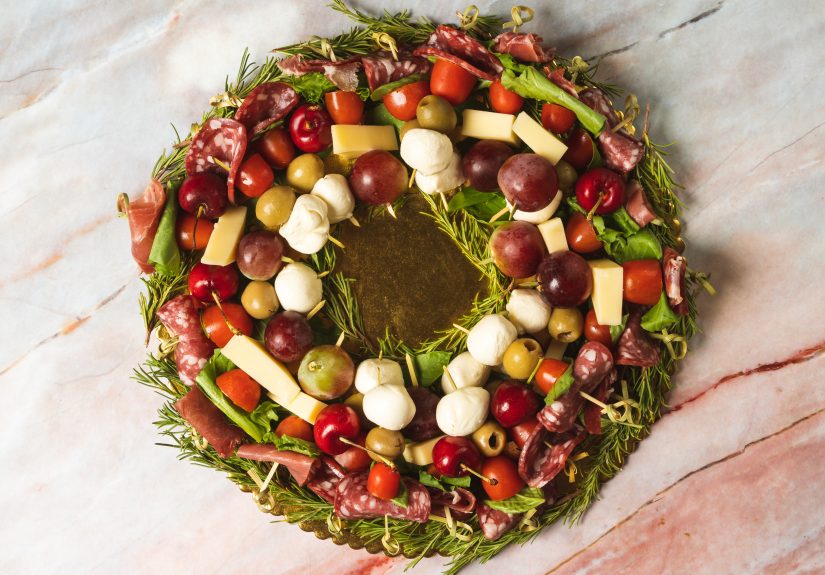
At its core, a charcuterie wreath is exactly what it sounds like: a holiday-inspired arrangement of meats, cheeses, crackers, fruit, nuts, and condiments styled into the shape of a wreath. It looks festive without requiring advanced culinary gymnastics, and it works for nearly every type of gathering, from a cozy family movie night to a full-scale holiday open house where people arrive wearing sequins and pretending they are “just stopping by for a minute.” They are not. They will stay. Feed them well.
The best part is that a charcuterie wreath doesn’t rely on a single recipe. It’s a format, not a rulebook. You can make it traditional, modern, budget-friendly, kid-friendly, vegetarian-leaning, extra luxurious, or wonderfully chaotic in a way that still looks curated. With the right balance of color, texture, and flavor, it becomes the kind of appetizer guests remember long after the gingerbread candles burn out.
Why a Charcuterie Wreath Works So Well for Holiday Entertaining
A great holiday appetizer has to do several jobs at once. It should be easy to serve, easy to eat, pretty enough to feel special, and flexible enough to satisfy different tastes. A charcuterie wreath checks every box with a cheerful little flourish.
First, it delivers immediate visual impact. The circular shape feels intentional and festive, especially when you use fresh herbs like rosemary or thyme to create that evergreen look. Even before anyone takes a bite, the board already says, “Yes, this host has their life together.” Whether or not that is true is nobody’s business.
Second, it encourages grazing. Holiday parties rarely move in a straight line. People arrive at different times, hover near the drinks, drift toward the kitchen, and chat in clusters. A charcuterie wreath supports that kind of relaxed movement better than a plated starter ever could. It lets guests snack at their own pace, which buys you time to finish dinner, refill glasses, or locate the serving spoon that vanished into another room.
Third, it balances indulgence with variety. Salty cured meats, creamy cheese, crisp crackers, bright fruit, briny olives, crunchy nuts, and sweet jam all work together to create the kind of contrast that keeps people going back for one more bite. It’s the appetizer version of a good holiday playlist: familiar enough to be crowd-pleasing, but with enough surprises to keep things interesting.
What to Put on a Charcuterie Wreath
The most successful wreath boards combine structure, contrast, and a sense of abundance. You do not need dozens of ingredients, but you do want enough variety to make the board feel full and thoughtful.
The Anchor Ingredients
Cheese: Include a mix of textures and milk types if possible. A soft option like Brie or Camembert adds richness. A semi-firm cheese such as Gouda or Havarti slices beautifully. A firmer cheese like cheddar, Manchego, or Parmesan brings sharper flavor and better structure. Cubes, wedges, slices, and crumbles all add visual variation.
Cured meats: Salami is the all-star here because it folds, fans, and stacks easily. Prosciutto brings a softer, ribbon-like texture. Soppressata, pepper salami, or coppa add boldness. If you want a broad-appeal board, stick to meats with familiar flavors and bring in just one spicier choice for contrast.
Greenery: This is what transforms a standard snack board into a wreath. Rosemary is especially effective because it looks like pine needles and smells like the holidays. Thyme, sage, or basil can help soften the edges and add extra dimension.
The Supporting Cast
Fresh fruit: Red grapes, green grapes, apple slices, pear slices, blackberries, and pomegranate arils add freshness and color. Use fruit strategically to create little pops of brightness around the board.
Dried fruit: Apricots, figs, dates, and cranberries bring chewiness and concentrated sweetness. They are excellent next to sharp cheeses and salty meats.
Crunchy elements: Candied pecans, Marcona almonds, pistachios, seeded crackers, and breadsticks help the board feel complete. This is also where you can add texture without spending much money.
Condiments: A small bowl of fig jam, whole grain mustard, pepper jelly, or hot honey at the center of the wreath creates a focal point and gives guests an easy flavor booster.
Briny bites: Olives, cornichons, pickled onions, and marinated artichokes cut through the richness and keep the board from leaning too heavy.
How to Build a Charcuterie Wreath Step by Step
- Choose your board. Use a large round platter, wooden board, or even a sheet pan lined with parchment and topped with a serving tray. If the board is too large for your ingredients, it will look sparse, so size matters.
- Place a small bowl in the center. This gives you a guide for the wreath shape and creates space for jam, dip, mustard, or olives. It also makes the board easier to assemble symmetrically.
- Lay down the herbs. Create a loose ring of rosemary and other greens around the inner and outer edges of the wreath. This gives instant holiday personality.
- Add the largest items first. Position cheese wedges, small cheese rounds, or folded piles of meat evenly around the ring. Think of these as your visual anchors.
- Fill in with medium items. Add clusters of grapes, stacks of salami, dried fruit, and small piles of nuts. Alternate colors and textures so no one section feels too similar.
- Tuck in the small details. Slip in olives, pomegranate seeds, crackers, and cornichons wherever there are gaps. Tiny elements are the secret to that “abundant but not messy” look.
- Finish with height and sparkle. Breadsticks, cracker fans, and little cheese shards create lift. A drizzle of honey, a few fresh cranberries, or a festive ribbon tied around the serving bowl can make the whole thing feel polished.
The goal is not perfect symmetry. In fact, charcuterie boards look best when they feel generous and slightly organic. You want “stylish holiday spread,” not “geometry homework.”
Flavor Combinations That Make the Board Better
A pretty board is nice, but a delicious board is memorable. The strongest charcuterie wreaths are built around contrast. Rich meats need something bright. Salty cheese needs sweetness. Crunchy crackers need creamy spreads. It is the contrast that keeps each bite exciting.
Here are a few easy combinations that consistently work:
Classic crowd-pleaser: Brie, sharp cheddar, Genoa salami, prosciutto, grapes, rosemary crackers, fig jam, candied pecans, and green olives. This is the safest choice for mixed groups and still feels special.
Sweet-and-savory holiday style: Gouda, goat cheese, soppressata, dried apricots, dates, pistachios, honey, apple slices, and cranberry preserves. Great for guests who love the sweet-meets-salty thing.
Bolder, grown-up version: Manchego, blue cheese, spicy salami, cornichons, marinated olives, quince paste, roasted almonds, and crisp pear slices. This one has more edge and works beautifully with wine-forward parties.
Budget-friendly but still beautiful: cheddar, mozzarella pearls, sliced salami, crackers, grapes, popcorn, pickles, mustard, and a handful of herbs. A board does not need luxury ingredients to look festive. Good arrangement does a lot of the heavy lifting.
How to Make Your Charcuterie Wreath Look Expensive
You do not need a specialty cheese shop budget to create a high-end effect. What matters more is how the ingredients are styled.
Fold salami into quarters and layer it into ruffles instead of laying slices flat. Cut hard cheese into a mix of cubes, triangles, and thin shards. Group items in clusters rather than spreading them evenly like confetti. Repeat colors around the board so the eye keeps moving. Use herbs generously, because greenery is cheap visual drama. And do not underestimate the power of one beautiful centerpiece item, like a small wheel of Brie, a ramekin of jam, or a honey dipper resting in the middle.
Also, avoid overcrowding too early. Start with the essentials, step back, and then fill gaps. A board that is packed with intention looks luxurious. A board that is crammed because panic set in at the last minute looks like a grocery bag exploded.
Make-Ahead Tips and Food Safety Rules
This is the practical part, but also the part that keeps your festive appetizer from becoming a regrettable memory. Because charcuterie wreaths include perishable foods like meat and cheese, temperature and timing matter.
Prep components ahead of time whenever possible. Slice cheese, wash fruit, portion nuts, and fold meats earlier in the day. Store everything in separate containers in the refrigerator so assembly goes quickly later. You can also arrange much of the wreath in advance, then add crackers and delicate garnishes just before serving so they stay crisp.
Keep perishable ingredients chilled until close to party time. If your gathering will stretch on, consider bringing out a smaller board first and refilling from the refrigerator instead of leaving the entire spread out for hours. That move is not only safer; it also keeps the board looking fresher.
Be mindful of cross-contamination in the kitchen. Ready-to-eat foods such as sliced cheese, fruit, crackers, and cured meats should be handled with clean hands, clean knives, and clean cutting boards. If you are also prepping raw meat for another dish, keep those tools and surfaces separate.
And yes, timing counts. Like other perishable party foods, meats, cheeses, cut fruit, and dips should not sit at room temperature too long. On especially warm days, they need even more attention. The holidays are for compliments, not food poisoning.
Common Mistakes to Avoid
Using only beige ingredients: Delicious? Maybe. Festive? Not exactly. A charcuterie wreath needs contrast, so bring in greens, reds, dark purples, and creamy whites.
Making it too meat-heavy: Charcuterie is important, but balance matters. Too much cured meat can make the board feel greasy and one-note. Fruit, cheese, nuts, and pickles keep it lively.
Ignoring texture: If everything is soft, the board feels flat. Add crackers, nuts, crisp fruit, or breadsticks to keep every bite interesting.
Skipping serving tools: Tiny spoons, cheese knives, cocktail picks, and spreaders make the board easier to enjoy. Guests should not need to perform appetizer surgery with a flimsy napkin.
Forgetting the audience: A beautiful board still has to be usable. If you are serving families, include familiar cheeses and simple crackers. If your crowd loves bold flavors, lean into blue cheese, hot honey, and spiced nuts.
The Holiday Experience: Why Guests Remember a Charcuterie Wreath
There is something unexpectedly warm about watching people gather around a charcuterie wreath. Unlike a plated appetizer that arrives and disappears in a few minutes, a wreath becomes part of the party’s rhythm. It sits at the center of the room like an edible conversation starter, inviting people to pause, point, ask questions, and build their own perfect little bite. That experience matters just as much as the ingredients.
At many holiday parties, the first few minutes can feel slightly awkward. Coats are being dropped in random bedrooms, someone is trying to decide whether to commit to a cocktail, and half the guests are pretending they are not hungry even though they skipped lunch “to save room.” A charcuterie wreath solves that instantly. It gives everyone something casual to do with their hands and something easy to compliment. Nobody feels trapped in formal hosting energy. The board softens the room.
It also creates those tiny, memorable moments that make a gathering feel alive. Someone discovers they love pepper jelly with sharp cheddar. Someone else builds a wildly ambitious cracker stack that should probably come with engineering approval. One guest carefully selects the “pretty” pieces, while another tears into the salami like they have been emotionally preparing for this moment since Thanksgiving. That range is part of the charm. A charcuterie wreath feels interactive without trying too hard.
From a host’s perspective, the experience is even better. Hot appetizers can be wonderful, but they demand timing, trays, reheating, and the kind of attention that keeps you tethered to the kitchen. A charcuterie wreath gives you breathing room. You can assemble it with care, set it out proudly, and then actually enjoy your own party instead of sprinting between the oven and the living room while apologizing for everything. There is real luxury in a dish that looks impressive yet asks so little from you once it is served.
It also adapts beautifully to the tone of the event. For a polished cocktail party, the wreath can look elegant and restrained, with Brie, prosciutto, rosemary, and jewel-toned fruit. For a cozy family gathering, it can lean playful and generous, piled with cheddar cubes, crackers, pretzels, grapes, and a sweet dip in the center. For office parties or neighborhood open houses, it works because people can take a quick bite, mingle, and come back later without missing a beat.
There is a sensory pleasure to it too. Rosemary gives off a fresh, woodsy aroma. Cheese softens slightly as it sits, becoming more flavorful and inviting. Crackers snap, nuts crunch, fruit bursts, and jam adds a glossy, sweet contrast. Even visually, the board keeps rewarding attention. It looks festive from across the room, but up close it reveals little details: folded ribbons of prosciutto, sparkling pomegranate seeds, the texture of a good cheddar, the shine on a marinated olive. It feels celebratory before anyone has taken a full bite.
Most importantly, a charcuterie wreath carries a kind of effortless generosity. It does not insist on perfection. It invites sharing, mixing, improvising, and snacking without ceremony. During a season that can sometimes become overproduced, that relaxed abundance feels refreshing. It says the party is meant to be enjoyed, not merely staged. And honestly, that may be the best holiday energy of all.
So if you want one appetizer that looks festive, tastes fantastic, fits the season, and makes your gathering feel instantly more welcoming, the answer is probably not another bowl of dip. It is a charcuterie wreath. Put one on the table and watch it do what all great party food should do: make people feel happy, comfortable, and just a little bit impressed.
Final Thoughts
A charcuterie wreath earns its place at a holiday party because it hits that rare entertaining sweet spot: easy enough for real life, beautiful enough for special occasions, and flexible enough to suit almost any crowd. It can be elegant or playful, classic or creative, rich or budget-conscious. As long as you build it with color, contrast, texture, and a little holiday spirit, it will do exactly what a festive appetizer is supposed to dobring people together and make the whole table feel more celebratory.
And that, in the end, is why this trend has real staying power. It is not just photogenic. It is practical. It tastes good. It invites conversation. It lets the host relax. It makes the room look instantly more festive. In other words, it is not just a pretty wreath. It is edible holiday strategy.