Table of Contents >> Show >> Hide
- What Is Intuitive Eating for Kids?
- Kids Are Natural Intuitive Eaters (Until We Train It Out of Them)
- Why Intuitive Eating Matters for Children
- Core Principles of Intuitive Eating for Kids (Dietitian-Style)
- 1. All Bodies Are Good Bodies
- 2. Food Is Not a Moral Issue
- 3. Honor Hunger
- 4. Respect Fullness
- 5. Discover Satisfaction
- 6. Feel Feelings Without Using Food as the Only Tool
- 7. Move for Joy, Not Punishment
- 8. Gentle Nutrition, Explained Simply
- 9. Respect Each Child’s Appetite and Growth Curve
- 10. Keep Mealtimes Predictable and (Mostly) Calm
- How to Practice Intuitive Eating with Kids by Age
- Common Worries Parents Have (and What a Dietitian Would Say)
- Helpful Scripts to Use at the Table
- When to Ask for Extra Help
- Real-Life Experiences with Intuitive Eating for Kids
- The Bottom Line
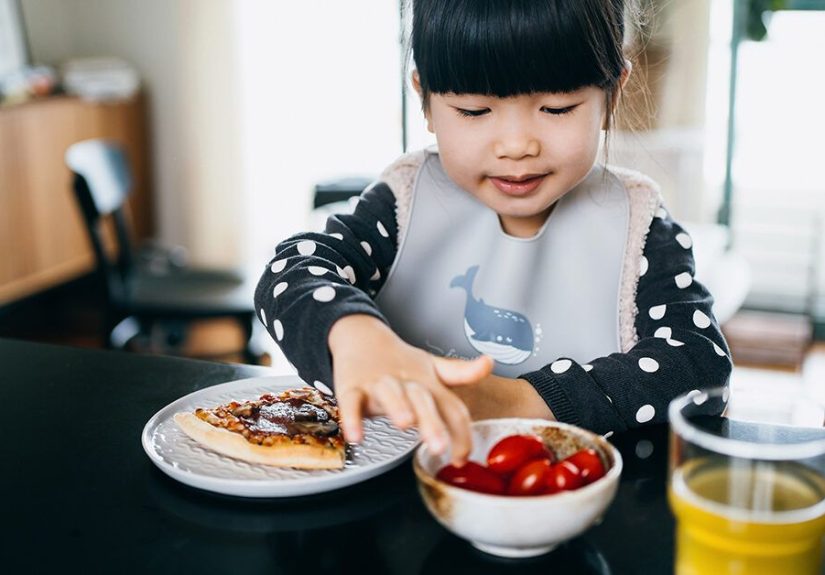
If you’ve ever watched a toddler demolish three strawberries, lick the cheese off a cracker, and then walk away like lunch never happened, you’ve seen intuitive eating in action. Kids are actually born knowing how to eat: they notice hunger, they stop when they’re full, and they don’t feel guilty about asking for a second cookie. The problem is that diet culture, food rules, and well-meaning pressure from adults often train that natural wisdom right out of them.
Intuitive eating for kids is about protecting and rebuilding that inborn body wisdom while still giving children the structure, nourishment, and boundaries they need to grow well. Think of it as a partnership: you provide the “what, when, and where” of eating, and they learn to listen to their bodies for the “if and how much.”
In this guide, a dietitian’s perspective walks you through what intuitive eating for kids really means, how it connects to the well-known Division of Responsibility in feeding, why it matters for your child’s physical and emotional health, and practical ways to use it at your tablewithout turning dinner into a psychology experiment.
What Is Intuitive Eating for Kids?
Intuitive eating is a non-diet approach that encourages people to notice internal hunger and fullness cues, enjoy food without guilt, and make choices that feel good physically and emotionally. For adults, that often means unlearning diet rules. For kids, it’s more about protecting the natural skills they already have.
When we talk about intuitive eating for children, we usually mean:
- Helping kids notice and trust hunger, fullness, and satisfaction.
- Keeping foods as morally neutral as possible (ice cream is not “bad,” broccoli is not “good” – they just do different jobs).
- Offering a variety of foods regularly, including fun foods, without using them as bribes or rewards.
- Respecting each child’s unique growth pattern instead of chasing a specific weight or body size.
- Using gentle nutritionteaching about nutrients and balance in age-appropriate, non-scary ways.
Importantly, intuitive eating for kids is not “let them eat whatever they want, whenever they want, forever.” Research and pediatric guidelines still emphasize the importance of structure, regular meals and snacks, and responsive feedingreading and respecting a child’s signals instead of forcing or restricting.
Kids Are Natural Intuitive Eaters (Until We Train It Out of Them)
Babies and Toddlers: Built-In Regulation
Babies cry when they’re hungry and turn away when they’re full. As they grow, toddlers may eat a giant breakfast, nibble at lunch, and practically ignore dinner. Over a few days, though, their intake usually balances out. Studies on responsive feeding show that when caregivers offer appropriate foods and respect “I’m done” signals, children learn to self-regulate and are less likely to struggle with overeating or chronic restriction later.
Problems start when adults override those signals with pressure:
- “Clean your plate before you can have dessert.”
- “You’re too big to be hungry again.”
- “You don’t need seconds; that’s too much.”
Over time, kids may learn that finishing the plate matters more than their fullness, or that wanting more is “wrong,” even when their bodies genuinely need fuel. Intuitive eating helps bring the focus back to those internal cues.
The Division of Responsibility: Your Job vs. Their Job
Many pediatric dietitians pair intuitive eating with the Division of Responsibility in feeding, a model developed by Ellyn Satter. In simple terms:
- Parents (or caregivers) are responsible for: what is served, when it’s served, and where it’s served.
- Kids are responsible for: whether they eat from what’s offered, and how much they eat.
This structure creates safety and predictabilitymeals and snacks show up on a routine schedule, in a relatively calm environmentwhile leaving room for the child’s body to decide how much it needs. That’s the sweet spot where intuitive eating for kids really thrives.
Why Intuitive Eating Matters for Children
Supporting intuitive eating in childhood isn’t just about peaceful dinners (though those are nice). Research links intuitive eating and responsive feeding with several long-term benefits:
- A healthier relationship with food: less guilt, shame, and sneaky eating; more enjoyment and flexibility.
- Better mental health: lower risk of disordered eating behaviors, dieting cycles, and extreme body dissatisfaction in adolescence and adulthood.
- Respect for body diversity: kids learn that bodies come in many shapes and sizes and that health is not determined only by weight.
- Improved self-regulation: children who are allowed to honor hunger and fullness cues are better at eating enough without over- or underdoing it.
- Calmer mealtimes for families: fewer power struggles, bribery schemes, and elaborate negotiations over “three more bites.”
In short, intuitive eating helps kids grow into adults who can feed themselves without needing a rulebook, an app, or a constant stream of “good” vs. “bad” judgments in their heads.
Core Principles of Intuitive Eating for Kids (Dietitian-Style)
The original intuitive eating framework for adults includes ten principles. For kids, dietitians often translate and simplify those ideas into something more age-appropriate and family-focused. Here’s a kid-friendly version:
1. All Bodies Are Good Bodies
Kids absorb how adults talk about bodies, including their own. Complaints about “my thighs,” jokes about “earning dessert,” or comments like “she’s too big to eat that” all teach kids that bodies are problems to be fixed. Instead, focus on what bodies can dorun, jump, hug, think, playrather than how they look. This sets the stage for intuitive eating by reducing shame around appetite or size.
2. Food Is Not a Moral Issue
Rather than calling foods “good” or “bad,” talk about what they do. Some foods give long-lasting energy, some help build strong muscles and bones, some are just fun and delicious. Children still need limits around when and how often sweets are offered, but attaching guilt or virtue to foods makes it harder for them to listen to their bodies.
3. Honor Hunger
Encourage kids to notice early signs of hunger: a growling stomach, feeling low-energy, getting cranky. Within a routine of meals and snacks, it’s reasonable to say, “Snack is after school,” but it’s also important to respond when your child says, “I’m really hungry.” Respecting their hunger signals teaches them that their body’s communication matters.
4. Respect Fullness
Instead of praising clean plates, try asking, “Is your tummy starting to feel full?” Give younger children language: “Does your belly feel empty, comfy, or too full?” Remind them that it’s okay to stop even if there’s food leftand okay to ask for more if they’re still genuinely hungry, when that fits with your family’s routine.
5. Discover Satisfaction
Satisfaction is the often-forgotten middle of eating. Kids should learn that it’s fine to enjoy food, take time to taste it, and notice which foods feel good in their bodies. Eating in a rush, with screens on and battles at the table, makes it harder to connect with satisfactionor to notice when they’ve had enough.
6. Feel Feelings Without Using Food as the Only Tool
Food can absolutely be comforting sometimes, but if it’s the only coping strategy, kids can start to eat mainly for emotional reasons. Help them name emotions (“You seem disappointed,” “That was scary”) and offer other tools: cuddles, talking, drawing, movement, or quiet time. Food can join the party; it just shouldn’t be the only guest.
7. Move for Joy, Not Punishment
Adults often frame movement as a way to “burn off” treats. Kids benefit more from seeing movement as fun: playing tag, dancing, biking, shooting hoops. When movement is about joy, not fixing their bodies, it supports the same body-trust that intuitive eating is built on.
8. Gentle Nutrition, Explained Simply
Children don’t need macro-counting lessons. They do benefit from simple messages like, “Protein helps your muscles grow,” or “Fiber helps your belly feel good,” or “We add fruits and veggies so your body gets lots of different helpers.” The goal is curiosity and understanding, not rules and fear.
9. Respect Each Child’s Appetite and Growth Curve
One child may eat like a bird at breakfast and eat big dinners; another might be constantly grazing. Growth charts help pediatricians monitor health over time, but those charts are a tool, not a grade. A child’s appetite can vary with growth spurts, illness, sleep, and activity. Intuitive eating means noticing patterns, not panicking over one “off” day.
10. Keep Mealtimes Predictable and (Mostly) Calm
Intuitive eating needs a container. Regular meals and snacks, served in roughly the same places, with as few distractions and as little pressure as possible, create a safe space for kids to experiment, explore, and listen to their bodies.
How to Practice Intuitive Eating with Kids by Age
Toddlers and Preschoolers
- Offer three meals and two to three snacks at predictable times.
- Serve one or two familiar “safe” foods with new or less-loved items.
- Let them decide what to eat from what’s offered and how much.
- Skip the “one more bite” negotiationstrust that intake balances over days, not meals.
- Use simple language like, “Your tummy will tell you when it’s full.”
Elementary School Kids
- Involve them in planning: “Should we have tacos or stir-fry on Tuesday?”
- Teach basic body cues: hunger (empty, low-energy), fullness (comfortable), too full (stomach ache).
- Practice neutral talk: “Cookies are yummy and give quick energy; chicken and rice help you stay full longer.”
- Avoid commenting on weight or how much they “should” eat; instead, ask what their body is telling them.
Tweens and Teens
- Talk openly about dieting culture, social media messages, and body image.
- Encourage flexible eating: yes to late-night pizza and yes to packing snacks for long practices or exams.
- Support them in planning their own balanced snacks and meals, especially as independence increases.
- If they express worry about weight or “good” vs. “bad” foods, respond with curiosity, not judgment, and consider looping in a dietitian or therapist if needed.
Common Worries Parents Have (and What a Dietitian Would Say)
“If I Let My Child Eat Intuitively, They’ll Just Eat Sugar All Day.”
This is the number one fear. And yes, when highly restricted foods suddenly become available, kids may go wild for a bitthat’s part of the process. Over time, though, when sweets are offered regularly but not used as bribes (“Eat your broccoli and you’ll earn dessert”), most kids start to treat them like just another food.
You still set boundaries: dessert might be once a day or a few times a week, served alongside meals, not as the golden prize at the end. The key shifts from “You have to earn this” to “This is part of normal eating.”
“My Child Is in a Larger Body. Isn’t Intuitive Eating Too ‘Loose’?”
Children come in a wide range of shapes and sizes, influenced by genetics, environment, and many factors beyond food alone. Research suggests that restrictive feedingpushing kids to eat less or dietoften backfires, increasing the risk of overeating, bingeing, and weight cycling later on.
Intuitive eating for kids in larger bodies still includes structured meals, plenty of movement, and a variety of foods. The difference is that the goal is overall health, comfort, and well-being, not shrinking the child to fit a chart or a cultural ideal.
“My Kid Is Extremely Picky. How Can They Eat Intuitively If They Only Accept Five Foods?”
Picky eating is common, especially in the toddler and early elementary years. Intuitive eating doesn’t mean giving up on exposure to new foods. It means:
- Offering small amounts of new foods alongside familiar ones, without pressure.
- Letting kids explore foods with their sensestouching, smelling, lickingwithout forcing a bite.
- Avoiding labels like “picky” in front of the child, which can become part of their identity.
Over time, many kids slowly expand their lists. For those with very limited diets, sensory issues, or anxiety around eating, a pediatric feeding specialist or dietitian can help.
“What About Kids in Sports or with Medical Conditions?”
Kids with higher energy needs (like competitive athletes) or medical conditions (such as diabetes, celiac disease, or food allergies) can still benefit from intuitive eating. They may need more nutrition education and planning, and some medically necessary structure around what and when they eat. The guiding question becomes, “How can we respect your body’s cues and keep you safe and well?” Working with a registered dietitian is especially helpful here.
Helpful Scripts to Use at the Table
Sometimes the hardest part is figuring out what to say in the moment. Here are some kid-friendly, intuitive-eating-aligned phrases:
- “You’re in charge of listening to your tummy. My job is to choose what we’re having.”
- “You don’t have to eat everything, but this is what’s for dinner.”
- “Does your belly feel empty, comfy, or too full right now?”
- “All foods can fit. Some help our bodies grow strong, some are mostly for fun, and both are okay.”
- “It’s okay to be disappointed that there isn’t more dessert. Your feelings make sense, and we’ll have it again another day.”
When to Ask for Extra Help
Intuitive eating is powerful, but it isn’t a magic wand. Reach out to your pediatrician and a pediatric dietitian if you notice:
- Rapid weight loss or gain without explanation.
- Intense fear of weight gain or strong body hatred.
- Frequent hiding or sneaking of food, or very rigid food rules.
- Pain, vomiting, or extreme distress around eating.
- Very limited accepted foods, especially if it affects growth or daily life.
Early support can make eating feel safer and more enjoyable for both kids and parents.
Real-Life Experiences with Intuitive Eating for Kids
It’s one thing to talk about intuitive eating in theory and another to picture it with real kids, real schedules, and real messes. Here are some composite examples that reflect what many families experience as they shift toward intuitive eating and responsive feeding.
The All-Day Snacker
Imagine a 5-year-old who seems to ask for snacks every 20 minutes. Their parent is exhausted from constant requests and worries the child is overeating. A dietitian suggests introducing a steady rhythm: breakfast, mid-morning snack, lunch, afternoon snack, dinner, and sometimes an evening snack.
The parent explains, “Food will be offered at these times. If you’re hungry then, you can fill up. Between snacks and meals, the kitchen is closed.” At first, the child pushes against the new routine. But over a week or two, they start eating more substantial amounts at snack and meal times. They learn to trust that more food is coming, so they don’t have to graze constantly “just in case.”
The parent, meanwhile, gets to drink coffee while it’s still hot. Everyone wins.
The Former “Picky” Eater
Another family has a 7-year-old who lives on chicken nuggets, crackers, and apples. They’re worried she’ll never learn to eat anything else. Trial-and-error pressure“three more bites,” “no dessert until you try the broccoli”has only made her dig her heels in harder.
With an intuitive-eating approach, the parents stop forcing bites and instead focus on exposure and curiosity. They continue serving a familiar safe food at each meal, but also add tiny portions of new foods, sometimes in fun shapes or with dips. They narrate neutrally: “These carrots are crunchy; they give your body vitamin A, which helps your eyes. You can try them if you want.”
For weeks, the carrots are ignored. Then one day, she quietly dips one in hummus and takes a nibble. No one cheers, claps, or announces it on social media. Her parents simply say, “What do you think?” Sometimes she likes the new food, sometimes she doesn’tbut the fear starts to shrink. Over months, her accepted list grows, not because she was forced, but because she had time and safety to explore.
The Overbooked Middle-Schooler
A 12-year-old has soccer practice, band, and homework. They come home starving, inhale snacks, and then have no interest in dinner. Their caregiver is frustrated: “You ruined your appetite again!”
A dietitian helps them map out the day. They add a more substantial after-school snack that includes protein, fiber, and fat (for example, yogurt with granola and fruit, or a turkey and cheese sandwich plus a cookie). Dinner is moved slightly later, and the family starts checking in: “Where are you on the hunger scaleempty, comfy, or too full?”
Over time, the child notices that skipping lunch makes them feel shaky at practice, while a decent lunch and a good snack help them feel stronger. Instead of being scolded, they’re invited to experiment and observe. Their body becomes a partner, not an enemy.
The Teen Navigating Body Image
A teenager in a larger body starts talking about wanting to diet because classmates are making comments. Their caregiver understandably wants to protect them, but doesn’t want to start a cycle of restriction and rebound eating.
Using an intuitive-eating lens, the conversation shifts away from “How do we make your body smaller?” to “How can we help you feel safe, respected, and strong in your body?” The family explores social media together, talks about weight stigma, and adds supportive adults to the teen’s circleperhaps a counselor or weight-inclusive dietitian.
They look at energy levels, mood, sleep, and satisfaction with meals. Together, they plan balanced snacks and meals that fuel school, sports, and hobbies. The focus stays on what the teen’s body can do and how they feel in it, rather than forcing strict food rules to earn acceptance.
None of these scenarios are perfect or neat, and none require parents to be flawless. Intuitive eating for kids is about building skills over time, making repairs when you slip into pressure or restriction, and remembering the big-picture goal: kids who trust their bodies, enjoy food, and grow into confident, competent eaters.
The Bottom Line
Intuitive eating for kids doesn’t mean ignoring nutrition, structure, or health. It means recognizing that kids are born with powerful internal cuesand that our job as adults is to protect, guide, and refine those cues, not steamroll them.
By providing predictable meals and snacks, offering a range of foods (including fun ones), talking about bodies and food in respectful ways, and listening when kids say “I’m hungry” or “I’m full,” you lay the foundation for a lifetime of flexible, peaceful eating. Think less “perfect plate” and more “relationship that lasts for decades.”
You don’t have to overhaul your entire routine overnight. Start with one small shift: dropping the clean-plate rule, adding a scheduled snack, or softening your language around sweets. Those small changes add up to something biga child who knows, deep down, that their body is worth listening to.
SEO JSON