Table of Contents >> Show >> Hide
- Step 1: Pick the Date, the Vibe, and the Guest List
- Step 2: Send Invitations That Actually Get RSVPs
- Step 3: Build a Friendsgiving Menu That Can’t Fail
- Step 4: Use a Foolproof Timeline (So Nothing Sneaks Up on You)
- Step 5: Set Up Your Space for Maximum Comfort (Not Maximum Perfection)
- Step 6: Potluck Logistics Everyone Forgets Until It’s Too Late
- Step 7: Add Activities That Feel Natural (Not Like Team-Building)
- Step 8: Food Safety, Leftovers, and Cleanup (The Unsexy Superpower)
- Conclusion: Host Like a Pro, Laugh Like a Friend
- of Real-Life Friendsgiving Lessons (So You Don’t Learn Them the Hard Way)
Friendsgiving is Thanksgiving’s cooler cousin: less family politics, more chosen-family chaos, and at least one person who insists they “don’t really cook”
before arriving with a suspiciously perfect pie. The goal is simple: host a Friendsgiving party that feels warm, generous, and funwithout you spending the
entire day pinned to the oven like it’s a high-stakes escape room.
This guide is built for real homes, real budgets, and real humans who sometimes forget they own zero serving spoons. We’ll cover invitations, potluck
strategy, a foolproof Friendsgiving menu, a prep timeline, easy decor, games that don’t feel like forced bonding, and food safety (because nobody wants a
stomachache as a party favor). By the end, you’ll have a simple plan, a calmer brain, and a table full of grateful friends.
Step 1: Pick the Date, the Vibe, and the Guest List
The secret to hosting Friendsgiving is deciding what kind of night you’re throwing before you start planning food. Is this a cozy sit-down dinner?
A potluck buffet where people graze like festive raccoons? A “we’ll eat whenever the oven is free” situation? No judgmentjust choose.
- Date: Weekends work best. Earlier than Thanksgiving helps avoid travel conflicts.
- Time: Start earlier than you think. People love a 4–5 p.m. start with snacks.
- Headcount: Be realistic about your space and seating. If you can’t seat everyone, go buffet-style.
- Format: Potluck Friendsgiving is the stress reducer. You host the “spine” of the meal; friends fill in the “ribs.”
Pro tip: set a vibe in one sentence“Casual potluck, cozy fall playlist, stretchy pants encouraged.” It’s amazing how much smoother everything goes when
expectations are clear.
Step 2: Send Invitations That Actually Get RSVPs
Friendsgiving planning falls apart when RSVPs trickle in like a leaky faucet. Your invite should be friendly, specific, and mildly bossy (in the lovable
way). Include:
- Who/what/where/when: address, parking notes, start time, and “food on the table at…” time
- Potluck details: what categories you need (apps, sides, desserts, drinks)
- Dietary notes: ask about allergies and restrictions up front
- RSVP deadline: yes, a deadlineyour oven needs clarity
If you’re doing a Friendsgiving potluck, use a sign-up list with categories (not “bring whatever”). That’s how you avoid ending up with five mashed potato
dishes and zero vegetables. Also: ask guests to bring their dish in a ready-to-serve container when possibleyour kitchen is not a public coworking space.
Step 3: Build a Friendsgiving Menu That Can’t Fail
A foolproof Friendsgiving menu has three goals: (1) tastes like the holiday, (2) doesn’t require a professional kitchen, and (3) leaves you time to hang
out with your friends instead of whispering “why” at a turkey.
The Smart Host Strategy: You Cover the “Core,” Guests Cover the “Glow”
The “core” is the stuff that makes dinner feel cohesive: a main dish (or two), gravy or a sauce, and maybe one reliable side you can make with your eyes
closed. The “glow” is everything elsesalads, fun sides, desserts, drinks, and snacky things people can nibble while you do the last-minute heating.
Here’s a balanced potluck framework that works for almost any group:
- Main: roast turkey breast, turkey meatballs, a ham, or a vegetarian centerpiece (stuffed squash, mushroom pot pie, etc.)
- Starches: stuffing/dressing, mashed potatoes, rolls or cornbread
- Vegetables: roasted Brussels sprouts, green beans, sweet potatoes, or a crunchy salad
- Something bright: cranberry sauce, citrusy salad, pickles, or a vinaigrette-based slaw
- Dessert: at least two options (pie + something chocolate is a crowd-pleaser)
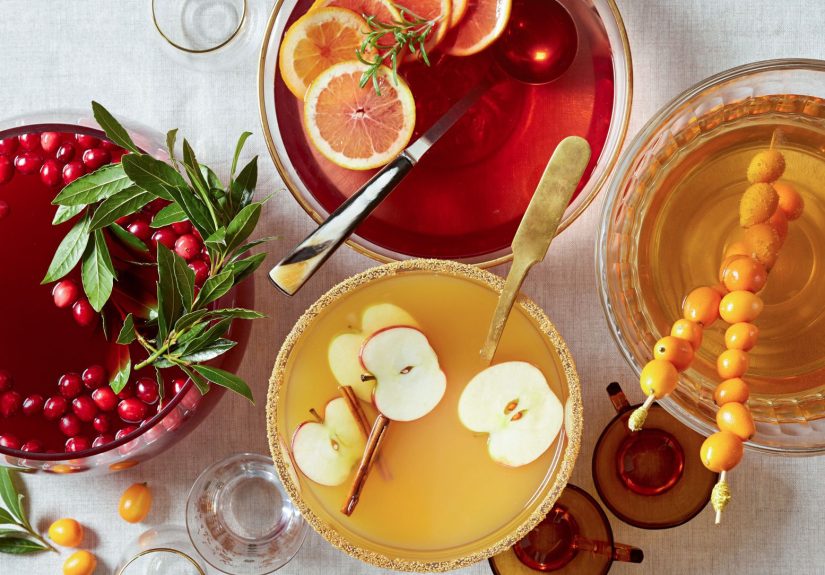
- Drinks: one signature batch drink + nonalcoholic options
The “Four Classics + One Wildcard” Rule
If you want tradition without boredom, do four classics (turkey-ish, stuffing, potatoes, pie) and one wildcard dish that feels like your friend groupmaybe
a spicy mac and cheese, dumplings, lumpia, or a giant snack board. It keeps the meal familiar but personal, which is exactly what Friendsgiving is about.
Make-Ahead MVPs (Because You Deserve Joy, Too)
Make-ahead dishes are the backbone of a stress-free Friendsgiving. Think casseroles, stews, stuffing, roasted vegetables, cranberry sauce, and many desserts.
Bonus points if they reheat well and travel well. If you’re hosting, pick at least two make-ahead items so day-of cooking is mostly reheating and arranging.
- Stuffing/dressing: assemble ahead and bake day-of.
- Cranberry sauce: make days ahead; it actually improves in the fridge.
- Mashed potatoes: yes, you can make them aheadreheat gently with warm dairy to restore fluffiness.
- Gravy: make it without pan drippings and reheat when needed (your future self will write you a thank-you note).
Also, build in “room-temp heroes” like salads, breads, dips, and pickles. They don’t compete for oven spaceunlike that one friend who shows up with an
unbaked casserole and a hopeful smile.
Dietary Needs Without Drama
A great host makes it easy for guests with allergies or dietary restrictions to eat well without awkward explanations. Do three things:
- Ask early: “Any allergies or dietary needs?” in the invite.
- Label dishes: quick tags like “contains nuts” or “gluten-free.”
- Guarantee at least two safe mains/sides: one vegetarian option and one gluten-free-friendly option is a solid baseline.
Step 4: Use a Foolproof Timeline (So Nothing Sneaks Up on You)
Hosting feels hard when everything is “do it now.” A timeline turns panic into a checklist. Here’s a simple Friendsgiving checklist you can steal:
One Week Before
- Confirm guest list, dietary restrictions, and potluck sign-ups.
- Choose your core menu and make a shopping list.
- Check supplies: plates, cups, utensils, serving spoons, foil, storage containers.
- Plan seating: dining table, extra chairs, or buffet + mingling zones.
2–3 Days Before
- Do the main grocery run (including ice, drinks, and snacks).
- Make cranberry sauce, pie dough, or desserts that keep well.
- Prep a make-ahead gravy or stock if you’re doing it.
- Clean the fridge to make room for platters and leftovers.
Day Before
- Chop vegetables, set out serving platters, and label what goes where.
- Set the table (or buffet station) and stage extra chairs.
- Make any dips, dressings, or apps that improve overnight.
- Chill drinks and fill a “snack zone” so guests can graze immediately.
Day Of
- Start with music and lighting. Your mood matters.
- Cook or reheat in waves: oven items first, then stovetop, then warm-holders.
- Put out apps 30–45 minutes before dinner time.
- Build the buffet: plates first, then mains, then sides, then sauces, then desserts.
Step 5: Set Up Your Space for Maximum Comfort (Not Maximum Perfection)
Friendsgiving decor doesn’t need a theme board. It needs warmth, enough places to set a drink, and lighting that doesn’t make everyone look like they’re
testifying in court.
- Go buffet-style: it keeps traffic moving and reduces “pass the gravy” chaos.
- Use dish labels: helps guests navigate and cuts down on questions when you’re busy.
- Layer light: lamps + candles + string lights = cozy.
- Seating hacks: folding chairs are your friends; cushions and throws make them feel intentional.
- Coat plan: pick a room or corner so your bed doesn’t become a jacket landfill.
A quick win: set up a self-serve drink station (water, ice, cups, wine opener, nonalcoholic option). Every time someone serves themselves, an angel gets its
wingsand you get five seconds back.
Step 6: Potluck Logistics Everyone Forgets Until It’s Too Late
Potlucks are magical until 10 people show up needing your oven at the same time. Prevent kitchen hostage situations with a few simple rules:
Assign Categories, Not Just Dishes
Instead of “bring a side,” assign categories like “vegetable side,” “salad,” “dessert,” “bread,” and “drinks.” If you want to get fancy, put one friend in
charge of all desserts and another in charge of beverages. Suddenly you’re hosting with a team, not a solo act.
The “No Kitchen Takeover” Policy
Ask guests to bring dishes that are ready to serve or only need minimal warming. Anything that requires baking for an hour should be coordinated in advance.
Your oven is not a timeshare.
Give Guests a Bring-This List
- Their dish in a serving container
- A serving spoon/ladle/tongs (seriously)
- Allergy notes or ingredient list if relevant
- A labeled container for leftovers (optional but brilliant)
- If hot: a plan to keep it hot (insulated bag, slow cooker) or a request for a warming spot
Step 7: Add Activities That Feel Natural (Not Like Team-Building)
The best Friendsgiving ideas create little momentsnot mandatory games that make introverts consider faking a phone call from their “dog’s therapist.”
Choose one or two easy options:
- Gratitude toast: keep it short and sincere. One sentence each is plenty.
- Gratitude jar: guests write notes; read a few after dessert.
- Low-stakes entertainment: background movies or cartoons while people linger.
- Board games or cards: set them out and let people opt in.
- Playlist handoff: let guests add a songinstant personality.
Step 8: Food Safety, Leftovers, and Cleanup (The Unsexy Superpower)
A truly foolproof Friendsgiving includes a basic food safety plan. Keep perishable foods out of the temperature “danger zone” for too long and you’re
gambling with everyone’s next day. The simple rules:
- Time: refrigerate perishables within 2 hours (1 hour if it’s hot outside).
- Temp: keep hot foods hot and cold foods cold; don’t let them linger at room temp.
- Reheat: reheat leftovers thoroughly (especially sauces, gravies, and meat dishes).
For turkey or poultry, use a thermometer and cook to a safe internal temperaturedon’t rely on vibes or pop-up timers. And skip washing raw turkey; it can
spread bacteria around your sink and counters.
Leftover Strategy That Prevents Chaos
Put out containers and a marker for labeling. Divide leftovers into smaller portions so they cool faster and store neatly. If you want to be wildly beloved,
send guests home with a “leftover kit” (stuffing + turkey + cranberry + a roll). It’s basically a take-home hug.
Cleanup Without Resentment
The fastest way to ruin the afterglow is making the host scrub everything alone. Create a casual cleanup crew:
- One person packs leftovers
- Two people load the dishwasher / wash dishes
- One person takes out trash and recycling
Say it like it’s normal (because it is): “Okay team, 10-minute reset and then we’re back to dessert.” Done.
Conclusion: Host Like a Pro, Laugh Like a Friend
A successful Friendsgiving isn’t measured by perfect gravy or matching napkins. It’s measured by how easy it feels to be together. If you choose a clear
format, organize the potluck, lean on make-ahead dishes, and set up your space for comfort, you’ll have a gathering that feels abundant without feeling
exhausting.
Keep the plan simple, the snacks flowing, and the expectations human. Your friends are coming for connectionnot a catered performance. And if something
goes sideways (it will), congratulations: you’re officially hosting a real Friendsgiving.
of Real-Life Friendsgiving Lessons (So You Don’t Learn Them the Hard Way)
My first time hosting Friendsgiving, I tried to do the “full Thanksgiving experience” in a kitchen roughly the size of a generous closet. I made a turkey,
stuffing, mashed potatoes, roasted vegetables, gravy, two desserts, andbecause I had temporarily lost touch with realityhomemade rolls. By the time the
first guest arrived, I was sweaty, holding a whisk like it was a microphone, and announcing to no one, “Everything is FINE,” the way people do right before
a small emotional collapse.
Here’s what I learned: the best Friendsgiving parties are not powered by heroics. They’re powered by systems. The next year I hosted, I
kept it simple: I made the main and gravy, and I assigned everyone categories. Suddenly the meal had variety, my oven stopped receiving urgent messages from
six different casseroles, and I got to actually sit down and talk to my friends instead of sprinting between the stove and the sink like a contestant on a
cooking show titled Oops All Timers Are Beeping.
Another lesson: serving tools are the silent deal-breaker. People will absolutely bring a beautiful dish and zero way to serve it. I now keep a “potluck
emergency kit” in a drawer: extra serving spoons, tongs, a ladle, a wine opener, foil, a Sharpie, and tape for labeling. It’s not glamorous, but it’s
basically my hosting security blanket.
Seating is the next sneak attack. One year I had exactly six chairs and invited ten people because I believed in optimism. We ended up with a charming but
slightly feral arrangement: two people on the couch, one on an ottoman, someone kneeling on a pillow, and a very happy guest who claimed the one sturdy
chair like it was beachfront property. Now I either borrow folding chairs or I plan buffet-style eating with scattered seating. Nobody expects a formal
dining room; they just want a place to land.
The biggest surprise? The moment that people remember is rarely the “perfect” dish. It’s the small ritual: a quick gratitude toast, a jar of handwritten
notes, the way everyone laughed when the gravy boat turned out to be a measuring cup. Friendsgiving works because it’s flexible. If the turkey is a little
dry, somebody will invent a sandwich plan. If the pie cracks, everyone will call it “rustic” and mean it. The more you treat Friendsgiving like a shared
hangand less like a performancethe more foolproof it becomes.