Table of Contents >> Show >> Hide
- Why the Nike mannequin controversy exploded so fast
- The bigger issue: who gets to look like an athlete?
- The backlash said more about culture than about Nike
- Why Nike’s move mattered in the world of athletic wear
- The social response was a story of its own
- Retail has a long history of getting body image wrong
- What the research adds to the conversation
- What Nike got rightand where brands still need to improve
- Experiences around the debate: what this looked and felt like in real life
- Conclusion
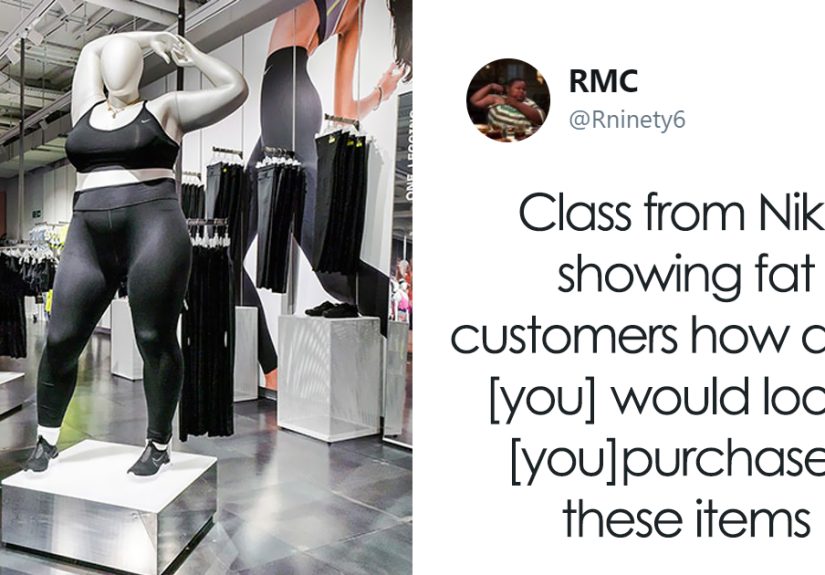
When Nike installed plus-size mannequins in its London flagship store, the reaction was immediate, loud, and wildly revealing. A few people treated the display like a public emergency, as though a plastic figure in workout leggings had personally challenged the laws of cardio. But the real story was never just about mannequins. It was about who gets to be seen as athletic, who gets to belong in fitness culture, and why a fuller figure in a sports store still manages to scramble some people’s brains.
On the surface, the controversy looked simple: Nike added plus-size mannequins, critics complained, and the internet did what the internet does bestturned up the volume until everyone within a five-mile radius had an opinion. Underneath that noise, though, sat a much more important conversation about body inclusivity, retail representation, fitness marketing, and the old habit of confusing appearance with worth, discipline, or health. In other words, this was not really a mannequin story. It was a mirror story.
Why the Nike mannequin controversy exploded so fast
Nike’s London store introduced more size-inclusive displays as part of a broader redesign focused on women. The mannequins were not just plus-size; the store also included para-sport mannequins, making the visual message even clearer: sport is not reserved for one body type, one physical ability, or one narrow idea of what an athlete is “supposed” to look like.
That should have been a routine retail update. Instead, it became a culture-war skirmish. A sharply critical newspaper column framed the plus-size mannequin as proof that society had gone soft on health. That argument quickly spread because outrage travels faster than nuance, and nothing fuels the internet quite like a mix of body anxiety, moral judgment, and the opportunity to feel loudly correct from the comfort of a phone screen.
But the backlash was never one-directional. Yes, some people attacked Nike for installing plus-size mannequins. Yet just as quickly, a much broader wave of response pushed back against the criticism itself. Social media users, writers, athletes, and advocates pointed out the obvious: people in larger bodies exercise, run races, lift weights, attend spin classes, buy leggings, and deserve clothing that fits without being treated like a public health debate in human form.
That was the twist in the story. The headline suggested Nike had made a controversial move. In reality, Nike exposed an existing discomfort that had been sitting in plain sight for years. The controversy did not come from a mannequin being unrealistic. It came from a mannequin being realistic in a way some people were not ready to acknowledge.
The bigger issue: who gets to look like an athlete?
For decades, fashion and fitness retail leaned heavily on one visual formula: slim, toned, impossibly symmetrical, and just abstract enough to feel less like a person than a fantasy with kneecaps. Traditional mannequins often suggested that the “correct” body was narrow, sculpted, and suspiciously unbothered by carbohydrates. The result was not just bad realism. It was exclusion dressed up as merchandising.
Nike’s plus-size mannequins disrupted that formula. They suggested that workout clothes are not only for already-thin people. That matters because retail displays do more than show a product. They signal who the product is for. A mannequin is a silent salesperson. It tells you, without saying a word, whether you are invited in or subtly expected to keep walking.
For many shoppers, especially women who have spent years being told to lose weight before they are “allowed” to feel stylish, sporty, or visible, the presence of a plus-size mannequin carried a simple but powerful message: you do not have to transform into someone else before buying a sports bra.
That is why the display resonated. It was not about pretending every body is the same. It was about ending the retail fiction that only one kind of body deserves to be represented in athletic spaces.
The backlash said more about culture than about Nike
Representation still makes some people uncomfortable
One reason this story gained traction is that body representation remains oddly controversial. Thin mannequins have long been treated as normal, even when they distort reality. But the second retail becomes more inclusive, some critics suddenly discover a passionate interest in “accuracy,” “health,” and “social responsibility.” Funny how that works.
The cultural double standard is hard to miss. When brands exclude larger bodies, they are called aspirational. When brands include larger bodies, they are accused of sending the wrong message. That contradiction reveals the real problem: for some observers, the objection is not truly about wellness. It is about visibility. They are less disturbed by health risk than by the idea that larger people might exist in public without apology.
The health argument often gets oversimplified
This is where the debate tends to wobble into bad logic. Critics framed the mannequin as if displaying a larger body meant celebrating poor health. But body size alone does not tell the whole story about a person’s fitness, habits, or medical condition. That does not mean health never matters. It obviously does. It means the conversation is more complex than “thin equals healthy” and “fat equals unhealthy,” which is the kind of kindergarten-level framework adults should have retired a long time ago.
There is also a practical problem with the criticism. If people in larger bodies are repeatedly told to become more active, why would a brand offering them workout clothing be treated like a villain? You cannot demand participation in fitness and then panic when athletic wear is made for more bodies. That is not public health. That is gatekeeping in sneakers.
Why Nike’s move mattered in the world of athletic wear
Nike was not inventing plus-size activewear out of thin air. The brand had already expanded sizing and, at the time, was publicly associated with plus-size offerings up to 3X. What changed in London was not only the product selection but the visual acknowledgement of that customer base. The mannequins made the inclusion visible.
And visibility matters in fitness retail more than brands sometimes admit. The gym, the running store, and even the athleisure aisle can feel intimidating for people who have been mocked, stared at, or made to feel like they are in the wrong place. A more representative display does not solve all of that, but it helps. It lowers the emotional toll of entering a space that has often catered to one aesthetic and called it universal.
It also nudged the sportswear industry toward honesty. Real customers do not arrive in one shape. They do not all have matching shoulders, identical waistlines, or the mysterious mannequin superpower of standing forever without needing water. A retail floor that reflects actual customers is not radical. It is competent.
The social response was a story of its own
What made the Nike London backlash especially memorable was how many people responded with lived experience instead of abstract ideology. Women posted about running races, training consistently, and looking more like the plus-size mannequin than the traditional one. One response that gained attention came from a woman who said she resembled the mannequin and had completed a 10K, a half marathon, and a marathon. That single example cut through the debate better than a hundred think pieces ever could.
Public figures also defended the display. Celebrities and advocates argued that shaming larger bodies out of representation does not improve anyone’s health; it simply reinforces an exclusionary standard. The defense of Nike was not blind brand worship. No one was building a shrine out of leggings and swooshes. The support came from a broader recognition that seeing different bodies in athletic contexts can be affirming, motivating, and overdue.
In that sense, the controversy became a case study in how representation works. People who already feel centered often see inclusive marketing as optional. People who have gone unseen for years understand it as a form of recognition.
Retail has a long history of getting body image wrong
The Nike moment did not happen in a vacuum. Fashion has repeatedly been criticized for using mannequins and models that reinforce narrow body ideals. Years earlier, another retailer faced backlash for extremely thin mannequins that many shoppers felt promoted unhealthy standards. That history matters because it shows how selective public outrage can be. Unrealistic thinness has often been normalized as stylish, while realistic diversity gets treated like a scandal.
That imbalance helps explain why Nike’s mannequins hit such a nerve. They interrupted a visual tradition that had long passed as neutral. But “neutral” in fashion usually means “familiar to people already represented.” Once a broader range of bodies appears in the frame, the old default stops looking natural and starts looking what it was all along: limited.
What the research adds to the conversation
Exercise benefits are not reserved for one body type
Public health guidance emphasizes that physical activity benefits people across body sizes. That point is important because it reframes the debate. A store display should not be judged by whether it flatters someone else’s preferred body ideal. It should be judged by whether it welcomes people into healthier, more active, and more confident lives. A shopper does not need to look like a magazine cover before deserving moisture-wicking fabric.
Shame is a terrible coach
Research on weight stigma adds another layer. Studies reviewed in medical literature have linked weight stigma with poorer health behaviors and lower engagement in physical activity. That does not mean representation is a magic cure, but it does mean humiliation is a terrible motivational strategy. Shame can silence people, isolate them, and make movement feel like punishment rather than empowerment.
So when critics claim that excluding larger bodies from athletic imagery somehow promotes health, they are standing on shaky ground. If anything, a more welcoming fitness culture is more consistent with helping people participate, not less.
What Nike got rightand where brands still need to improve
Nike got one major thing right: it made inclusivity visible in a space where visual messaging matters. The mannequins suggested that larger customers are not an afterthought hidden in a back corner with two sad black T-shirts and a motivational slogan. They are part of the main floor. That distinction matters.
At the same time, one smart retail decision does not automatically solve representation. Brands still have work to do on size range consistency, fit quality, campaign diversity, and the difference between a headline-making gesture and a sustained commitment. Shoppers can tell when inclusivity is structural and when it is just decorative. A mannequin may open the door, but product availability, pricing, and long-term marketing are what prove a brand means it.
Still, the London display mattered because it moved the conversation forward. It forced people to confront an uncomfortable question: if fitness is supposedly for everyone, why does seeing everyone still look so strange to some consumers?
Experiences around the debate: what this looked and felt like in real life
To understand why the Nike London plus-size mannequins struck such a chord, it helps to step away from headlines and picture the ordinary experiences orbiting the story. For many shoppers, this was not an abstract media argument. It was personal. It was the feeling of walking into a store, scanning the room, and realizing that for once the body on display looked a little closer to your own.
That kind of moment lands differently when you have spent years shopping in spaces that act like your body is a logistical inconvenience. Some women described feeling seen. Not flattered, not patronized, not “bravely included,” just seen. That is a smaller and more meaningful word. It means the store finally acknowledged what reality already knew: women who wear larger sizes also run errands, run intervals, run races, and occasionally run out of patience.
There was another kind of experience happening at the same time: the experience of recognition mixed with frustration. Plenty of people were glad Nike made the visual shift, but they were also tired that it took so long for something so basic to be treated like front-page material. A plus-size mannequin should not feel revolutionary in modern retail. Yet because fashion has historically made larger bodies either invisible or symbolic, even modest representation can feel like a cultural event.
Then there were the people responding online with their own athletic histories. Their reactions were not theoretical. They were practical, almost weary in tone, as if saying: hello, yes, some of us have been doing squats this whole time. The viral responses from women who had completed races or trained consistently while resembling the mannequin cut through the nonsense because they exposed how flimsy the stereotype really was. The idea that one body type owns discipline or stamina has always been more fantasy than fact.
Even shoppers who were not plus-size often recognized the broader point. Inclusive representation does not erase anyone else. A fuller mannequin does not confiscate a thinner one in the night like some retail-themed action movie. It simply widens the picture. For many customers, that felt like common sense. For others, it was apparently the end of civilization. Retail can be dramatic that way.
And perhaps that is the most telling experience of all: the whiplash between how normal the display looked in person and how explosive it became online. In a store, it was a mannequin in workout wear. On the internet, it became a referendum on health, morality, and culture. That contrast says a lot about modern public debate. Sometimes the object itself is not especially radical. What is radical is that it interrupts a bias people had mistaken for normal.
In the end, the lived experience surrounding this controversy was not really about plastic figures. It was about permissionpermission to shop without shame, to exercise without qualifying for someone else’s approval, and to exist in a fitness space without first passing a visual audition. That is why the story lasted. People recognized themselves in it, whether as the shopper finally included, the athlete tired of stereotypes, or the observer realizing how much body politics still shapes everyday life.
Conclusion
The uproar over Nike’s plus-size mannequins in London revealed something bigger than brand backlash. It exposed how deeply body politics still shapes fashion, fitness, and public opinion. Nike did not create that tension. It simply put it under bright store lighting where nobody could pretend it was not there.
In the end, the strongest takeaway is not that mannequins matter more than people. It is that representation changes how people move through the world. A more inclusive display will not fix body stigma overnight, but it can chip away at an old message that says athletic identity belongs only to the visibly thin. The better messageand the smarter one for retail, culture, and common senseis this: movement is for everybody, and sportswear should be too.