Table of Contents >> Show >> Hide
- First, a quick reality check (because symptoms are unreliable narrators)
- Timeline overview: HIV stages in plain English
- Day 0 to ~Day 10: Exposure and the “nothing seems different” phase
- ~Week 2 to ~Week 6: Acute HIV infection (primary infection)
- ~Month 2 to Years: Chronic HIV (clinical latency)
- Years later without treatment: Symptomatic HIV and advanced disease
- Stage 3: AIDS (Acquired Immunodeficiency Syndrome)
- The testing timeline: when can tests actually detect HIV?
- What changes the symptom timeline?
- If you think you were exposed: what to do (calm, practical steps)
- When to seek urgent medical care
- Living with HIV today: the “good news” section
- Conclusion
- Experiences people often share along the HIV symptom timeline (about )
If HIV progression were a movie, it would be the kind with a sneaky villain: quiet for a while, then suddenly dramatic if it’s ignored. But here’s the twistthis is one of the few “villain stories” where modern medicine can flip the script hard. With testing and treatment, many people live long, healthy lives, and the “progression” part can stall out for good.
This guide walks through how HIV symptoms can show up over timewhat’s typical, what’s not, and why your body doesn’t always follow a neat schedule. (HIV does not send calendar invites. Rude.)
First, a quick reality check (because symptoms are unreliable narrators)
HIV symptoms vary a lot. Some people have noticeable early symptoms. Others have none. Many early symptoms mimic common illnesses like the flu, strep, mono, or “I definitely should’ve gone to bed earlier.” That’s why symptoms alone can’t confirm HIVand can’t rule it out either.
- You can have HIV with no symptoms (especially for years).
- You can have symptoms and not have HIV (because bodies love being mysterious).
- The only way to know is testing.
Timeline overview: HIV stages in plain English
Clinicians usually describe HIV progression in three stages (without treatment): acute HIV, chronic HIV (clinical latency), and AIDS. Symptoms tend to cluster around the first stage and later stageswhile the middle can be deceptively quiet.
Day 0 to ~Day 10: Exposure and the “nothing seems different” phase
Right after HIV enters the body, it begins replicating. But most people feel completely normal at first. This early stretch is sometimes called an “eclipse period” in testing discussionsmeaning the virus is there, but typical lab markers haven’t ramped up enough to be detected by many tests yet.
What you might feel
Usually: nothing. Which is exactly why relying on “how you feel” is a bad plan.
What’s happening biologically
The virus is multiplying and spreading, but your immune system hasn’t fully sounded the alarm. Symptoms generally come lateroften when the immune response kicks in more aggressively.
~Week 2 to ~Week 6: Acute HIV infection (primary infection)
This is the stage most people mean when they say “early HIV symptoms.” It often begins within a few weeks after infection. HIV is replicating rapidly, and many people have a flu-like illness called acute retroviral syndrome. Not everyone gets symptomsbut many do.
Common acute HIV symptoms
Think of these as “your immune system is throwing a noisy party” symptoms. Common ones include:
- Fever and chills
- Fatigue (the “why am I tired after breathing?” kind)
- Sore throat
- Swollen lymph nodes (often neck, armpits, groin)
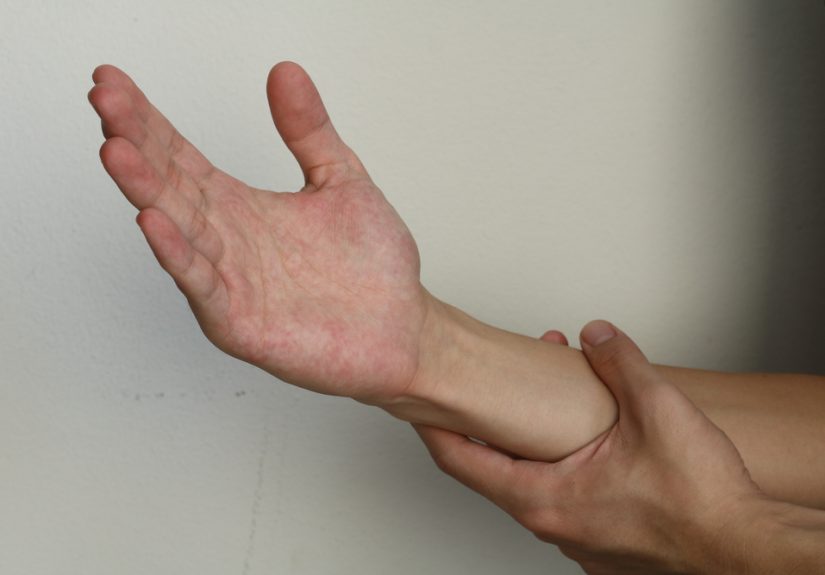
- Rash
- Headache
- Muscle aches and joint pain
- Night sweats
- Mouth ulcers or sores (sometimes)
- Diarrhea (sometimes)
How long do acute symptoms last?
Acute symptoms may last just a few days or stretch a few weeks. They can come and go. Some people feel “sick, then fine,” and assume the story ended. It didn’tHIV can continue damaging the immune system quietly afterward if untreated.
A specific example (typical, not diagnostic)
Someone might develop fever, fatigue, sore throat, and a rash about three weeks after a possible exposure. It looks like the fluso they rest, hydrate, and it fades in a week. That pattern can fit acute HIV… or a dozen other everyday viruses. The difference-maker is a test, not a guess.
~Month 2 to Years: Chronic HIV (clinical latency)
After the acute stage, HIV often enters a long period sometimes called clinical latency. Symptoms may be minimal or absent. Many people feel healthywhile HIV continues replicating at lower levels and slowly weakens immune defenses over time if untreated.
What you might notice during clinical latency
- No symptoms at all (very common)
- Occasionally: swollen lymph nodes that persist
- Sometimes: mild, recurring issues that are easy to shrug off
What’s happening “under the hood”
HIV targets CD4 cells (a key immune cell). Over time, untreated HIV can reduce CD4 counts and increase vulnerability to infections. This doesn’t happen on a single, predictable scheduleprogression varies widely.
Important note: treatment changes everything
With effective antiretroviral therapy (ART), viral load can drop to undetectable levels, immune function can rebound, and progression toward AIDS can be prevented. For many people on treatment, the “timeline” becomes more like: diagnosis → treatment → stable health.
Years later without treatment: Symptomatic HIV and advanced disease
If HIV isn’t treated, symptoms are more likely to appear as immune damage accumulates. People may develop more frequent, more severe, or unusual infections. This is sometimes described as “symptomatic HIV” or “advanced HIV.”
Symptoms that can show up as immune function declines
- Persistent fatigue
- Unexplained weight loss
- Recurring fevers or night sweats
- Chronic diarrhea
- Oral thrush (yeast infection in the mouth)
- Shingles (herpes zoster)
- Frequent respiratory infections or pneumonia
- Skin issues (rashes, slow-healing sores, recurring infections)
- Swollen lymph nodes that don’t resolve
These symptoms are still not exclusive to HIVmany conditions can cause them. But they’re a big signal to get checked, especially if testing hasn’t been done.
Stage 3: AIDS (Acquired Immunodeficiency Syndrome)
AIDS is the most advanced stage of HIV infection. Clinically, it’s defined by specific opportunistic infections and/or a very low CD4 count (often referenced as under 200 cells/mm³). This is where the immune system is severely compromised.
What AIDS-related illness can look like
Symptoms depend on the opportunistic infection or condition involved. Examples can include:
- Severe or recurrent pneumonia
- Persistent fungal infections (like thrush spreading beyond the mouth)
- Neurologic symptoms from certain infections (confusion, severe headaches, balance issues)
- Unexplained, ongoing fever
- Significant weight loss
- Some cancers linked to immune suppression (like Kaposi sarcoma or certain lymphomas)
The key takeaway: AIDS is preventable with testing and treatment. Many people diagnosed with HIV today never develop AIDS, especially when ART is started early and taken consistently.
The testing timeline: when can tests actually detect HIV?
Here’s the part most “symptom timelines” forget: symptoms are optional, but testing has predictable detection windows. Different tests detect HIV at different times after exposure.
Common detection windows (typical ranges)
- Nucleic acid test (NAT): can often detect HIV about 10–33 days after exposure.
- Lab antigen/antibody test (blood from a vein): often detects HIV about 18–45 days after exposure.
- Rapid antigen/antibody test (fingerstick): often detects HIV about 18–90 days after exposure.
- Antibody-only tests (many rapid/self-tests): often detect HIV about 23–90 days after exposure.
What this means in real life
If you test “too early,” you might get a negative result even if infection occurred. That doesn’t mean the test is bad it means your body hasn’t produced detectable markers yet. The safest approach is to test at an appropriate time and retest if recommended by a clinician or testing site.
What changes the symptom timeline?
A lot. HIV progression isn’t one-size-fits-all. Factors that can shift the timeline include:
- Starting ART early: can prevent immune damage and stop progression.
- General health and co-infections: other infections can blur symptom interpretation.
- Individual immune response: some bodies produce noticeable symptoms; others stay quiet.
- Access to care: earlier diagnosis usually means better long-term outcomes.
If you think you were exposed: what to do (calm, practical steps)
- Don’t wait for symptoms. If there’s a possibility of exposure, testing is the move.
- Ask about PEP if it’s recent. Post-exposure prophylaxis (PEP) is time-sensitive and is generally most effective when started as soon as possible, within a short window after exposure. A healthcare professional can tell you if it’s appropriate.
- Choose the right test at the right time. A clinic can help match test type to timing.
- If you’re negative but still in the window period, retest. This is common and normal.
- If you’re positive, start care quickly. Treatment worksand starting sooner is better for your health.
When to seek urgent medical care
Most early symptoms of HIV are not emergencies by themselves. But you should seek prompt medical attention if you have:
- Difficulty breathing, chest pain, or severe shortness of breath
- Severe, persistent fever
- Confusion, fainting, severe headaches, or neurological symptoms
- Signs of serious dehydration (especially with prolonged vomiting/diarrhea)
- Any severe symptoms if you have known immune suppression or an untreated HIV diagnosis
Living with HIV today: the “good news” section
Effective ART can reduce HIV in the blood to an undetectable viral load. This protects health and, when viral suppression is maintained, means there is zero risk of transmitting HIV to sexual partners (often summarized as U=U: Undetectable = Untransmittable).
Translation: HIV is serious, but it’s also manageable. The most powerful timeline is the one that starts with testing and leads to treatment, because that timeline can stay stable for decades.
Conclusion
HIV symptom progression isn’t a neat checklistsome people have a noticeable flu-like phase, many have long symptom-free years, and later symptoms can vary depending on immune health and other factors. The most reliable “timeline tool” isn’t symptom tracking; it’s testing.
If you think you may have been exposed, get tested based on the appropriate window period, and seek medical advice about the best next steps. And if HIV is diagnosed, starting ART early can protect your immune system, help you stay healthy, and prevent progression to AIDS.
Experiences people often share along the HIV symptom timeline (about )
People’s lived experiences with HIV often don’t match the dramatic “textbook timeline” they expected. A common theme is surpriseeither because early symptoms felt like “just a cold,” or because there were no symptoms at all. Some describe a short, intense bout of feeling unwell a few weeks after a risky moment: fever, sore throat, swollen glands, body aches, and a rash that made them wonder if it was allergies, stress, or a random virus. When those symptoms cleared, many felt relieved and assumed it was over. That relief can be misleadingHIV can continue quietly without treatment.
Others report the opposite experience: no early illness, no warning signs, just life as usual. For them, the first “symptom” wasn’t physicalit was a routine test result during a checkup, blood donation screening, or an STI panel. That’s why many clinicians emphasize testing as a normal health habit, not something reserved for when you feel sick. People often say they wish they had tested soonernot out of regret, but because earlier clarity would have reduced weeks (or months) of anxious guessing.
After diagnosis, many people describe an emotional rollercoaster: fear, confusion, and a sudden urge to Google everything at 2 a.m. (Relatable, but not always helpful.) Those who get linked to care quickly often share a different turning point: learning that HIV treatment is highly effective and that “undetectable” is a real, measurable goal. Starting ART can feel like gaining control againless “mystery illness” and more “manageable health plan.” People commonly say their biggest surprise was how normal life became once treatment was steady: energy improved, lab numbers stabilized, and the constant worry eased.
Some experiences involve navigating stigma, which can be heavier than the virus itself. People may hesitate to tell partners, friends, or even a new doctoruntil they find supportive care. Many share that talking to a knowledgeable clinician (or a trusted HIV counselor) helped replace myths with facts: you can live a long life, you can have healthy relationships, and with sustained viral suppression you can’t transmit HIV sexually (U=U). That knowledge often becomes a confidence reset button.
Finally, people frequently emphasize something simple: it’s okay to ask for help. Whether it’s figuring out what kind of test you need, understanding a “window period,” starting medication, or finding emotional support, you don’t have to handle it alone. The most positive “progression” story isn’t about symptoms getting worseit’s about getting answers, getting treatment, and getting back to living.