Table of Contents >> Show >> Hide
- Why Homeowners Love This Vanity Upgrade
- Before You Buy Wood Feet, Check These Things First
- Best Types of Wood Feet for a Bathroom Vanity
- Tools and Materials You May Need
- How to Add Wood Feet to a Bathroom Vanity
- Step 1: Remove doors and inspect the base
- Step 2: Measure carefully and choose the reveal
- Step 3: Add blocking or a false base if needed
- Step 4: Dry-fit the feet and check height
- Step 5: Sand, patch, and prep the wood
- Step 6: Paint or stain the feet
- Step 7: Seal the finish for bathroom conditions
- Step 8: Attach the feet securely
- Step 9: Caulk where water might intrude
- How to Protect Wood Feet in a Humid Bathroom
- Common Mistakes to Avoid
- Design Ideas That Work Especially Well
- When You Should Not Add Wood Feet
- Experiences From Real Bathroom Vanity Upgrades
- Conclusion
A bathroom vanity without feet is perfectly fine. A bathroom vanity with wood feet, however, looks like it got promoted. Suddenly, that plain cabinet starts acting like a custom furniture piece with opinions about brass hardware and linen hand towels.
That is exactly why this upgrade has become so popular. Adding wood feet to a bathroom vanity can make a builder-grade cabinet look warmer, more intentional, and far more expensive than it really is. It can also visually lighten a bulky vanity, create a freestanding furniture look, and help the room feel less like a box full of rectangles.
But this project is not just about screwing on four pretty legs and calling it a day. Bathrooms are humid. Floors are sometimes uneven. Plumbing is not known for being cooperative. And vanities need to stay level, sturdy, and securely fastened. So if you want a result that looks polished instead of “weekend experiment with consequences,” you need a solid plan.
This guide walks through how to add wood feet to a bathroom vanity, what to check before you start, which styles work best, how to protect the wood from moisture, and what mistakes to avoid. By the end, you will know whether your vanity is a good candidate for the upgrade and how to make it look custom instead of cobbled together.
Why Homeowners Love This Vanity Upgrade
The biggest reason people add wood feet is simple: it changes the silhouette. A standard vanity base often has a closed, blocky shape. Add wood feet, and the whole piece feels lighter and more furniture-inspired. Design sites have shown this look repeatedly in vintage-style, farmhouse, traditional, and even modern bathrooms because it adds character without requiring a full remodel.
It also gives you flexibility. You can go with chunky bun feet for a classic look, turned feet for a cottage or traditional style, or tapered legs for something cleaner and more modern. In other words, the feet do not just support the vanity. They support the vibe.
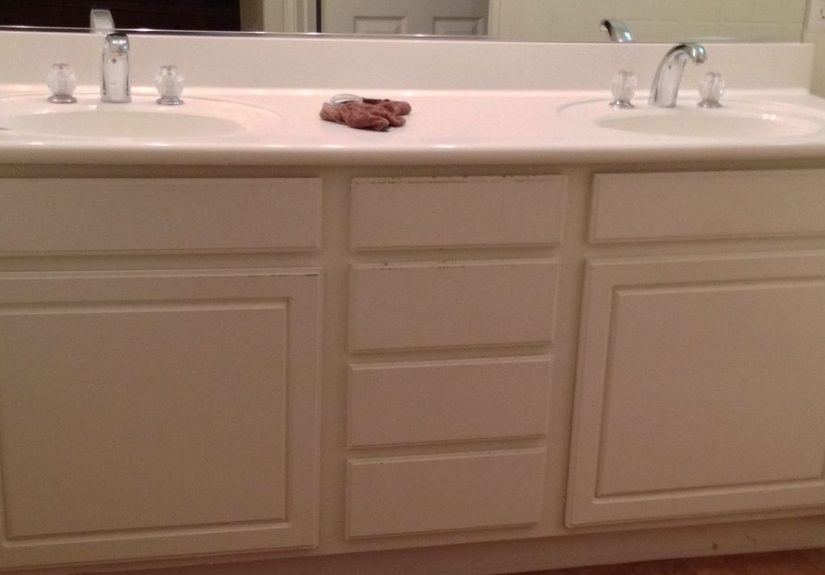
There is also a practical design benefit. Raising the base slightly can make the vanity easier to clean around, especially if you are replacing a flat toe-kick look with a more open furniture profile. That said, this only works when the vanity remains stable, level, and appropriate for the room’s layout.
Before You Buy Wood Feet, Check These Things First
1. Is the vanity structurally solid?
Not every vanity is a good candidate. Solid wood and plywood vanity boxes usually give you more reliable attachment points than flimsy particleboard units that seem one aggressive sneeze away from emotional collapse. Open the doors and inspect the bottom panel, sidewalls, and any base frame. You want to know whether the feet can attach to something substantial, not just decorative trim.
If the vanity has a recessed toe kick, you may need to add blocking, a skirt, or a support frame behind the visible feet so the new look is not relying on thin material alone. In plain English: decorative feet should not be the only thing standing between your sink and gravity.
2. Will the finished height still feel comfortable?
Bathroom vanities already vary in height, and many newer ones are built at “comfort height.” If you add tall feet to an already-tall vanity, you can end up with a countertop that feels awkward for daily use. Shorter feet, bun feet, or modest furniture legs often work better than dramatic tall legs unless you are planning the whole vanity height from scratch.
3. What is happening underneath with plumbing?
Take a look at supply lines, the drain location, and how close the bottom of the vanity sits to the floor. In many cases, adding feet changes the visual base only, not the plumbing layout, but you still need enough clearance to work comfortably and make sure nothing rubs or interferes with the structure you add.
4. Is there enough clearance around the vanity?
A beautiful upgrade that makes your bathroom annoying to use is still a bad upgrade. Keep in mind the room’s working space. Bathroom planning guidelines commonly call for at least 21 inches of code-minimum clear space in front of a lavatory, with 30 inches recommended for a more comfortable layout. If your new feet stick out too far, they can become toe-stub magnets and visual clutter.
5. How wet does the floor get?
This matters more than many DIYers expect. Bathrooms are humid by nature, and wood that is left unfinished or poorly sealed can absorb moisture, swell, discolor, or eventually develop mold problems. If the vanity sits next to a shower, bathtub, or a family member who treats handwashing like a water park attraction, your finish choice matters even more.
6. How will the feet be attached?
Some wood feet and furniture legs come with hanger bolts. Others use mounting plates, angle plates, or heavy-duty top plates. Matching the attachment hardware to the vanity construction is part of what separates a sturdy custom look from a dramatic wobble. Always choose hardware that is compatible with the feet and appropriate for the cabinet material.
Best Types of Wood Feet for a Bathroom Vanity
The best feet are usually the ones that look intentional with the vanity’s door style, countertop, and hardware. Here are the most common options:
Bun feet
These are rounded, compact, and classic. They work especially well on traditional vanities, painted cabinets, and cottage-style bathrooms. They add visual weight without making the vanity too tall.
Turned feet
Turned feet bring old-house charm. If you want the vanity to look like a repurposed dresser or a vintage furniture piece, this style gets you there quickly.
Tapered legs
These are cleaner and more streamlined. Tapered wood legs fit mid-century, transitional, and modern farmhouse bathrooms especially well.
Curved or carved furniture feet
These are great when you want a dresser-inspired vanity. They can make an off-the-shelf vanity look much more custom, though they work best when the cabinet design already leans traditional or decorative.
In most bathrooms, shorter wood feet are easier to integrate than long table legs. They look grounded, support the furniture feel, and are less likely to create height problems.
Tools and Materials You May Need
Your exact list depends on the vanity design, but most projects use some combination of wood feet, mounting plates or hanger-bolt hardware, screws, wood blocking, construction adhesive, wood filler, sandpaper, primer or stain, paint if needed, polyurethane or another protective topcoat, shims, a level, drill, measuring tape, stud finder, and bathroom-safe caulk.
If you are removing the vanity for easier work, you may also need basic plumbing tools. If the vanity stays in place and the feet are mostly decorative additions to the front corners, the job is usually simpler.
How to Add Wood Feet to a Bathroom Vanity
Step 1: Remove doors and inspect the base
Start by emptying the vanity and removing the doors if that makes access easier. Then inspect the bottom. Look for strong attachment areas and decide whether you need to build out a support frame or add wood blocking behind the toe kick.
Step 2: Measure carefully and choose the reveal
Decide whether the feet will sit flush with the cabinet corners, slightly inset, or become part of a decorative apron. Mark both sides so the placement is symmetrical. A vanity can survive many things, but visibly crooked feet are hard to forgive.
Step 3: Add blocking or a false base if needed
Many stock vanities have recessed toe kicks that do not give you a great place to attach furniture feet. In that case, add solid blocking inside the lower front corners or create a finished base panel behind the feet. The visible feet may be decorative, but the structure behind them should be real.
Step 4: Dry-fit the feet and check height
Before you fasten anything permanently, set the vanity in position or simulate the final height. Make sure doors will still open properly, the sink height feels comfortable, and the feet will not interfere with trim, flooring transitions, or nearby fixtures.
Step 5: Sand, patch, and prep the wood
If the feet are unfinished, now is the time to prep them. Fill dents or small defects with stainable wood filler if needed. Sand the surfaces smooth, working with the grain. For new unfinished wood, many finishing guides suggest starting with a coarser grit and moving up gradually. Remove every bit of dust before staining, painting, or sealing.
Step 6: Paint or stain the feet
Match the vanity for a built-in look, or use a contrasting stain tone if you want the feet to stand out. Painted feet can make the vanity look tailored and cohesive. Stained wood feet bring warmth and texture, especially in bathrooms with white tile, brass accents, or natural stone.
Step 7: Seal the finish for bathroom conditions
This step is not optional. A clear protective finish helps guard against water, cleaning chemicals, and everyday wear. In a bathroom, even a small amount of repeated moisture can be rough on bare wood. Apply the recommended number of coats, allow enough drying time, and lightly sand between coats if the finish instructions call for it.
Step 8: Attach the feet securely
Use the correct plates or hanger-bolt hardware and fasten the feet into solid support material. If the vanity itself is being reinstalled, level it carefully, shim where needed, and secure it to wall studs or appropriate anchors. Do not rely on cosmetic trim to do structural work. Cosmetic trim is a supporting actor, not the lead.
Step 9: Caulk where water might intrude
After installation, caulk around the vanity where it meets the wall or countertop splash, as needed, to help prevent water infiltration. Keep caulk neat and intentional. The goal is “clean finish,” not “cupcake frosting accident.”
How to Protect Wood Feet in a Humid Bathroom
Moisture is the issue that makes or breaks this project over time. If the bathroom has poor ventilation, frequent puddles, or regular steam sessions that feel like a tropical weather event, protect the wood accordingly.
First, seal every side of the feet, including the bottom. Many people finish the visible parts and forget the underside, which is exactly where moisture from mopping or small floor puddles can sneak in. Second, keep the vanity area well ventilated with a functioning bath fan. Third, wipe up standing water quickly. Even well-finished wood appreciates basic respect.
You can also add discreet felt pads or non-absorbing glides if the design allows, though in a bathroom these should not trap moisture underneath. The main idea is to avoid having raw wood sitting directly in a damp environment.
Common Mistakes to Avoid
Choosing feet that are too tall
This throws off vanity height and can make the piece look awkwardly stilted.
Skipping structural reinforcement
If the vanity base is weak, decorative feet alone are not enough. Add blocking or a base frame first.
Ignoring level and plumb
Even gorgeous feet look wrong under a crooked vanity. Always check level and use shims where needed.
Using unfinished or poorly sealed wood
Bathrooms are hard on wood. Finish it properly now or regret it later when the feet start looking tired.
Forgetting the overall bathroom style
Ultra-ornate carved feet under a sleek slab-front modern vanity can look confused. The goal is contrast with purpose, not a design identity crisis.
Design Ideas That Work Especially Well
A white shaker vanity with stained oak feet is a great way to add warmth without making the bathroom feel heavy. A navy vanity with turned wood feet in a painted finish can lean classic and tailored. A light wood vanity with tapered legs works beautifully in a modern or Scandinavian-inspired bath. And if you want a true furniture look, pair curved feet with decorative hardware and a framed mirror.
One of the smartest design moves is to repeat the wood tone elsewhere in the room. That might be a mirror frame, shelving, or a stool. When the wood feet connect visually to something else, the vanity feels intentional instead of randomly accessorized.
When You Should Not Add Wood Feet
Skip this project if the vanity is too flimsy, already too tall, severely exposed to water, or packed so tightly into a small bathroom that added projection will hurt clearance. You should also pause if moving or modifying the vanity would require plumbing work beyond your comfort level.
In those cases, it may be better to create the illusion of feet with applied trim, a shaped base, or a furniture-style toe-kick treatment rather than true leg-style support.
Experiences From Real Bathroom Vanity Upgrades
In real homes, adding wood feet to a bathroom vanity tends to be one of those small changes that creates an outsized visual payoff. Homeowners often start with the same complaint: the vanity works fine, but it looks plain, boxy, or a little too “came with the house.” Once wood feet are added, the piece immediately feels more like furniture and less like a cabinet that wandered in from a contractor catalog.
One common experience is surprise at how much the feet change the room even when nothing else is replaced. Same sink. Same countertop. Same faucet. But because the vanity no longer appears to sit flat on the floor, the bathroom feels lighter and more custom. This is especially noticeable in powder rooms and guest baths, where even small style moves are easy to spot.
Another real-world lesson is that prep matters more than expected. People who rush the project often discover the same problems: one foot lands slightly off, the floor is not level, the vanity rocks, or the finish starts looking tired after repeated exposure to damp floors. The best outcomes usually come from slower installs where the feet are dry-fitted, the vanity is checked for level more than once, and the wood is fully sealed before installation.
There is also a difference between “decorative only” and “integrated upgrade.” The projects that look most convincing usually include more than just the feet themselves. Homeowners often add a small apron, a bit of trim, or a finished skirt panel so the transition between cabinet and feet looks intentional. Without that step, the vanity can sometimes look like it is wearing borrowed shoes.
Maintenance is another recurring theme. In households with children, busy mornings, or shower steam that could fog up a passport photo from across the room, sealed wood performs much better than unfinished wood. People who are happy with the upgrade long term usually mention that they wipe up splashes quickly, keep the bathroom ventilated, and chose a finish that can handle daily life instead of just looking pretty on installation day.
Style-wise, the most successful projects usually respect the vanity’s original design. Shaker doors pair well with simple bun feet or tapered feet. More decorative doors can handle curved or turned feet. When the scale matches, the upgrade looks custom. When the legs are too delicate, too bulky, or too ornate for the cabinet, the vanity starts looking like it got dressed in the dark.
Budget is another pleasant surprise. Compared with replacing the entire vanity, adding wood feet is often a relatively affordable way to get a high-end look. Many homeowners discover that a few well-chosen parts, good prep, and careful finishing can create a result that feels far more expensive than the receipt suggests. That is basically the DIY dream: modest spending, dramatic improvement, and just enough bragging rights to casually say, “Oh, that vanity? I customized it.”
The overall experience tends to confirm one thing: this project works best when treated like a finish carpentry detail, not a quick hardware swap. If you plan it carefully, match the style thoughtfully, and protect the wood properly, adding wood feet to a bathroom vanity can be one of the smartest little upgrades in the room.
Conclusion
Adding wood feet to a bathroom vanity is a simple idea with a surprisingly elegant result. Done well, it can transform a standard cabinet into a furniture-style focal point that feels warmer, lighter, and more custom. The keys are choosing a vanity that can handle the modification, using the right attachment method, checking height and clearance, leveling everything carefully, and protecting the wood from bathroom moisture.
In other words, style matters, but structure matters more. Get both right, and your vanity will look less like an afterthought and more like the best-dressed piece in the bathroom.