Table of Contents >> Show >> Hide
- Understanding Your Diagnosis Without Getting Overwhelmed
- Building the Right Treatment Team and Plan
- Getting Through Treatment: Practical Tips
- Taking Care of Your Body During and After Treatment
- Emotional and Mental Health: Your Feelings Are Not “Side Issues”
- Relationships, Work, and Daily Life
- Life After Treatment: Survivorship Is Its Own Phase
- Real-World Lessons: Experiences from People with Early-Stage Breast Cancer
- Final Thoughts
Seeing the words “early-stage breast cancer” on a medical report can make the room spin, even if your doctor is telling you that your cancer is “highly treatable.” You might be hearing new vocabulary every five minutes, fielding text messages from family, and trying to remember where you left your car keys and your sanity. If that’s you right now, take a slow breath. You are not alone, and there is a roadmap.
Early-stage breast cancer generally means the cancer is confined to the breast or nearby lymph nodes and has not spread to distant organs. With modern treatments, the outlook is very good: when breast cancer is found and treated at a localized stage, five-year relative survival rates are around 99%. That doesn’t erase the fear, but it does mean there is strong reason for hope while you navigate decisions, treatments, and life beyond cancer.
This guide pulls together evidence-based information and lived experience to offer practical, compassionate advice for those with early-stage breast cancercovering treatment choices, self-care, emotional health, and what life can look like after active treatment.
Understanding Your Diagnosis Without Getting Overwhelmed
Know the basics of early-stage breast cancer
“Early-stage” breast cancer usually refers to stages 0, I, or II. In these stages, the tumor is relatively small, and if lymph nodes are involved, the spread is limited. Most early breast cancers can be cured with a combination of surgery and other treatments. Your team will look at:
- Tumor size and whether lymph nodes are involved.
- Hormone receptor (HR) status: whether the cancer is fueled by estrogen and/or progesterone.
- HER2 status: whether the cancer overexpresses the HER2 protein.
- Grade: how fast the cancer cells appear to be growing.
- Sometimes, genomic tests to estimate the benefit of chemotherapy.
These details guide treatment choices and help estimate the risk of recurrence. If your pathology report reads like alien code, ask your oncologist or nurse navigator to go through it line by linepreferably with a pen, highlighter, and your favorite coffee.
Give yourself time to get a clear plan
It may feel like you have to make decisions in the next 10 minutes, but in most cases of early-stage breast cancer there is enough time to get the right information and even a second opinion. Large cancer centers and community practices alike often encourage you to:
- Request a copy of your pathology report and imaging.
- Ask whether your case will be discussed at a multidisciplinary tumor board.
- Consider a second opinion, especially if treatment recommendations are complex.
- Discuss whether you’re a candidate for any clinical trials before starting treatment.
Many survivors say that once they had a clear treatment plansurgery dates, chemo schedule, radiation consultthe fear dialed down because they knew what would happen and when.
Building the Right Treatment Team and Plan
Know the main treatment building blocks
For early-stage breast cancer, treatment usually involves some combination of:
- Surgery – lumpectomy (breast-conserving surgery) or mastectomy, often with sentinel lymph node biopsy.
- Radiation therapy – commonly after lumpectomy and sometimes after mastectomy, to reduce the risk of local recurrence.
- Systemic therapy – treatments that travel throughout the body:
- Hormone (endocrine) therapy for HR-positive cancers.
- Chemotherapy, especially for higher-risk or triple-negative cancers.
- Targeted therapy (such as HER2-targeted drugs or CDK4/6 inhibitors) for certain subtypes.
Your exact mix depends on your stage, tumor biology, and health history. Ask your oncologist which treatments are essential for cure, which are optional “extra insurance”, and what difference each could make in terms of risk reduction.
Questions to ask your doctors
Patient advocates and breast cancer organizations recommend going into appointments with a written list. Helpful questions include:
- “What stage and subtype of breast cancer do I have, in plain language?”
- “What treatments do you recommend first, and why that order?”
- “What are the main benefits of this treatment for me? What are the common and serious side effects?”
- “Are there genomic tests that could help decide if chemotherapy is needed?”
- “Should I see a genetics counselor to check for inherited mutations?”
- “How will treatment affect my fertility, sex life, or plans for pregnancy?” (if relevant)
It’s absolutely okay to bring someone to take notes, or to record the visit on your phone if your clinic allows it. Cancer brain is real; your memory deserves a backup.
Getting Through Treatment: Practical Tips
Managing side effects (with a low-drama approach)
Surgery, radiation, and systemic therapies can bring fatigue, pain, nausea, hair loss, brain fog, and more. The goal is not to “tough it out” but to manage side effects proactively so you can complete treatment safely and maintain your quality of life.
- Pain and discomfort: Ask what to expect after surgery and what pain medications or nerve blocks are typically used. Gentle arm and shoulder exercises, as recommended by your care team, can help prevent stiffness.
- Nausea and appetite changes: If you’re receiving chemotherapy, ask for anti-nausea medications before you need them. Keep easy, bland snacks around (crackers, toast, bananas), and sip fluids throughout the day.
- Fatigue: Rest is crucial, but so is light movement. Short, frequent walks are often more manageable than long workouts and can actually boost energy over time.
- Skin changes: Radiation can irritate the skin; your team can suggest gentle, fragrance-free products and specific do’s and don’ts.
Never hesitate to report symptoms early. Many side effects can be eased or prevented with prompt adjustments and supportive medications.
Delegating like a boss
Treatment is basically a part-time (sometimes full-time) job. If possible, let friends and family help with:
- Driving you to appointments and taking notes.
- Meal prepping or dropping off groceries.
- Childcare, pet care, or errand runs.
- Chores that drain your energy but don’t require your special magic (laundry, cleaning, yard work).
Websites and apps that coordinate meal trains or task lists can keep everyone organized and reduce the “What can I do?” text avalanche.
Taking Care of Your Body During and After Treatment
Movement: think “gentle and consistent,” not “fitness influencer”
Research suggests that regular physical activityboth aerobic and strength trainingis linked to better quality of life and may reduce the risk of breast cancer recurrence. You don’t have to train for a marathon. Instead:
- Start with short walks and gradually increase as your body allows.
- Add gentle stretching or yoga for flexibility and stress relief.
- Incorporate light strength training (resistance bands, light weights) once you’re cleared by your doctor, especially if you’re on endocrine therapy that can affect bone health.
Always check with your care team, particularly after surgery and if you’re at risk for lymphedema.
Food, weight, and alcohol: realistic changes that matter
Large cancer organizations recommend maintaining a healthy weight, staying physically active, limiting alcohol, and focusing on a plant-forward eating pattern to help reduce risk of recurrence and support overall health. Practical ideas:
- Fill half your plate with vegetables and fruits when you can.
- Choose whole grains more often than refined grains.
- Favor lean proteins (fish, poultry, beans, lentils, tofu).
- Limit processed meats, sugary drinks, and heavy alcohol intake (or skip alcohol altogether).
Perfection is not required. Think “what’s one small upgrade I can make this week?” instead of “new personality by Monday.”
Sleep and stress management
Sleep can be disrupted by steroids, anxiety, hot flashes, or pain. Relaxing pre-sleep routines, consistent bedtimes, and mindfulness or breathing exercises can help. If you’re struggling night after night, ask about medical and behavioral sleep supports; good rest is not a luxury during treatment, it’s medicine.
Emotional and Mental Health: Your Feelings Are Not “Side Issues”
Give yourself permission to feel everything
People with early-stage breast cancer often describe cycling through fear, anger, sadness, and even guilt (“Why me?” or “Why not me, when others have it worse?”). Young adults, in particular, may experience higher levels of psychological distress and unmet emotional needs. Whatever you’re feeling is validand it deserves attention just as much as your physical treatment.
Support that actually helps
Evidence-based psychosocial supportcounseling, support groups, and resilience trainingcan reduce anxiety and depression and improve coping. Options to explore:
- Oncology social workers who can help with coping skills, communication, and practical resources.
- Psychologists or counselors with experience in cancer care.
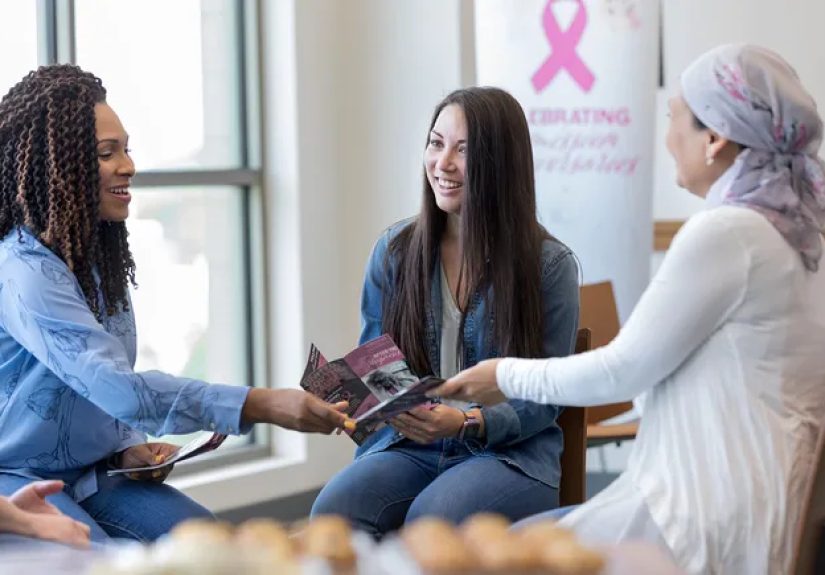
- Peer support programs that match you with survivors who’ve been through similar treatments.
- Online communities and helplines from national breast cancer organizations.
If you ever experience persistent hopelessness, thoughts of self-harm, or feel like you’re “not yourself,” tell your care team immediately. Emotional symptoms are treatable, and there is no prize for suffering in silence.
Relationships, Work, and Daily Life
Talking with family and kids
Many people with early-stage breast cancer worry more about how their loved ones will cope than about themselves. It can help to:
- Share information in small, honest, age-appropriate pieces.
- Reassure children that they did not cause the cancer and can’t catch it.
- Let close friends and partners know specific ways they can helppeople like jobs, not vague worry.
Couples counseling or support groups for partners may be especially valuable for younger couples managing treatment, careers, and family roles at the same time.
Work and finances
Early-stage breast cancer treatment sometimes fits around full-time work; other times, it does not. Ask your team about expected treatment durations, fatigue levels, and time off for recovery so you can plan realistically. Social workers can help you explore:
- Medical leave and workplace accommodations.
- Short-term disability benefits if available.
- Financial counseling programs or patient assistance for medication costs.
You are not “failing” if you need to pause your normal productivity. You’re literally in treatment for cancer. That’s a full plate.
Life After Treatment: Survivorship Is Its Own Phase
Follow-up care and monitoring
After surgery, radiation, and (if needed) chemotherapy, many people continue on hormone therapy for 5–10 years and have regular follow-up visits and imaging. A survivorship plan usually outlines:
- How often you’ll see your oncologist and primary care provider.
- Which tests and imaging are recommended and how often.
- How to monitor for late effects of treatment (such as lymphedema, bone health, or heart health).
- Healthy lifestyle recommendations and mental health supports.
Many survivors say this phase is surprisingly emotional: everyone else thinks you’re “done,” but you may still be dealing with fatigue, body changes, and fear of recurrence. Ongoing support groups and counseling can be especially helpful here.
Reclaiming your body and identity
Scars, hair changes, weight shifts, or menopause symptoms induced by treatment can all affect how you feel in your body. Give yourself time to adjust. Some people:
- Experiment with new hairstyles, clothes, or lingerie that accommodate surgical changes.
- Work with physical therapists or occupational therapists to improve mobility and reduce pain.
- See sexual health specialists or therapists who understand cancer-related changes.
You are still youjust with some new chapters and possibly some impressive scars.
Real-World Lessons: Experiences from People with Early-Stage Breast Cancer
Beyond the data and guidelines, the voices of people who have lived through early-stage breast cancer often provide the most practical, heart-level advice. Survivors and patient communities frequently share themes like these when they look back on diagnosis and treatment.
1. “Once you have a plan, the fear gets quieter.”
Nearly everyone describes the time between “We found something” and “Here’s your treatment plan” as one of the hardest phases emotionally. You’re waiting on biopsies, imaging, and referrals while your brain writes worst-case scenarios. Many survivors say that once their team clearly explained the stage, the type of breast cancer, and the proposed treatments, their anxiety dropped a notch. They still weren’t thrilledno one ever says, “Yay, chemo!”but they felt less like they were drifting and more like they were walking (reluctantly) down a defined path.
One practical takeaway: if your plan still feels fuzzy, keep asking questions until you can explain it to someone else in a few sentences. That clarity can make a huge psychological difference.
2. “You don’t have to be a ‘perfect’ patient.”
People often picture the “ideal” cancer patient as endlessly positive, green-smoothie in hand, never missing a dose, and waking up at 5 a.m. to meditate. Real life is messier. Many survivors admit there were days they cried in the shower, snapped at loved ones, or ate nothing but toast and ice cream. They still completed treatment and went on to live full lives.
Instead of aiming for perfection, aim for good enough consistency: taking medications as directed (with alarms or pill organizers if needed), showing up to appointments, and following your care team’s key safety recommendations. If you miss something, talk to your team instead of silently feeling guilty; they’ve seen it all and can help you get back on track.
3. “Your support team may surprise you.”
Survivors often say that some people they expected to lean on disappeared or stayed on the surface level, while others they barely knew stepped up in huge waysdropping off meals, sitting through infusions, or sending exactly the right meme on a bad day. Support doesn’t always look like grand gestures; sometimes it’s a neighbor taking out the trash or a co-worker quietly covering a shift.
One helpful strategy is to designate a “point person” (a partner, sibling, or close friend) who can update others, organize help, and filter incoming questions. That way you don’t have to personally manage everyone else’s anxiety while you’re managing your own.
4. “It’s okay to change your mind.”
As people move through treatment, their priorities sometimes shift. Someone who initially chose breast-conserving surgery may later decide on a mastectomy for peace of mind, or the opposite. One person may start working full-time during treatment and later cut back hours when fatigue hits harder than expected. Others may decide to delay reconstruction or not pursue it at all.
As long as your decisions remain medically reasonable and are made in partnership with your care team, it’s completely acceptable to revise your plan. Cancer forces a crash course in flexibility; your values and information evolve, and your choices can, too.
5. “The end of treatment is not the end of healing.”
Many people describe ringing the “end of treatment” bell as a joyful moment followed by a strange emotional hangover. Hair grows back, energy slowly returns, and life gets busier againbut lingering aches, scars, and anxiety about every twinge can stick around. It’s common to feel more emotional after treatment than during it, once the constant appointments stop and reality catches up.
Survivors often say that giving themselves permission to seek continued supportthrough survivorship programs, therapy, meditation classes, or exercise groups tailored to cancer survivorswas vital. Healing is not just about your scans; it’s about rebuilding trust in your body and finding a new normal that feels like a life, not just a follow-up schedule.
6. “You are more than your diagnosis.”
During early-stage breast cancer treatment, everything can revolve around lab results, appointment schedules, and medication refills. Survivors consistently emphasize the importance of keeping (or rediscovering) small pieces of your non-cancer identity: hobbies, music, books, silly TV shows, video calls with friends, or even a new habit like journaling.
You are someone who happens to be going through early-stage breast cancernot a walking diagnosis. Over time, the experience often becomes one part of your story, not the whole plot.
Final Thoughts
Early-stage breast cancer is serious, but in many cases it is highly treatable, with excellent long-term outcomes when modern treatments and healthy lifestyle strategies are combined. You deserve clear information, a strong care team, and real support for both your body and your mind.
You do not have to become an overnight expert or a flawless warrior. Step by stepappointment by appointment, treatment by treatment, walk by walkyou can move through this phase of life. Ask questions, accept help, honor your feelings, and remember that it is absolutely okay to choose hope, even on the days when you’re tired and afraid.