Table of Contents >> Show >> Hide
- Why Do Ordinary European Things Feel So Fancy to Americans?
- 30 Everyday European Things Americans See as Luxuries
- 1. Four–Six Weeks of Paid Vacation as a Baseline
- 2. Universal Healthcare Without Financial Terror
- 3. Paid Maternity and Paternity Leave
- 4. Walkable Cities and “15-Minute” Neighborhoods
- 5. Reliable Public Transit That’s Actually Used
- 6. High-Speed Trains Between Countries
- 7. Long, Unrushed Meals
- 8. Actual Lunch Breaks (Away from the Desk)
- 9. Cheap Coffee and Pastries at Neighborhood Cafés
- 10. Affordable Wine and Casual Wine Culture
- 11. Fresh Bread from a Real Bakery
- 12. Historic City Centers That Are Actually Used
- 13. Bidets and Better Bathroom Fixtures
- 14. Public Transit to the Airport
- 15. Affordable University Tuition
- 16. Reliable Social Safety Nets
- 17. Sunday Slow-Downs and Actual Rest Days
- 18. Shorter Average Working Hours and Time Culture
- 19. Bike Lanes That Don’t Feel Like a Dare
- 20. Clean, Frequent Regional Trains
- 21. Easily Visiting Other Countries on a Weekend
- 22. Public Squares Instead of Parking Lots
- 23. Smaller Homes, Bigger Public Life
- 24. Tap Water That’s Readily Offered and Often Great
- 25. Better Integration of Nature into Everyday Life
- 26. Trains That Run on a Predictable Schedule
- 27. Work–Life Boundaries (No 24/7 “Availability” Expectation)
- 28. Publicly Funded Arts and Culture
- 29. Everyday Safety from Medical Bankruptcy
- 30. The Feeling That Time Isn’t Always Money
- So Who Has It Better Americans or Europeans?
- Experiences & Reflections on Everyday European “Luxuries” (Extended)
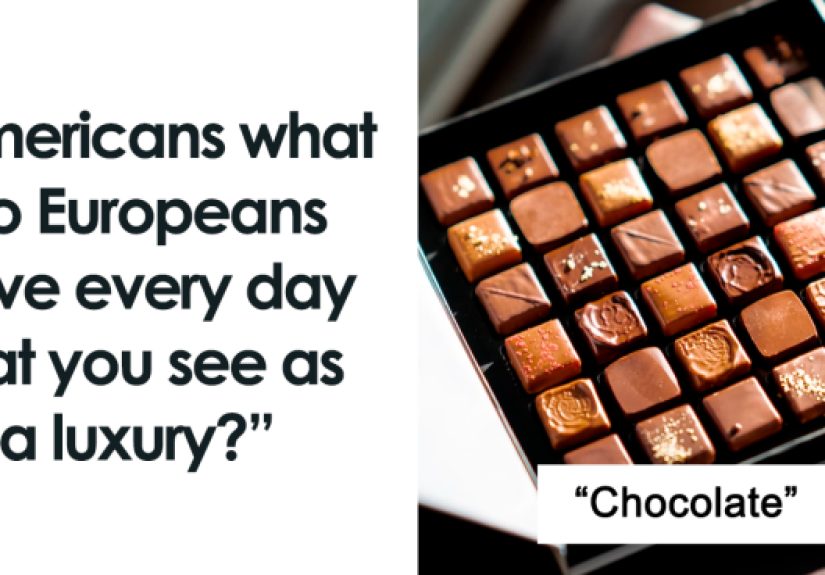
If you’ve ever scrolled through Bored Panda or Reddit and stumbled on the question,
“Americans, what do Europeans have every day that you see as a luxury?”,
you already know: this topic hits a nerve in the best, funniest way.
It’s where work culture, healthcare, trains, cheese, and bidets all somehow end up in the same thread.
For many Americans, a quick trip to Europe feels like visiting an alternate universe where
people get a full month of vacation, casually hop on trains between countries,
and buy fresh bread on the corner without needing a car or a second mortgage.
Meanwhile back home, you’re eating lunch at your desk and trying not to cry at the urgent care bill.
Based on viral Bored Panda posts, AskReddit threads, travel forums, and U.S. coverage of life abroad,
this article rounds up 30 everyday European “normal” things that often feel like absolute luxury to Americans
plus some real-life style reflections at the end.
No Europe-worship, no America-bashing, just honest (and slightly amused) comparison.
Why Do Ordinary European Things Feel So Fancy to Americans?
Before we dive into the list, it helps to understand the big-picture differences.
In general, European countries tend to:
- Guarantee more paid vacation time and stronger worker protections.
- Run some form of universal or near-universal healthcare system.
- Build cities around people and transit rather than cars.
- Subsidize things like parental leave, childcare, and education more heavily.
The U.S., meanwhile, leans harder into at-will employment, employer-based health insurance,
and car-centric urban planning. None of that is inherently “bad,” but it does mean that
when an American lands in, say, Copenhagen or Barcelona, everyday life feels like
someone accidentally upgraded them to Business Class.
30 Everyday European Things Americans See as Luxuries
-
1. Four–Six Weeks of Paid Vacation as a Baseline
Many European workers are legally entitled to at least four weeks of paid vacation per year,
and in some countries five or more is totally normal.
For Americans used to 10–11 days if they’re lucky, that sounds like fantasy-land.
In online threads, U.S. commenters are consistently stunned that people can take
two or three weeks off in a row without being seen as lazy or replaceable. -
2. Universal Healthcare Without Financial Terror
A recurring theme in American comments: going to the doctor without mentally calculating your deductible.
Most European countries have some form of universal healthcare, so people can see a GP,
get referred to a specialist, or pick up a prescription without fearing a surprise four-figure bill.
To Americans, the idea that healthcare is a basic right instead of a financial gamble often feels wildly luxurious. -
3. Paid Maternity and Paternity Leave
Americans often point to European parental leave as the gold standard.
In several European countries, parents get months sometimes more than a year
of partially or fully paid leave. Compare that to American stories of mothers burning through
their vacation days and unpaid time just to recover from childbirth, and it’s no wonder
“European parental leave” reads like a fairy tale. -
4. Walkable Cities and “15-Minute” Neighborhoods
Many European cities are built so you can live your life on foot:
grocery store, bakery, pharmacy, café, park all within a short walk or tram ride.
For Americans who live in suburbs where the nearest milk is a 10-minute drive away,
being able to stroll to everything you need feels like an everyday luxury,
not to mention a dream for people who hate parallel parking. -
5. Reliable Public Transit That’s Actually Used
Subways, trams, buses, and regional trains that come frequently and connect real destinations?
For many Americans, that’s vacation-only content.
European commuters routinely rely on transit in a way that’s simply not possible in most U.S. cities,
where missing your car often means missing your life. -
6. High-Speed Trains Between Countries
An American jumps on a train in Paris and steps off in Amsterdam a few hours later,
and suddenly the U.S. highway-and-airline dynamic feels a bit… clunky.
Bullet trains and dense rail networks turn weekend trips into something casual,
not an elaborate, expensive project booked months in advance. -
7. Long, Unrushed Meals
In Europe, sitting in a café or restaurant for hours with no pressure to flip the table
is culturally normal. The server might assume you’re hanging out until closing.
For Americans used to “Here’s your bill whenever you’re ready!” (translation: please vacate),
leisurely dining feels like a personal upgrade in how your time is valued. -
8. Actual Lunch Breaks (Away from the Desk)
Another common comment from Americans: Europeans leave the office for lunch.
Not to shove fast food into their faces in 7 minutes, but to sit, eat, and then return to work.
In many U.S. workplaces, lunch is a sandwich eaten while answering emails.
The European version looks extremely luxurious by comparison even if it’s just soup and bread. -
9. Cheap Coffee and Pastries at Neighborhood Cafés
American travelers routinely rave about grabbing an espresso and fresh croissant
at a corner café for a few euros. In the U.S., coffee shops are often positioned
as lifestyle brands, and that daily ritual can get pricey fast.
The everyday affordability of that “cute café moment” in Europe feels like a luxury habit. -
10. Affordable Wine and Casual Wine Culture
The ability to buy a decent bottle of wine at the supermarket for the price of a U.S. movie ticket
is another shocker. In many European countries, wine is part of everyday life,
not a special-occasion splurge, which makes American visitors feel like they’re living
their most budget-friendly sommelier fantasy. -
11. Fresh Bread from a Real Bakery
From baguettes in France to dense rye loaves in Germany, Europeans have a strong bakery culture.
Bread is bought fresh daily or every few days, not pre-sliced in a plastic bag that lasts a month.
Americans often describe this as one of the small-but-mighty luxuries they miss most when they go home. -
12. Historic City Centers That Are Actually Used
Americans love wandering through centuries-old plazas that still function as the everyday
heart of the city people live there, shop there, protest there, flirt there.
In the U.S., “historic” often means a preserved district or tourist area.
In Europe, the old town is still the living room of the community. -
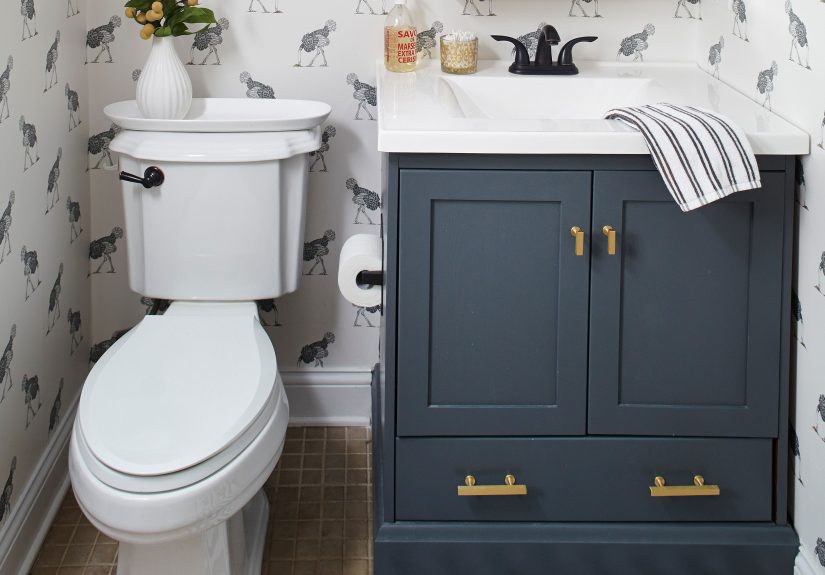
13. Bidets and Better Bathroom Fixtures
It wouldn’t be an internet list without bidets.
For Americans, the idea of a built-in, everyday way to feel cleaner without using mountains of toilet paper
is both funny and deeply appealing. Many return home wondering why the U.S. collectively said “No thanks”
to one of the most basic comfort upgrades. -
14. Public Transit to the Airport
Americans are perpetually impressed by trains or metros that run straight to major airports.
In many U.S. cities, an airport trip means a car, Uber, or pricey parking.
Being able to roll a suitcase onto a train and step off at your terminal
feels like a first-class experience even if you’re flying budget. -
15. Affordable University Tuition
When Europeans casually mention that their yearly university fees are a fraction
of what Americans pay per semester, U.S. commenters tend to go quiet for a minute.
Lower tuition, public universities, and subsidized education appear frequently
in threads about “luxuries” Europeans don’t even realize they have. -
16. Reliable Social Safety Nets
Unemployment benefits, housing support, and various income-based programs
are built into many European systems. They’re not perfect, but they do mean
that a single job loss or illness is less likely to spiral into homelessness or medical bankruptcy.
To Americans, that baseline security feels incredibly high-end. -
17. Sunday Slow-Downs and Actual Rest Days
In many European countries, Sundays are still noticeably quieter:
shops close earlier, families gather, and errands wait.
For Americans used to 24/7 everything pharmacies, big-box stores, even grocery chains
the enforced calm of a slower day feels like a luxury retreat built into the calendar. -
18. Shorter Average Working Hours and Time Culture
Data regularly shows Europeans, on average, working fewer hours per year than Americans,
while maintaining competitive productivity.
That extra time gets spent on hobbies, family, or just doing nothing
which, to overstretched U.S. workers, looks like a very fancy lifestyle choice. -
19. Bike Lanes That Don’t Feel Like a Dare
American visitors are often in awe of cities like Amsterdam or Copenhagen,
where separated bike lanes are treated as real infrastructure, not optional paint.
Families, office workers, and grandparents all pedal around daily.
Biking as a safe, normal way to get to work instead of a near-death experience
is a huge perceived luxury. -
20. Clean, Frequent Regional Trains
Beyond high-speed lines, Europe offers dense networks of regional and commuter trains
that make smaller towns accessible without a car.
For Americans whose intercity options are mostly planes, buses, or long drives,
this kind of everyday mobility feels like a secret VIP feature of European life. -
21. Easily Visiting Other Countries on a Weekend
Americans can drive for 8 hours and still be in the same state.
Europeans can hop on a train and be in a different country before lunch.
The ability to casually collect stamps in your passport as a normal part of life
is something Americans consistently flag as “wildly luxurious.” -
22. Public Squares Instead of Parking Lots
Central plazas with fountains, benches, and trees designed for people
rather than cars are a defining feature of many European towns.
Americans are often struck by how much prime urban space is dedicated
to just existing and socializing, not shopping or parking. -
23. Smaller Homes, Bigger Public Life
European apartments are often smaller than U.S. houses, but the tradeoff is richer public life:
parks, cafés, public pools, festivals, libraries.
Americans frequently describe this as a kind of lifestyle luxury
less private square footage, more shared experiences. -
24. Tap Water That’s Readily Offered and Often Great
Safe drinking water exists in both regions, of course, but Americans often note
how freely water fountains and carafes of tap water appear in European cafés, city squares,
and train stations. Not being nickel-and-dimed for a bottle of water every time you’re thirsty
feels surprisingly fancy. -
25. Better Integration of Nature into Everyday Life
From urban parks to green belts, many European cities weave green spaces into the city fabric.
Americans often praise the ability to walk or bike quickly from a dense downtown
to a riverside path or forested park without needing to “plan a hike” as a separate event. -
26. Trains That Run on a Predictable Schedule
Are delays a thing in Europe? Of course.
But American travelers used to skeletal rail networks and limited schedules
still marvel at how often European trains run and how thoroughly they connect the map.
Being able to count on rail as a default choice is an everyday privilege. -
27. Work–Life Boundaries (No 24/7 “Availability” Expectation)
In many European workplaces, after-hours emails are culturally discouraged,
and some countries have even discussed or enacted “right to disconnect” rules.
American workers, who often feel permanently on call thanks to smartphones,
see this as the ultimate invisible luxury. -
28. Publicly Funded Arts and Culture
Museums with low or no entrance fees, subsidized theater, and robust cultural programming
make art more accessible in many European cities.
Americans visiting these spaces especially for free are quick to label it “luxury for regular people.” -
29. Everyday Safety from Medical Bankruptcy
Americans in these discussions often emphasize not just healthcare access,
but the psychological luxury of not worrying that a broken arm or appendectomy
will destroy your finances. That baseline peace of mind is one of the most envied
“normal” European experiences. -
30. The Feeling That Time Isn’t Always Money
Behind almost every item on this list is a different relationship to time.
Whether it’s longer vacations, slower meals, or evenings spent walking with friends
instead of commuting, many Americans describe Europe as a place where life isn’t
quite as relentlessly optimized for productivity. That feeling time as something
you’re allowed to spend, not constantly monetize may be the real luxury.
So Who Has It Better Americans or Europeans?
The internet loves a good “who’s superior?” argument, but the reality is more nuanced.
Europeans trade higher taxes and sometimes more bureaucracy for stronger safety nets
and built-in time off. Americans often enjoy higher average salaries in certain fields,
larger homes, and more entrepreneurial flexibility but with fewer guarantees if things go wrong.
What these 30 “luxuries” really reveal isn’t that one side is right and the other wrong.
They show how societies make different collective choices about what gets protected:
time, health, mobility, security, convenience, or autonomy.
To Americans peeking across the Atlantic, European priorities can look like a carefully curated
lifestyle subscription that just comes standard with citizenship.
SEO Summary & Takeaways
meta_title: Everyday European Luxuries Americans Secretly Envy
meta_description:
Americans share 30 everyday European things from healthcare to trains that feel like pure luxury in the U.S.
sapo:
What do Europeans have every single day that many Americans see as a luxury?
From universal healthcare and four weeks of paid vacation to walkable cities,
cheap café culture, and high-speed trains between countries, this in-depth breakdown explores
30 “ordinary” European experiences that blow U.S. visitors’ minds.
Based on viral Bored Panda threads, Reddit discussions, and real-world examples,
we dig into why these comforts exist, how they shape daily life, and what they reveal
about work culture and priorities on both sides of the Atlantic.
keywords:
Americans what do Europeans have; everyday European luxuries; Bored Panda opinions;
US vs Europe lifestyle; European work life balance; universal healthcare Europe
Experiences & Reflections on Everyday European “Luxuries” (Extended)
To really understand why these things hit Americans so hard, you have to imagine the moment
culture shock slides into quiet envy.
Picture an American couple from Ohio landing in Munich for their first big trip abroad.
On day one, they roll their suitcases from the airport straight onto a clean suburban train,
glide into the city center, and walk five minutes to their hotel through a pedestrian zone
where kids are playing in a fountain.
No rental car, no six-lane road, no parking drama.
The next morning, they wander out in search of breakfast and discover the bakery
that locals hit every single day. There’s a line, but it moves quickly.
People grab fresh rolls, coffee, and pastries with the same casual energy
Americans reserve for drive-thru runs.
Our jet-lagged pair spends the equivalent of a few U.S. dollars and sits outside
under a big umbrella, surprised by how normal and how good everything tastes.
This isn’t a special brunch spot; this is just… Tuesday.
Later, they meet a friend of a friend, a German engineer who mentions, almost offhand,
that he’s taking three consecutive weeks off in August to hike with his family.
No one at his office is mad; it’s expected he’ll disconnect.
When they explain that, back home, taking more than a week off feels risky,
he stares in disbelief and asks, “But isn’t that bad for your health?”
It’s a jarring moment when they realize their own work culture sounds extreme from the outside.
Healthcare stories hit even harder.
Americans living in Europe often describe the surreal experience of going to the doctor,
handing over a card, paying a modest fee, and leaving without a stack of insurance paperwork.
One American expat in France described getting emergency treatment, follow-up care,
and medication for a fraction of what one U.S. ER visit had cost them in the past.
The care wasn’t glamorous or spa-like it was simply accessible and predictable.
That reliability, more than any plush waiting room, is what feels truly luxurious.
The contrast shows up in smaller, funnier ways too.
An American student studying in Italy might rave about strolling home from class
through a medieval street, stopping for gelato, and then catching a cheap regional train
to visit friends in another city.
Back home, seeing friends often means syncing car schedules and braving traffic
on a multi-lane highway.
In Europe, the infrastructure itself seems designed around the idea that your time off campus
or off the clock actually matters.
Of course, Europeans visiting the U.S. have their own list of “wow” moments:
massive grocery stores, 24/7 convenience, powerful air conditioning, free public libraries
with huge collections, and the sheer variety of landscapes in one country.
But when the question is framed as “What do Europeans have every day that Americans see as a luxury?”,
the answers tend to cluster around the same themes:
time, health, mobility, and mental space.
Maybe that’s the quiet lesson inside all the memes and listicles.
The things Americans point to most paid time off, healthcare without fear,
walkable communities, and room in the day to sit with a coffee instead of racing to the next thing
aren’t actually about fancy stuff at all.
They’re about feeling like everyday life is designed with humans, not just profits or efficiency, in mind.
And that, no matter where you live, is the real luxury everyone’s secretly chasing.