Table of Contents >> Show >> Hide
- Why And Then There Were None Still Obsesses Us
- Ranking the Major Characters (Most to Least Compelling)
- Best Adaptations of And Then There Were None (Ranked)
- Most Shocking Deaths, Ranked
- Popular Fan Opinions & Debates
- How to Start Your Own Rankings and Discussions
- Experiences and Reflections on “And Then There Were None” Rankings and Opinions
If you’ve ever finished And Then There Were None, closed the book, and then immediately opened it again to check what you missed, welcome to the club. Agatha Christie’s 1939 classic is one of the best-selling mysteries of all time and one of the most discussed, debated, and ranked novels in the genre. From the morally messy characters to the many film and TV versions, everyone seems to have strong opinions.
In this guide, we’ll dive into rankings and opinions on almost everything: the most compelling characters, the most effective adaptations, the most shocking deaths, and the biggest fan debates. Then we’ll wrap up with some personal-style reflections on what it’s like to experience this story (and argue about it) again and again.
Why And Then There Were None Still Obsesses Us
A quick recap of the nightmare on the island
The basic setup is deceptively simple. Ten strangers are invited to a remote island off the Devon coast under different pretextsjob offers, old-fashioned social invitations, mysterious friends. Once there, a gramophone recording accuses each of them of causing someone’s death in the past and getting away with it. Then, one by one, they begin to die in ways that eerily match a sinister nursery rhyme hanging in each room.
By the end, everyone is dead, the island is isolated, and the police are completely stumpeduntil a written confession from Justice Wargrave explains that he orchestrated the entire spree as his own twisted version of justice.
Themes that keep it modern
Part of what makes the story so endlessly rankable is that Christie doesn’t give us a clean moral world. The novel explores:
- Justice and vigilantism: Wargrave sees himself as an instrument of perfect justice, punishing people whose crimes slipped through the system. Critics note that the book questions whether any individual should ever claim the right to deliver that kind of “justice.”
- Guilt and psychological breakdown: The guests unravel under the weight of their hidden guilt, paranoia, and fear, offering a dark psychological portrait that many modern readers and scholars still analyze.
- Morality and complicity: Some essays argue that it’s a deeply moral novel that forces readers to examine how we judge others, and how closely our sympathies line up with “official” justice.
In other words, it’s not just “whodunit”it’s “who deserves what,” and that’s where rankings and opinions get heated.
Ranking the Major Characters (Most to Least Compelling)
Everyone has a different favorite, but based on critical commentary, fan discussions, and the way the story is structured, here’s one ranking of the most compelling characters in And Then There Were None. Feel free to get offended and rearrange them in your head.
1. Justice Lawrence Wargrave
The mastermind. The judge. The man who treats an island of terrified people like an elaborate courtroom experiment. Wargrave’s confession reveals a chilling mix of genuine belief in justice and plain old bloodlust. His cool logic and theatrical sense of drama put him at the top of nearly every character ranking. He’s both villain and architect, and without him, there is no storyjust a very awkward island retreat.
2. Vera Claythorne
Vera is probably the most psychologically complex character. Her backstoryallowing a child to drown so the man she loved could inherit moneyhaunts everything she does. She swings between rational survival mode and spiraling guilt, and her final act is one of the most haunting endings in crime fiction. The 2015 BBC adaptation leans into her emotional unraveling, making her arguably the heart of that version.
3. Philip Lombard
Lombard is the most openly amoral of the group. He casually admits he left a group of East African men to die to save himself. His charm, bravery, and unapologetic self-preservation make him fascinating and uncomfortable. In many adaptations, he becomes the “bad boy” foil to Vera, which only intensifies the moral tension between them.
4. Emily Brent
Emily Brent is horrifying precisely because she believes she’s righteous. She drove a young servant to suicide after the girl became pregnant, and she never once thinks she did anything wrong. She represents the cruelty of judgment without empathya character readers love to hate.
5. Dr. Armstrong
Armstrong is a bundle of anxiety and guilt. He’s haunted by having operated while drunk and killing a patient, and he quickly becomes a pawn in Wargrave’s plan. His blend of professional authority and internal panic makes him a powerful symbol of how expertise can be corrupted by weakness.
6. General Macarthur
Macarthur is consumed by the pastspecifically, sending a man (who was also his wife’s lover) to near-certain death. His acceptance that he’s not leaving the island gives his scenes an eerie, almost tragic weight.
7. William Blore
The ex-policeman who perjured himself to get someone convicted. Blore is blustery and defensive, and in many adaptations he adds a layer of dark comic reliefuntil his death by falling bear-shaped clock, which is one of the strangest (and weirdly memorable) in the book.
8. Mr. & Mrs. Rogers
The servants are a fascinating moral gray area. Their accused crimeneglecting their former employer to inherit moneyis less overtly violent than some others but still chilling. They also embody a class dynamic Christie often plays with: those who serve the wealthy but are far from innocent.
9. Anthony Marston
Marston, the handsome, reckless young man who killed two children in a car accident and feels absolutely no remorse, is intentionally shallowand that makes his early death satisfying to many readers. He’s less “deeply drawn” and more “walking red flag.”
Best Adaptations of And Then There Were None (Ranked)
Christie’s story has been adapted many times for film, TV, radio, and stage. Some versions soften the ending; some keep it brutally faithful. Here’s a ranked look at some of the most notable ones.
1. The Original Novel (1939)
Yes, we’re ranking the novel itself first. Most critics and fans still agree the book is the definitive experience: tense, tightly structured, and morally unsettling. The original endingeveryone dies, and the murderer explains everything via a posthumous confessionis one of the boldest in crime fiction.
2. BBC TV Mini-Series (2015)
The 2015 BBC adaptation leans hard into psychological horror and period atmosphere. With Charles Dance as Wargrave and Maeve Dermody as Vera, the miniseries brings out the simmering guilt and attraction between characters while maintaining the bleak original ending. Many viewers consider it the most faithful and emotionally intense screen version.
3. 1945 Film Directed by René Clair
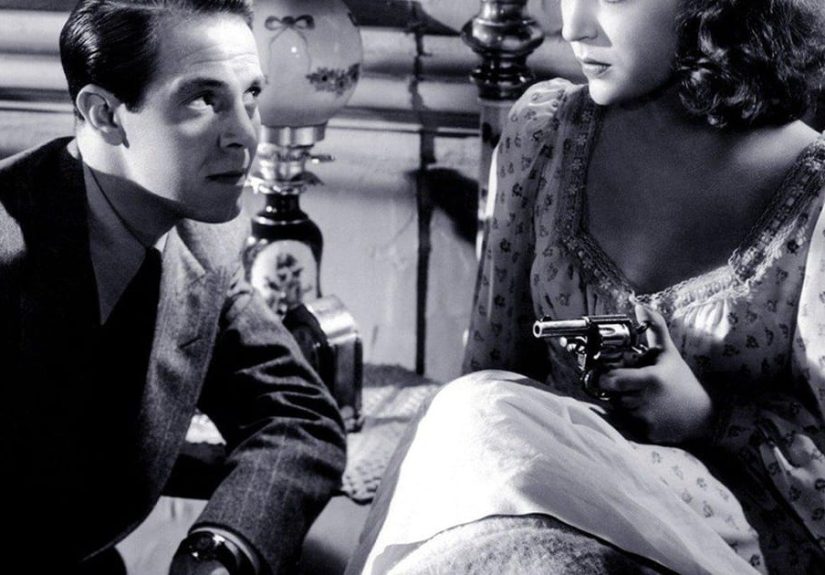
The classic black-and-white film is frequently cited as the most influential older adaptation, blending suspense with touches of Golden Age Hollywood humor. It uses the altered stage-play ending, in which two characters survive, which makes it more crowd-pleasingbut less thematically ruthlessthan the novel.
4. Ten Little Indians (1965)
This adaptation moves the action to a snowbound mountain lodge, shifts the aesthetics, and again softens the ending. While not as critically beloved as the 1945 film or the BBC mini-series, it’s often praised for influencing later ensemble “one location” thrillers, especially in cinema and TV.
5. Stage Versions and Other Screen Adaptations
Christie’s own stage adaptation introduced the idea of two characters surviving, a change embraced by several film and TV versions. Some fans appreciate the slightly more hopeful ending; others argue it undermines the novel’s brutal moral symmetry.
Rankings of the best adaptation usually come down to one big question: are you OK with the happier ending, or do you want to be emotionally wrecked by the original?
Most Shocking Deaths, Ranked
All ten (well, eleven, counting Isaac Morris) deaths are memorable, but here are five standouts that readers and viewers often talk about the most.
1. Vera Claythorne’s Final Act
Vera’s suicide hits hardest because it feels like the culmination of both Wargrave’s plan and her own crushing guilt. The noose, the empty room, the echo of the nursery rhymeeverything converges into a moment that feels inevitable yet horrifying. It’s the kind of ending you don’t forget.
2. Justice Wargrave’s “Second” Death
The reveal that Wargrave faked his own death and then orchestrated his real one to match the fake is morbidly brilliant. Readers often go back to re-check every chapter, wondering how they didn’t catch it.
3. Emily Brent’s Poisoning
Emily’s death, tied to the “bee sting” line of the rhyme, is quietly chilling. The religious, judgmental woman dying after seeing something strange and feeling the “sting” of a needle fits thematically: the woman who never admitted guilt is killed while literally paralyzed, unable to resist or repent.
4. Blore and the Bear-Shaped Clock
This is where Christie’s dark humor shows. A marble bear-shaped clock dropped from a window sill is a weirdly theatrical way to die, and it sticks in the memory precisely because it’s so oddly specific.
5. Anthony Marston’s Instant Collapse
Marston’s sudden death by cyanide-laced drink is proof that no one is safenot even the charismatic guy at the party. It turns a festive dinner into a horror show and sets the tone for everything that follows.
Popular Fan Opinions & Debates
Is the ending “fair” to the reader?
One of the biggest ongoing debates is whether Christie “cheats” in the way she hides Wargrave’s guilt. Some critics argue that by staging Wargrave’s death, she temporarily removes him from suspicion in a way that strains the usual “fair-play” rules of golden-age mysteries. Others respond that the clues are thereyou just have to be willing to suspect everyone, even the apparently dead judge.
Is Wargrave a moral crusader or just a sadist with a gavel?
Another common debate: how much, if at all, are we supposed to sympathize with Wargrave? Some analyses emphasize that the novel is deeply moral and that Wargrave embodies an extreme version of society’s desire to punish the guilty. Others see him as a bloodthirsty killer who just happens to be clever enough to wrap his sadism in legalistic language.
Which version has the “best” endingnovel or stage/film?
Readers who prefer the original novel’s ending argue that its total lack of survivors drives home the story’s themes: you can’t escape guilt forever, and there’s no comforting moral reset button. Fans of the play and softer adaptations enjoy the emotional relief of seeing two flawed but somewhat redeemable characters survive. It’s less bleak, but also less philosophically sharp.
Is it Christie’s best book?
Goodreads discussions, fan forums, and mystery blogs frequently rate And Then There Were None as their favorite Christie novelor at least in the top three. Even writers of modern crime fiction cite it as a structural masterpiece they come back to repeatedly to study pacing and suspense.
How to Start Your Own Rankings and Discussions
If you’re itching to organize your own rankings and opinions (book club content: sorted), here are a few prompts to get people talking:
- Rank the characters from most to least guilty. How much does intent matter versus outcome?
- Rank the characters from most to least sympathetic. Does your sympathy match how harshly Wargrave punishes them?
- Rank the adaptations you’ve seen. Which versions nail the tone, and which feel off?
- Debate the ending. Is the “everyone dies” ending more powerful than the altered stage and film endings?
Half the fun of Christie’s novel is that you’re not just reading a puzzleyou’re also being invited to judge, argue, and reevaluate your own sense of justice.
Experiences and Reflections on “And Then There Were None” Rankings and Opinions
Reading And Then There Were None is one thing; talking about it with other people is another experience entirely. The novel isn’t just a storyit’s a conversation engine. Once you’ve finished it, you almost can’t not rank something: characters, motives, endings, adaptations, even how “fair” you think Christie was being with you as a reader.
In a book-club setting, the first wave of reactions usually falls into two camps. One group is stunned and impressed: they love the bleak courage of the ending, the way the story refuses to serve up a neat detective scene where everyone sits in a drawing room and gets politely accused. The other group feels slightly betrayed, as if Christie changed the rules of the game by removing the traditional detective figure and making the killer confess from beyond the grave.
That tension fuels some fantastic discussions. When people start ranking characters by sympathy, it quickly becomes a mirror of everyone’s personal moral code. Some readers put Vera relatively high on the sympathy list because she was young, pressured, and clearly traumatized by what she did. Others push her down because, at the end of the day, she still allowed a child to die for money and romance. Lombard inspires similar debate: is he refreshingly honest about his own selfishness, or just brutally cold?
Adaptation rankings tell their own story. If someone started with the 1945 film or a later version that uses the happier stage ending, they often feel nostalgic for that slightly softer conclusion. It can be a shock to go back to the original novel and discover that, no, Christie wasn’t in the business of letting anyone off the hook. Viewers who begin with the 2015 BBC mini-series, on the other hand, tend to embrace the full dark experience and then judge earlier films as charming but morally watered-down.
There’s also the re-read factor. On a second or third read, many people rank Wargrave even higher in terms of sheer craftsmanship as a character. You start noticing the small details: his careful questions, his authoritative tone, his subtle manipulation of the group’s fear. What looked like an old judge making logical suggestions suddenly feels like a director arranging his cast.
Online, readers and viewers bring their own experiences to the table. Some people connect deeply with the theme of guiltespecially those who have wrestled with decisions that had unintended consequences. Others are more fascinated by the story’s structure and use it as a model for writing or analyzing modern thrillers. In both cases, rankings and opinions become a way of making sense of your own reactions: “Why did that death hit me harder than the others?” “Why do I feel weirdly sympathetic to this character and not that one?”
Ultimately, the experience of engaging with And Then There Were None rankings and opinions is a reminder of why the book endures. It doesn’t give you one tidy answer about justice or guilt. Instead, it leaves you with a cast of flawed people, a ruthless plan, and a lot of uncomfortable questions. Every list you make and every debate you join becomes part of the long afterlife of the storya story that, ironically, refuses to die even though it kills everyone in it.
So if you find yourself scribbling your own top 10 character lists, arguing in group chats about which adaptation “got it right,” or changing your mind about Wargrave on your third reread, you’re in good company. That’s exactly what this novel is built to do: haunt you, challenge you, and make you keep talking long after the last page.