Table of Contents >> Show >> Hide
- What Makes Cleverly Laundry Interesting in the First Place?
- The Architect Mindset, Translated into Soft Goods
- What U.S. Editors and Labs Consistently Say About High-Quality Soft Goods
- How Cleverly Laundry Fits into a Modern Home
- Care Strategy: Keep Premium Textiles Premium
- Sustainability Reality Check: Buy Better, Keep Longer
- Design Playbook: Styling Architect-Designed Soft Goods Without Overdoing It
- Is Cleverly Laundry Worth It for Most Homes?
- Experience Section: from Real-World, Design-Led Use Cases
- Conclusion
There are two kinds of towels in this world: the ones that start life fluffy and end life as sad, scratchy rectangles… and the ones that still feel great after months of real use. Cleverly Laundry, a brand rooted in Australia and shaped by architecture-trained founders, built its reputation on chasing the second category with almost nerdy precision. If that sounds dramatic for bath towels and bedding, good. Soft goods deserve better drama.
This deep dive explores what makes architect-designed soft goods different, why Cleverly Laundry has drawn attention in design circles, and how U.S. editorial testing standards can help us evaluate whether these products are style theater or genuinely high-performing essentials. You’ll get practical guidance on materials, weave, care routines, sustainability, and real-world design choicesplus a 500-word experience section at the end to bring it all down from theory into everyday life.
What Makes Cleverly Laundry Interesting in the First Place?
Cleverly Laundry is frequently described as a design-forward soft-goods brand founded by Amelia McPhee and Roshana Lewis, with an architecture-and-art sensibility guiding the product language. The core idea is simple: make towels, sheets, robes, and pajamas with the same rigor architects apply to built spacesfunction first, beauty that lasts, and details that perform rather than merely decorate.
That approach matters because home textiles often get marketed like perfume: all mood, no metrics. Cleverly flips that script by centering construction, material quality, and durability. In practical terms, that means products designed to be touched, washed, dried, and lived with, not just folded photogenically for social media. (Though yes, they do photograph suspiciously well.)
The Architect Mindset, Translated into Soft Goods
1) Performance over hype
Architecture is brutally honest: if a building leaks, no one cares how poetic your concept sketch was. The same mindset can improve textiles. Instead of chasing inflated thread counts or purely trend-driven finishes, architect-designed soft goods prioritize fiber quality, weave logic, absorbency, drying behavior, and long-term feel.
U.S. testing outlets have reinforced this for years. Higher thread count does not automatically mean better sheets; fiber quality and weave structure often matter more. That aligns with Cleverly’s quality-first framing and helps consumers shop smarter, not louder.
2) Construction details that do real work
In architecture, junctions and edges reveal quality. In textiles, hems, corners, and loop density tell the truth. You can hide weak fibers behind branding, but you cannot fake how a hem holds after dozens of wash cycles. Cleverly’s design language leans into this “quiet engineering” principle: thoughtful finishing, consistent fabrication, and restrained styling that avoids date-stamping your bathroom every 18 months.
3) A restrained aesthetic with broad appeal
Remodelista’s early framing of the brand highlighted a market gap: durable soft goods with styling that could appeal broadly, rather than forcing buyers into overly gendered, hyper-trendy patterns. That unisex, understated positioning is more strategic than it soundsneutral palettes age better, mix more easily, and reduce replacement churn.
What U.S. Editors and Labs Consistently Say About High-Quality Soft Goods
To evaluate any premium textile brand (including Cleverly Laundry), it helps to borrow a checklist from U.S. sources that regularly test and review home goods:
- Fiber quality first: Long-staple cotton is repeatedly associated with better softness retention and durability.
- GSM matters for towels: Heavier GSM can feel plusher and more absorbent, while lower GSM tends to dry faster.
- Thread count is not the hero: Mid-range counts often outperform inflated numbers when fiber and weave are right.
- Care affects lifespan: Overheating, over-softening agents, and poor drying habits can ruin good textiles fast.
- Design impacts behavior: A well-designed laundry zone increases consistency in care routines, which extends product life.
In other words, the best soft goods are not just “luxury.” They are systems: material + engineering + maintenance + environment. Miss one and even expensive textiles degrade early.
How Cleverly Laundry Fits into a Modern Home
Bathroom: tactile minimalism, not spa cosplay
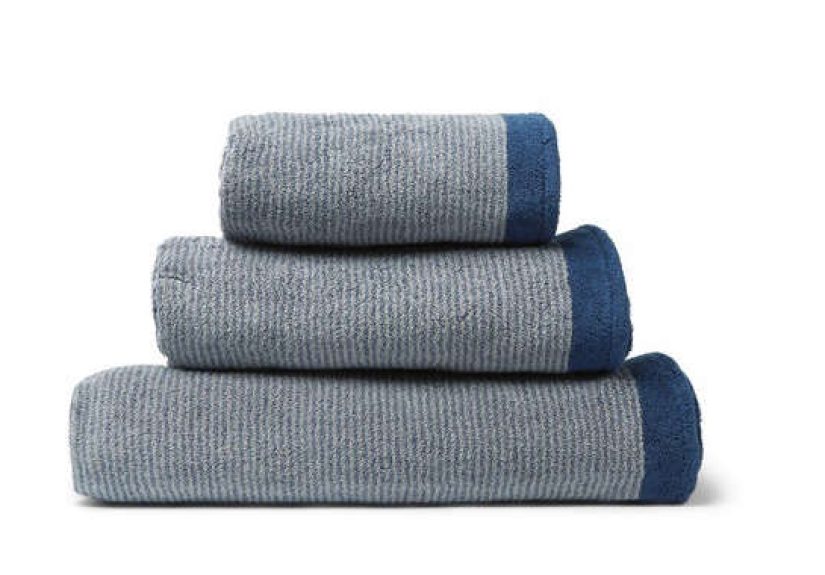
If your bathroom has clean lines, muted surfaces, and a bit of architectural calm, Cleverly-style towels fit naturally. Think textured white, mineral gray, soft stone, or tonal stripes. The goal is not to make the towel scream “I am premium,” but to make everything else feel calmer and better proportioned.
Practical tip: mix two towel constructions in one bathroomone plush set for comfort and one lighter, faster-drying set for daily rotation. This keeps the space functional while preserving that hotel-like visual rhythm.
Bedroom: sheets as climate tools
Your sheet choice should match your sleep temperature, not marketing copy. Percale-leaning sets are often better for hot sleepers due to breathability and crispness. Sateen-leaning sets can feel smoother and warmer. Cleverly’s design direction sits comfortably in this logic-driven zone: tactile but not flashy, thoughtful but not fragile.
Laundry and pool zones: where durability gets tested
If a textile survives pool use, humid bathrooms, and weekly wash cycles without losing personality, that’s real quality. Architect-designed soft goods tend to shine here because they are built around use cases, not just shelf appeal. Add good storage, airflow, and a consistent wash routine, and your textiles will hold shape and feel for far longer.
Care Strategy: Keep Premium Textiles Premium
Even high-end cotton can degrade with poor care. Use this practical routine:
- Wash frequency: Rotate bath towels after roughly three uses (adjust for climate, activity, and skin sensitivity).
- Drying behavior: Hang fully open on bars or racks, not crumpled hooks. Airflow is non-negotiable.
- Detergent discipline: Use enough detergent to clean but not so much that residue builds in loops and fibers.
- Skip the fabric softener habit: It can coat fibers and reduce absorbency over time.
- Heat with intent: Use manufacturer guidance; hotter is not always better for daily cycles.
For households managing illness or clinical-level sanitation concerns, follow stricter health guidance. For ordinary household care, consistency usually beats intensity.
Sustainability Reality Check: Buy Better, Keep Longer
Textile sustainability is not just about labels; it is about lifespan. U.S. environmental data has repeatedly shown significant textile waste entering landfills, which means the most sustainable towel may be the one you do not have to replace next year.
Cleverly’s positioning around durable construction and certification language (such as GOTS and Oeko-Tex references in retail descriptions) fits the “fewer, better things” model. But sustainability still depends on user behavior: wash wisely, dry thoroughly, store properly, and resist constant trend-chasing.
A helpful mindset: treat soft goods like tools with aesthetic benefits, not disposable decor with temporary utility.
Design Playbook: Styling Architect-Designed Soft Goods Without Overdoing It
- Limit the palette: 2–3 core tones across bath and bed for visual cohesion.
- Layer textures, not colors: Pair terry with waffle, matte ceramics with brushed metal, linen curtains with cotton towels.
- Use repetition: Repeated stripe width or border detail creates a deliberate, architectural rhythm.
- Think in elevations: Folded stacks, hanging rails, and basket height all affect how “designed” the room feels.
- Hide the chaos: Decant detergents, simplify labels, and keep only daily-use items visible.
Done right, the room feels edited but lived-inthe design equivalent of “I woke up like this,” except it actually took planning.
Is Cleverly Laundry Worth It for Most Homes?
If your priority is the cheapest possible textile per unit, probably not. If your priority is long-term comfort, visual consistency, and performance that survives real laundry habits, the architect-designed model is compelling.
Cleverly Laundry sits in an appealing niche: less loud than pure luxury branding, more engineered than trend-first homeware, and more coherent than mixing random seasonal purchases. For design-minded householdsespecially those who value durability, neutral styling, and tactile qualityit can be a smart long-term buy.
Experience Section: from Real-World, Design-Led Use Cases
In a compact apartment renovation in Sydney, a couple replaced their mixed “gift towel collection” with a focused set of architect-styled towels in two neutral tones. The immediate change was not just visual. Because every piece belonged to the same systemsimilar weights, same fold dimensions, same care instructionsthey actually kept up with laundry. Before, towels were an unpredictable pile of different dry times and textures. After, the routine became boring in the best way: wash, dry, fold, repeat. The bathroom looked calmer, and the morning rush became less chaotic.
In a Perth family home with three teenagers, durability became the main test. The parents had tried premium-looking options before, but many lost absorbency after months of heavy use and shortcut care. Their newer architect-informed textile setup emphasized robust cotton construction, practical sizes, and a strict “no fabric softener” rule. They also switched from hooks to wide towel bars for better airflow. Within weeks, musty smell complaints dropped, and the towels felt less “sealed” and more absorbent. Not glamorous, but wildly effectiveproof that good systems beat expensive guesswork.
A boutique Airbnb operator in Melbourne used the same design logic across four properties: one stripe family, one neutral sheet palette, one robe style, and one laundering method documented for cleaners. Guest reviews began mentioning “hotel-quality towels” and “surprisingly comfy sheets” even though the décor budget stayed flat. The owner’s insight was sharp: consistency reads as luxury. Guests do not inspect thread count labels; they remember whether the towel dried them quickly and whether the bed felt breathable at 2 a.m.
In a California remodel inspired by Australian minimal interiors, the design team treated soft goods as part of architecture, not accessories. They coordinated plaster tones, oak finishes, and textile colors so nothing screamed for attention. The towels had subtle texture, the bedding had crisp handfeel, and the laundry room used closed storage with labeled refill jars. The result felt intentional rather than staged. Even better, the homeowners reported fewer impulse décor purchases because the foundational pieces already felt “finished.”
A final case came from a design student who shared a small but useful experiment: she tracked her towel replacement rate over two years. Year one was random bargain buying with inconsistent care; year two was a smaller set of better-built cotton towels with disciplined laundering and drying. Total spend in year two was lower despite higher upfront unit prices. Her conclusion was blunt: “Cheap textiles are expensive when they fail early.” That line captures the architect-designed soft goods philosophy perfectly. Build once with intention, maintain with consistency, and enjoy the quiet luxury of things that keep working.
Conclusion
Architect-designed soft goods from Cleverly Laundry in Australia represent more than a style story. They reflect a broader shift in home design: fewer pieces, better performance, cleaner aesthetics, and smarter care. When you combine that mindset with U.S.-tested buying principlesfiber quality, realistic GSM expectations, sensible care routines, and durability-first decisionsyou get textiles that feel good now and still make sense a year later.
If your home goals include comfort, visual calm, and less wasteful replacement cycles, this is one trend worth taking seriously. Your towels will not solve every life problem. But they can at least stop being one.