Table of Contents >> Show >> Hide
- Why Realistic Tattoos Hit Different
- Meet Nikko Hurtado: The Color-Realism Heavyweight
- What Makes His Realism Tattoos Look So “Real”?
- Artist Creates Flawlessly Realistic Tattoos: His 30 Best Works
- The Batman Color Portrait That Sparked a Career Shift
- A “Batman Years” Matchup (Multiple Takes, One Obsession)
- The Joker Portrait With That Uncomfortable Realism
- Harley Quinn (Bright, Glossy, and Slightly Dangerous)
- Catwoman (Contrast Turned Up to “Cinematic”)
- Venom (Healed and Still Punchy)
- Carnage (A Long Session in Red and Rage)
- Venom x Spider-Man (Chaos Meets Heroism)
- Deadpool Energy (Comedy, But Make It Technical)
- Deadpool vs. Wolverine (Big, Bold, and Built for a Leg)
- Wolverine Portrait (The “Claws Out” Moment)
- Wolverine (Work-in-Progress That Still Looks Finished)
- A Star Wars Sleeve (Dark Side, Bright Color)
- Star Wars Leg Sleeve (The Long Game)
- Yoda (Small Face, Huge Responsibility)
- Darth Maul (Red Skin, Real Shadows)
- General Grievous (Mechanical Texture Done Right)
- Darth Vader + Death Star Mood Lighting
- Harry Potter (A Multi-Element Composition)
- Michael Myers (Classic Horror, Modern Finish)
- Michael Myers Collection (Same Villain, Different Treatments)
- Pennywise (Healed, No-Fuss, Still Intense)
- Pennywise “Dancing Clown” (Playful… Until It Isn’t)
- Cenobite / Pinhead-Style Portrait (Old-School Reference, New-School Clarity)
- Nosferatu Add-On (Vintage Horror Meets Modern Ink)
- A Horror Sleeve “First Round” (Big Shapes First, Details Later)
- A Memorial Portrait of a Client’s Mother
- Kobe Tribute Tattoo (Respect, Detail, and Restraint)
- Michael Jordan Portrait (Early Stage, Strong Foundation)
- Ozzy Osbourne Portrait (Rock Energy in Skin Tone and Shadow)
- Handwriting Transfer Tribute (Realism Without a Face)
- How to Choose a Realism Tattoo Artist (Without Regret)
- Safety and Aftercare: Keep It Looking Like a Photo, Not a Problem
- Conclusion: Realism Tattoos That Make Your Brain Do a Double Take
- Real-World Experience: Getting a Hyper-Realistic Tattoo (The Part Nobody Brags About)
There are tattoos that look cool. There are tattoos that look meaningful. And then there are tattoos that make you tilt your head like a confused golden retriever and ask, “Wait… is that a sticker? A photo? A tiny portal to another dimension?”
Welcome to the world of flawlessly realistic tattoos, where pigment behaves like paint, skin behaves like canvas, and your brain behaves like it just got jump-scared by a forearm. One of the best-known names in this arena is Nikko Hurtado, a California-based artist celebrated for hyper-realistic color portraiture and pop-culture realism.
Below, you’ll get a deep (and fun) look at what makes realism tattoos so addictive, why Hurtado’s approach stands out, andmost importantly30 of his most jaw-dropping tattoo pieces as described in a way that won’t make your phone auto-open the “Book Appointment” tab (no promises).
Why Realistic Tattoos Hit Different
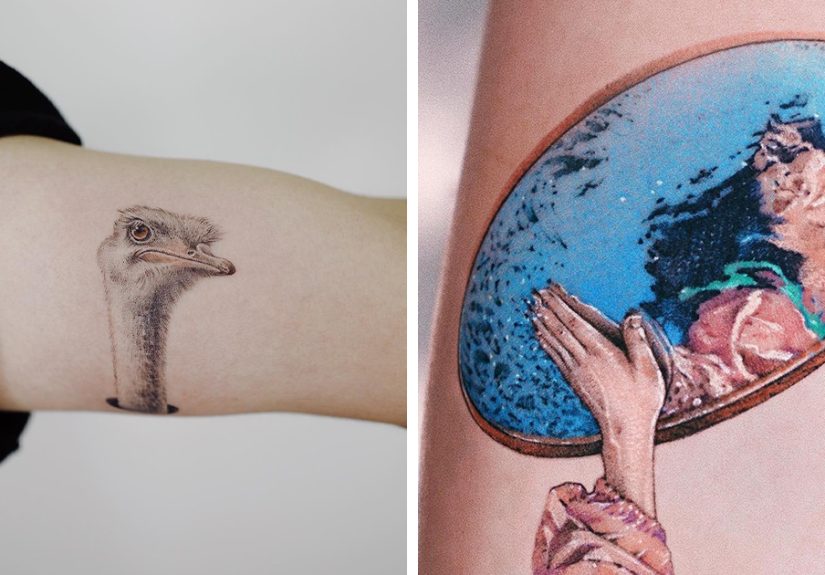
Realism tattoosalso called hyper-realistic tattoos or photorealistic tattoosaim to recreate the illusion of real life: pores, shine, fabric texture, glass reflections, and that specific “movie-poster lighting” that makes everything look heroic.
When it’s done well, a realism tattoo isn’t just “good for a tattoo.” It’s good, period. The best pieces hold up from a few feet away (the “Wow!” distance) and also up close (the “How is that skin?!” distance).
The realism toolkit (in human language)
- Value control: Knowing how dark is dark, how bright is bright, and where to place contrast so the tattoo reads like a photograph.
- Color temperature: Warm highlights, cool shadows, believable skin tonesespecially tricky on real skin (because skin is not a neutral white canvas).
- Edge strategy: Hard edges for focus, soft edges for realism. Your tattoo needs a “camera lens.”
- Layering: Realism builds slowlyglazes, passes, refinements, and that last 10% that takes 50% of the time.
- Patience: The kind of patience that makes a 10-hour session sound like a casual brunch.
Meet Nikko Hurtado: The Color-Realism Heavyweight
Hurtado is widely associated with high-contrast, high-saturation portrait work and pop-culture realismpieces that look like they were printed onto skin by a very polite robot with an art degree.
His career is often linked to an early breakthrough: a Batman color portrait that helped put him on the map and is frequently referenced as a turning point in his trajectory as a color-portrait specialist.
Today, his work spans portraits, horror, comic-book realism, and large-scale sleeves. He’s also known for building a studio ecosystem around talent and consistencybecause hyper-realism doesn’t happen in a messy room with “mystery needles” and vibes.
What Makes His Realism Tattoos Look So “Real”?
Plenty of artists do realism. Fewer artists do realism that feels like it has depthlike you could tap it and hear a faint “knock.” Hurtado’s strongest pieces tend to share a few traits:
- High-contrast readability: The tattoo reads immediately, even at a glance.
- Intentional color decisions: Skin tone, undertones, reflected lighthandled like a painter, not a printer.
- Modern pop-culture subject matter: Characters and icons people recognize instantly, which raises the stakes. If the reference is famous, “kinda looks like” isn’t going to cut it.
- Finish work: Hair texture, pores, tiny highlight beadsthose micro-details that separate “nice tattoo” from “how is that legal?”
Artist Creates Flawlessly Realistic Tattoos: His 30 Best Works
Note: “Best” is always subjective, but these 30 pieces are standout examples of what realism can doranging from pop culture to horror to deeply personal memorial work.
The Batman Color Portrait That Sparked a Career Shift
A landmark piece in Hurtado’s story: a bold, color-heavy Batman portrait that helped define him as a go-to realism tattoo artist. It’s the kind of tattoo that doesn’t whisper “fan art”it announces, “I live here now.”
A “Batman Years” Matchup (Multiple Takes, One Obsession)
Hurtado has revisited Batman imagery multiple times, showing how the same subject can evolve across yearssharper values, richer color, cleaner transitions. It’s like watching an artist level up in real time.
The Joker Portrait With That Uncomfortable Realism
A Joker piece associated with a specific cinematic vibegritty, intense, and unsettling in the best way. The expression work is the flex here: realism lives or dies in the eyes and mouth.
Harley Quinn (Bright, Glossy, and Slightly Dangerous)
A Harley portrait that leans into saturated color and crisp facial structure. It’s playfuluntil you realize you’re looking at a face that could blink if you stare too long.
Catwoman (Contrast Turned Up to “Cinematic”)
A Catwoman tattoo where the lighting does most of the storytellingdeep shadows, clean highlights, and that sleek, polished finish realism fans love.
Venom (Healed and Still Punchy)
Venom is a realism playground: wet shine, teeth, tendrils, and chaos. A healed Venom piece also proves a point collectors care aboutgood technique should age with strength, not sadness.
Carnage (A Long Session in Red and Rage)
Carnage isn’t subtle, and it shouldn’t be. This one’s about controlled mayhem: layered reds, sharp detail, and enough texture to make you feel like the tattoo might start crawling.
Venom x Spider-Man (Chaos Meets Heroism)
A mash-up concept that depends on clarity: two visual identities, one readable composition. The trick is keeping the action dynamic without turning the leg into “confusing ink soup.”
Deadpool Energy (Comedy, But Make It Technical)
Deadpool pieces can’t be lazy, because the character is loud by design. Clean rendering and sharp color make the humor land without sacrificing realism.
Deadpool vs. Wolverine (Big, Bold, and Built for a Leg)
Battle compositions are hard: multiple focal points, motion, and recognizable faces. This one’s a “stand back and admire” tattoothen walk closer and spot the little texture touches.
Wolverine Portrait (The “Claws Out” Moment)
A Wolverine portrait tied to a well-known live-action look. The realism challenge is balancing rugged skin texture with stylized comic intensityand making the metal feel like metal.
Wolverine (Work-in-Progress That Still Looks Finished)
Some artists post “in progress” shots that look like… progress. This is the other kind: a piece that already reads as complete because the value structure is locked in early.
A Star Wars Sleeve (Dark Side, Bright Color)
Star Wars realism demands crisp costume detail and dramatic lighting. This sleeve leans into the cinematic moodbold contrast, clean gradients, and that “space opera” glow.
Star Wars Leg Sleeve (The Long Game)
Large-scale realism is a marathon: consistency across sessions, consistent palette, consistent lighting logic. A good sleeve feels like one artwork, not separate tattoos that happen to share a zip code.
Yoda (Small Face, Huge Responsibility)
Rendering an instantly recognizable character with believable texture is tricky. Yoda’s wrinkles, highlights, and expression are the whole storyand realism doesn’t forgive shortcuts.
Darth Maul (Red Skin, Real Shadows)
Darth Maul portraits live or die by contrast: deep blacks, sharp facial markings, and controlled reds that don’t flatten. This one leans into dramatic light to keep it dimensional.
General Grievous (Mechanical Texture Done Right)
Metal texture is realism’s favorite test. Grievous demands clean reflections and readable formsbecause if the armor turns muddy, the whole piece loses its “machine” vibe.
Darth Vader + Death Star Mood Lighting
Vader portraits need that iconic helmet sheen. When the highlights are placed correctly, the helmet feels like a real objectnot a black shape with opinions.
Harry Potter (A Multi-Element Composition)
Wizard-world tattoos often combine portrait and atmosphere: light effects, props, and that cinematic softness. The composition matters as much as the face.
Michael Myers (Classic Horror, Modern Finish)
Horror realism is a balancing act: keep it creepy, keep it readable, keep it textured. Myers portraits thrive on subtle value shiftsbecause “blank mask” is not actually blank.
Michael Myers Collection (Same Villain, Different Treatments)
Revisiting a character across multiple tattoos shows range. Different crops, different lighting, different moodlike a horror director shooting the same monster with a new lens.
Pennywise (Healed, No-Fuss, Still Intense)
A healed Pennywise piece is a flex because time is the final judge. When the color and contrast still read years later, it’s not luckit’s structure.
Pennywise “Dancing Clown” (Playful… Until It Isn’t)
The unsettling charm of Pennywise is in the expression. Realism makes that expression feel dangerously closelike the tattoo is trying to negotiate rent in your skin.
Cenobite / Pinhead-Style Portrait (Old-School Reference, New-School Clarity)
Horror portraits can be hard when the film references are gritty or low-res. A clean tattoo version requires reconstruction: rebuild the face with believable forms and crisp edges.
Nosferatu Add-On (Vintage Horror Meets Modern Ink)
Classic monsters have a different visual languagemore theatrical, more shadow-heavy. This kind of tattoo shines when it feels like an old film still brought to life.
A Horror Sleeve “First Round” (Big Shapes First, Details Later)
Great sleeves start with big, readable shapes and strong values. This first-pass approach shows discipline: lock the lighting and composition, then refine until it sings.
A Memorial Portrait of a Client’s Mother
Memorial tattoos demand technical accuracy and emotional sensitivity. The goal isn’t just “looks like the photo”it’s “feels like the person,” which is a much higher bar.
Kobe Tribute Tattoo (Respect, Detail, and Restraint)
Sports icons come with high expectations: fans know every facial angle. A tribute portrait has to nail likeness while keeping the design clean and timeless.
Michael Jordan Portrait (Early Stage, Strong Foundation)
Even a “start” on a portrait reveals the artist’s plan: values mapped, form established, and the face already reading correctly. Realism is built on smart scaffolding.
Ozzy Osbourne Portrait (Rock Energy in Skin Tone and Shadow)
Music-legend portraits depend on attitude as much as likeness. This kind of piece lives in the detailswrinkles, highlights, and that unmistakable stage persona.
Handwriting Transfer Tribute (Realism Without a Face)
Hyper-realism isn’t only portraits. Recreating a loved one’s handwriting is its own kind of realismtiny imperfections preserved exactly, like a personal time capsule in ink.
How to Choose a Realism Tattoo Artist (Without Regret)
Realism tattoos are a commitment. They take time, they cost more, and they’re not forgiving if you “went with the cheapest option because the internet said it builds character.”
What to check in a realism portfolio
- Healed photos: Fresh tattoos can look shiny and perfect. Healed work shows the truth.
- Consistent lighting: Realism needs believable light direction. If it’s random, it reads random.
- Skin-tone range: Great artists understand how color behaves on different complexions.
- Large pieces: Portraits and sleeves reveal planning skillscomposition, flow, and longevity.
Safety and Aftercare: Keep It Looking Like a Photo, Not a Problem
A realism tattoo is basically a tiny, beautiful controlled injury. Treat it like art and like a healing wound. Dermatology guidance commonly emphasizes gentle cleansing, avoiding irritating products, and protecting healing skin from sun exposure.
Aftercare basics (simple, not scary)
- Keep it clean: Wash gently with mild soap and lukewarm water.
- Moisturize thoughtfully: Many dermatology resources recommend water-based, fragrance-free moisturizers and caution against heavy petroleum products that can interfere with healing or appearance.
- Don’t cook it in the sun: UV exposure can fade ink. Protect the area, and once healed, sunscreen becomes your tattoo’s best friend.
- Watch for infection signs: Unusual swelling, heat, pus, or worsening pain deserve medical attention.
One more modern reality check: there has been public reporting and regulatory attention around potential microbial contamination in some tattoo inks, which is why reputable studios care so much about safe sourcing, clean procedures, and professional standards.
Conclusion: Realism Tattoos That Make Your Brain Do a Double Take
Nikko Hurtado’s best work sits at the intersection of technical discipline and pop-culture storytelling. Whether it’s a cinematic character portrait, a horror icon, a massive sci-fi sleeve, or a deeply personal memorial piece, the common thread is the same: intentional lighting, controlled color, and detail that feels earned.
If you’re thinking about getting a hyper-realistic tattoo, treat it like commissioning artbecause that’s exactly what you’re doing. Pick the right artist, plan the right design, commit to the healing process, and you’ll end up with something that doesn’t just look impressiveit looks impossible.
Real-World Experience: Getting a Hyper-Realistic Tattoo (The Part Nobody Brags About)
Here’s the honest truth about realism tattoos: the final photo on Instagram is the reward. The process is the workout. And yes, it’s worth itif you go in with the right expectations.
First, you don’t just “pick a design.” You build one. A realism artist will usually ask for reference images that actually make sense for skin. That means sharp lighting, clear angles, and enough resolution to see texture. If your reference is a blurry screenshot from a 2007 flip phone, the artist isn’t being dramatic when they say, “We need a better photo.” They’re protecting your future.
Next comes placementand this is where many people learn humility. Realism needs room. A tiny portrait on a tiny spot can end up looking like a postage stamp fighting for its life. Bigger areas (thigh, upper arm, calf, back, forearm) give the artist space to create depth and smooth transitions. Your artist may gently steer you away from “micro-realism” if the subject demands detail. Listen. Your ego will recover faster than a cramped tattoo.
Then there’s the session. Realism sessions can be long because the work is layered. Artists often build the foundation firstbig shapes, value mapping, basic color blocksthen refine until the piece “clicks.” That means the halfway point can look underwhelming if you don’t understand the process. It’s like judging a cake after someone mixed flour and eggs and saying, “This dessert seems aggressive.” Give it time.
Pain-wise, realism isn’t automatically worse than other styles, but the duration changes the game. Even if you have a solid pain tolerance, your body gets tired. Bring snacks. Hydrate. Don’t show up hungover like you’re auditioning for a cautionary tale. Some collectors swear by good sleep the night before because it helps with endurance. Also: wear comfortable clothing. Nothing says “I made questionable decisions” like trying to hold a pose for six hours while wearing jeans that hate you.
Now the big part: healing. Realism tattoos often rely on subtle gradients and clean contrast, so sloppy aftercare can blur what you paid for. Keep it clean, keep it moisturized (not drenched), and don’t treat it like a scratch-and-sniff sticker. Don’t pick. Don’t over-wash. Don’t “test” the tattoo by rubbing it like you’re trying to start a campfire. And avoid sun exposure during healingUV is basically a villain origin story for fresh tattoos.
Finally, there’s the emotional part people don’t mention: after a long realism piece, you may experience a weird little comedown. You’ve anticipated it, you’ve sat through it, and now your body is like, “We survived. Why do we feel dramatic?” Totally normal. Rest, eat, hydrate, and enjoy the moment when you catch your tattoo in the mirror and it looks like a photograph living on your skin. That’s the payoff. That’s the magic. And that’s when you start planning the next onebecause realism tattoos have a way of turning “one piece” into “a collection.”