Table of Contents >> Show >> Hide
- What Makes Laugenbrezeln Truly “German”?
- Ingredients for Authentic German Soft Pretzels
- Step-by-Step: How to Make Authentic German Soft Pretzels
- Lye vs. Baking Soda: Which Should You Use?
- Tips for Perfect Laugenbrezeln Every Time
- Serving Ideas and Variations
- Storage, Freezing, and Reheating
- My Soft Pretzel Kitchen Notes & Experiences
- Conclusion
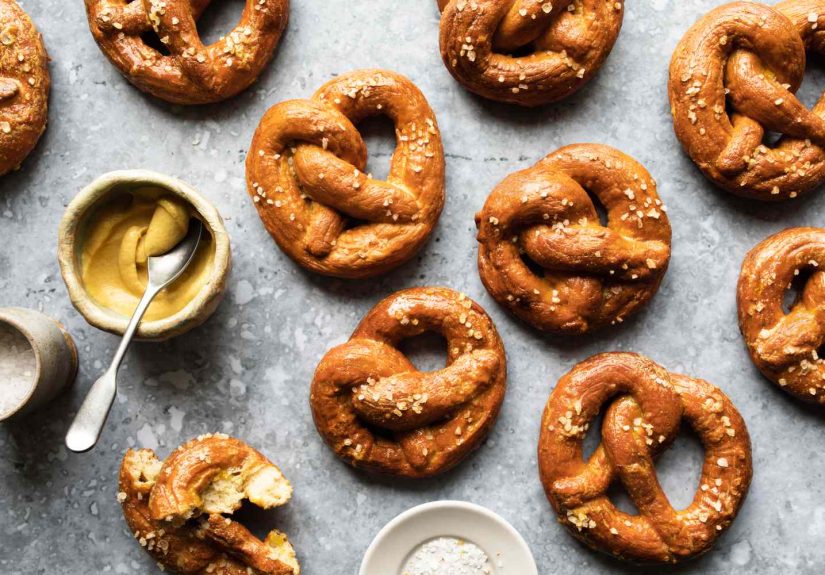
If you’ve ever stood in a German bakery staring lovingly at an entire wall of golden-brown pretzels, wondering how on earth they get that shiny crust and deep malty flavor, this recipe is your ticket. Authentic German soft pretzels, or Laugenbrezeln, are chewy, slightly crisp on the outside, and unbelievably soft inside. The secret isn’t magic – it’s science, a little patience, and an alkaline bath that gives pretzels their unmistakable look and flavor.
In this guide, you’ll get a step-by-step authentic German soft pretzel recipe with both a traditional food-grade lye bath and an easier baking soda alternative. We’ll walk through shaping, dipping, baking, and serving, plus troubleshooting tips so your first batch looks like it came straight from a Bavarian bakery.
What Makes Laugenbrezeln Truly “German”?
Anyone can twist dough into a knot and call it a pretzel. Authentic Laugenbrezeln (literally “lye pretzels”) have a few defining traits:
- Deep mahogany crust: Achieved by dipping the shaped dough in an alkaline solution (traditionally lye) before baking.
- Distinct shine: That glossy, almost lacquered look isn’t from an egg wash – it’s from chemistry.
- Chewy but tender crumb: The interior is soft, moist, and slightly bready, not dry or fluffy like a dinner roll.
- Classic pretzel shape: A long rope crossed over itself, with the ends pressed back into the round “belly.”
- Coarse salt on top: Pretzel or kosher salt gives bursts of salinity in each bite.
Traditionally, German bakers use food-grade lye (sodium hydroxide) in a relatively mild solution to get that signature color and flavor. At home, you can absolutely use lye safely with a few precautions, or go with a baking soda bath for a still-delicious, family-friendly version.
Ingredients for Authentic German Soft Pretzels
For the Pretzel Dough
- 1 ½ cups (355 ml) warm water, about 100–105°F
- 2 ¼ teaspoons (1 packet, 7 g) active dry yeast or instant yeast
- 1 tablespoon (12 g) brown sugar
- 1 teaspoon (4 g) granulated sugar (optional, helps jump-start yeast)
- 4 cups (about 500 g) bread flour or strong all-purpose flour, plus extra for dusting
- 2 teaspoons (10 g) fine sea salt
- 2 tablespoons (28 g) unsalted butter, softened
For the Traditional Lye Bath (Optional but Most Authentic)
Use only food-grade lye and non-reactive equipment (stainless steel, glass, or plastic).
- 4 cups (950 ml) cold water
- 1 ½ tablespoons (about 20 g) food-grade lye pellets
- Gloves and eye protection
For the Baking Soda Bath (Easier Alternative)
- 6 cups (1.4 L) water
- ½ cup (110 g) baking soda
Optional: bake the baking soda at 300°F for 1 hour before using to make it more alkaline.
For Finishing
- Coarse pretzel salt or kosher salt
- 2 tablespoons (28 g) melted butter (optional, for brushing after baking)
Step-by-Step: How to Make Authentic German Soft Pretzels
1. Mix and Knead the Dough
- Bloom the yeast (if using active dry): In a large mixing bowl, combine warm water, brown sugar, and granulated sugar. Sprinkle the yeast over the top and let it sit for 5–10 minutes until foamy. If using instant yeast, you can skip the blooming and mix it directly with the flour instead.
- Combine dry ingredients: In a separate bowl, whisk together the flour and salt.
- Bring the dough together: Add the softened butter and the flour mixture to the yeast mixture. Stir with a wooden spoon or dough hook until a rough dough forms.
- Knead: Knead by hand on a lightly floured surface for 8–10 minutes, or with a stand mixer and dough hook for about 6–8 minutes. The dough should be smooth, elastic, and only slightly tacky, not sticky.
If the dough is very sticky, sprinkle in a tablespoon of flour at a time. If it feels dry and stiff, add a teaspoon of water at a time. You’re aiming for a soft, supple dough that holds its shape.
2. First Rise (and Optional Cold Rest)
- First rise: Shape the dough into a ball and place it in a lightly oiled bowl. Cover with plastic wrap or a clean kitchen towel and let rise at room temperature for 60–90 minutes, or until doubled in size.
- Optional overnight rest: For deeper flavor and better texture, punch down the dough gently after the first rise, cover tightly, and refrigerate for 8–12 hours. Let it sit at room temperature for 20–30 minutes before shaping.
3. Divide and Shape Classic Laugenbrezeln
- Portion the dough: Turn the dough onto a lightly floured surface. Divide into 10–12 equal pieces (about 80–90 g each for medium pretzels, or up to 120 g each for big bakery-style ones).
- Pre-shape: Roll each piece into a short log and let them rest, covered, for 5–10 minutes. This relaxes the gluten so you can roll long ropes without too much spring-back.
- Roll the ropes: Working with one piece at a time, roll into a rope about 24–28 inches long. Aim for slightly thicker in the middle and thinner at the ends.
- Form the pretzel: Make a large U shape, cross the ends over each other twice, then fold the twisted ends back down to the base of the U, pressing firmly to stick. You should have a plump “belly” at the bottom with the twist sitting neatly above it.
Transfer shaped pretzels to a parchment-lined baking sheet. If the ends keep popping up, press them firmly into the dough or dab with a tiny bit of water as “glue.”
4. Chill the Pretzels Before the Bath
Chilling helps the pretzels hold their shape during the lye or baking soda bath, and it improves the crust.
- Place the baking sheet with shaped pretzels in the refrigerator for 20–30 minutes, or in the freezer for about 10–15 minutes. They should feel slightly firm to the touch but not frozen solid.
5. Prepare the Alkaline Bath (Lye or Baking Soda)
Option A: Traditional Food-Grade Lye Bath
Safety first: Wear gloves and eye protection. Work in a well-ventilated area. Keep kids and pets away. Never use aluminum pots or utensils with lye – it can react with the metal.
- In a non-reactive container (glass, stainless steel, or food-safe plastic), add the cold water first.
- Slowly sprinkle the food-grade lye into the water, stirring gently until dissolved. Always add lye to water, not water to lye.
The solution will warm up as the lye dissolves. Let it cool to room temperature before dipping pretzels.
Option B: Baking Soda Bath
- Bring 6 cups of water to a gentle boil in a large, wide pot.
- Slowly add the baking soda (it will foam a bit), stirring until dissolved.
- Reduce to a simmer while you dip the pretzels.
If you baked your baking soda beforehand, the solution will be more alkaline and produce a darker, more authentic crust than regular baking soda.
6. Dip, Salt, and Bake
- Preheat oven: Heat your oven to 450°F (230°C). Line a baking sheet with parchment paper or a silicone baking mat.
- Dip the pretzels: Using gloved hands or a slotted spatula, dip each chilled pretzel into the lye solution for about 20–30 seconds, or boil in the baking soda solution for about 30–45 seconds. Make sure the surface is fully coated.
- Drain: Lift each pretzel out, let excess solution drip off, and place it back on the prepared baking sheet.
- Score (optional but traditional): Use a sharp knife or razor blade to slash a shallow line across the fat “belly” of each pretzel. This controls how the pretzel opens up in the oven.
- Salt: Sprinkle generously with coarse pretzel salt or kosher salt while still wet.
- Bake: Bake for 12–15 minutes, rotating the pan once, until the pretzels are a deep brown with a glossy sheen. Baking soda pretzels will be golden to medium brown; lye pretzels will go a deeper, mahogany shade.
7. Cool Briefly and Serve
Transfer pretzels to a cooling rack and let them rest for at least 5 minutes. If you like, brush them with melted butter while still warm for a softer crust and richer flavor. Enjoy plain, with soft butter, mustard, cheese dip, or the classic Bavarian cheese spread called Obatzda.
Lye vs. Baking Soda: Which Should You Use?
Both methods will give you delicious homemade soft pretzels, but they’re slightly different experiences:
Lye Bath (Most Authentic)
- Pros: Deepest color, shiniest crust, and the most traditional pretzel flavor. You’ll get that unmistakable German bakery vibe.
- Cons: Requires food-grade lye, gloves, eye protection, and careful handling. Not ideal if you’re baking with young kids.
Baking Soda Bath (Beginner-Friendly)
- Pros: Baking soda is cheap, easy to find, and safe to handle. Great for casual baking or family projects.
- Cons: The crust is lighter in color and a bit less intense in flavor, especially if you skip “baking” the baking soda first.
If you’re going for truly authentic German Laugenbrezeln and you’re comfortable with the safety steps, lye is worth trying at least once. If you just want something soft, salty, and addictive for game day or an Oktoberfest party, the baking soda version will absolutely do the job.
Tips for Perfect Laugenbrezeln Every Time
- Weigh your ingredients: Using a kitchen scale (especially for flour and water) helps avoid dry or dense pretzels.
- Don’t rush the dough: Allow enough kneading and rising time so the gluten develops and the yeast can build flavor.
- Chill before dipping: Slightly firm pretzels are easier to handle in the bath and hold their shape better in the oven.
- Score the belly: That little slash isn’t just for looks – it gives the pretzel a controlled “ear” where it can expand.
- Use the right salt: Fine table salt dissolves and disappears; coarse salt gives you that classic pretzel bite.
- Rotate the pan: Every oven has hot spots, so turning the pan halfway through helps with even browning.
Serving Ideas and Variations
Once you’ve mastered the base German soft pretzel recipe, you can get creative:
- Butterbrezeln: Slice pretzels horizontally, spread with a generous layer of softened salted butter, and “stick” them back together. Simple, extremely German, and dangerously good.
- Oktoberfest platter: Serve pretzels with sausages, mustard, pickles, and a big mug of beer.
- Cinnamon sugar twist: Skip the salt, bake as usual, then brush with melted butter and toss in cinnamon sugar for a sweet festival-style treat.
- Mini pretzel bites: Cut ropes into 1–2 inch pieces instead of shaping full pretzels, then dip, salt, and bake for bite-sized snacks.
- Pretzel sandwiches: Use large pretzels as the “bun” for ham and cheese, turkey and mustard, or egg salad.
Storage, Freezing, and Reheating
- Room temperature: Pretzels are best the day they’re baked. Store leftovers in an airtight container at room temperature for up to 2 days.
- Freezing: Let pretzels cool completely, then freeze in a single layer on a baking sheet before transferring to a freezer bag. They keep well for 1–2 months.
- Reheating: Reheat at 325°F (165°C) for 8–10 minutes directly from the freezer or for 4–6 minutes if thawed, until warmed through and slightly crisp again.
My Soft Pretzel Kitchen Notes & Experiences
The first time you make Laugenbrezeln at home, it might feel like a lot: mixing dough, shaping long ropes, messing with some kind of mysterious alkaline bath. But once you’ve done it once or twice, it becomes surprisingly routine – and honestly, a little addictive.
One of the biggest “aha” moments most home bakers have is about dough consistency. If your dough feels like pizza dough – stiff, elastic, and hard to roll into long ropes – it will fight you every step of the way. The ropes spring back, the ends pop up, and your pretzels look like little angry knots instead of elegant bakery shapes. The fix is simple: slightly higher hydration and enough kneading. A soft, smooth dough is much easier to roll into long strands without a battle.
Another gamechanger is chilling. Shaping warm, freshly risen dough and tossing it directly into a bath is asking for shapeless blobs. When you chill the pretzels first, they behave. The surface firms up, the twist stays tight, and dunking them in lye or baking soda solution feels manageable instead of stressful. If you’ve ever wondered why pretzels online look so perfectly sculpted, this is one of the not-so-secret tricks.
If you decide to take the plunge into lye territory, the experience is both slightly nerve-wracking and oddly empowering. You glove up, put on your serious face, and suddenly feel like a cross between a baker and a chemist. The good news: the solution used for pretzels is relatively mild compared to what soap makers use, and as long as you respect basic safety (add lye to water, not the other way around; avoid splashing; don’t touch it with bare hands), it’s very manageable. The payoff is instant visual gratification – those pretzels go from pale beige dough to deep brown, glossy beauties in the oven.
On the flip side, the baking soda method shines when you’re baking with kids or just want a low-stress weekend project. There’s something fun about rolling ropes of dough together at the kitchen table, “drawing” big pretzel shapes, and letting everyone personalize their topping – extra salt, sesame seeds, everything bagel seasoning, or even cinnamon sugar. You still get that soft interior and a nicely browned crust, just a bit lighter in color and flavor than the lye version.
One small but important detail: scoring the belly. It feels like an extra step, but it’s basically your steering wheel for how the pretzel opens up in the oven. Without a score, the pretzel may crack randomly, usually somewhere unflattering. With a shallow, confident slash, the belly puffs dramatically, showing off a lighter interior against the darker crust. It’s that bakery finish that makes people ask, “Wait, you made these yourself?”
Over time, you’ll probably tweak this authentic German soft pretzel recipe to match your preferences. Maybe you like a slightly sweeter dough, or you swap part of the water for beer for subtle maltiness. Maybe you prefer bigger, beer-hall-sized pretzels that are almost a full meal, or small snack pretzels that disappear embarrassingly fast during movie night. That’s the beauty of homemade pretzels: once you understand the core technique – good dough, a proper alkaline bath, and hot baking – the details become your playground.
Whether you’re planning a full Oktoberfest spread or just want a cozy baking project on a rainy afternoon, Laugenbrezeln deliver every time. A warm, freshly baked pretzel with a cold drink and a little dish of mustard or soft butter is one of those simple pleasures that somehow feels like a small vacation to Germany, no plane ticket required.
Conclusion
Authentic German soft pretzels may look impressive, but behind that gorgeous, glossy crust is a straightforward process you can absolutely master at home. With a well-balanced dough, a quick chill, and either a lye or baking soda bath, you’ll get Laugenbrezeln that are deeply flavorful, beautifully browned, and miles ahead of anything in the freezer aisle.
Once you’ve made them once, don’t be surprised if pretzel night becomes a regular event – especially when friends and family find out you have a genuine Bavarian-style pretzel recipe up your sleeve.