Table of Contents >> Show >> Hide
- A Quick Thyroid Primer (So the Rest Makes Sense)
- Where Ayurveda Fits (and Where It Doesn’t)
- Potential Benefits of Ayurvedic Approaches for Thyroid Health
- Efficacy: What the Research Suggests About Popular Ayurvedic Herbs
- The Ayurvedic Tools With the Best “Low-Risk, High-Upside” Profile
- Safety: The Part People Skip Until Something Gets Weird
- How to Use Ayurvedic Support Responsibly (A Practical Game Plan)
- Bottom Line: Benefits and Efficacy in Plain English
- Experiences With Ayurvedic Medicine for Thyroid (Anecdotal, Real-World Themes)
- Experience theme #1: “The routine helped more than I expected.”
- Experience theme #2: “Stress support felt like thyroid support.”
- Experience theme #3: “Herbs helped…until they didn’t.”
- Experience theme #4: “Finding a qualified practitioner changed everything.”
- Experience theme #5: “Quality and trust became the main issue.”
- Experience theme #6: “Integrative care felt sustainable.”
- Conclusion
The thyroid is a tiny gland with a big personality. When it’s running the show smoothly, you don’t notice it.
When it’s not, suddenly your energy, mood, weight, sleep, skin, digestion, and even your “Is it always cold in here?”
complaints can feel like a group project gone wrong.
That’s why many people living with thyroid conditions get curious about complementary optionsespecially
Ayurveda, a traditional system of medicine with a long history of herbs, diet routines, and mind-body practices.
The big question is: does Ayurvedic medicine actually help thyroid problems?
Let’s walk through what thyroid conditions are, where Ayurveda may fit (and where it definitely shouldn’t),
what the research says about common Ayurvedic herbs, and how to approach all of this safelybecause your thyroid
doesn’t need extra drama.
A Quick Thyroid Primer (So the Rest Makes Sense)
Your thyroid makes hormones that help regulate metabolismhow your body uses energy. If your thyroid hormone levels
are too low, many body processes slow down. If levels are too high, things can speed up too much.
Common thyroid conditions
-
Hypothyroidism (underactive thyroid): Often linked to autoimmune thyroiditis (commonly called Hashimoto’s),
prior thyroid surgery, radioactive iodine treatment, certain medications, or iodine imbalance. -
Hyperthyroidism (overactive thyroid): Often linked to autoimmune disease (commonly called Graves’), thyroid nodules,
or inflammation of the thyroid (thyroiditis). -
Subclinical thyroid disease: Blood test changes (often TSH) without obvious symptomsor symptoms that are easy to blame
on life being life.
How thyroid problems are diagnosed
Diagnosis is typically based on blood testsespecially TSH (thyroid-stimulating hormone) and thyroid hormone levels (often free T4,
sometimes T3), plus thyroid antibody tests when autoimmune disease is suspected. Symptoms matter, toobut they’re not specific.
“Tired” is a symptom of thyroid disease, stress, too little sleep, too much scrolling, and being human.
Because thyroid hormones affect your heart, bones, fertility, mood, and more, accurate diagnosis and monitoring matter.
This becomes extra important when adding supplements or herbs that could shift thyroid hormone levels.
Where Ayurveda Fits (and Where It Doesn’t)
Ayurveda is a traditional medical system that emphasizes balance through lifestyle, nutrition, and botanicals.
In Ayurvedic thinking, symptoms are often viewed as signals of imbalance in digestion, stress response, and daily routine.
Here’s the practical takeaway for thyroid care in modern life:
Ayurveda may be best viewed as complementary supportespecially for stress, sleep, digestion, and quality of life
rather than a replacement for evidence-based thyroid treatment.
If you have diagnosed hypothyroidism or hyperthyroidism, standard medical care is the foundation because untreated or poorly controlled
thyroid disease can lead to serious complications. Complementary approaches should be layered thoughtfully, not swapped in like a last-minute
substitute teacher.
Potential Benefits of Ayurvedic Approaches for Thyroid Health
When people look for “Ayurvedic medicine for thyroid,” they’re often looking for one (or more) of these outcomes:
1) Stress support (because your nervous system and thyroid often travel together)
Living with thyroid symptoms can be stressful. And chronic stress can worsen sleep, energy, appetite, and inflammation
all of which can make thyroid symptoms feel louder. Ayurvedic routines often emphasize calming practices, gentle movement,
breathwork, and consistent daily rhythms. These may not “fix” thyroid hormone levels directly, but they can improve
how you feel day to day.
2) Sleep and fatigue support
Fatigue is one of the most common complaints in hypothyroidism and can persist even when lab values improve.
Ayurveda often prioritizes sleep hygiene, routine, and calming rituals (think warm beverages, earlier bedtimes,
and reducing overstimulation). Again: not a thyroid hormone replacementbut sometimes a meaningful quality-of-life boost.
3) Digestive regularity and appetite balance
Constipation and sluggish digestion can accompany hypothyroidism. Ayurvedic food strategies often emphasize warm,
fiber-rich meals, hydration, and mindful eating. For some people, this can gently support bowel regularity and comfort.
4) A “whole-person” framework
Many people appreciate that Ayurveda doesn’t treat symptoms in isolation. While modern medicine focuses (correctly) on
measurable hormone balance, Ayurveda often adds structure around routine, nutrition, movement, and mental well-being
areas that can otherwise get neglected in the “just take your pill” era.
Efficacy: What the Research Suggests About Popular Ayurvedic Herbs
Here’s the honest state of the science: research on Ayurvedic herbs specifically for thyroid disease is limited.
A few small studies exist, and there are also case reports suggesting potential risksespecially for people already on thyroid medication.
If you remember one sentence from this section, make it this:
“Natural” can still be powerful enough to help, harm, or interfere.
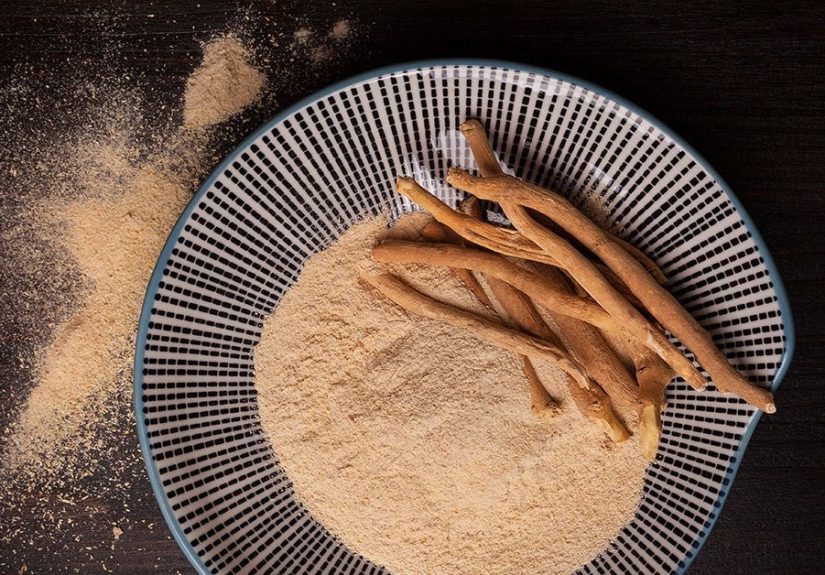
Ashwagandha (Withania somnifera)
Ashwagandha is a well-known Ayurvedic herb commonly used for stress and sleep. It also appears to influence thyroid hormone levels
in some people. A small clinical trial in people with subclinical hypothyroidism found improvements in thyroid lab markers over a short period.
That sounds promisingbut it comes with two big caveats:
- The evidence is early and limited: Small studies can be useful signals, but they’re not the same as large, long-term trials.
-
There are safety flags: Case reports describe thyrotoxicosis (excess thyroid hormone effects) in people taking ashwagandha,
sometimes after using it for stress or for self-treating thyroid symptoms.
Practical implication: if you have thyroid diseaseespecially hyperthyroidism, thyroiditis, or autoimmune thyroid conditionsor you’re taking
thyroid hormone medication, ashwagandha is not a “try it and see” supplement. It’s a “talk to your clinician first, then monitor carefully”
supplement. Your thyroid does not enjoy surprises.
Guggul (Commiphora mukul)
Guggul (often in formulas like “guggulu”) has been used traditionally for metabolism and lipid balance.
Some animal research suggests guggul may influence thyroid hormone activity, but strong human clinical evidence for treating thyroid disease
is not well-established.
Practical implication: guggul might be marketed for thyroid support, but the best-supported evidence is not robust enough to treat it like a
reliable thyroid therapy. It may also interact with medications and could be risky in certain thyroid states.
Kanchanar-based formulas (often used traditionally for “glandular” support)
Traditional Ayurvedic practice commonly includes botanical combinations designed for tissue balance and swelling.
You may see these recommended online for goiter-like concerns or nodules. The challenge is that
clinical evidence for safety and effectiveness in thyroid nodules or goiter is not strong,
and thyroid nodules require proper medical evaluation.
Practical implication: use caution with any supplement marketed for nodules or goiter. Do not self-treat a neck mass with an online cart checkout.
Triphala, turmeric/curcumin, and “digestive support” herbs
Some Ayurvedic herbs are used more for digestion and inflammation support than direct thyroid hormone effects.
These may help certain symptoms (like bowel regularity or general inflammation markers) for some people, but they’re not proven thyroid treatments.
Practical implication: symptom support can still be valuablejust don’t confuse “I feel less bloated” with “my thyroid disease is treated.”
What’s missing from the evidence
Many Ayurvedic recommendations are individualized and delivered as multi-herb formulas plus lifestyle changes. That’s difficult to study with
clean, standardized clinical trials. On top of that, supplements vary widely in potency and purityso even if a study finds benefit with one
standardized product, it doesn’t mean the bottle you buy matches it.
The Ayurvedic Tools With the Best “Low-Risk, High-Upside” Profile
If you’re trying to choose what’s most likely to help (and least likely to backfire), lifestyle and mind-body practices usually win.
They tend to be safer than hormone-active herbs, and the evidence base for stress reduction and well-being is stronger.
Yoga and gentle movement
Yoga won’t replace thyroid medication, but it can support stress regulation, flexibility, strength, and sleep quality.
For many people with thyroid disease, a consistent, moderate movement routine helps with energy, mood, and body confidence
especially when fatigue makes intense exercise feel impossible.
A smart approach is consistency over intensity: 15–30 minutes most days beats one heroic workout followed by three days of existential soreness.
Breathwork and meditation
Many Ayurvedic routines include breathing practices and meditation to calm the stress response. This can be helpful because thyroid symptoms
sometimes overlap with anxiety sensations (racing heart, restlessness, sleep disruption). Calming practices won’t “normalize TSH,”
but they can reduce symptom amplification.
Food and routine (“Dinacharya,” or daily rhythm)
A thyroid-friendly dietary pattern is generally boring in the best way: adequate protein, fiber, fruits and vegetables, whole grains,
and healthy fats. Ayurveda often leans toward warm, cooked meals and regular timing, which can support digestion and steadier energy.
One nutrition note that matters: thyroid hormones require iodine, but more is not always better. If you’re considering iodine supplements,
don’t guesstalk to a clinician. Too much iodine can worsen thyroid dysfunction in some people.
Safety: The Part People Skip Until Something Gets Weird
Safety isn’t a buzzkill; it’s the thing that lets you keep your eyebrows and your peace. With Ayurvedic products, the biggest safety issues tend to be:
1) Quality and contamination risks
Some traditional preparations may contain heavy metals, and there have been public health warnings about certain products containing harmful levels
of metals. This is not theoreticalit’s been documented. If you use any herbal product:
- Choose brands with reputable third-party testing (for identity, purity, and contaminants).
- Look for transparent batch testing and good manufacturing practices.
- Avoid products making disease-treatment claims that sound like a late-night infomercial.
2) Herb–medication interactions
This is crucial for thyroid care. Thyroid medications are dose-sensitive, and even small changes can shift symptoms and lab results.
Certain herbs may increase thyroid hormone effects or interfere with medications. If you take thyroid medication or antithyroid drugs,
bring every supplement label to your clinician or pharmacist.
3) Special caution groups
- Pregnant or trying to conceive: Thyroid balance is critical and supplements can be risky.
- Teens and children: Extra cautiondeveloping bodies are more sensitive to hormone shifts.
- Autoimmune disease: Some herbs may affect immune activity; this can be unpredictable.
- Heart rhythm issues: Hyperthyroid effects can increase risk of palpitations and arrhythmias.
How to Use Ayurvedic Support Responsibly (A Practical Game Plan)
If you want to explore Ayurveda while staying grounded in medical reality, here’s a sensible approach:
Step 1: Know your diagnosis and baseline labs
Before adding anything, know what you’re treating. Hypothyroidism, hyperthyroidism, thyroiditis, and “I feel off but my labs are normal”
require different strategies. Get baseline labs and understand what your clinician is monitoring.
Step 2: Start with lifestyle first
Begin with the safest levers: routine, sleep, stress management, and gentle movement. These have a favorable risk profile and may improve symptoms
without destabilizing labs.
Step 3: If you add an herb, add one thing at a time
If you change five things at once, you’ll never know what helped or harmed. Add one supplement at a time, keep the dose consistent,
and track symptoms and labs with your clinician’s guidance.
Step 4: Watch for “too high” or “too low” signals
If you develop symptoms like racing heart, tremor, sudden anxiety, heat intolerance, unexplained weight loss, or insomnia, stop and get medical advice.
Those can be signs your thyroid is being pushed too far in the “fast” direction. On the flip side, worsening fatigue, cold intolerance, constipation,
or brain fog may suggest under-treatment or shifting levels.
Step 5: Re-check labs on a sensible schedule
Thyroid labs don’t change overnight, and testing too frequently can create noise. But adding hormone-active supplements does justify monitoring.
Your clinician can recommend timing based on your condition and treatment plan.
Bottom Line: Benefits and Efficacy in Plain English
Ayurvedic medicine for thyroid health may offer meaningful supportive benefitsespecially in areas like stress, sleep,
digestion, and daily routine. These can improve how you feel and how well you stick to your overall care plan.
When it comes to direct thyroid hormone correction, the evidence for specific Ayurvedic herbs is limited and mixed.
A few early studies suggest potential, but there are also legitimate safety concernsparticularly the risk of pushing thyroid hormone levels
too high, interacting with medications, or encountering quality issues in supplements.
The smartest approach is integrative: use proven medical treatment as the foundation, and add low-risk Ayurvedic lifestyle practices first.
If you consider herbs, do it with professional guidance and careful monitoring.
Experiences With Ayurvedic Medicine for Thyroid (Anecdotal, Real-World Themes)
This section reflects common themes people report when experimenting with Ayurvedic approaches alongside conventional thyroid care.
These are not guarantees, and they shouldn’t replace medical advicebut they can help set realistic expectations.
Experience theme #1: “The routine helped more than I expected.”
Many people say the biggest shift didn’t come from a single magical herbit came from the “boring” parts: consistent sleep and wake times,
calmer mornings, regular meals, and less all-day grazing. When fatigue and brain fog are part of life with hypothyroidism, routines can feel like
training wheels for your nervous system. A small daily yoga session, a short walk after meals, or a simple wind-down ritual at night can be enough
to make symptoms feel less overwhelming.
Experience theme #2: “Stress support felt like thyroid support.”
Thyroid symptoms and stress symptoms can overlap. People often report that breathwork, meditation, or gentle yoga made them feel “more stable,”
even when their lab numbers didn’t dramatically change. Less jitteriness, fewer stress-eating spirals, and better sleep can create a ripple effect:
when you’re sleeping better, you’re more likely to move more; when you move more, digestion improves; when digestion improves, energy feels steadier.
It’s not a cureit’s a chain reaction.
Experience theme #3: “Herbs helped…until they didn’t.”
A recurring story is that someone tries an herb marketed for thyroid support and initially feels more energeticthen later feels too revved up,
anxious, or unable to sleep. Sometimes this happens when herbs are combined with thyroid hormone medication, creating an unintended “double push.”
People who had the smoothest experiences tend to be those who added one supplement at a time, used reputable products, and rechecked labs
instead of guessing based on vibes alone.
Experience theme #4: “Finding a qualified practitioner changed everything.”
Ayurveda is traditionally individualized. People who consult a trained, reputable practitioner often report a more coherent plan:
dietary guidance that fits their digestion and lifestyle, realistic movement practices, and conservative supplement choices.
In contrast, people who “DIY Ayurveda” via social media sometimes end up trying multiple products at oncethen getting confused about what caused
which effect. If you’re going to blend systems, doing it with guidance can reduce risk and wasted money.
Experience theme #5: “Quality and trust became the main issue.”
Many people report that the hardest part wasn’t choosing an herbit was choosing a trustworthy product. Concerns about purity, contaminants,
and inconsistent dosing come up frequently. People who felt comfortable tended to stick with brands that offered third-party testing and clear
sourcing information, and they avoided products making bold disease-treatment claims. The general mood is: if a label sounds like it was written by
a confident raccoon with a marketing degree, it probably deserves skepticism.
Experience theme #6: “Integrative care felt sustainable.”
The most positive experiences usually come from an integrative mindset: medication (if needed) for hormone stability, plus Ayurveda-inspired
lifestyle practices for symptom management and well-being. People often describe this as feeling “less stuck” because they have more tools:
not just a prescription, but also routines that support sleep, stress, digestion, and movement. That sense of agency can matterespecially for
chronic conditions where progress is measured in months, not days.
If you take one lesson from these experiences, let it be this:
Ayurveda is most helpful when it supports the basics and least helpful when it becomes a substitute for diagnosis, monitoring, and safe treatment.