Table of Contents >> Show >> Hide
- Why Babies Pull Their Ears in the First Place
- 1. They Found Their Ears and Think They’re Fascinating
- 2. Teething Can Create Referred Pain
- 3. Earwax, Dry Skin, or Mild Irritation Can Make the Ear Feel Itchy
- 4. A Cold Can Make the Ears Feel Full or Uncomfortable
- 5. It Could Be a Middle Ear Infection
- 6. Outer Ear Problems Are Less Common, but They Happen
- How to Tell Whether Baby Ear Pulling Is Normal or a Warning Sign
- Signs Baby Ear Pulling Might Be Something More Serious
- When You Should Worry and Call the Doctor
- What You Can Do at Home
- What Not to Do
- What a Doctor May Check
- Real-Life Parent Experiences With Baby Ear Pulling
- Conclusion
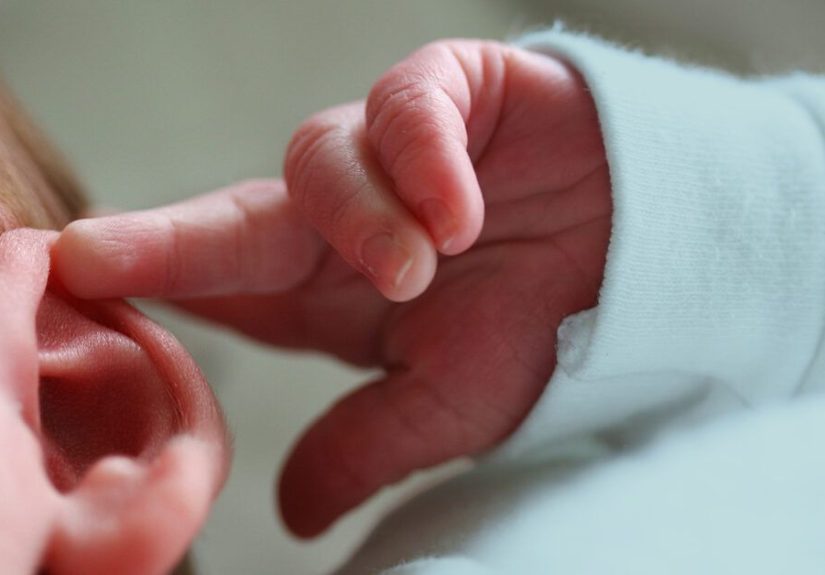
If your baby keeps yanking on one ear like they are trying to tune in a better radio station, take a breath. Baby ear pulling is incredibly common, and in many cases it is more “tiny human discovers body parts” than “drop everything and panic.” Babies grab ears because they are curious, tired, teething, itchy, congested, or simply because ears are right there and surprisingly grabbable. The tricky part is that ear pulling can also show up with an ear infection or another ear problem, which is why the context matters more than the tug itself.
That is the big takeaway parents often miss: ear pulling alone usually does not equal ear infection. A baby who is otherwise happy, feeding well, sleeping normally, and acting like their usual adorable chaos machine may just be exploring. But a baby who is pulling at the ear and also has a fever, drainage, inconsolable crying, trouble sleeping, or swelling around the ear deserves a closer look. In other words, the ear tug is not the headline. The rest of the symptoms write the story.
This guide breaks down the common causes of baby ear pulling, the signs that suggest something more serious, and when it is smart to call your pediatrician. Consider it your calm, practical, no-drama roadmap for one of parenting’s most confusing little mysteries.
Why Babies Pull Their Ears in the First Place
Babies do a lot of seemingly random things that make perfect sense once you remember they are learning the world from scratch. Ear pulling sits high on that list. It can be normal behavior, a response to discomfort, or a clue that something is irritating the ear.
1. They Found Their Ears and Think They’re Fascinating
Between about 4 and 12 months, many babies become newly aware of their ears. This is the age when they discover toes, hair, belly buttons, and anything else within grabbing distance. Ears can also become a self-soothing target. A sleepy baby may rub or tug an ear while winding down, much like another child sucks a thumb or cuddles a blanket.
If your baby is calm, not feverish, and not showing any other symptoms, this kind of ear pulling is usually harmless. It may look dramatic, but babies are not exactly known for subtlety. If they like the sensation, they will repeat it with full commitment.
2. Teething Can Create Referred Pain
Teething is another common reason for ear pulling in babies. The nerves in the gums, jaw, and ear area are close enough that discomfort from erupting teeth can seem to travel. A teething baby may rub the cheek, gum, and ear on the same side, especially later in the day when the fussiness meter tends to rise.
Clues that teething is the likely culprit include drooling, chewing on everything in sight, swollen gums, irritability, and a stronger urge to gnaw than usual. In that case, the ear tugging is often part of the broader “my mouth feels weird and I hate it” package. It is uncomfortable, yes, but not usually dangerous.
3. Earwax, Dry Skin, or Mild Irritation Can Make the Ear Feel Itchy
Sometimes a baby pulls at an ear because the outside of the ear or the ear canal feels itchy or uncomfortable. Dry skin, eczema, shampoo residue, or a little wax buildup can all make the area feel odd. Some babies rub the ear against a shoulder or mattress; others go straight for the grab-and-twist method.
If you notice flaky skin, a rash around the outer ear, or frequent rubbing without fever or severe pain, irritation may be the reason. The key is not to go digging. Parents often make a minor issue worse by trying to “clean” the ear with cotton swabs or fingers. Baby ears do not need a home excavation project.
4. A Cold Can Make the Ears Feel Full or Uncomfortable
Babies often pull at their ears during or after a cold. Congestion can affect the middle ear and create pressure or discomfort, even before an infection is confirmed. This is one reason ear pulling tends to show up alongside runny noses, poor sleep, and extra crankiness in cold season.
That does not always mean a middle ear infection is present. It may simply mean the ears feel “off.” Still, if your baby’s symptoms get worse instead of better, or the tugging starts to come with fever and obvious pain, it is time to think beyond simple congestion.
5. It Could Be a Middle Ear Infection
This is the cause most parents worry about, and sometimes it is the right guess. Ear infections are common in babies and toddlers, especially after upper respiratory infections. A younger child cannot say, “My ear hurts,” so the signs are behavioral: fussiness, trouble sleeping, crying more than usual, poor feeding, fever, and tugging or pulling at the ear.
Still, the important nuance is that ear pulling is just one possible symptom. On its own, it is not enough to diagnose an ear infection. A doctor usually needs to look into the ear with an otoscope to tell whether there is fluid, inflammation, or a bulging eardrum.
6. Outer Ear Problems Are Less Common, but They Happen
Sometimes the issue is not a middle ear infection but irritation of the outer ear or ear canal. Swimmer’s ear, for example, usually causes pain when the outer ear or earlobe is touched or moved. This is more common in older children after water exposure, but it can happen. Injury, a scratch, or a rare foreign body can also make a baby suddenly focus on one ear.
If your baby winces when the outer ear is touched, has visible redness, drainage, or a bad smell from the ear, that is less of a “watch and wait” situation and more of a “let’s get this checked” situation.
How to Tell Whether Baby Ear Pulling Is Normal or a Warning Sign
The easiest way to think about baby ear pulling is to ask one simple question: What else is going on? A baby who casually plays with an ear while smiling through snack time is very different from a baby who is miserable, sleepless, and suddenly refusing bottles.
Ear pulling is more likely to be harmless when your baby:
- Seems otherwise happy and comfortable
- Has no fever
- Is eating and drinking normally
- Is sleeping about the same as usual
- Has no ear drainage, swelling, or foul smell
- Is also teething or getting sleepy when the tugging happens
Ear pulling is more concerning when it comes with other symptoms, especially if they appear suddenly or intensify over a day or two.
Signs Baby Ear Pulling Might Be Something More Serious
If the ear tugging is paired with any of the symptoms below, there is a higher chance your baby is dealing with a real ear problem rather than a harmless habit.
Fever
A fever changes the equation. In babies, fever plus ear pulling can point to an infection, especially if the child also seems unusually fussy or uncomfortable. For infants younger than 3 months, any fever of 100.4°F (38°C) or higher should be taken seriously and discussed with a doctor promptly.
Persistent Crying or Obvious Pain
Normal exploratory ear touching does not usually come with nonstop crying. If your baby screams when lying down, cannot be soothed, or seems to be in clear pain, that is more consistent with earache than innocent ear fiddling.
Trouble Sleeping
Ear pain often feels worse at night or when a child is lying flat. If your baby suddenly starts waking up often, crying more in the crib, or refusing to settle while also tugging at an ear, that combination deserves attention.
Fluid or Pus Draining from the Ear
Drainage is never something to shrug off. Clear, cloudy, bloody, or pus-like fluid coming from the ear can mean infection or a ruptured eardrum, and it should be evaluated by a healthcare professional.
Poor Feeding or Unusual Irritability
Babies with ear pain may feed less because sucking and swallowing can increase pressure in the ear. If your normally enthusiastic eater starts refusing bottles or nursing sessions while also pulling at the ear, take note.
Balance Changes or Reduced Response to Sounds
Older babies may seem unusually off-balance, less steady, or less responsive to sound when an ear infection affects hearing. These signs are not always dramatic, but they matter.
Redness, Swelling, or Pain Behind the Ear
This is one of the bigger red flags. Swelling, redness, or tenderness behind the ear, especially with fever or drainage, can signal a more serious complication and needs prompt medical evaluation.
When You Should Worry and Call the Doctor
You do not need to call the pediatrician every time your baby brushes an ear. You should call when the pattern suggests pain, infection, or worsening illness.
Contact your doctor if your baby:
- Has ear pulling plus a fever
- Seems very fussy, hard to console, or in obvious pain
- Has symptoms lasting more than a couple of days
- Has fluid, pus, blood, or a bad smell coming from the ear
- Has trouble hearing or responding to sounds
- Stops eating or drinking normally
- Has swelling, redness, or tenderness behind the ear
- Cries when the outer ear is touched
Seek urgent medical care sooner if your baby is younger than 3 months and has a fever, looks very sick, becomes difficult to wake, or has rapidly worsening symptoms. Those are not “let’s see how tomorrow goes” moments.
What You Can Do at Home
If your baby is otherwise well and the ear pulling seems mild, you can monitor closely while keeping things simple.
Watch the Pattern
Notice when the tugging happens. Is it around naps? During teething flare-ups? Only with colds? A pattern can help you tell the difference between a habit and a medical problem.
Offer Teething Comfort
If teething seems likely, try a chilled teething ring or other pediatrician-approved comfort measures. Sometimes the ear pulling fades once the gum discomfort eases.
Keep the Outside of the Ear Clean and Dry
Gently clean only what you can see on the outside. Do not insert cotton swabs, fingers, oils, or random internet remedies into the ear canal. Baby ears are not a DIY zone.
Monitor Feeding, Sleep, and Temperature
These three clues often tell you more than the ear pulling itself. If feeding, sleep, and mood stay normal, the odds lean toward a less serious cause. If all three start unraveling at once, the odds shift.
What Not to Do
When parents worry about ear infections, they understandably want to act fast. The problem is that some common responses can make things worse.
- Do not stick cotton swabs into the ear.
- Do not assume ear pulling alone proves an infection.
- Do not use leftover antibiotics or ear drops unless a clinician says to.
- Do not ignore drainage, high fever, or severe pain.
- Do not keep waiting if your instincts say your baby is getting worse.
What a Doctor May Check
If you bring your baby in for ear pulling, the exam is usually straightforward. The clinician will ask about fever, sleep, crying, colds, feeding, and drainage. Then they will look in the ear to check for redness, swelling, wax, fluid behind the eardrum, or signs of infection.
That exam matters because parents cannot reliably tell the difference between teething, congestion, irritation, and a true ear infection just by looking from the outside. Even experienced parents get fooled here. Baby ears are humbling little plot twists.
Real-Life Parent Experiences With Baby Ear Pulling
One of the most helpful things for worried parents is hearing how this often unfolds in real life. For many families, baby ear pulling starts out as a mysterious little habit. A baby may tug one ear during bottle feeds, rub it while falling asleep, or twist it whenever they are tired. The first reaction is usually, “Oh no, ear infection.” But often the next few hours tell a different story: the baby still smiles, still eats, still naps, and wakes up the next day acting perfectly normal. In those cases, ear pulling turns out to be more like thumb-sucking with better accessories.
Other parents notice the tugging during teething spurts. Their baby drools like a tiny fountain, chews on every toy, shirt collar, and clean adult knuckle within range, and then starts rubbing the cheek and ear on the same side. The ear becomes the side character in a gum-drama production. Once the teething discomfort passes, the ear tugging usually fades too.
Then there are the cold-season experiences. A baby gets a runny nose, becomes extra clingy, sleeps poorly for a night or two, and starts pulling at an ear. Sometimes that is just congestion making everything feel uncomfortable. Sometimes it is the beginning of an ear infection. Parents often say the clue was not the ear pulling by itself but the whole picture: the baby stopped finishing feeds, woke crying every time they were laid flat, developed a fever, or seemed suddenly miserable in a way that felt different from ordinary fussiness.
Some parents also describe being thrown off by how subtle symptoms can be. There may be no dramatic screaming, just an unusually cranky baby who keeps pawing at one ear and does not seem interested in sound or play the way they usually are. Others say the giveaway was drainage on the crib sheet or a sharp cry when the outer ear was touched. Those are the moments when “maybe it is nothing” starts looking less convincing.
What parents consistently learn is that context matters more than the motion. Ear pulling by a happy baby is often just a quirk. Ear pulling by a sick, feverish, sleepless, hard-to-console baby deserves medical attention. That distinction helps families avoid both extremes: ignoring important symptoms and spiraling every time a tiny hand heads north toward an ear.
In everyday parenting life, this usually becomes one of those skills you build over time. You learn your child’s normal habits, their teething patterns, their sick-day tells, and the difference between “interesting” and “urgent.” Until then, the safest approach is simple: watch the full symptom picture, trust what you are seeing, and call your pediatrician when the behavior seems connected to pain or illness. You are not overreacting by checking. You are parenting.
Conclusion
Baby ear pulling is one of those behaviors that can mean almost nothing or a fair amount, depending on what comes with it. In many babies, it is a perfectly normal habit linked to curiosity, self-soothing, or teething. In others, it is one piece of a bigger puzzle that may include ear infection, irritation, or another problem that needs medical attention.
The smartest move is not to focus on the tug alone. Look at the full picture: fever, sleep, feeding, crying, drainage, swelling, and how your baby seems overall. If your child is acting well, the ear pulling may just be a baby being a baby. If the tugging comes with real signs of illness, that is your cue to call the doctor. Parenting may not come with a diagnostic otoscope, but it does come with observation, instinct, and the right to ask questions when something feels off.