Table of Contents >> Show >> Hide
- Why a Floor-First Makeover Works (Even If You Don’t Do Anything Else “Major”)
- Meet Malibu Wide Plank: The Flooring That’s Built for “Pretty” and “Practical”
- Planning Your Malibu Wide Plank Makeover Like a Pro (Without Becoming One)
- The Real Secret to a Beautiful Floor: Prep Work (Yes, Sorry)
- DIY Installation Tips That Make the Finished Floor Look Expensive
- Room-by-Room Makeover Ideas Using Malibu Wide Plank
- Maintenance: How to Keep the “New Floor” Feeling
- Common Mistakes That Make a New Floor Look “Off”
- Is a Malibu Wide Plank Makeover Worth It?
- Conclusion: A Beautiful Makeover Starts Under Your Feet
- Experience Notes: What People Commonly Notice After a Malibu Wide Plank-Style Makeover (500+ Words)
- SEO Tags
Some home makeovers are all drama and no payoff. You know the ones: a trendy paint color that looks great for six minutes on social media, then feels like living inside a highlighter. But there’s one upgrade that quietly does the heavy lifting for almost every room, every style, and every “please, I just want my house to feel nicer” goal:
New floors. Floors are the biggest uninterrupted surface in your home. They set the tone. They influence how clean a room looks (even when it isn’t). And they can make an older space feel instantly more currentwithout you having to explain your “vision” to anyone holding a paint swatch.
That’s why the Hometalk-style makeover story so often starts from the ground upespecially when the upgrade involves Malibu Wide Plank flooring. Wide planks bring a modern, open-concept look. And the brand’s mix of engineered hardwood and waterproof luxury vinyl plank makes it easier to keep style consistent while choosing the right material for each room.
Why a Floor-First Makeover Works (Even If You Don’t Do Anything Else “Major”)
When a home feels “tired,” it’s usually not one big thingit’s a bunch of small visual distractions: scuffed surfaces, mismatched materials, and that one corner where the old floor does a weird transition into a different old floor. A flooring refresh removes a lot of those distractions at once.
The makeover math is simple
- New flooring reduces visual clutter and can make rooms feel larger and more cohesive.
- Wide planks create longer lines and fewer seams, which helps open-concept spaces feel “designed,” not accidental.
- Waterproof rigid core vinyl can handle real lifekids, pets, spills, and the occasional “I swear the plant wasn’t leaking yesterday.”
- Engineered hardwood offers the warmth of real wood with added stability compared with solid wood in many environments.
Even if you’re renovating to sell, floors matter because they’re hard for buyers to ignore. They’re literally underfoot in every showingand buyers tend to notice the stuff they’ll have to replace quickly (because it feels like work). Fresh, cohesive flooring is one of those upgrades that can make the home feel “move-in ready,” which is basically the real estate equivalent of showing up early with snacks.
Meet Malibu Wide Plank: The Flooring That’s Built for “Pretty” and “Practical”
Malibu Wide Plank is popular in the DIY makeover universe for the same reason sheet-pan dinners are popular: it gets you a high-impact result with a reasonable amount of chaos. Depending on the line you choose, Malibu Wide Plank offers options like:
1) Waterproof Luxury Vinyl Plank (LVP), often in wide/long formats
If your goal is a “beautiful home makeover” that can survive actual daily living, waterproof luxury vinyl plank flooring is usually the MVPespecially for kitchens, entryways, basements, and homes with pets. Many Malibu Wide Plank LVP collections come in wide planks (around 9 inches) and long lengths (around 60 inches), which looks high-end and modern without requiring you to baby the floors.
In several Malibu rigid core lines, you’ll see features like click/lock installation systems, embossed textures, micro-beveled edges, and underlayment attached to the plankdetails that affect how the floor looks, feels, and sounds when you walk on it.
2) Engineered hardwood for the “real wood” vibe
Engineered hardwood has a real wood top layer, but it’s built in layers for stability. Translation: you get authentic wood visuals and warmth, with a construction that can perform more consistently than solid wood in some climates and conditions.
For a cohesive makeover, many people like using engineered wood in living areas (where warmth is the priority) and waterproof vinyl in wet-prone areas (where durability wins). The design goal: the whole home feels intentional, not like a patchwork of “whatever was on sale in 2014.”
Planning Your Malibu Wide Plank Makeover Like a Pro (Without Becoming One)
Step 1: Decide what “beautiful” means in your home
Beautiful floors aren’t just about colorthey’re about undertone, texture, and how the plank size fits your space. Wide plank flooring tends to look more contemporary, especially in open areas. If your home is smaller, wide planks can still work beautifully, but choosing a lighter tone and keeping the layout consistent from room to room can make the space feel more expansive.
One common makeover win: choosing a light-to-medium oak tone that plays well with almost everythingwhite walls, warm neutrals, black hardware, brass accents, even that one teal chair you refuse to get rid of because it “has personality.”
Step 2: Sample like you mean it
Look at samples in the morning, afternoon, and evening. Flooring changes with lighting more than you think. A color that reads “coastal oak” at noon can read “mushroom soup” at 7 p.m. under warm bulbs.
Step 3: Choose installation style based on your patience level
Click-lock floors are popular for DIY projects because they’re designed to install as a floating floor system in many cases. That can mean less mess and faster progress. But “easy DIY” doesn’t mean “ignore the instructions and freestyle it.” The instructions matterespecially for subfloor prep, expansion gaps, and transitions.
The Real Secret to a Beautiful Floor: Prep Work (Yes, Sorry)
If makeover videos had honesty captions, half of them would say: “What you’re seeing took 12 minutes. What you’re not seeing took 12 hours.” Subfloor prep is the unglamorous part. It’s also the part that determines whether your floor feels solid and quietor like a musical instrument with opinions.
Subfloor checklist (the unskippable version)
- Flatness: High spots and low spots can cause movement, noise, or joint stress over time.
- Clean and dry: Dust, debris, and moisture can ruin adhesion (if using glue) and can create uneven support (even with floating floors).
- Moisture awareness: Wood products especially require attention to moisture conditions and site readiness.
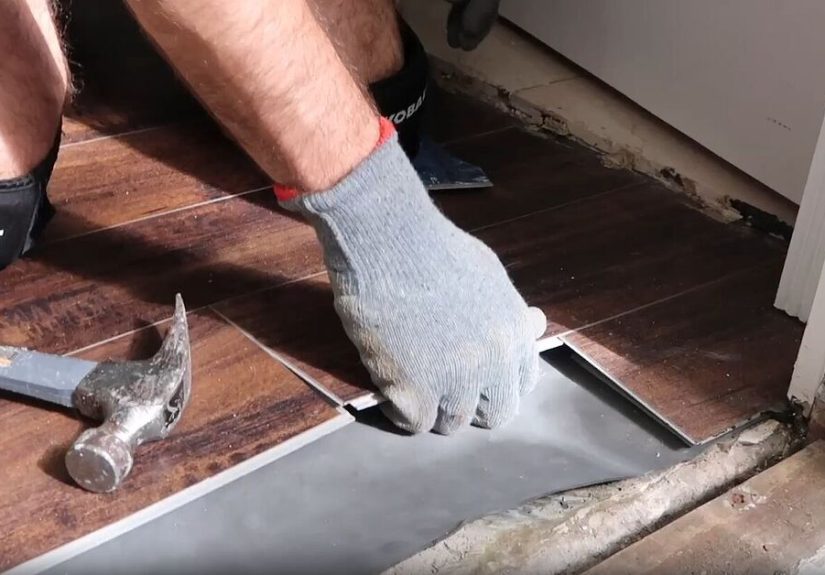
- Remove/replace problem transitions: Old metal strips and uneven thresholds often need to go.
If you’re installing engineered hardwood, jobsite conditions matter a lot. Temperature, humidity, and moisture testing can be the difference between “gorgeous for years” and “why is there a gap big enough to lose a Lego?”
DIY Installation Tips That Make the Finished Floor Look Expensive
You don’t need a million tools. You do need a plan. Here’s the flow that keeps a DIY flooring makeover from turning into a weeklong negotiation with your sanity.
1) Start with a layout plan
- Pick a direction: Often, planks look best running along the longest dimension of the room or toward a main light source.
- Avoid skinny slivers: Measure so your first and last rows aren’t awkwardly thin.
- Stagger seams: A random, natural stagger looks more authentic than a repeating pattern.
2) Leave room for movement
Many floating floor installs require an expansion gap at walls and fixed vertical objects. This gap is typically covered later by baseboard and/or shoe molding, so the finished look is clean while the floor still has space to move.
3) Undercut door jambs for a “professional” finish
If you want your makeover to scream “custom,” this is it. Undercutting lets the plank slide under the trim so you don’t have to do a bunch of fussy cuts around door frames. It’s one of those details people notice without knowing what they’re noticing.
4) Use transitions where they belong (not where you’re tired)
Transitions are not a moral failure. They’re a practical tool. Use them in doorways, between different flooring materials, and where floor heights change. A clean transition strip can make the entire installation look intentional.
Room-by-Room Makeover Ideas Using Malibu Wide Plank
Entryway: durability first, style always
The entryway is where dirt, grit, water, and whatever your shoes tracked in all team up to stress-test your life choices. Waterproof LVP is a common pick here. Pair it with a washable runner, wall hooks, and a small bench, and suddenly your home feels more organizedeven if the closet is still a situation.
Kitchen: the “spill zone” that still deserves a glow-up
Kitchens love waterproof floors. They also love floors that hide crumbs until you’re emotionally ready to deal with them. A warm oak-look plank works with white cabinets, wood shelves, and black or brass hardware. Add under-cabinet lighting and a simple backsplash, and the floor will do most of the design work.
Living room: wide planks = instant upgrade
Wide plank flooring gives living rooms a calm, seamless foundationespecially in open layouts where the floor is visible from multiple angles. If you’re staging or refreshing, focus on:
- A large rug that anchors seating (yes, bigger than you think)
- Two or three consistent metal finishes (not six “it’s eclectic!” finishes)
- Layered lighting: overhead + lamp + something cozy
Bedrooms: engineered wood warmth, hotel vibes
If you want the bedroom to feel like a calm retreat, engineered hardwood is a strong option. Add soft bedding, a neutral palette, and one bold texture (like a woven headboard or linen curtains). The floor becomes the “quiet luxury” element that ties it together.
Basement and laundry: pick the floor that won’t panic
Below-grade spaces and utility rooms benefit from materials designed for moisture tolerance and durability. Waterproof rigid core vinyl is often chosen because it can deliver the look of wood while being more forgiving in the places where humidity likes to surprise you.
Maintenance: How to Keep the “New Floor” Feeling
Beautiful floors stay beautiful when you treat them like you live in your home… but with slightly more strategy.
Habits that protect the finish
- Use felt pads on furniture legs (your floor should not suffer because your chair enjoys dramatic entrances).
- Use doormats at exterior doors to reduce grit.
- Clean spills quickly, especially around sinks and pet water bowls.
- Avoid abrasive cleaners; follow the product’s care guidance.
Common Mistakes That Make a New Floor Look “Off”
Most DIY flooring mistakes aren’t about effortthey’re about skipping the boring steps.
- Ignoring subfloor flatness (leads to movement, noise, and joint stress)
- Forgetting expansion space (can cause buckling or gapping issues)
- Installing over a messy surface (debris creates uneven support)
- Not mixing planks from multiple boxes (color variation can clump and look unnatural)
- Rushing transitions (a sloppy threshold stands out more than you think)
Is a Malibu Wide Plank Makeover Worth It?
If you’re upgrading for yourself, the “worth it” is daily: easier cleaning, a fresher feel, and a home that looks pulled together even when your schedule isn’t. If you’re upgrading to sell, the logic is still strong: cohesive flooring can support better first impressions, and first impressions are a real currency in home shopping.
The best approach is practical: choose the floor that matches your lifestyle, follow installation guidance carefully, and style the space so the floor has room to shine. Wide planks and warm tones are trending for a reasonthey look timeless in real homes, not just in staged photos.
Conclusion: A Beautiful Makeover Starts Under Your Feet
A “Beautiful Home Makeover With Malibu Wide Plank” isn’t just about swapping one floor for another. It’s about giving your home a foundation that makes everything else look more intentional: your paint color, your furniture, your lighting, even your messy-but-charming life.
Whether you choose waterproof luxury vinyl plank for the high-traffic zones, engineered hardwood for that real-wood warmth, or a smart mix of both, the big win is cohesion. When the floors feel consistent and current, the whole house reads “updated”and you get that makeover magic without rebuilding your entire world.
Experience Notes: What People Commonly Notice After a Malibu Wide Plank-Style Makeover (500+ Words)
Because I don’t live in a house and can’t personally remodel one, I’m going to share the kinds of experiences homeowners and DIYers commonly report after a wide-plank, click-lock, waterproof-flooring makeoverespecially when they go for a modern “Malibu Wide Plank” look with long, wide boards.
First, the space feels bigger faster than expected. People often assume that feeling comes from paint or furniture placement, but a wide plank layout changes how your eye scans the room. Fewer seams mean fewer visual interruptions. In open layouts, that “continuous surface” effect makes the living room and kitchen feel like one intentional zone instead of a series of separate decisions made years apart. It’s one of those upgrades you notice every time you walk from one room to anotherlike your home suddenly learned how to flow.
Second, the room looks cleaner even before it is cleaner. This sounds silly until you’ve seen it. Old floors with worn finish, micro-scratches, or dated patterns make every speck of dust look like a personal insult. New flooringespecially with a modern wood look and a soft, realistic texturetends to hide the “normal life” mess better. People often say their home looks more pulled together while they’re still mid-makeover with tools out and furniture stacked like modern art.
Third, DIYers discover the real villain: doorways. Not the planks. Not the underlayment. Doorways. Undercutting jambs, figuring out thresholds, and managing transitions is where many projects slow down. A common takeaway is that planning transitions early (and buying the matching pieces ahead of time) prevents that late-night “why is this gap shaped like regret?” moment. Once finished, though, clean doorway details are often the difference between “nice DIY” and “wow, that looks professionally done.”
Fourth, furniture pads become everyone’s favorite tiny upgrade. After installing new floors, people suddenly become hyper-aware of chair legs. Felt pads and glides are cheap, but they protect the finish and reduce that scraping sound that makes your brain feel itchy. Many homeowners also report rearranging furniture more once the new floor is inbecause the room feels fresh, and now they want the layout to match the new vibe. (This is how a “flooring project” casually becomes a “full makeover,” so pace yourself.)
Fifth, maintenance becomes more predictable. With waterproof luxury vinyl plank, the big emotional relief is the spill factor. People often describe feeling less anxious about kitchens, pets, and busy households because the floor is designed to be more forgiving. The common advice shared afterward is simple: keep grit under control with entry mats, sweep/vacuum regularly, wipe spills sooner rather than later, and avoid harsh cleaners that can dull the finish. In other words: treat the floor well, but you don’t have to treat it like a museum exhibit.
Finally, the “makeover payoff” is social. Visitors notice floors because they’re everywhere. Homeowners often say friends and family comment on how modern the home feels, even when they didn’t change much else. And if the makeover is part of getting a home ready to sell, the new flooring tends to photograph wellwide planks and warm tones read “updated” in listing photos without screaming “trendy.” The floor becomes the background that makes everything else look more expensive, which is basically what we all want from home upgrades, right?