Table of Contents >> Show >> Hide
- Why This Escarole Salad Works So Well
- What Are Preserved Lemons (and Why You’ll Want Them in Your Fridge)
- Best Escarole Salad with Preserved Lemon Vinaigrette
- Flavor Variations (Because You Deserve Options)
- How To Keep the Salad From Getting Too Bitter
- Make-Ahead Tips (For People Who Like Being Prepared)
- Serving Ideas
- Common Mistakes (and How To Avoid Them)
- Kitchen Notes & Real-Life Experiences (Extra )
Escarole is the underdog of salad greens: crunchy like romaine, slightly bitter like it has opinions, and sturdy enough to handle bold dressings without collapsing into sad, soggy submission. Pair it with a preserved lemon vinaigrettesalty, citrusy, and a little funky in the best wayand you’ve got a salad that tastes like it paid attention in flavor class.
This recipe is built on a simple idea used by many great American test kitchens and editors: balance bitter greens with something bright (lemon), something sweet (a touch of honey), something rich (olive oil), and something crunchy (nuts or toasted breadcrumbs). The preserved lemon is the secret weaponit adds intense lemon flavor plus a savory edge that regular lemon juice can’t fake.
Why This Escarole Salad Works So Well
- Escarole stays crisp: Its thicker leaves hold dressing longer than delicate lettuces, so the salad can sit a bit without turning limp.
- Preserved lemon brings depth: It’s lemon turned up to elevensalty, tangy, and rounded from curing.
- A smart texture mix: Crunchy almonds (or breadcrumbs) + creamy cheese + crisp greens = the kind of bite you keep thinking about.
- Flexible and upgradeable: Add beans, chicken, chickpeas, or roasted vegetables and suddenly it’s dinner.
What Are Preserved Lemons (and Why You’ll Want Them in Your Fridge)
Preserved lemons are lemons cured in salt (often with their own juice), which softens the peel and transforms the flavor into a salty-sour, slightly fermented citrus boost. Most people use the rind because it’s aromatic and punchy; the pulp can be very salty, so it’s often used more carefully or scraped out depending on the recipe. The biggest pro tip: rinse the preserved lemon before chopping to control the salt level.
Best Escarole Salad with Preserved Lemon Vinaigrette
Yield: 4 side servings (or 2 very serious salad people)
Time: 20 minutes (plus optional chilling time for the dressing)
Skill level: “I can whisk and I’m not afraid of flavor.”
Ingredients
For the preserved lemon vinaigrette
- 3 tablespoons extra-virgin olive oil
- 1 1/2 tablespoons fresh lemon juice
- 1 to 2 teaspoons finely chopped preserved lemon rind (rinsed; seeds removed)
- 1 teaspoon Dijon mustard
- 3/4 teaspoon honey (or maple syrup)
- 1 small garlic clove, finely grated (optional but recommended)
- 1 tablespoon chopped chives or parsley (optional, for a fresh finish)
- Kosher salt and freshly ground black pepper, to taste
- Optional: 1–2 teaspoons brine from the preserved lemon jar (add carefully)
For the salad
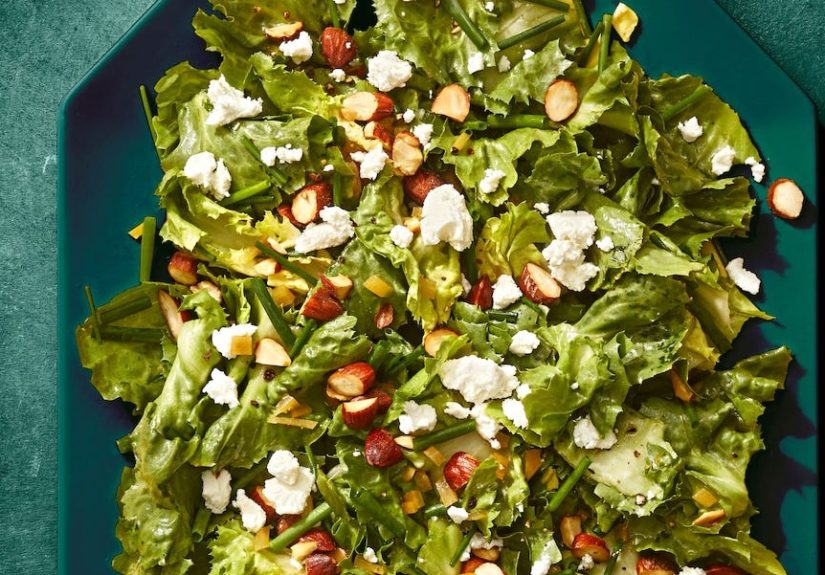
- 1 medium head escarole (about 1 1/2 pounds), leaves torn into bite-size pieces
- 1/4 cup chopped roasted salted almonds (or toasted walnuts/pistachios)
- 2 tablespoons sliced chives (or thinly sliced scallions)
- 3–4 ounces goat cheese, crumbled (or shaved Parmesan)
- Optional add-ins: thin-sliced fennel, shaved celery, radishes, or citrus segments
How To Prep Escarole So It’s Clean and Crisp
Escarole likes to hide grit. Don’t take it personallygreens do that. Here’s the easiest method:
- Separate the leaves and tear into large pieces.
- Submerge in a big bowl (or clean sink) of cold water and swish gently.
- Let it sit for 5–10 minutes so grit sinks to the bottom.
- Lift the leaves out (don’t pour the water over them) and rinse quickly.
- Dry well. A salad spinner is ideal; a clean towel works too. Dry greens = dressing that clings.
Step-by-Step: Make the Preserved Lemon Vinaigrette
- Chop the preserved lemon: Rinse the preserved lemon, remove any seeds, and mince the rind very finely. Start smallpreserved lemon is powerful.
- Build the base: In a small bowl or jar, combine lemon juice, Dijon, honey, garlic (if using), and preserved lemon.
- Emulsify: Slowly whisk in the olive oil until the dressing looks glossy and slightly thickened. If using a jar, close the lid and shake like you’re trying to wake up a sleepy vinaigrette.
- Taste and adjust: Add black pepper and a pinch of salt if needed. If it’s too sharp, add a tiny bit more honey. If it’s too salty, add more lemon juice or a splash of water.
- Optional rest: Let the dressing sit 5–10 minutes so the flavors mingle and become friends.
Step-by-Step: Assemble the Escarole Salad
- Toss gently: Put the dried escarole in a big bowl. Drizzle with about half the vinaigrette and toss. Add more as neededdon’t drown it. This is a salad, not a swimming lesson.
- Add the good stuff: Fold in almonds and chives.
- Finish with cheese: Sprinkle goat cheese on top (or shave Parmesan over the salad). Add a few extra cracks of black pepper.
- Serve immediately: Escarole is sturdy, but the crunch is best right after tossing.
Flavor Variations (Because You Deserve Options)
1) Italian-ish “Crunch & Umami” Version
- Swap almonds for toasted breadcrumbs (with a little garlic and olive oil).
- Add shaved Parmesan instead of goat cheese.
- Optional: toss in a few chopped olives for a salty bite.
2) Citrus & Fennel Winter Salad Vibe
- Add orange or grapefruit segments.
- Thinly slice fennel and toss it in for extra snap.
- Use pistachios for a slightly sweeter crunch.
3) Make It a Meal (No Sad Desk Lunches Allowed)
- Beans: Add white beans or chickpeas for protein and creaminess.
- Chicken: Top with grilled or rotisserie chicken.
- Fish: This vinaigrette loves salmon and tuna.
- Grains: Quinoa or farro turns it into a hearty bowl situation.
How To Keep the Salad From Getting Too Bitter
Escarole’s bitterness is part of its charmlike a friend who’s honest but still shows up with snacks. If you want it milder:
- Use more of the inner, pale leaves (they’re less bitter and more tender).
- Add sweetness: a tiny bit more honey in the dressing, or fruit (citrus, apple slices, or pears).
- Add richness: goat cheese, Parmesan, or even a few avocado slices help round the edges.
- Balance with crunch: nuts or toasted breadcrumbs make bitterness feel intentional and “chef-y.”
Make-Ahead Tips (For People Who Like Being Prepared)
- Vinaigrette: Make up to 1 week ahead. Store in a sealed jar in the fridge. Bring to room temp and shake/whisk before using.
- Escarole: Wash and dry thoroughly, then store wrapped in paper towels in a loosely closed bag or container in the crisper. Use within a few days for best crunch.
- Nuts: Toast or chop ahead and keep airtight so they stay crisp.
- Assembly rule: Dress the greens right before serving for maximum snap.
Serving Ideas
This salad plays well with:
- Roast chicken, turkey, or simple baked thighs
- Bean soups or vegetable soups (hello, cozy season)
- Roasted carrots, squash, or sweet potatoes
- Sandwiches and wraps that need a bright sidekick
Common Mistakes (and How To Avoid Them)
Mistake 1: Using wet greens
Water makes dressing slide off and puddle at the bottom. Dry the escarole like you mean it.
Mistake 2: Overdoing preserved lemon
Start with 1 teaspoon chopped rind. Taste. Add more if you want louder lemon energy.
Mistake 3: Under-seasoning
Bitter greens need balance. Pepper matters. Honey matters. Salt matters (but go slow because preserved lemon already brings salt).
Kitchen Notes & Real-Life Experiences (Extra )
The first time you make an escarole salad, there’s a moment where you look at the big leafy pile and think, “This is either going to be amazing or it’s going to taste like I lost a bet with a dandelion.” That’s normal. Escarole has that slightly bitter bite that makes you feel like you’re eating something grown-up. But the preserved lemon vinaigrette is basically the fun friend who shows up, puts on music, and makes everyone get along.
One of the best parts of this salad is how it fits into real lifelike, actual Tuesday life, not “I have a camera crew and perfect lighting” life. Escarole is sturdy, so you can toss it and it won’t instantly collapse the way delicate greens do. I’ve made versions of this for quick dinners where I needed something fresh on the plate next to a warm main, and it always feels like the meal suddenly has its life together. Even if the rest of the meal is just “something roasted” and a questionable number of dishes.
The preserved lemon vinaigrette also has that “small effort, big payoff” vibe. You’re basically chopping a little rind and whisking. That’s it. Yet the flavor is the kind people ask about like you have a secret apprenticeship with a mysterious salad wizard. If someone says, “What’s in this?” you can casually say, “Preserved lemon,” and watch them nod like they totally know what that means (even if they don’t). It’s a great conversation starter that doesn’t require you to talk about the weather.
I’ve learned the hard way that the biggest make-or-break step is drying the escarole. If you skip that, the dressing slides off, the leaves get watery, and your salad becomes a mild tragedy. When the leaves are dry, the vinaigrette clings to the ridges and edges, and each bite tastes intentional. Also, escarole is sneaky with gritso that swish-and-soak method is worth it. Nothing ruins a great salad faster than surprise crunch that isn’t nuts.
Another experience-driven tip: the add-ins are where you can match the salad to your mood. Feeling fancy? Add citrus segments and pistachios. Feeling cozy? Add white beans and a little Parmesan and call it dinner. Feeling like you want crunch but also want to be loved? Toast breadcrumbs with garlic and sprinkle them on top. Suddenly, it’s a restaurant-style salad at homeand you didn’t even have to pretend you enjoy complicated plating.
And lastly: preserved lemons are a “one jar = many wins” ingredient. Once you have them, you’ll start putting them in dressings, marinades, and grain bowls. They’re like the cheat code for adding brightness without needing to squeeze fresh citrus every time. Just remember: a little goes a long way, taste as you go, and let the escarole be a little bitterit’s part of the charm.