Table of Contents >> Show >> Hide
- What Makes a Greek Chicken Grain Bowl “The Best”?
- Key Components (and Why They Matter)
- The Best Greek Chicken Grain Bowl Recipe (Step-by-Step)
- Flavor Upgrades (That Don’t Require Extra Effort)
- Easy Variations & Dietary Swaps
- Storage, Meal Prep, and “Please Don’t Get Soggy” Tips
- FAQ: Greek Chicken Grain Bowl Questions People Actually Ask
- Experience Section: What I’ve Learned After Making Greek Chicken Grain Bowls (Way Too Often)
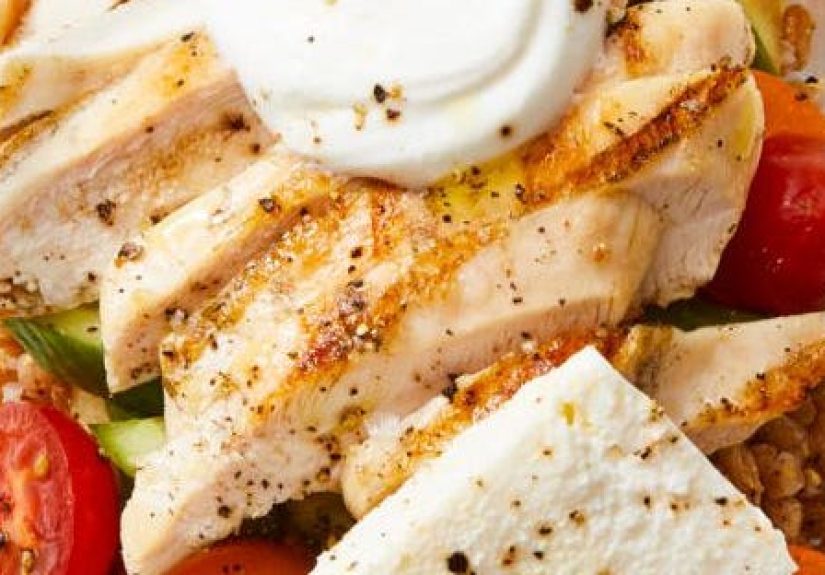
If you’ve ever paid $17 for a “grain bowl” that was 80% lettuce and 20% regret, welcome home. This Greek chicken grain bowl recipe is the antidote: lemony oregano chicken, a hearty grain base, crunchy Mediterranean veggies, and a cold, creamy tzatziki situation that makes everything taste like you have your life together.
The goal here isn’t “diet food.” It’s big Greek flavor with smart, buildable components you can meal prep, remix all week, and still look forward to eating on day three (a rare miracle).
What Makes a Greek Chicken Grain Bowl “The Best”?
The best Greek chicken grain bowl is basically a well-run group project: every ingredient shows up, does its job, and nobody tries to dominate the PowerPoint. You want:
- Bold chicken with a lemon-garlic-oregano backbone (and a little char if you can manage it).
- A grain that holds up (quinoa, farro, brown rice, or even lemony rice if you’re feeling extra).
- Fresh crunch from cucumber, tomato, red onion, and something salty like olives or feta.
- A creamy sauce (tzatziki) to tie the whole thing together like a culinary belt.
- Optional “wow” extras like hummus, pickled onions, or chickpeas for extra protein and texture.
Key Components (and Why They Matter)
1) The Grain Base: Quinoa, Farro, Brown Rice… Choose Your Fighter
For a classic Greek chicken quinoa bowl, quinoa is quick and fluffy and plays nicely with bright lemon flavors. Farro is chewier and nuttier (aka “this tastes like something from a café where everyone owns a tote bag”). Brown rice is dependable, hearty, and great if you’re cooking for picky eaters who fear anything called “farro.”
Pro tip: Whatever grain you use, cook it properly and season it. A pinch of salt in the cooking water and a quick finish with olive oil + lemon juice turns “base layer” into “why is this so good?”
2) The Chicken: Greek Flavor Lives in the Marinade
Greek-inspired chicken usually leans on olive oil, lemon, garlic, oregano, and often a splash of red wine vinegar. You can use breasts, thighs, or skewered chunks. Thighs stay juicier and are more forgiving if you get distracted by your phone (no judgment).
3) The Veggie Crunch: Keep It Fresh, Keep It Bright
The standard lineupcucumber, tomatoes, red onionworks because it’s hydrating, crisp, and acidic enough to cut through the richness of chicken and sauce. Add greens if you like, but this bowl doesn’t need lettuce to feel “healthy.” It already has whole grains and actual vegetables, not decorative parsley.
4) The Sauce: Tzatziki Is the Cheat Code
Tzatziki is creamy, tangy, garlicky, and coldbasically the opposite of sadness. The biggest trick is removing water from the cucumber so your sauce doesn’t turn into yogurt soup. (We will do this properly. You can trust me. I’ve made the watery version. It’s a dark place.)
The Best Greek Chicken Grain Bowl Recipe (Step-by-Step)
This recipe is written for 4 bowls and is designed for weeknight dinner + meal prep leftovers. You’ll make four components: grain, chicken, chopped salad, and tzatziki. Then you’ll assemble like a boss.
Ingredients
For the Greek Chicken
- 1 1/2 pounds boneless, skinless chicken thighs or breasts
- 3 tablespoons olive oil
- Zest of 1 lemon + 3 tablespoons lemon juice (about 1 large lemon)
- 1 tablespoon red wine vinegar (optional but very on-brand)
- 3 cloves garlic, grated or minced
- 2 teaspoons dried oregano (or 1 tablespoon chopped fresh oregano)
- 1 teaspoon kosher salt
- 1/2 teaspoon black pepper
- Optional: 1/2 teaspoon smoked paprika (not traditional, but delicious)
For the Grain Base
- 1 cup dry quinoa (or farro/brown rice; use package directions)
- Salt for the cooking water
- 1 tablespoon olive oil
- 1–2 tablespoons lemon juice (to finish)
- Optional: chopped parsley or dill
For the Mediterranean Salad Topping
- 1 large cucumber, diced (or 2–3 Persian cucumbers)
- 1 1/2 cups cherry tomatoes, halved
- 1/3 cup thinly sliced red onion
- 1/3 cup Kalamata olives, halved (optional but highly recommended)
- 1/2 cup crumbled feta
- 1 tablespoon olive oil
- 1 tablespoon red wine vinegar or lemon juice
- Pinch of salt and pepper
For the Tzatziki
- 1 cup plain Greek yogurt (2% or whole milk tastes best)
- 1/2 cucumber, grated
- 1 small garlic clove, finely grated (start small; tzatziki can get spicy)
- 1 tablespoon lemon juice
- 1 teaspoon olive oil
- 1 tablespoon chopped dill or mint (or a mix)
- Salt to taste
- Optional: 1 teaspoon red wine vinegar (adds extra tang)
Optional “Make It Restaurant” Extras
- Hummus (store-bought is fine; we’re not trying to earn a medal)
- Chickpeas (rinsed and tossed with lemon + oregano)
- Pickled red onions
- Pita chips
- Hot sauce or crushed red pepper
Instructions
Step 1: Marinate the Chicken
- In a bowl or zip-top bag, mix olive oil, lemon zest/juice, vinegar (if using), garlic, oregano, salt, pepper, and smoked paprika (if using).
- Add chicken and coat well. Marinate for 20 minutes if you’re in a hurry, or up to 24 hours in the fridge.
Why it works: Acid (lemon/vinegar) + oil + salt helps season deeply. Oregano and garlic do the heavy lifting. The result tastes like a Greek vacation without the airfare.
Step 2: Cook the Grain
- Rinse quinoa in a fine-mesh strainer (helps reduce bitterness). If using farro or rice, follow package instructions.
- Cook your grain. For quinoa, many cooks use roughly 1 3/4 to 2 cups water per 1 cup quinoa. Bring to a boil, reduce to a simmer, cover, and cook until tender. Let it rest off heat, then fluff with a fork.
- Season the cooked grain with a pinch of salt, olive oil, and lemon juice. Stir in herbs if you have them.
Step 3: Make Tzatziki (The Non-Watery Way)
- Grate 1/2 cucumber. Place in a clean kitchen towel or paper towels and squeeze out as much liquid as you can.
- In a bowl, mix Greek yogurt, squeezed cucumber, garlic, lemon juice, olive oil, dill/mint, and a pinch of salt. Add vinegar if you want extra tang.
- Chill while you cook the chicken. It gets better as it sits (like a good sitcom rerun).
Step 4: Cook the Chicken (3 Easy Methods)
Option A: Grill (best flavor)
- Preheat grill to medium-high. Oil grates.
- Grill chicken thighs about 5–7 minutes per side, or chicken breasts about 5–6 minutes per side, depending on thickness.
- Rest 5 minutes, then slice.
Option B: Skillet (best for weeknights)
- Heat a large skillet over medium-high with a drizzle of oil.
- Cook chicken until browned and cooked through, turning once (timing depends on cut/thickness).
- Rest, then slice.
Option C: Oven (best hands-off)
- Heat oven to 425°F. Place chicken on a sheet pan.
- Bake until cooked through, then broil briefly for color if desired. Rest, then slice.
Food-safety note: However you cook it, chicken is considered safely cooked when the thickest part reaches 165°F on a food thermometer.
Step 5: Toss the Salad Topping
- In a bowl, combine cucumber, tomatoes, red onion, olives, feta, olive oil, and vinegar/lemon juice.
- Season lightly with salt and pepper. (Go easy on salt if your olives and feta are salty.)
Step 6: Assemble the Bowls
- Divide grain among 4 bowls.
- Top with sliced Greek chicken.
- Add a generous scoop of the Mediterranean salad mix.
- Dollop tzatziki over the top (or drizzle if you’re trying to look fancy).
- Add hummus, chickpeas, or pita chips if using. Finish with herbs, extra lemon, or a little olive oil.
Flavor Upgrades (That Don’t Require Extra Effort)
- Char is your friend: A little browning on the chicken adds that “restaurant” vibe instantly.
- Finish with acid: A squeeze of lemon at the end wakes up the whole bowl.
- Salt in layers: Season the grain, season the chicken, lightly season the salad. Don’t rely on one salty ingredient to do everything.
- Herbs = instant freshness: Parsley, dill, mint, or even a spring mix of whatever is surviving in your crisper drawer.
- Make it spicy: Crushed red pepper or a spicy hummus takes this from “Greek café” to “Greek café with opinions.”
Easy Variations & Dietary Swaps
Mediterranean Chicken Bowl, Meal-Prep Style
If you’re building healthy meal prep bowls, keep components separate: grain + chicken in one container, chopped salad in another, tzatziki in a small cup. Your future self will feel deeply supported.
Make It Dairy-Free
- Swap tzatziki for a lemon-tahini sauce or a dairy-free yogurt tzatziki (if you have a favorite brand).
- Skip feta or use a dairy-free alternative.
Make It Lower-Carb
- Use cauliflower rice or shredded romaine as the base.
- Add extra cucumber, tomatoes, and a big spoon of hummus or chickpeas (depending on your carb goals).
Make It Vegetarian
- Replace chicken with roasted chickpeas, grilled halloumi (if not dairy-free), or marinated tofu.
- Keep the same toppings and sauceGreek flavors love a good supporting actor.
Storage, Meal Prep, and “Please Don’t Get Soggy” Tips
- Store separately for best texture: grain, chicken, salad, and tzatziki each in their own container.
- Fridge life: Most components keep well for several days. If your cucumbers get watery, drain before serving.
- Reheating: Warm grain and chicken; keep tzatziki cold. Hot tzatziki is not illegal, but it feels like it should be.
- Meal prep hack: Make a double batch of chicken and freeze half (sliced). Future bowls will be basically instant.
FAQ: Greek Chicken Grain Bowl Questions People Actually Ask
What’s the best grain for a Greek chicken grain bowl?
Quinoa is the quickest and the most common “Greek chicken quinoa bowl” base. Farro is sturdier and chewier. Brown rice is classic and kid-friendly. Choose based on your texture preference and the time you have.
Can I use rotisserie chicken?
Absolutely. Toss shredded rotisserie chicken with lemon juice, olive oil, oregano, garlic, and a pinch of salt. It won’t have the same char, but it will still taste fantasticand it will take you approximately seven minutes, including the time you spend looking for your good bowl.
How do I keep the bowl from getting watery?
Two moves: drain/squeeze grated cucumber for tzatziki, and seed juicy tomatoes if they’re extra ripe. Store chopped salad separately and add it right before eating.
Is this recipe good for meal prep?
It’s basically built for meal prep. The flavors hold up well, and you can rotate toppings to keep it interesting: olives one day, chickpeas the next, hummus when you need emotional support.
Experience Section: What I’ve Learned After Making Greek Chicken Grain Bowls (Way Too Often)
The first time I made a Greek chicken grain bowl, I treated it like a saladeverything went in one container, got stirred together, and sat in the fridge overnight. The next day, my “tzatziki” had become “cucumber yogurt water,” my tomatoes had surrendered all their juice, and my quinoa looked like it had been through a rough breakup. The flavor was still good, but the texture? Let’s just say it was not giving “best Greek chicken grain bowl recipe.”
After that, I started treating the bowl like a choose-your-own-adventure with boundaries. Grain and chicken live together because they both reheat well and they don’t mind each other. The chopped salad gets its own container so it stays crisp. Tzatziki goes in a little cup like a fancy dipping sauce at a restaurantbecause that’s what it is: the bowl’s personality. When you assemble right before eating, you get contrast: warm chicken, cool sauce, crunchy cucumbers, salty feta, bright lemon. That contrast is the whole point.
The second thing I learned is that Greek flavor is incredibly forgiving, but also extremely honest. If you don’t season your grain, the bowl tastes like chicken on top of… vaguely nutritious pebbles. If you don’t use enough acid, everything feels flat. The fix is hilariously simple: finish with lemon. A squeeze at the end makes the oregano pop and wakes up the tomatoes, and suddenly you’re eating something that tastes like it came from a Mediterranean café with white chairs and overpriced iced coffee.
Chicken-wise, I’ve gone through phases. Breasts are great when you cook them carefully, but thighs are my ride-or-die for weeknights because they stay juicy even if you’re juggling sides, answering texts, and pretending you didn’t burn the first batch. If I’m grilling, I chase a little char because it adds the kind of smoky depth you can’t fake. If I’m using a skillet, I let the chicken sit long enough to actually brown instead of constantly poking it like it owes me money. That patience pays off with better texture and a more “Greek street food” vibe.
And then there’s tzatziki. The best tzatziki lesson is also the most annoying: you have to squeeze the cucumber. You can tell yourself it’s optional. It’s not. I’ve tried the lazy path. It leads to sadness. Once you accept the squeeze, tzatziki becomes the easiest “wow” sauce you’ll ever make. I also learned to start with one small garlic clove and adjust. Raw garlic can be spicy and aggressive, and tzatziki should feel refreshing, not like a vampire deterrent.
Finally, the real magic of a Greek chicken grain bowl is how it adapts to your life. Hosting friends? Put everything on a board and let people build their own bowls. Meal prepping? Keep the components separate and you’ll have lunches you actually want to eat. Trying to clean out the fridge? Toss in leftover roasted peppers, swap quinoa for farro, or add chickpeas for extra protein. The bowl doesn’t care. It just wants lemon, oregano, something crunchy, and a sauce that makes you feel like you did something right today.