Table of Contents >> Show >> Hide
- What Makes Lemon Poppy Seed Muffins “The Best”?
- Best Lemon Poppy Seed Muffins Recipe
- Why This Recipe Works (Quick Baking Science, No Lab Coat Required)
- Pro Tips for Bakery-Style Lemon Poppy Seed Muffins
- Easy Variations (Because Muffins Love Options)
- Troubleshooting: Muffin Drama, Solved
- Storage and Freezing
- Frequently Asked Questions
- Extra : Real-World Baking Experiences (The Kind That Make You Better Fast)
Lemon poppy seed muffins are the extroverts of the breakfast table: bright, zesty, slightly sweet, and always acting like they were invited to brunch on purpose.
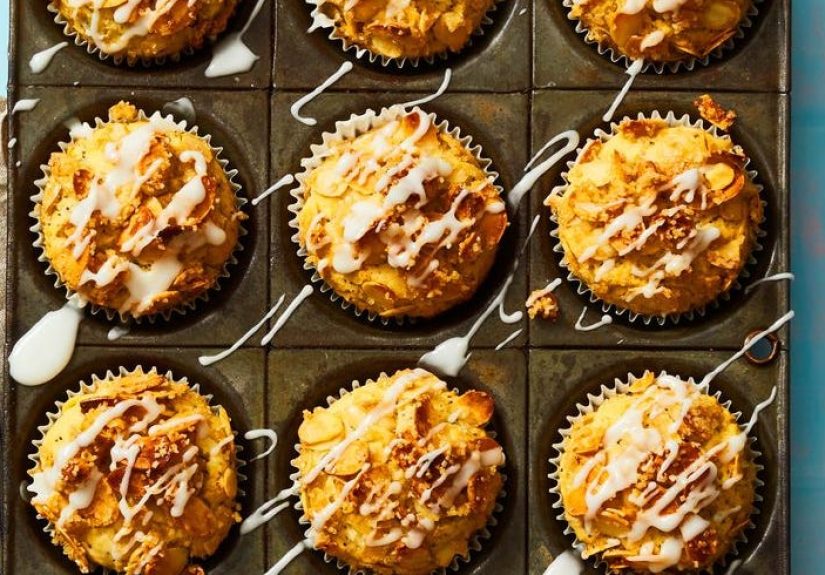
The best versions have a tall, bakery-style dome, a tender crumb (not “chew toy”), and a lemon flavor that tastes like real citrusnot lemon-scented cleaning spray.
This in-depth guide combines the most reliable techniques from well-known U.S. baking authorities and test-kitchen style methodsthen rewrites everything into one
simple, foolproof plan. You’ll get a can’t-mess-it-up recipe, smart baking science (in plain English), and troubleshooting tips for when muffins decide to be dramatic.
What Makes Lemon Poppy Seed Muffins “The Best”?
- Big lemon flavor from fresh zest + juice (not just one lonely teaspoon of zest).
- Tender, moist texture (thanks to yogurt/sour cream and a gentle mixing method).
- Bakery-style height with a high-heat “lift-off” at the start of baking.
- Crunchy poppy seeds that taste nutty, not bitter or dusty.
- A simple lemon glaze that sets like a glossy hug on top.
Best Lemon Poppy Seed Muffins Recipe
Yield: 12 standard muffins
Time: About 15 minutes prep + 18–22 minutes bake
Skill level: Beginner-friendly (with “pro” results)
Ingredients
Optional “Flavor Boost” Step (Recommended)
- Poppy seeds: 2 tablespoons
- Warm milk (or warm buttermilk): 2 tablespoons
Soaking poppy seeds briefly helps soften them and can make their flavor taste rounder and less sharp. If you skip this, your muffins will still be delicious.
Dry Ingredients
- All-purpose flour: 2 cups (about 240g)
- Baking powder: 2 teaspoons
- Baking soda: 1/4 teaspoon
- Fine salt: 1/2 teaspoon
- Granulated sugar: 3/4 cup (about 150g)
- Lemon zest: zest of 2 large lemons (about 2 tablespoons, packed)
Wet Ingredients
- Eggs: 2 large (room temperature if possible)
- Greek yogurt or sour cream: 1/2 cup (about 120g)
- Buttermilk: 1/2 cup (120ml) (or milk + 1 teaspoon vinegar, rested 5 minutes)
- Neutral oil: 1/3 cup (80ml) (avocado, canola, vegetable)
- Melted butter (cooled slightly): 1/4 cup (57g)
- Fresh lemon juice: 3 tablespoons (45ml)
- Vanilla extract: 1 teaspoon
- Optional lemon extract: 1/4 to 1/2 teaspoon (use sparinglythis stuff has opinions)
Lemon Glaze (Optional but Highly Encouraged)
- Powdered sugar: 1 cup (120g)
- Fresh lemon juice: 1 1/2 tablespoons (more to thin)
- Milk: 1 tablespoon (more to thin)
- Pinch of salt: optional, but it makes the lemon pop
- Optional zest: 1/2 teaspoon for extra aroma
Step-by-Step Instructions
- Prep the oven and pan.
Preheat to 425°F. Line a 12-cup muffin tin with paper liners (or grease well).
If you want extra-tall tops, consider spacing muffins out (fill every other cup and bake in batches). - (Optional) Soak the poppy seeds.
Stir poppy seeds with 2 tablespoons warm milk/buttermilk. Let sit while you measure everything else. - Make lemon sugar (the “smells amazing” trick).
In a large bowl, add sugar and lemon zest. Rub together with clean fingers until the sugar feels slightly damp and very fragrant.
This releases citrus oils so the lemon flavor tastes fresher and more intense. - Whisk dry ingredients.
To the lemon sugar, whisk in flour, baking powder, baking soda, and salt. Whisk well to evenly distribute the leaveners.
Add the poppy seeds (and any soaking liquid) and whisk again. - Whisk wet ingredients.
In a medium bowl, whisk eggs, yogurt/sour cream, buttermilk, oil, melted butter, lemon juice, vanilla, and (optional) lemon extract.
Whisk until smooth and creamy. - Combine gently (this is where muffins win or lose).
Pour wet ingredients into the dry bowl. Use a spatula to fold just until you don’t see dry flour.
The batter should look thick and a little lumpy. That’s not “wrong”that’s “tender muffin energy.” - Fill the muffin cups.
Divide batter evenly among liners. For tall muffin tops, fill close to the top (about 3/4 full to nearly full, depending on your pan and liners). - Bake for height + tenderness.
Bake at 425°F for 5 minutes, then without opening the oven, reduce the temperature to 350°F.
Continue baking for 13–17 minutes, until the tops spring back lightly and a toothpick comes out with a few moist crumbs (not wet batter). - Cool.
Let muffins cool in the pan for 5–10 minutes, then transfer to a rack. Warm muffins + glaze = glossy perfection. - Glaze.
Whisk powdered sugar, lemon juice, milk, and a pinch of salt until smooth. Drizzle over warm (or fully cooled) muffins.
Add more lemon juice for tangier flavor or more sugar to thicken.
Why This Recipe Works (Quick Baking Science, No Lab Coat Required)
1) Lemon zest is the real MVP
Lemon juice brings acidity, but lemon zest brings concentrated citrus oils. Rubbing zest into sugar extracts those oils and spreads flavor evenly.
Translation: brighter lemon flavor without needing to drown the batter in juice.
2) Yogurt/sour cream = moist crumb that stays tender
Thick dairy adds fat and acidity, which helps keep muffins soft. It also gives that bakery-style “rich but not heavy” texture.
If you only use milk, you can still make muffinsbut they’re more likely to taste plain and dry by day two.
3) High-heat start = tall tops
Starting hot gives the batter a fast rise (oven spring). Dropping the temperature finishes the bake without over-browning the outside.
That’s how you get the dome without sacrificing tenderness.
4) Gentle mixing prevents tough muffins
Flour + liquid + too much stirring = extra gluten development. Gluten is great in bread. In muffins, it can create dense, chewy results.
Fold just until combined, even if you see a few small lumps.
Pro Tips for Bakery-Style Lemon Poppy Seed Muffins
- Use fresh lemons. Bottled juice is fine in a pinch, but fresh zest is non-negotiable for “best recipe” flavor.
- Don’t skip salt. A little salt makes lemon taste brighter and keeps sweetness from turning flat.
- Spoon flour lightly. If you pack flour into the measuring cup, your muffins can turn dense and dry.
- Rest the batter (optional). If you want extra height, cover and refrigerate batter for 30 minutes (or overnight), then bake.
This can enhance structure and doming. - Glaze strategy: Warm muffins absorb a little glaze (tasty). Cooled muffins keep glaze sitting on top (prettier). Choose your vibe.
Easy Variations (Because Muffins Love Options)
1) Lemon Blueberry Poppy Seed Muffins
Toss 1 cup blueberries with 1 teaspoon flour and fold in at the very end. This reduces sinking.
Blueberry + lemon is a classic for a reason: it tastes like summer showed up early.
2) Almond-Lemon Twist
Swap vanilla for 1/2 teaspoon almond extract (carefulalmond extract is strong).
It gives a bakery case flavor that feels fancy without requiring fancy behavior.
3) Mini Muffins
Bake at 375°F for about 10–13 minutes. Mini muffins bake fastblink and they’ll go from “golden” to “crispy autobiography.”
4) Dairy-Free Option
Use a thick dairy-free yogurt and plant milk. Choose a neutral-flavored option (unsweetened) so lemon stays the headline, not an awkward supporting actor.
Troubleshooting: Muffin Drama, Solved
My muffins are dense and tough
- Most common cause: overmixing after adding flour.
- Fix next time: fold gently, stop as soon as flour disappears.
- Also check: too much flour from scooping/packing the cup.
My muffins didn’t rise much
- Check your baking powder’s freshness (old leaveners = sad muffins).
- Make sure the oven is truly preheated.
- Try the high-heat start method and fill cups a bit fuller.
The lemon flavor is weak
- Add more zest (not more juice) to avoid making batter too acidic/wet.
- Rub zest into sugar for better flavor distribution.
- Add a small amount of lemon extract if you want a sharper punch.
My glaze vanished into the muffins
- Muffins were too hot or glaze was too thin.
- Let muffins cool longer, or thicken glaze with a bit more powdered sugar.
- Try a two-step glaze: a thin “soak” layer, then a thicker drizzle on top.
Storage and Freezing
- Room temperature: 2 days in an airtight container (add a paper towel to absorb moisture).
- Refrigerator: up to 5 days (warm briefly to revive texture).
- Freezer: up to 2–3 months. Wrap individually, then store in a freezer bag.
To reheat: microwave 15–25 seconds or warm in a low oven until just soft.
If glazed, warm gently so the glaze doesn’t melt into a sticky puddle (unless you’re into thatno judgment).
Frequently Asked Questions
Do I have to soak poppy seeds?
Nobut it can soften them and mellow the flavor. If you’re sensitive to the “poppy seed aftertaste,” soaking is worth trying.
Can I use bottled lemon juice?
You can, but fresh lemon zest is where the best flavor lives. If you only have bottled juice, still use fresh zest if possible.
Are lemon poppy seed muffins breakfast or dessert?
Yes. They’re breakfast that “accidentally” tastes like dessert. Which is honestly the best kind of breakfast.
Extra : Real-World Baking Experiences (The Kind That Make You Better Fast)
In real kitchens, the difference between “good” lemon poppy seed muffins and “where have you been all my life” muffins usually comes down to tiny moments.
Not fancy ingredients. Not a $400 stand mixer. Just small choices that stack the odds in your favor.
One common experience: the batter looks too lumpy, so people keep stirring because they want it smooth like cake batter. Totally understandablehumans love smoothing things.
But muffin batter isn’t supposed to be silky. The first time you stop mixing early, the batter might look slightly messy. Then the muffins come out soft, springy,
and tender, and suddenly those lumps feel like little badges of honor.
Another classic: someone decides to “make it extra lemony” by doubling the lemon juice. The intention is noble.
The result can be muffins that don’t rise well or taste oddly sharp, because extra acid changes how the leaveners behave and can thin the batter.
The better move (and the one experienced bakers repeat) is to increase zest instead. Zest boosts lemon aroma without flooding the batter.
The first time you try the zest-in-sugar trick, the kitchen smells like you’re hosting a citrus spa day, and the flavor tastes more “lemon” even with the same juice.
Then there’s the muffin-top quest. People want those tall, bakery-style domes because they’re basically edible confidence.
A lot of home bakers discover that filling the cups a bit higherand starting the oven hottermakes a visible difference.
It’s one of those “oh, that’s it?” moments. You didn’t need a secret ingredient; you needed better timing.
And if you try spacing the muffins out in the pan (baking in batches), you often get even taller tops because heat circulates more aggressively around each muffin.
Glaze is its own mini-adventure. Many people glaze too early and watch it disappear. Others glaze too late and get a stiff icing shell.
After a couple tries, you learn the sweet spot: muffins slightly warm, glaze thick enough to cling, thin enough to drizzle.
Some bakers even do a “double glaze” habitfirst a light brush while warm, then a thicker drizzle after cooling.
It’s the kind of routine that makes your muffins look like they came from a bakery case, not a Tuesday afternoon panic bake.
Finally, there’s the best experience of all: freezing a few muffins and realizing future-you gets a surprise treat.
A quick warm-up brings back that soft texture, and the lemon scent reappears like a friendly reminder that you’re capable of great things
including planning ahead for snacks. If you want that fresh-baked vibe later, freeze unglazed muffins and glaze after reheating.
It’s a small strategy, but it consistently makes the muffins taste “just baked,” even weeks later.
The takeaway from these everyday experiences is simple: lemon poppy seed muffins reward small, smart choices.
Gentle mixing, fresh zest, a hot oven start, and a glaze that knows what it’s doing. Get those right, and your muffins won’t just be good
they’ll be the ones people request again… and again… and again.