Table of Contents >> Show >> Hide
- Why Mini Meatballs + Tomatoes Work So Well
- Ingredients
- Equipment You’ll Want (Nothing Fancy)
- Step-by-Step: How to Make Mini Meatballs With Tomatoes
- Step 1: Make the Moist Binder (a.k.a. the Secret to Tender)
- Step 2: Mix Gently (Your Meatballs Are Not a Stress Ball)
- Step 3: Shape Mini Meatballs Quickly and Evenly
- Step 4: Brown the Mini Meatballs (Two Easy Options)
- Step 5: Build a Tomato Sauce That Tastes Like You Tried Harder Than You Did
- Step 6: Finish Meatballs in the Sauce (Juicy Mode Activated)
- Step 7: Serve Like You Mean It
- Tips for the Best Mini Meatballs in Tomato Sauce
- Variations (Because Dinner Should Be Flexible)
- Make-Ahead, Storage, and Freezer Tips
- Common Troubleshooting
- Conclusion
- Experience Notes ( of Real-World Mini Meatball Wisdom)
Mini meatballs are the overachievers of the dinner world: small enough to be adorable, powerful enough to make people hover over the pot “just to taste one.”
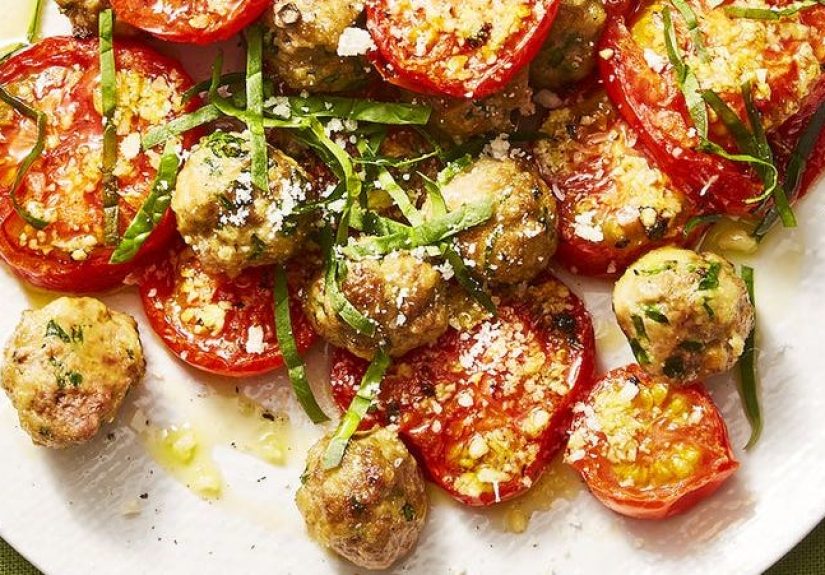
Add a bold tomato sauce (plus a few fresh tomatoes for that bright, poppy finish), and you’ve got a meal that works three ways:
weeknight pasta hero, party appetizer MVP, and meal-prep lifesaver.
This recipe focuses on what actually makes meatballs “the best”: moisture, seasoning, a tender bite, and a sauce that tastes like it’s been simmering all day
(even if you made it while answering emails and locating a missing sock).
You’ll learn the simple techniques that keep mini meatballs juicy, help them brown without turning into tiny hockey pucks, and build a tomato sauce
that’s rich, balanced, and spoon-worthy.
Why Mini Meatballs + Tomatoes Work So Well
Big meatballs are great, but mini meatballs are smarter. They cook faster, soak up sauce more evenly, and give you more browned surface area per bite.
Translation: more flavor, less waiting. Pairing them with tomatoes is also a win because tomato sauce brings acidity to balance rich meat,
while a finishing handful of fresh cherry tomatoes (or grape tomatoes) adds a sweet, fresh contrast.
What “Best” Means Here
- Tender texture: a gentle mix and a moist binder keep the meat soft.
- Bold flavor: Parmesan, garlic, herbs, and a little tomato paste build depth.
- Smart cooking: brown first for flavor, then finish in sauce for juiciness.
- Tomato sauce that behaves: not watery, not harsh, not sugar-bombed.
Ingredients
For the Mini Meatballs
- 1 lb ground beef (ideally not ultra-lean)
- 1/2 lb ground pork (optional but highly recommended for juiciness)
- 1/2 cup fine breadcrumbs (or panko, pulsed briefly)
- 1/3 cup milk (or water)
- 1 large egg
- 1/2 cup grated Parmesan (plus more for serving)
- 2 cloves garlic, finely grated or minced
- 2 tbsp finely grated onion (optional but great for moisture and flavor)
- 2 tbsp chopped fresh parsley (or 2 tsp dried)
- 1 tsp kosher salt
- 1/2 tsp black pepper
- 1/4 tsp dried oregano
- Pinch of nutmeg (optional, but classic)
- Olive oil, for browning
For the Tomato Sauce (and the “Tomatoes” Part)
- 2 tbsp olive oil
- 1/2 small onion, finely chopped
- 3–4 cloves garlic, minced
- 2 tbsp tomato paste
- 1/2 tsp dried oregano
- Pinch red pepper flakes (optional)
- 1 (28 oz) can crushed tomatoes (or whole peeled tomatoes, crushed by hand)
- 1/2 cup water or broth (use a splash to rinse the canzero waste, maximum sauce)
- 1 tbsp butter (optional, for rounding out acidity)
- 1 cup cherry or grape tomatoes, halved
- Handful fresh basil leaves
- Salt and pepper, to taste
Serving Ideas
- Spaghetti, rigatoni, or orecchiette
- Polenta or mashed potatoes
- Toasted hoagie rolls (mini meatball subs are dangerously easy to “accidentally” make)
- Toothpicks + Parmesan + basil for a party appetizer
Equipment You’ll Want (Nothing Fancy)
- Large mixing bowl
- Sheet pan (for fast, even browning) or a large skillet
- Large pot or deep sauté pan for sauce
- Instant-read thermometer (strongly recommended for perfect doneness)
Step-by-Step: How to Make Mini Meatballs With Tomatoes
Step 1: Make the Moist Binder (a.k.a. the Secret to Tender)
In a small bowl, mix breadcrumbs and milk. Let it sit for 5 minutes until it becomes a thick paste.
This step helps prevent dry, tough meatballs because the starch holds onto moisture and keeps proteins from tightening up too aggressively.
Step 2: Mix Gently (Your Meatballs Are Not a Stress Ball)
In a large bowl, combine ground beef, ground pork, the breadcrumb-milk mixture, egg, Parmesan, garlic, onion (if using),
parsley, salt, pepper, oregano, and nutmeg. Mix with your hands just until combined.
Overmixing = dense meatballs. Think “fluffy clouds,” not “cement sample.”
Step 3: Shape Mini Meatballs Quickly and Evenly
Roll into 1-inch balls (about 20–26 meatballs, depending on your exact size).
Lightly oil or wet your hands to keep the mixture from sticking.
For consistent sizing, use a teaspoon or small cookie scoop.
Step 4: Brown the Mini Meatballs (Two Easy Options)
Option A: Oven Broil (Fast, Less Mess)
Heat your broiler. Place meatballs on a lightly oiled sheet pan and broil 6–10 minutes, shaking the pan once,
until browned on top and mostly cooked through (they’ll finish in the sauce).
Option B: Pan Sear (Maximum Crust)
Heat 1–2 tbsp olive oil in a large skillet over medium-high heat.
Brown meatballs in batches, turning to color multiple sides, about 5–7 minutes total per batch.
They don’t need to be fully cooked yetjust nicely browned.
Either way, move browned meatballs to a plate while you build the sauce.
(Try not to eat “just one.” That’s how you end up with 14 meatballs and 26 people coming over.)
Step 5: Build a Tomato Sauce That Tastes Like You Tried Harder Than You Did
In a large pot or deep sauté pan, warm 2 tbsp olive oil over medium heat.
Add chopped onion and cook 3–5 minutes until soft.
Stir in garlic and cook 30 seconds (just until fragrantdon’t let it scorch).
Add tomato paste, oregano, and red pepper flakes (if using).
Cook 1–2 minutes, stirring, until the paste darkens slightlythis quick “toasting” deepens flavor.
Pour in crushed tomatoes and the water/broth.
Bring to a gentle simmer, then reduce heat to low.
Simmer 10–15 minutes while you admire your life choices. Taste and season with salt and pepper.
If the sauce tastes sharp, stir in the butter a little at a time to smooth it out.
Step 6: Finish Meatballs in the Sauce (Juicy Mode Activated)
Add browned meatballs to the gently simmering sauce.
Cook 10–15 minutes, stirring carefully once or twice, until meatballs are cooked through.
For the best texture, aim for “just done,” not “cooked until the end of time.”
In the last 3 minutes, stir in the halved cherry tomatoes.
They’ll soften slightly while keeping some fresh sweetness and texture.
Turn off heat and add basil.
Step 7: Serve Like You Mean It
Serve mini meatballs and tomato sauce over pasta with extra Parmesan and basil.
Or spoon them into toasted rolls for mini meatball subs.
For appetizers, keep them warm in the sauce and serve with toothpicksbonus points for a sprinkle of Parmesan on top.
Tips for the Best Mini Meatballs in Tomato Sauce
1) Don’t Go Too Lean
Very lean meat can dry out, especially in small meatballs.
A bit of fat helps tenderness and flavor. If you only have lean meat, compensate with extra onion, a touch more milk in the binder,
or a spoonful of ricotta in the mix.
2) Salt Is Not a Suggestion
Meatballs need enough seasoning to stand up to tomato sauce. If you under-salt the mixture,
you’ll end up with meatballs that taste like they’re apologizing.
3) Sauce Should Simmer, Not Boil
A hard boil can break meatballs and toughen them. Keep the sauce at a gentle simmersmall bubbles, calm vibes.
4) Use a Thermometer for Confidence
The difference between perfect and dry can be a few minutes.
A quick temperature check keeps you from guessing and overcooking.
Variations (Because Dinner Should Be Flexible)
Mini Turkey Meatballs With Tomatoes
Swap beef/pork for ground turkey (dark meat if possible). Add 1–2 tbsp olive oil to the mixture for moisture
and consider mixing in 2 tbsp grated onion or a spoonful of yogurt/ricotta for tenderness.
Spicy Mini Meatballs Arrabbiata-Style
Increase red pepper flakes and add a pinch of smoked paprika.
Finish with fresh parsley and extra garlic. (Your breath will be powerful enough to ward off vampires and awkward conversations.)
Gluten-Free
Use gluten-free breadcrumbs (or crushed gluten-free crackers). The binder still matterskeep the milk/water step.
Dairy-Free
Use water instead of milk, and skip Parmesan (or use a dairy-free alternative).
Add extra herbs and a touch more garlic to boost flavor.
Make-Ahead, Storage, and Freezer Tips
- Make ahead: Shape meatballs up to 24 hours in advance. Keep covered in the fridge.
- Fridge: Store cooked meatballs and sauce in an airtight container. Reheat gently on the stove or microwave.
- Freeze: Freeze cooked meatballs (with or without sauce). Thaw overnight in the fridge or warm gently from frozen on the stove.
- Best texture tip: Reheat slowly at a low simmer. Boiling can toughen meatballs and reduce sauce too fast.
Common Troubleshooting
“My meatballs are tough.”
The usual culprits: overmixing, overcooking, or skipping the moist binder.
Mix gently and finish them in sauce just until done.
“My sauce tastes too acidic.”
Add butter, simmer a bit longer, or balance with a small pinch of salt.
Avoid dumping in lots of sugartomato sauce should be bright, not candy-coated.
“My meatballs fall apart.”
Make sure you included the egg and binder, and that the sauce is simmering gently, not boiling.
Also: don’t stir aggressivelymeatballs are tender by design, not built for turbulence.
Conclusion
These mini meatballs with tomatoes are everything you want in a comfort-food recipe: tender, flavorful, and surprisingly adaptable.
Brown them for that craveable crust, simmer them briefly in a rich tomato sauce, and finish with fresh tomatoes and basil for a bright, modern twist.
Whether you’re feeding a family, stocking the freezer, or trying to impress guests with something that looks fancy but isn’t fussy,
this is the kind of recipe that quietly becomes a regular.
Experience Notes ( of Real-World Mini Meatball Wisdom)
If you’ve ever made meatballs and thought, “Why do these taste amazing at restaurants but merely polite at home?”you’re not alone.
In home kitchens, the most common experience is that meatballs go from juicy to dry faster than you can say “I’ll just simmer them longer.”
Mini meatballs make that learning curve even sharper, because their small size means they cook quickly and have less margin for error.
The good news: once you notice the patterns, you can fix them on purpose.
One thing home cooks often report is that the mixing stage is where meatballs are won or lost.
It’s tempting to keep mixing until everything looks perfectly uniform, but that’s also how you end up with a bouncy, sausage-like texture.
A helpful mindset is “combine, then stop.” When you still see tiny streaks of breadcrumb paste or herbs, that’s fine.
As the meatballs cook, everything evens out. The reward is a tender bite instead of a meatball that squeaks when you chew it.
Another common experience: people worry that browning is “optional” and then wonder why the sauce tastes flat.
Browning mini meatballs adds that deep, savory flavor you can’t get from simmering alone.
But you don’t need to stand at the stove flipping 25 tiny spheres like you’re training for the Meatball Olympics.
Broiling is a popular weeknight workaround because it gives you color fast and keeps the mess contained.
If you do pan-sear, most cooks find it easier to brown in batches and accept “mostly browned” rather than chasing perfection.
Your future self will thank you when dinner happens before bedtime.
Sauce experiences tend to fall into two camps: “watery and sad” or “thick but harsh.”
A simple trick many cooks adopt is cooking the tomato paste briefly in oil before adding tomatoes.
It deepens flavor without adding extra ingredients.
Also, people often discover that sauce doesn’t need hours to taste goodjust a steady simmer, proper salt, and a finishing touch like basil.
Adding fresh cherry tomatoes near the end is one of those “why didn’t I do this sooner?” moments:
they bring a little sweetness and brightness that makes the whole pot taste fresher.
Finally, there’s the confidence factor. Many home cooks feel unsure about doneness and keep cooking “just to be safe.”
The result is often overcooked meatballs. Using a thermometer is a game-changer because it replaces anxiety with information.
Once you’ve nailed the timing a couple times, you’ll start to recognize the visual cues too: meatballs firm but not hard, sauce gently bubbling, and a smell that makes people drift into the kitchen like cartoon characters floating toward a pie. That’s when this recipe stops being “a dinner you tried” and becomes “the meatball dinner you’re known for.”