Table of Contents >> Show >> Hide
- What Makes Sticky Buns Different From Cinnamon Rolls?
- Key Ingredients (And Why They Matter)
- Equipment You’ll Want
- Best Pecan Sticky Buns Recipe (From Scratch)
- Make-Ahead Options (Overnight Sticky Buns Without Morning Chaos)
- Pro Tips for Truly Great Pecan Sticky Buns
- Flavor Variations (Because “Best” Can Have Options)
- Troubleshooting: Sticky Bun Problems (Solved)
- How to Store and Reheat
- Serving Ideas
- Kitchen Experiences: What Making Pecan Sticky Buns Feels Like (And What You’ll Learn)
- Conclusion
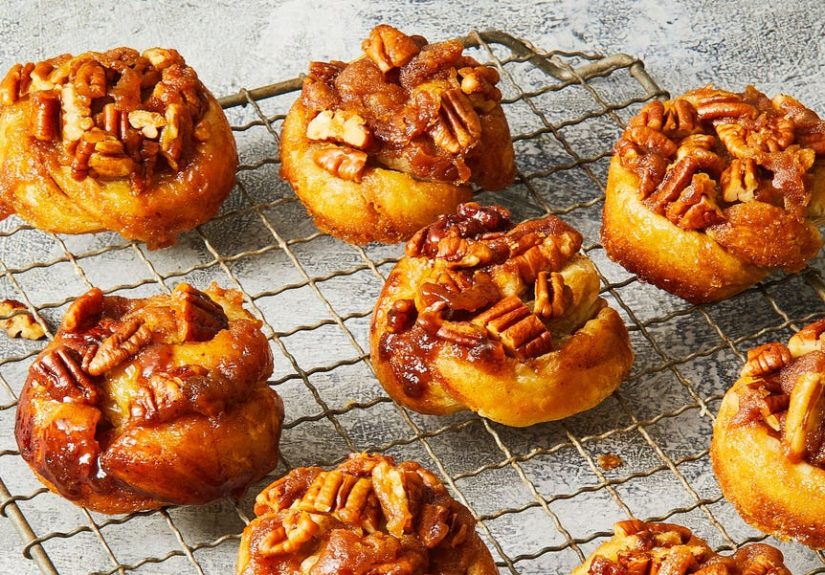
Pecan sticky buns are what happens when a cinnamon roll decides to put on a tuxedo, splash on caramel, and show up to brunch like it owns the place. They’re soft, buttery, and swirled with cinnamon sugarthen baked on top of a bubbling brown-sugar sauce studded with pecans. When you flip the pan, the “bottom” becomes a glossy, gooey crown. It’s dramatic. It’s delicious. It’s also the reason people suddenly volunteer to host holiday mornings.
This guide gives you a from-scratch, bakery-style pecan sticky buns recipe with the small details that make the difference: a tender enriched dough, a caramel that stays silky (not gritty), and a bake that avoids doughy centers. You’ll also get make-ahead options, troubleshooting, and easy variationsbecause sticky buns should feel like a treat, not a final exam.
What Makes Sticky Buns Different From Cinnamon Rolls?
Both start with sweet yeast dough and a cinnamon-sugar spiral, but sticky buns have a signature move: they bake in caramel and get inverted after baking so the syrupy topping drips down into every ridge. The pecans aren’t just a garnishthey’re part of the sauce layer, adding crunch and a toasted, buttery flavor that keeps the sweetness from feeling one-note.
Key Ingredients (And Why They Matter)
The dough: tender, fluffy, and not “bready”
- Milk + butter + egg = enriched dough that bakes up soft and plush.
- Sugar feeds yeast and adds tenderness.
- Salt makes the flavor pop (and keeps sweetness in check).
The topping: caramel that stays smooth
- Brown sugar + butter make the classic sticky bun base.
- Cream helps create a richer, silkier sauce.
- Light corn syrup (or honey) helps prevent crystallization so the caramel stays glossy instead of grainy.
- Pecans should be lightly toasted for maximum flavor (it’s the difference between “nice” and “can I have another?”).
The filling: the cinnamon-sugar swirl
- Soft butter helps the sugar stick and melts into the layers.
- Brown sugar + cinnamon deliver that warm, classic sticky bun flavor.
- A pinch of salt keeps it balanced.
Equipment You’ll Want
- Stand mixer with dough hook (helpful) or a big bowl + some elbow grease (works fine).
- 9×13-inch baking pan or two 9-inch round pans (round pans look extra bakery-cute).
- Instant-read thermometer (optional, but it’s your anti-doughy insurance policy).
- A large rimmed platter or sheet pan for flipping (because caramel has dreams of escaping).
Best Pecan Sticky Buns Recipe (From Scratch)
Yield: 12 buns
Total time: About 3 to 4 hours (or overnight with the make-ahead method)
Oven: 350°F
Ingredients
For the dough
- 3/4 cup (180 ml) whole milk, warmed to about 105–110°F (warm, not hot)
- 2 1/4 teaspoons active dry yeast (1 packet)
- 1/4 cup (50 g) granulated sugar
- 1 large egg + 1 large egg yolk
- 6 tablespoons (85 g) unsalted butter, melted and cooled slightly
- 1 teaspoon kosher salt
- 3 1/2 cups (420–440 g) all-purpose flour, plus more for dusting
For the pecan caramel topping
- 6 tablespoons (85 g) unsalted butter
- 3/4 cup (150 g) packed dark brown sugar
- 1/3 cup (80 ml) heavy cream
- 3 tablespoons light corn syrup (or honey)
- 1/2 teaspoon vanilla extract
- 1/4 teaspoon salt
- 1 1/2 cups (170 g) pecan halves or large pieces, lightly toasted
For the filling
- 4 tablespoons (57 g) unsalted butter, softened
- 2/3 cup (135 g) packed brown sugar
- 1 tablespoon ground cinnamon
- Pinch of salt
Step-by-step instructions
- Wake up the yeast.
In a large bowl (or mixer bowl), combine warm milk, yeast, and a teaspoon of the sugar. Let it sit 5–10 minutes until foamy. If it looks like nothing is happening, your yeast might be expired or the milk was too hot/cold.
- Mix the dough.
Add remaining sugar, egg, yolk, melted butter, salt, and 3 cups of flour. Mix until a shaggy dough forms. Add the remaining flour gradually until the dough is soft and slightly tacky but not wet.
Mixer: Knead with dough hook 6–8 minutes. By hand: Knead 8–10 minutes on a lightly floured surface.
- First rise.
Place dough in a lightly greased bowl, cover, and let rise in a warm spot until doubled, about 60–90 minutes (enriched dough can take a little longer). It should feel airy and pillowy.
- Toast the pecans (quick but worth it).
While the dough rises, toast pecans at 350°F for 6–8 minutes until fragrant. Cool. This boosts flavor and keeps the nuts from tasting “raw” in the caramel.
- Make the pecan caramel topping.
In a saucepan over medium heat, melt butter. Stir in brown sugar, cream, corn syrup, salt, and cook 2–3 minutes until smooth and glossy. Remove from heat, stir in vanilla. Pour into a greased 9×13 pan (or two greased 9-inch rounds) and sprinkle toasted pecans evenly over the top.
Safety note: This mixture is lava-hot. Treat it like lava. Because it is.
- Roll and fill.
Turn risen dough onto a lightly floured surface. Roll into a rectangle about 12×18 inches. Spread softened butter across the surface. Mix brown sugar, cinnamon, and salt, then sprinkle evenly over butter.
- Shape the buns.
Roll the dough up tightly from the long side into a log. Pinch the seam. Cut into 12 even pieces (unflavored dental floss works beautifully; a serrated knife also works).
- Second rise.
Place buns cut-side down on top of the pecan caramel layer, spacing evenly. Cover and let rise until puffy and nearly doubled, about 45–75 minutes. They should look like they’re ready to cuddle.
- Bake.
Heat oven to 350°F. Bake 25–32 minutes until golden brown. If browning too fast, loosely tent with foil the last 10 minutes.
Doneness tip: If using a thermometer, aim for about 190°F in the center bun. That’s the sweet spot for fully baked enriched rolls without drying them out.
- Flip (the sticky bun finale).
Let buns cool 5–10 minutes (not longer, or the caramel can set). Place a large rimmed platter over the pan and carefully invert. Lift pan off slowly. Scrape any remaining caramel/pecans from the pan onto the buns. This is not “mess”this is “bonus topping.”
Make-Ahead Options (Overnight Sticky Buns Without Morning Chaos)
Option 1: Overnight proof (best for fresh-baked mornings)
- Prepare buns through shaping and placing them in the caramel-pecan pan.
- Cover tightly and refrigerate 8–16 hours.
- In the morning, let sit at room temp 45–75 minutes until puffy.
- Bake as directed.
Option 2: Same-day shortcut
If your kitchen is cool, warm your “rising spot” by turning the oven on for 1–2 minutes, then turning it off and placing the covered dough inside. You’re aiming for cozy, not sauna.
Pro Tips for Truly Great Pecan Sticky Buns
- Control the stickiness: Cooking the topping a bit longer makes it thicker and stickier; cooking it less keeps it looser and more syrupy. Pick your goo level.
- Don’t drown the dough in flour: A soft, slightly tacky dough bakes up tender. Too much flour = buns that feel like they’re holding a grudge.
- Use the center bun as your truth-teller: The middle bun bakes slowest. If it’s done, the rest are definitely done.
- Flip sooner rather than later: Wait too long and caramel sets; flip too soon and it’s dangerously runny. That 5–10 minute window is gold.
- Toast the pecans: It amplifies flavor and makes them taste like pecans, not just “brown crunchy things.”
Flavor Variations (Because “Best” Can Have Options)
Maple-pecan sticky buns
Swap 1 tablespoon of corn syrup for 1 tablespoon maple syrup and add 1 more pinch of salt to balance sweetness. (Keep some corn syrup or honey in the mix to help the caramel stay smooth.)
Bourbon-pecan
Add 1 tablespoon bourbon to the topping off heat (with the vanilla). It tastes like grown-up dessert pretending to be breakfast.
Orange-cinnamon
Add 1 teaspoon orange zest to the filling and a tiny pinch of cardamom. It’s cozy with a bright finish.
Chocolate cameo
Sprinkle 1/3 cup mini chocolate chips over the filling before rolling. Sticky buns with chocolate are basically a standing ovation.
Troubleshooting: Sticky Bun Problems (Solved)
My buns are doughy in the middle.
- Bake a few minutes longer and check internal temperature near 190°F.
- Make sure the second rise was sufficient; under-proofed buns bake up tight and can stay doughy.
- Use a metal pan for more even heat (glass can bake differently).
My caramel turned grainy.
- That’s crystallization. Using a little corn syrup or honey helps prevent it.
- Stir gently and avoid aggressive boiling; you just want smooth and combined.
The topping hardened too much.
- Cook the topping for less time next batch.
- Add a bit more cream (1–2 tablespoons) for a softer sauce.
- Warm leftovers gently to loosen the caramel.
My buns aren’t fluffy.
- Your yeast might be old, or the dough was too cold during rising.
- Too much flour can make the dough heavymeasure carefully.
- Give the dough time. Enriched dough can be a little slower, but it pays you back in softness.
How to Store and Reheat
- Room temp: Cover tightly and keep 1–2 days.
- Fridge: Up to 4 days (reheat before serving for best texture).
- Freezer: Freeze baked buns up to 2 months. Thaw overnight in the fridge.
- Reheat: Microwave individual buns 15–25 seconds, or warm the pan at 300°F for 10–15 minutes. Add a tiny splash of water to the plate (microwave) if you want extra softness.
Serving Ideas
Sticky buns love coffee, obviously. They also pair surprisingly well with something salty on the sidescrambled eggs, bacon, or even a sharp cheddar slice. (Yes, really. Sweet + salty = brunch magic.) If you’re serving a crowd, keep extra pecans nearby for “decorating,” also known as “snacking.”
Kitchen Experiences: What Making Pecan Sticky Buns Feels Like (And What You’ll Learn)
The first time you make pecan sticky buns, you quickly realize the recipe isn’t hardit’s just alive. Yeast dough doesn’t care about your stopwatch; it cares about temperature, humidity, and whether your kitchen feels like a tropical vacation or a mild documentary about winter. Many bakers start by nervously staring at the bowl during the first rise, wondering if the dough is doing anything at all. Then, suddenly, it doubles like it’s been secretly training for this moment, and you feel like a wizard who owns exactly one spell: “rise.”
Rolling the dough is the part where you discover your personal philosophy about “perfect rectangles.” Some people measure. Some people eyeball. Either way, the buns will still taste great, because sticky buns are generous like that. The filling step is also where restraint goes to die. Brown sugar and cinnamon smell so good that it’s tempting to keep sprinkling until you’ve built a dune. The trick is remembering that extra filling can leak out and burn on the pan edgeso if you want “more,” the safer move is adding a little extra caramel and pecans instead of overloading the swirl.
Then comes the toppingthe glossy, buttery pool that turns into the signature sticky layer. This is the moment you learn respect. Hot caramel is not “kind of warm.” It is commitment. You’ll move a little slower, stir a little more carefully, and quietly decide that long sleeves are a great invention. The upside is the aroma: toasted pecans plus brown sugar smells like a bakery opened inside your kitchen and immediately got popular on social media.
The second rise teaches patience. Under-proofed buns bake up tighter and can look impressive but eat a little heavy. Properly proofed buns look puffy and relaxed, like they’ve let go of their stress. If you’re making overnight sticky buns, the morning bake feels like a cheat code: you open the fridge, see those chilled spirals sitting in caramel, and it’s oddly satisfyinglike setting up a surprise party for your future self.
And finally: the flip. Every sticky bun maker remembers their first flip like a tiny rite of passage. You’ll pick a platter, worry it’s not big enough, worry it’s too big, then do the brave thing anyway. The best part is lifting the pan and seeing the buns wearing their caramel-pecan crown. If a little topping stays behind, it’s not a failurejust scrape it onto the buns and call it “rustic.” After all, nobody at the table is grading your technique. They’re too busy pulling apart warm layers and negotiating for “the one with the most pecans.”
Over time, you’ll notice how small choices change the final result: toasting pecans makes the flavor deeper, a slightly longer topping cook makes it stickier, and baking until the center is truly done prevents that soft-but-raw middle. The experience becomes less about following steps and more about reading cueshow the dough looks, how the buns feel, how the caramel behaves. That’s when you stop “making a recipe” and start making your sticky bunsthe kind that friends request, neighbors conveniently “drop by” for, and family members remember forever.
Conclusion
If you want a best-in-class pecan sticky buns recipe, focus on three things: a soft enriched dough, a caramel topping designed to stay smooth, and a bake that finishes the center without drying the edges. Once you’ve nailed the base, the fun is in the variationsmaple, bourbon, orange zest, extra pecans, you name it. Make them once, and you’ll understand why sticky buns are a breakfast tradition: they feel special, they smell like a celebration, and they turn an ordinary morning into something people actually remember.