Table of Contents >> Show >> Hide
- Why Skillet Lasagna Is Perfect for Summer
- Ingredients for the Best Summer Skillet Lasagna
- How to Make Summer Skillet Lasagna (Step by Step)
- Tips, Swaps, and Variations
- Serving and Storage
- Frequently Asked Questions About Summer Skillet Lasagna
- Real-Life Experiences: Making the Best Summer Skillet Lasagna
- Final Thoughts
Love lasagna but hate cranking up the oven when it’s 90°F and your A/C is already
begging for mercy? Enter summer skillet lasagnaall the cheesy,
saucy comfort of classic lasagna, cooked in one pan right on the stovetop.
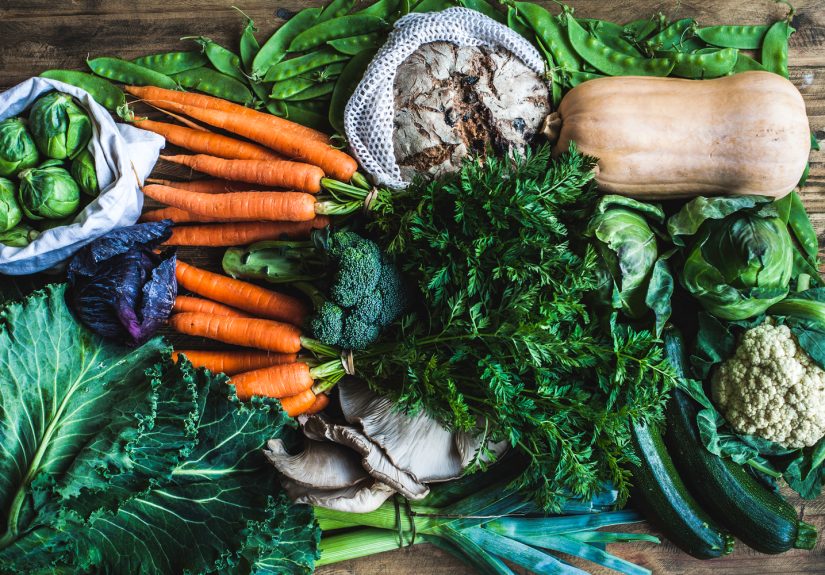
Add piles of fresh summer veggies like zucchini, corn, and juicy tomatoes, and
you’ve basically turned your farmers’ market haul into the coziest weeknight
dinner ever.
This one-pan summer skillet lasagna borrows the best tricks from
popular skillet lasagna and summer vegetable lasagna recipes: no-boil lasagna
noodles that cook right in the sauce, a mix of tender seasonal vegetables, and
a creamy ricotta layer that melts into gooey mozzarella and Parmesan.
You get all the flavor and layers you love, without heating up your whole kitchen
or dirtying half your cookware.
Why Skillet Lasagna Is Perfect for Summer
Skillet lasagna is basically lazy lasagnabut in a good way. Here’s why it shines in summer:
- No oven required: Everything cooks on the stovetop, so your kitchen doesn’t feel like a sauna.
- One pan, easy cleanup: Sauté, simmer, and bake (if you finish under the broiler) in the same skillet.
- Built for summer produce: Recipes often pack in zucchini, corn, cherry tomatoes, spinach, and herbs, making the dish feel lighter and fresher.
- Fast comfort food: Many skillet lasagnas are done in 30–45 minutesmuch quicker than traditional layered lasagna.
- Flexible: You can go vegetarian, add chicken or sausage, or even use lentils for a hearty meatless version.
In short: it’s cozy enough to feel like comfort food, but bright and veggie-packed
enough to still feel like summer.
Ingredients for the Best Summer Skillet Lasagna
This recipe serves about 4–6 people, depending on how big your “just one more
bite” portions are.
Pasta & Pan
- 10–12 no-boil (oven-ready) lasagna noodles, broken into large pieces
- 1 large oven-safe skillet (10–12 inch cast-iron or heavy stainless steel)
No-boil noodles are made to soften directly in the sauce and liquid, which is why
they’re so popular in one-pot and skillet lasagnas.
Breaking them into rustic “shards” makes layering in the skillet fast and forgiving.
Protein (Optional but Delicious)
- 1 pound Italian sausage or ground chicken (mild or spicy)
Italian sausage brings classic lasagna flavor with minimal effort. Ground chicken
keeps things lighter while still adding plenty of protein.
Summer Vegetables
- 1 medium zucchini, halved and sliced
- 1 yellow squash, halved and sliced
- 1 cup fresh corn kernels (from 1–2 ears) or frozen, thawed
- 1 cup cherry or grape tomatoes, halved
- 2 cups baby spinach
- 1 small yellow onion, finely chopped
- 3 cloves garlic, minced
Many summer lasagna and skillet recipes highlight exactly this combozucchini,
summer squash, corn, and tomatoesfor a sweet, juicy, and colorful veggie base.
Cheese Layer
- 1 cup ricotta cheese (or small-curd cottage cheese)
- 1 ½ cups shredded mozzarella, divided
- ¼ cup grated Parmesan, plus more for serving
- 1 large egg
- 2–3 tablespoons fresh basil, chopped
- ½ teaspoon salt and ¼ teaspoon black pepper
That ricotta–mozzarella–Parmesan trio shows up again and again in beloved lasagna
recipes because it melts into a creamy, stretchy, golden top layer that just
screams “second helping.”
Sauce & Seasoning
- 1 (24-ounce) jar marinara sauce or tomato basil pasta sauce
- ½–1 cup water or low-sodium broth (to help cook the noodles)
- 1 teaspoon Italian seasoning
- ¼ teaspoon red pepper flakes (optional, for heat)
- 1 teaspoon lemon zest (optional, to brighten the summer flavors)
- Extra fresh basil leaves for garnish
Using a jarred marinara sauce is a common, smart shortcut in one-pot lasagna
recipesit saves time while still giving a rich, tomato-forward base.
How to Make Summer Skillet Lasagna (Step by Step)
1. Prep the Cheese Filling
In a medium bowl, stir together the ricotta, 1 cup of the mozzarella, the Parmesan,
egg, chopped basil, salt, and pepper until smooth and creamy. Taste and adjust
seasoning. Set aside. This mixture will become your “lazy layers” between the
noodles.
2. Brown the Protein
- Heat the olive oil in your skillet over medium heat.
- Add the sausage or ground chicken and cook, breaking it up with a spatula, until browned and cooked through.
- If there is excess fat, spoon off a bitbut leave a little for flavor.
Many skillet lasagna recipes combine sausage with tomato sauce right in the pan
for a fast, deeply flavored base.
3. Sauté the Vegetables
- Add the onion to the skillet and cook 3–4 minutes until softened.
- Stir in the garlic and cook about 30 seconds, just until fragrant.
- Add the zucchini, yellow squash, and corn. Sauté 4–5 minutes until they’re just tender and starting to caramelize at the edges.
- Fold in the cherry tomatoes and spinach. Cook another 1–2 minutes until the spinach wilts and the tomatoes start to slump.
Lightly cooking the veggies first helps prevent your lasagna from becoming watery
and concentrates their flavora tip echoed in many summer vegetable lasagna recipes.
4. Build the Sauce
- Pour in the jar of marinara sauce and ½ cup of water or broth.
- Add Italian seasoning, red pepper flakes (if using), and lemon zest.
- Stir everything together and bring to a gentle simmer.
- Taste and adjust with a pinch of salt or sugar if needed, depending on your sauce.
If the sauce looks very thick, add a bit more water; remember, the noodles will
soak up liquid as they cook.
5. Layer the Noodles and Cheese (Skillet-Style)
- Reduce the heat to medium-low so the sauce is gently bubbling.
- Nestle a layer of broken no-boil lasagna noodles into the sauce, pressing down so they’re submerged.
- Spoon dollops of the ricotta mixture over the noodles.
- Repeat with another layer of sauce, noodles, and ricotta until you’ve used all the noodles and most of the ricotta.
- Finish with a generous layer of sauce on top.
Skillet lasagna recipes often skip precise layering in favor of “scatter, dollop,
repeat”the flavors still meld, but the process is much more weeknight friendly.
6. Cover and Simmer
- Cover the skillet with a lid (or tightly with foil).
- Simmer on low for 20–25 minutes, or until the noodles are tender when pierced with a fork.
- If the sauce thickens too much before the noodles are done, splash in a little more water or broth.
Cooking no-boil noodles slowly in a saucy environment is the key to achieving
that classic lasagna texture without boiling pasta separately.
7. Add the Final Cheese & (Optional) Broil
- Remove the lid and sprinkle the remaining ½ cup mozzarella and a little extra Parmesan over the top.
- Cover again for 3–5 minutes until the cheese melts.
-
If your skillet is oven-safe and you want a browned top, slide it under the broiler
for 2–3 minutesjust watch closely so it doesn’t burn.
A quick broil is a common restaurant-style trick to mimic the bubbling, golden
top of a baked lasagna while still relying mostly on stovetop cooking.
8. Rest, Garnish, and Serve
Turn off the heat and let the skillet lasagna rest for at least 5–10 minutes.
This short pause helps everything set up, so your slices hold together better
instead of sliding into a cheesy avalanche (not always a bad thing, to be fair).
Top with torn basil leaves and extra Parmesan before serving.
Tips, Swaps, and Variations
Make It Meatless
Skip the sausage or chicken and add extra vegetablesthink eggplant, mushrooms,
or bell peppers. Vegetarian skillet lasagnas often rely on a hearty mix of
summer produce and sometimes lentils for extra protein.
Lighten It Up
- Use part-skim ricotta and mozzarella.
- Swap sausage for lean ground turkey or chicken.
- Boost the veggie ratio and slightly reduce the cheese on top.
Play with Flavor
- Use a spicy arrabbiata or tomato basil sauce.
- Stir sun-dried tomato pesto into the sauce for extra depth, a trick
used in some summer skillet lasagna recipes. - Add fresh herbs like oregano, thyme, or parsley along with the basil.
Gluten-Free or Veggie Noodle Options
Use gluten-free oven-ready lasagna noodles, or fold thin ribbons of zucchini
and summer squash into the layers to reduce the pasta and highlight the summer
produce even more.
Serving and Storage
What to Serve with Summer Skillet Lasagna
- Garlic bread or crusty baguette to mop up the sauce
- A simple green salad with lemony vinaigrette
- Grilled vegetables or a tomato–cucumber salad for even more freshness
How to Store Leftovers
- Fridge: Store cooled leftovers in an airtight container for up to 3–4 days.
- Freezer: Portion into freezer-safe containers and freeze for up to 2–3 months. Reheat gently on the stovetop or in the oven.
Skillet lasagnas reheat well and make excellent next-day lunches, similar to
traditional baked lasagna.
Frequently Asked Questions About Summer Skillet Lasagna
Do I have to use no-boil lasagna noodles?
For the best texture, yes. No-boil or oven-ready noodles are designed to soften
in the sauce as they cook. Tests with raw or parboiled traditional noodles in
skillet recipes often result in gummy, inconsistent textures.
Can I make this ahead?
You can prepare the sauce and cheese mixture earlier in the day and store them
in the fridge. When you’re ready to eat, reheat the sauce in the skillet, add
noodles and ricotta, and cook as directed. Because the noodles absorb liquid as
they sit, it’s best to assemble and cook them fresh rather than letting everything
rest uncooked for hours.
Can I bake it instead of finishing on the stovetop?
Absolutely. If your skillet is oven-safe, you can move it to a 375°F oven after
layering and bake for about 20–25 minutes, then uncover and bake until the cheese
is golden and bubbly, similar to baked summer vegetable lasagnas.
Real-Life Experiences: Making the Best Summer Skillet Lasagna
Every cook who falls in love with summer skillet lasagna usually has a story
behind it, and most of those stories start with: “It was way too hot to turn on
the oven.” This dish is very much a practical response to summer heat, but the
more you make it, the more you realize it solves a few other problems toolike
the overflowing veggie drawer and the need to feed a hungry crew on a weeknight
without a full-afternoon kitchen project.
The first time you make skillet lasagna, you might be tempted to overthink the
layers. Traditional lasagna has that whole neat, structured thing going on:
sauce, noodles, cheese, repeat. With a skillet version, it’s more like: “Tuck
the noodles in where they fit and dollop cheese wherever your heart tells you.”
That can feel chaotic at first, but once you see how beautifully it all melds
together, you realize that this relaxed approach is part of the magic.
One common experience people mention is how customizable the recipe becomes over
time. Maybe the first time you follow it closely, using sausage, zucchini, corn,
and tomatoes. By the third round, you’re adding leftover grilled vegetables from
the weekend, swapping in ground turkey or skipping the meat entirely, or sneaking
in a handful of kale because it needs to be used. The skillet lasagna becomes a
“clean-out-the-fridge” hero, especially during peak summer produce season when
you always seem to have one squash and half a pint of tomatoes staring at you
every time you open the fridge.
Another lesson people quickly learn is the importance of liquid balance. Too
little, and the noodles stay chewy; too much, and you’ve basically made a
lasagna soup. The sweet spot is a sauce that looks slightly looser than you’d
want for servingit should be a bit soupy before you add the noodles. As the
dish cooks and rests, the pasta absorbs that extra moisture and turns it into a
silky, cohesive, scoopable lasagna. Once you’ve watched that transformation a
few times, you get really good at eyeballing the sauce and adjusting with a
splash of water or broth.
Timing also becomes second nature. The first run, you might anxiously lift the
lid every five minutes to poke at the noodles and see if they’re done. After a
couple of tries, you’ll know that a gentle 20–25-minute simmer on low heat is
usually enough, and that the real magic happens in the 5–10 minutes after you
turn off the stove. Letting the skillet sitwhile you toss a salad, slice bread,
or just stare lovingly at the cheesehelps everything set up so you get those
satisfying, slightly structured scoops.
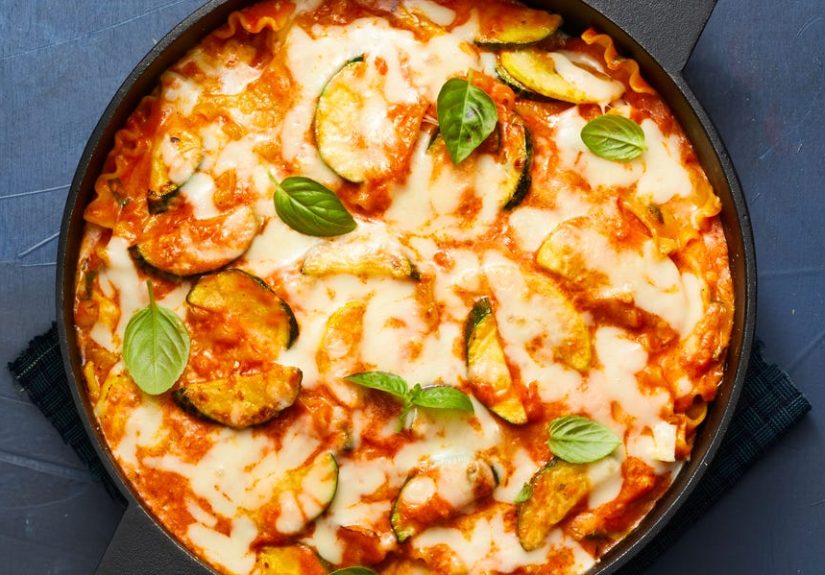
And then there’s the “wow” moment at the table. People expect lasagna to be a
big, baked, slightly formal affair. When you plunk down a skillet bubbling with
melted cheese, streaked with tomato sauce, and topped with bright green basil
leaves, it feels both cozy and a little bit impressivelike you pulled off
something fancy, even though you know it was mostly a matter of layering, covering,
and letting the stove do the work.
Over time, many home cooks find that summer skillet lasagna becomes part of
their warm-weather rotation, right alongside grilled chicken and big salads.
It’s the dish you make when the farmers’ market tomatoes are too gorgeous to
ignore, when you have more zucchini than you bargained for, or when you want a
dinner that feels like comfort food but still celebrates the season. Once you’ve
got the basic method downbrown, sauté, sauce, nestle noodles, dollop cheese,
simmer, and restyou can riff endlessly. Each version tastes a little different,
but the experience is always the same: one-pan, low-stress, high-reward comfort
food that somehow tastes even better the next day.
Final Thoughts
Summer skillet lasagna is everything you love about lasagnarich sauce, tender
noodles, stretchy cheesereimagined for hot days and busy nights. By using
no-boil noodles, fresh seasonal vegetables, and a simple skillet method, you
get a dish that feels special without demanding an entire afternoon or a blazing
oven. Keep this recipe in your back pocket for the next time the temperature
spikes but your comfort-food cravings refuse to take a vacation.