Table of Contents >> Show >> Hide
- What “Binchotan” Actually Means
- What a Binchotan Charcoal Toothbrush Is (and Isn’t)
- The Big Claims: Do They Hold Up?
- Safety Check: What Dentists Worry About (and What They Don’t)
- How to Choose a Good Binchotan Charcoal Toothbrush
- How to Use It Like a Pro (Without Sanding Your Smile)
- Myths About Binchotan Charcoal Toothbrushes (Let’s Retire Them)
- Quick FAQ
- Real-World Experiences With a Binchotan Charcoal Toothbrush
- Conclusion
Somewhere between “I’m trying to be more eco-friendly” and “TikTok told me my teeth could be whiter,” the
binchotan charcoal toothbrush showed upusually wearing a bamboo handle and bristles so dark they look
like they’re headed to a tiny formal event.
The pitch is seductive: charcoal-infused bristles that “absorb odors,” “fight bacteria,” and maybe even help lift
stains, all while using less plastic than a standard toothbrush. The reality is more interesting (and a lot more
useful) when you separate what’s plausible from what’s pure marketing glitter.
This guide breaks down what binchotan is, how charcoal-infused brushes are made, what the science suggests, and how
to use one in a way that helps your mouthnot harms it.
What “Binchotan” Actually Means
A quick origin story (with fewer flames than you’d expect)
Binchotan is a traditional Japanese “white charcoal,” made by carbonizing hardwood (often oak) using a carefully
controlled process. It’s prized for burning cleanly with steady heat (chefs love it), and it’s also used in some
filtration and deodorizing applications because charcoal materials can be porous.
Binchotan vs. activated charcoal: close cousins, not twins
Here’s the key distinction: activated charcoal is charcoal that has been processed to dramatically increase its
surface area and adsorption capacity. Binchotan is often described as porous, but “activated” is a specific extra
stepand many toothbrushes use the terms loosely. In a toothbrush, charcoal is typically infused into nylon bristles,
which means the charcoal isn’t sitting there like a sponge with infinite surface area. It’s more like a baked-in
ingredient than a free-floating stain magnet.
What a Binchotan Charcoal Toothbrush Is (and Isn’t)
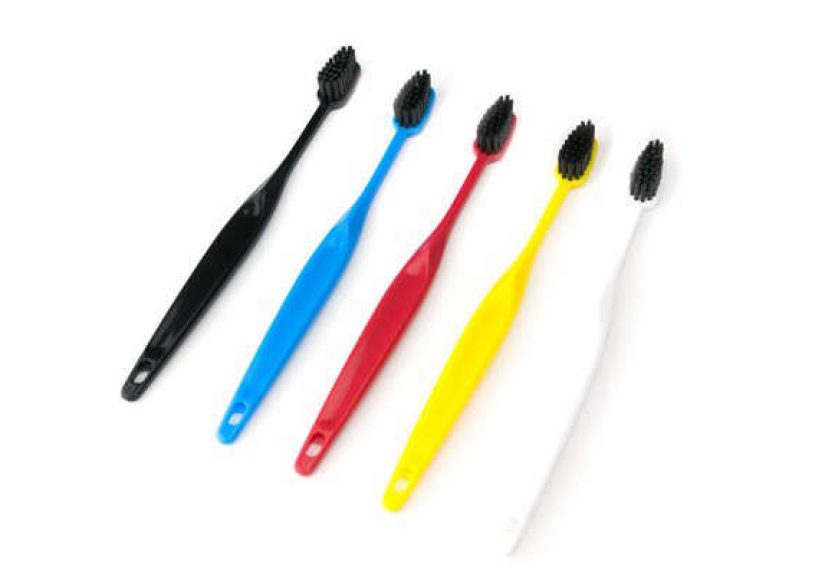
Most binchotan charcoal toothbrushes share a familiar setup:
- Handle: often bamboo (sometimes wood or bioplastic)
- Bristles: usually nylon (because bamboo bristles would be… a splinter situation)
- Charcoal “infusion”: charcoal powder blended into the bristle material
What it isn’t: a toothbrush made of charcoal, a substitute for fluoride toothpaste, or a magical dental detox wand.
(If your mouth needs detoxing, the real solution is usually “see a dentist,” not “buy a darker brush.”)
The Big Claims: Do They Hold Up?
Claim #1: “Whiter teeth”
Whitening is where marketing gets extra loud, so let’s quiet it down with reality. Teeth stains fall into two big
buckets:
- Extrinsic stains: surface stains from coffee, tea, red wine, and tobacco
- Intrinsic discoloration: deeper color changes (aging, some medications, enamel thinning, trauma)
A charcoal-infused toothbrush may help with surface stain management indirectlymainly because consistent brushing
removes plaque and surface pigments. But “true whitening” (changing tooth shade) typically comes from peroxide-based
products and professional whitening methods, which have stronger evidence and predictable results.
Also important: most research concerns charcoal toothpastes, not charcoal-infused bristles. Reviews and lab studies
have raised concerns that activated charcoal products can be abrasive and may roughen enamel or dentin surfaces,
with whitening effects that may be modest compared with proven alternatives.
Translation: a charcoal brush might help you stay consistent and feel “fresh,” but if you’re expecting movie-poster
teeth, you’ll want evidence-based whitening options and a dentist’s guidanceespecially if you have sensitivity.
Claim #2: “Antibacterial bristles”
Some studies have found lower bacterial contamination on charcoal toothbrush bristles compared to non-charcoal
brushes after short-term use. That’s intriguing, but it doesn’t automatically mean your mouth gets healthieror that
you can skip basic brush hygiene. Rinsing well, storing upright, and letting your brush air-dry are still the
heavy hitters.
There’s also ongoing research looking at microbial contamination differences, which is a sign the question is still
being actively tested, not settled.
Claim #3: “Odor absorption” and fresher breath
Charcoal materials can adsorb certain compounds, so the idea isn’t completely made up. But most bad breath is driven
by bacteria (often on the tongue), gum inflammation, dry mouth, and leftover food debrisnot a lack of charcoal in
your bristles.
If you want breath that could knock out a dragon:
- Brush gently and thoroughly for two minutes, twice daily
- Clean between teeth (floss or interdental brushes)
- Brush your tongue (or use a tongue scraper)
- Stay hydrated; address dry mouth if it’s chronic
Charcoal bristles may be a small supporting actor, but the main cast is still technique and routine.
Claim #4: “Better for the planet”
A bamboo handle can reduce plastic use compared to a fully plastic toothbrush, which is a real benefit for many
buyers. But the brush still typically has nylon bristles, and nylon doesn’t compost. Many “eco” toothbrushes are
best thought of as lower-plastic, not zero-waste.
If sustainability is your main reason for switching, look for:
- Minimal packaging (ideally recyclable paper)
- Responsible bamboo sourcing and smooth finishing
- Clear disposal instructions (more on that below)
Safety Check: What Dentists Worry About (and What They Don’t)
A charcoal-infused toothbrush is usually safe when it has soft bristles and you brush gently. The bigger
concerns in the charcoal world come from charcoal powders and some charcoal toothpastes, which can be abrasive and
may contribute to surface roughness or wear over timeespecially if you scrub like you’re sanding a deck.
Another major issue with charcoal products is fluoride. Many charcoal toothpastes either don’t contain fluoride or
may interfere with fluoride’s protective effects, raising concerns about cavity prevention when charcoal replaces
a fluoride routine. A charcoal toothbrush does not have this problem by itselfunless it convinces you to ditch
fluoride toothpaste. Don’t do that.
You should be especially cautious (and ideally talk to your dentist) if you have:
- Enamel erosion or very sensitive teeth
- Exposed root surfaces or gum recession
- Lots of dental work near the gumline (crowns, veneers)
- A habit of brushing hard (your brush looks like it survived a hurricane after two weeks)
How to Choose a Good Binchotan Charcoal Toothbrush
1) Soft bristles, always
Soft bristles are the consensus recommendation for most people because they clean effectively while being gentler on
gums and enamel. If the product doesn’t clearly say “soft,” keep shopping.
2) A smaller head is usually a smarter head
A brush head that can reach back molars without dislocating your jaw makes consistent brushing easier. Convenience
beats hype every time.
3) Look for rounded bristle tips and solid finishing
Cheap bristles can be sharp or uneven; rough bamboo finishing can irritate your hands or fray faster in humid
bathrooms. A good brush should feel smooth, not “rustic.”
4) Be skeptical of “medical” promises
If a brush claims it “treats gum disease,” “detoxifies toxins,” or “rebuilds enamel,” that’s not confidencethat’s
a red flag wearing a cape.
How to Use It Like a Pro (Without Sanding Your Smile)
The best toothbrush in the world can’t outwork a rushed, aggressive technique. Try this:
Step-by-step brushing (simple, not dramatic)
- Use fluoride toothpaste (unless your dentist says otherwise).
- Angle the bristles toward the gumline and use small, gentle motionsno power-washing.
- Brush for two minutes, twice a day.
- Don’t forget the inside surfaces and your back molars.
- Clean between teeth daily (floss or interdental brush).
And yes: replace your toothbrush every three to four months, or sooner if bristles are visibly frayed or matted.
Charcoal bristles can hide wear a bit, so check the shapenot just the color.
What not to do
- Don’t “boost” your brush by dipping it into loose charcoal powder. Abrasive + enthusiastic scrubbing is a bad combo.
- Don’t replace fluoride with charcoal. (Your enamel will not write you a thank-you note.)
- Don’t share toothbrushes. It’s not “sharing,” it’s microbial roommate placement.
Myths About Binchotan Charcoal Toothbrushes (Let’s Retire Them)
Myth: “Charcoal pulls toxins out of your teeth.”
Teeth aren’t detox smoothie ingredients. Plaque is bacteria and debris. The solution is mechanical cleaning plus
fluoride support, not toxin extraction.
Myth: “If it’s natural, it’s automatically safer.”
Poison ivy is also natural. Safety depends on how something behaves on enamel and gumsabrasiveness matters, and
“natural” doesn’t guarantee gentle.
Myth: “Charcoal means no cavities.”
Cavity prevention is strongly tied to fluoride exposure, diet, and consistent cleaning. A charcoal brush can be part
of a good routine, but it is not a cavity shield.
Quick FAQ
Will a binchotan charcoal toothbrush whiten my teeth?
It may help with surface stain control by supporting consistent brushing, but it’s unlikely to change the intrinsic
shade of your teeth the way peroxide whitening can.
Is it safe for everyday use?
Generally yes, if it’s soft-bristled and you brush gently. The bigger charcoal risks are tied to abrasive powders
and certain charcoal dentifrices used long-term.
Do charcoal bristles stay cleaner?
Some studies suggest charcoal brushes may show less bacterial contamination than non-charcoal brushes, but proper
rinsing, drying, and regular replacement are still essential.
How do I dispose of a bamboo/charcoal toothbrush?
The handle may be compostable in some settings, but the nylon bristles usually aren’t. Many people remove the
bristles (pliers help) before composting or discarding the handlecheck your local rules.
Real-World Experiences With a Binchotan Charcoal Toothbrush
Let’s talk about what using one of these brushes often feels like in everyday lifenot the dreamy product-page
version where you brush once and immediately become a toothpaste-commercial citizen.
Week 1: The “new brush glow” is real. Many people notice the bristles feel slightly firmer (even when labeled
soft), mostly because the brush is new and the bristle tips are fresh. If you’re switching from a worn plastic
toothbrush that’s been quietly losing its will to live, almost any new brush will feel like an upgrade. You may
also feel like you’re brushing more carefullypartly because bamboo handles feel different in the hand and partly
because you’re paying attention. That extra attention alone can improve plaque removal.
The coffee-and-tea test: subtle, not cinematic. If you drink coffee daily, you might notice that your teeth look a
bit brighter around the edges after a couple of weeksmore “polished” than “Hollywood.” That’s usually surface
stain management plus more consistent brushing. If your goal is to lighten the overall shade of your teeth, most
people eventually realize a brush isn’t the main tool for that job. (Think of it like washing your car: great for
surface dirt, not a repaint.)
Fresh breath: the brush helps, but habits matter more. A common experience is feeling “cleaner” after brushing with
charcoal bristles, especially when paired with tongue brushing. But if bad breath is coming from gum inflammation,
dry mouth, tonsil stones, or skipped flossing, a charcoal brush won’t magically outvote biology. People who add a
quick tongue-cleaning step often report the biggest breath improvementregardless of brush type.
The dark-bristle illusion: wear is harder to spot. One practical drawback is that charcoal bristles can hide
fraying. With white bristles, you can see splaying from across the room. With black bristles, your brush can look
“fine” until you realize the tips have started to fan out like a tiny broom. The workaround is simple: check the
bristle shape every couple of weeks and stick to the three-to-four-month replacement habit even if it “looks
okay.”
Bathroom humidity can be a vibe… and a challenge. In humid climates or tightly enclosed bathrooms, bamboo handles
can feel slightly rougher over time if they aren’t well-finished. People sometimes notice the handle absorbs a
little water near the base if it sits in a damp cup. The fix is to store it upright where air can circulate and
avoid leaving it in pooled water. A well-made bamboo brush handles humidity better; a cheap one can start to feel
“weathered” sooner than you’d like.
The sustainability satisfaction is realjust keep it honest. If you’re trying to cut down on plastic, switching to a
bamboo-handled brush feels good in a practical, daily way. Many users enjoy that small “I did a responsible thing”
moment twice a day. The honest part is remembering the bristles are still nylon, so it’s not fully zero-waste. But
reducing plastic where you can is still a meaningful step, especially if you pair it with sensible disposal.
Bottom line from the real world: Most people who love binchotan charcoal toothbrushes love them for the feel, the
routine upgrade, and the lower-plastic handlenot because they perform miracles. If you approach it as a solid,
soft-bristled toothbrush with a sustainability angle and a bit of “fresh” factor, it can be a great fit. If you
expect it to replace fluoride, floss, or whitening treatments, disappointment arrives faster than your morning
coffee.
Conclusion
A binchotan charcoal toothbrush can be a smart, satisfying swapespecially if you want a bamboo handle and you
enjoy the idea of charcoal-infused bristles. The best evidence-based wins still come from the basics: soft bristles,
gentle technique, two minutes twice daily, cleaning between teeth, and using fluoride toothpaste.
Think of the binchotan brush as a helpful teammate, not the entire team. Your enamel deserves a strategy, not a
trend.