Table of Contents >> Show >> Hide
- What Is a Bistro Folding Chair, Exactly?
- Why Bistro Folding Chairs Are So Popular
- Common Materials and What They Mean for Real Life
- How to Choose the Right Bistro Folding Chair
- Where a Bistro Folding Chair Works Best
- Styling Tips That Make Them Look Better Instantly
- Mistakes to Avoid Before You Buy
- Living With a Bistro Folding Chair: of Real-World Experience
- Final Thoughts
If there were an award for most likely to make a tiny patio look charming without starting a space crisis, the bistro folding chair would win in a landslide. It has the relaxed café vibe people love, the practical footprint small homes need, and the rare ability to disappear into storage when life gets crowded. That is a pretty heroic résumé for a chair.
Whether you are furnishing a balcony, styling a breakfast nook, upgrading a porch, or simply hunting for seating that does not demand a permanent zip code, a bistro folding chair is one of the smartest furniture choices you can make. It offers flexibility, visual lightness, and just enough old-world charm to make your morning coffee feel slightly more cinematic.
This guide breaks down what a bistro folding chair is, why it works so well, how to choose the right one, what materials deserve your attention, and how to make sure your “cute little chair” does not turn into a regret with legs.
What Is a Bistro Folding Chair, Exactly?
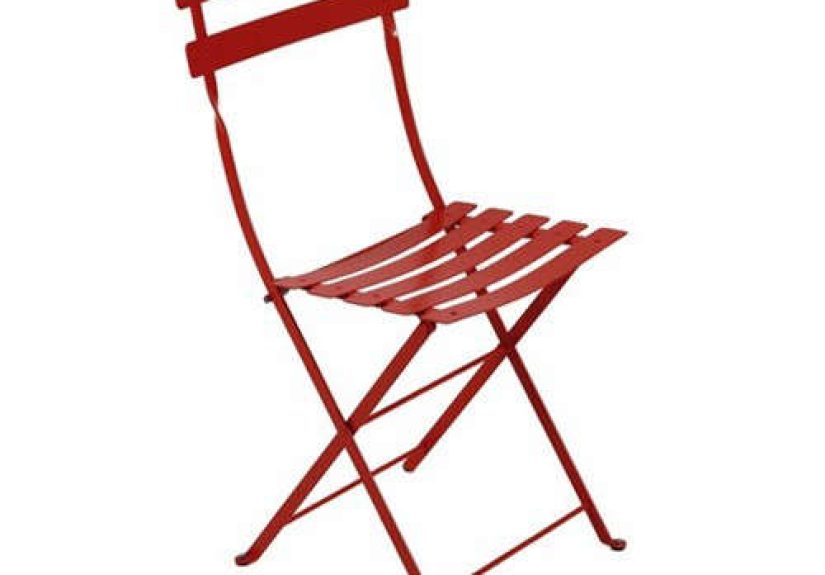
A bistro folding chair is a compact chair inspired by classic café seating, especially the small outdoor tables-and-chairs setups associated with European sidewalk dining. In today’s American home market, the term usually points to a slim-profile chair designed for casual dining or lounging in smaller spaces. The folding version adds a major practical perk: when you are done using it, it folds flat for storage.
That combination of style and convenience is what gives the bistro folding chair its staying power. It is decorative without being fussy, useful without looking utilitarian, and compact without feeling sad. That last one matters. Plenty of small-space furniture screams, “I gave up.” A good bistro folding chair says, “I planned this brilliantly.”
These chairs show up in a range of looks, from airy French café designs with woven seats to modern slatted wood styles, powder-coated metal silhouettes, and wicker-inspired versions that soften a patio without making it feel too beachy or too formal.
Why Bistro Folding Chairs Are So Popular
They are built for small spaces
This is the big one. A bistro folding chair is tailor-made for balconies, apartment patios, narrow decks, tiny breakfast corners, and every other spot where square footage behaves like a luxury good. Because the chair usually has a smaller footprint than a bulky dining chair or lounge chair, it fits where larger furniture would visually or physically overwhelm the room.
They are easy to store
Some furniture asks for commitment. Bistro folding chairs ask for a closet. Fold them after brunch, tuck them beside a cabinet, hang onto them as extra guest seating, or pull them out only when the weather behaves. They are ideal for households that need furniture to multitask as hard as the people living there.
They work indoors and outdoors
One of the best things about this style is how portable its personality is. Outdoors, it feels casual and café-like. Indoors, it can look collected, charming, and intentionally unfussy. A pair can flank a tiny dining table, act as backup seating for entertaining, or give a reading corner a more relaxed, flexible setup.
They look lighter than bulkier chairs
Visually, bistro folding chairs tend to keep rooms from feeling heavy. Open frames, slim arms, woven textures, and narrow profiles let light move around the space. That makes them especially useful in smaller homes, where oversized furniture can make everything feel one inhale away from claustrophobic.
Common Materials and What They Mean for Real Life
Powder-coated metal
Metal bistro folding chairs are popular for a reason. They often look crisp, classic, and easy to pair with almost any table style. Powder-coated finishes help protect against wear and weather, and the overall frame tends to feel sturdy without being too visually heavy. These chairs are a smart choice for people who want a clean silhouette and low-fuss upkeep.
The tradeoff is comfort. A slatted metal chair can be perfectly fine for coffee and a croissant, but after a long dinner it may start feeling like a noble experiment in posture awareness. A cushion can solve that quickly.
Wood, including teak and eucalyptus
Wood bistro folding chairs bring warmth that metal cannot fake. They feel a little more grounded, a little more natural, and often a little more upscale. Teak and eucalyptus are especially attractive for outdoor use because they bring durability and weather-friendly appeal, while the grain and finish create a softer, more inviting look.
Wood does ask for more attention than metal. If you want it to age gracefully instead of looking like it lost a duel with the weather, occasional cleaning and proper storage matter. Still, for many buyers, the warmer appearance is worth the extra care.
Resin wicker, PE rattan, and woven looks
If you love that French café vibe, woven bistro chairs are usually the stars of the show. Many current versions use outdoor-friendly woven materials over metal frames, giving you the character of rattan or cane with better durability for modern life. They add texture, pattern, and a slightly more relaxed attitude than plain metal or plain wood.
These are especially good for homeowners who want their patio to feel styled rather than merely furnished. A woven folding chair says, “Yes, I drink iced coffee out here,” even if you mostly use it to answer emails while squinting at a potted basil plant.
How to Choose the Right Bistro Folding Chair
Start with the space, not the chair
The most common mistake is falling for a chair before measuring the area. Bistro furniture is meant to save space, but “compact” is not a universal size. Measure your available width, depth, and clearance when the chair is both open and folded. Think about how people will move around it. A chair that technically fits but turns every meal into a sideways shuffle is not a good fit.
Think about how long you actually sit
If this chair is for quick morning coffee, a simpler frame may be totally fine. If it is going to host long lunches, laptop work, or evening conversations that somehow become “just one more glass of wine,” comfort matters much more. Look for a supportive back, a seat shape that does not feel overly narrow, and room for a cushion if needed.
Check the folding mechanism
A folding chair should feel easy to open and close, but not flimsy. You want smooth movement and a stable feel once opened. A chair that wobbles, sticks, or feels like it is negotiating with gravity is not bringing peace to your patio.
Match the material to your climate and habits
Be honest with yourself. If you live somewhere humid, rainy, or scorching, and you are not the type to baby furniture, pick a material that can handle a little neglect without a dramatic breakdown. If you love the look of wood and are willing to maintain it, great. If you want something closer to “wipe and move on,” metal or outdoor woven materials may be the better fit.
Consider the table it will live with
A bistro folding chair does not exist in a vacuum. It needs to work with your table height, shape, and overall style. A woven chair can soften a metal table. A black metal folding chair can sharpen up a casual outdoor setup. A teak chair can warm up a modern balcony. The best choice is not just the prettiest chair. It is the one that makes the whole setup feel intentional.
Where a Bistro Folding Chair Works Best
These chairs are famous for patios and balconies, but their usefulness goes much further. In a small apartment kitchen, they can create a casual dining nook without overwhelming the room. On a front porch, they make a tiny seating area feel welcoming and lived-in. In a backyard, they are perfect for pull-up seating when guests arrive. In a sunroom, they can lean charming and collected instead of bulky and suburban.
They also work beautifully as backup seating for entertaining. Unlike oversized dining chairs, they do not demand permanent floor space all year long. You can keep two or four folded away, then suddenly look like the most prepared host in the zip code when extra people show up.
Styling Tips That Make Them Look Better Instantly
Add one cushion, not five
A slim seat pad or tie-on cushion can improve comfort and soften the look without burying the chair’s design. Resist the urge to overstuff. A bistro chair should still look nimble.
Use a small table with visual breathing room
Round tables usually pair especially well with folding bistro chairs because they keep the setup easy to navigate. The goal is a light, balanced arrangement, not a furniture traffic jam.
Bring in texture around the chair
A potted herb, striped outdoor pillow, lantern, or outdoor rug can make the whole setup feel like a destination rather than just a chair near a wall. Bistro furniture shines when the surrounding styling supports its relaxed personality.
Do not ignore color
Black and white always look classic, but cheerful colors can be fantastic in this category. The best bistro setups often feel a little playful. Not clownish. Not carnival. Just playful enough to suggest that someone here understands joy.
Mistakes to Avoid Before You Buy
First, do not confuse “folding” with “temporary.” A good bistro folding chair should still feel solid and attractive enough to use regularly. Second, do not buy purely for looks if the chair will live outside full time in a challenging climate. Third, do not overlook seat height and back support. A gorgeous chair that is uncomfortable becomes decor with trust issues.
Another easy mistake is forgetting storage conditions. A folding chair saves space only if you actually have somewhere sensible to store it. Measure your storage area too. Finally, do not buy a whole set before testing whether the chair suits how you use your home. One stylish impulse purchase is exciting. Four uncomfortable ones are a group project in regret.
Living With a Bistro Folding Chair: of Real-World Experience
The funniest thing about buying a bistro folding chair is that people often treat it like a minor purchase, and then it quietly becomes one of the most used pieces of furniture they own. That was the pattern I kept seeing with this category: it starts as “a chair for the balcony” and ends up as the chair for everything.
In a small-space setting, the experience is almost immediately positive. The chair does not dominate the room. It does not bully the walkway. It does not force the rest of the furniture into a defensive formation. Instead, it slips into the space and makes it usable. That alone feels like a win, especially in apartments or narrow patio setups where every inch matters.
Morning use tends to be where the bistro folding chair really earns its keep. There is something about a compact chair and a small table that makes even an ordinary coffee feel more intentional. It creates a tiny ritual space. You sit down, breathe a little, stare at the weather, maybe check your phone, maybe pretend you are the sort of person who journals before 8 a.m. The chair does not judge.
Then there is the flexibility. A lot of furniture behaves like it was hired for one role and refuses all additional responsibilities. Bistro folding chairs are not like that. They move. They adapt. They work as patio seating one day, extra dining seating the next, and overflow guest seating on the weekend. That mobility is not just convenient; it changes how useful your home feels.
Of course, the experience depends heavily on quality. Better versions feel stable, open smoothly, and keep their good looks through repeated use. Cheaper ones sometimes reveal themselves quickly. The wobble shows up. The finish starts complaining. The seat feels too narrow after twenty minutes. It is the furniture equivalent of a charming first date that turns out to be deeply unreliable.
Comfort is another real-world dividing line. Metal slats can feel fine for short sits but noticeably less fine once lunch turns into an hour. Wood often feels warmer and more relaxed. Woven styles usually look the most inviting. Cushions help, but a chair should still be decent without elaborate rescue efforts. No one wants a seating arrangement that requires accessories the way a cake requires frosting.
Weather exposure also changes the experience. A chair that lives outdoors full time has a much tougher job than one used under a covered porch or brought inside during bad weather. People who store their folding chairs during storms or harsh off-seasons usually stay happier with them longer. That is not glamorous advice, but it is the sort that saves money and disappointment.
What stands out most, though, is the emotional effect. A good bistro folding chair makes a small area feel finished. It suggests pause. It invites use. It turns an ignored corner into a place where people actually sit. And that may be the strongest argument for the whole category: it is not just space-saving furniture. It is a simple, stylish way to make everyday living feel a little better.
Final Thoughts
A bistro folding chair is one of those rare home pieces that manages to be practical, attractive, and surprisingly versatile at the same time. It works in tiny spaces, adapts to changing needs, and brings a little charm without demanding too much square footage or maintenance drama. For patios, balconies, breakfast nooks, and flexible guest seating, it is hard to beat.
The right one comes down to your space, your style, and your tolerance for upkeep. Choose a sturdy material, think honestly about comfort, and make sure the scale fits your home. Do that, and your bistro folding chair will not just sit there looking pretty. It will quietly become one of the smartest purchases in your house.