Table of Contents >> Show >> Hide
- What Is Bitter Melon (and Why Is It Everywhere)?
- Diabetes 101: The Numbers Bitter Melon Fans Care About
- Potential Benefits: What the Science Suggests (and What It Doesn’t)
- Side Effects and Safety Concerns
- 1) Hypoglycemia (low blood sugar), especially with diabetes medications
- 2) GI upset: the most common “price of bitterness”
- 3) Pregnancy and breastfeeding: avoid bitter melon supplements
- 4) Kids and bitter melon: extra caution
- 5) G6PD deficiency and seeds: a niche but important warning
- 6) Drug interactions beyond diabetes meds
- 7) Product variability and contamination risk (the supplement problem)
- Food vs. Supplement: Same Plant, Different Risk Profile
- If You Want to Try Bitter Melon, Do It Smart (Not Extreme)
- FAQ: Quick Answers Without the Hype
- Conclusion
- Real-World Experiences With Bitter Melon and Diabetes (What People Commonly Report)
Bitter melon (a.k.a. bitter gourd) is the vegetable that tastes like it’s holding a grudge. It shows up in stir-fries,
soups, juices, teas, andthanks to the internetin a lot of “blood sugar hack” posts. If you have diabetes (or
prediabetes), it’s tempting to wonder: Can something this bitter be… sweet for blood sugar?
Here’s the honest answer: bitter melon has some promising biology and a long history in traditional food and herbal
use, but the human evidence is mixed, supplement products vary wildly, and side effects (especially low blood sugar)
are real. This article breaks down what bitter melon may do, what it definitely can do (spoiler: upset your stomach),
and how to think about it safelywithout turning your glucose meter into a thriller novel.
What Is Bitter Melon (and Why Is It Everywhere)?
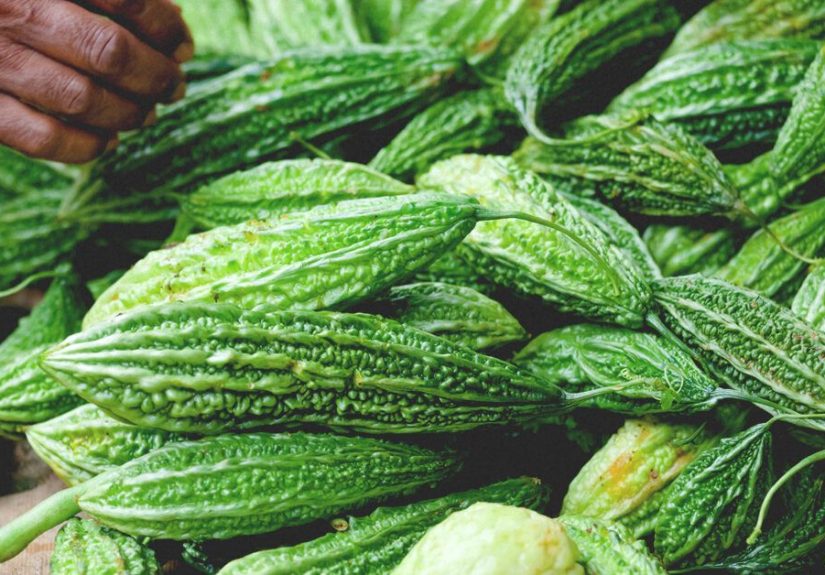
Bitter melon comes from the plant Momordica charantia, a member of the gourd family. It’s common in Asian,
Caribbean, and other tropical cuisines, where it’s treated like a normal vegetable (because it is). The fruit is
typically green and bumpy, and it becomes more orange as it ripens. People eat it cooked, stuffed, sautéed, or
simmered; some also drink it as juice or tea.
Nutrition-wise, bitter melon is low in sugar and can be a source of fiber and micronutrients like vitamin Cthings
that generally play nicely with a diabetes-friendly eating pattern. But the real reason it gets attention is its
collection of bioactive compounds (including compounds often discussed in the research, such as charantin and
polypeptide-P) that may influence glucose metabolism.
Diabetes 101: The Numbers Bitter Melon Fans Care About
When people talk about “controlling diabetes,” they’re usually talking about controlling blood glucose. Daily finger
sticks or CGMs show what’s happening in real time, while the A1C blood test reflects an average over roughly the past
2–3 months. In the U.S., A1C is widely used to diagnose prediabetes and diabetes and to track how well a plan is
working over time.
That’s why most bitter melon studies focus on outcomes like fasting blood glucose and A1C. If something truly helps,
we’d expect to see meaningful improvements therenot just a “feel-good” effect after drinking a very intense green
juice.
Potential Benefits: What the Science Suggests (and What It Doesn’t)
1) It may modestly lower blood glucose in some people
Several clinical trials and reviews suggest bitter melon might reduce blood glucose markers, but results are
inconsistent. Some studies show small improvements; others show no meaningful difference compared with placebo or
standard medications. A key theme in modern reviews is that study quality varies, sample sizes are often small, and
bitter melon “products” are not standardized (juice vs. capsules vs. extracts vs. cooked vegetable), making results
harder to compare.
One reason the findings are messy: “bitter melon” isn’t one consistent intervention. A home-pressed juice is not the
same as a capsule, and neither is the same as eating it cooked with dinner.
2) It may influence insulin-like activity and glucose handling
Bitter melon contains compounds that researchers think could help with glucose regulation. For example, some sources
describe an “insulin-like” compound (often referenced as polypeptide-P) and other plant chemicals that may affect
glucose uptake or insulin signaling. Mechanistic research (including animal and lab studies) supports plausible
pathwayslike improved insulin sensitivity or changes in liver enzymes involved in glucose productionbut plausible
isn’t the same as proven in large, well-designed human trials.
3) It may help some cardiometabolic markers beyond glucose
A few analyses suggest bitter melon could modestly improve lipid markers (like total cholesterol) in certain groups.
This matters because type 2 diabetes often travels with other risk factorscholesterol and blood pressure included.
But again, the magnitude and consistency of these effects are still uncertain, and they’re not a substitute for
proven therapies.
4) It’s a low-sugar, high-fiber food (when you eat it as food)
The least controversial “benefit” is also the least flashy: bitter melon can fit into a balanced eating pattern. It’s
not candy (unless your candy is punishment), and fiber can slow digestion and reduce post-meal glucose spikes.
That doesn’t make bitter melon a diabetes treatmentit makes it a reasonable vegetable choice for many people.
Side Effects and Safety Concerns
Here’s where the conversation needs to get serious: bitter melon can lower blood sugar, and low blood sugar
(hypoglycemia) can be dangerousespecially if you’re taking insulin or medications that increase insulin release.
1) Hypoglycemia (low blood sugar), especially with diabetes medications
The biggest concern is additive glucose-lowering. If bitter melon lowers glucose and your medication lowers glucose,
the combo can overshoot. Symptoms can include shakiness, sweating, fast heartbeat, dizziness, confusion, or feeling
suddenly “off.” If you use insulin or a sulfonylurea-type medication, this risk deserves extra respect.
2) GI upset: the most common “price of bitterness”
Stomach-related side effects show up repeatedly: abdominal discomfort, cramps, diarrhea, nausea, and general digestive
regret. Many people tolerate culinary amounts fine, but concentrated juice/extract is more likely to cause problems
especially in large amounts.
3) Pregnancy and breastfeeding: avoid bitter melon supplements
Multiple medical references advise avoiding bitter melon supplementation in pregnancy due to concerns from animal
data and traditional use as an abortifacient. If you’re pregnant, trying to become pregnant, or breastfeeding, treat
this as a “nope” unless your clinician explicitly says otherwise.
4) Kids and bitter melon: extra caution
Case reports and reviews have described serious hypoglycemia events in children given bitter melon preparations. Kids
are not “small adults,” and experimenting with glucose-lowering botanicals is not a do-it-yourself project.
5) G6PD deficiency and seeds: a niche but important warning
Some sources warn that bitter melon seeds contain compounds (often discussed as vicine-like) that may trigger a
“favism-like” hemolytic reaction in people with G6PD deficiency. Translation: if you have G6PD deficiency, bitter
melon seed products are a risky idea, and you should discuss this with a healthcare professional.
6) Drug interactions beyond diabetes meds
A few references note potential interactions through pathways like P-glycoprotein (P-gp), which can influence blood
levels of certain medications. The clinical importance isn’t always clear, but the safest move is simple: if you take
prescription medsespecially those with narrow safety marginsask your pharmacist or clinician before adding bitter
melon supplements.
7) Product variability and contamination risk (the supplement problem)
Dietary supplements in the U.S. are regulated differently than drugs. They are not “FDA approved” for effectiveness
before they hit shelves, and products may differ from what was used in research. Translation: two bottles labeled
“bitter melon” can behave like two totally different items.
Food vs. Supplement: Same Plant, Different Risk Profile
If you want to explore bitter melon, your first decision is form:
- As food: Typically lower risk, easier to dose by portion, and comes with the usual benefits of eating vegetables (fiber, nutrients, volume).
- As juice/tea: More concentrated, more variable, and easier to overdoespecially if you’re “chugging for wellness.”
- As supplements/extracts: Most variable and the easiest path to accidental “too much,” interactions, and inconsistent results.
Even with food, if you’re on glucose-lowering meds, you still want to monitor your numbers when trying itespecially
if you’re changing your routine.
If You Want to Try Bitter Melon, Do It Smart (Not Extreme)
Step 1: Don’t replace your treatment plan
Bitter melon is not a replacement for insulin, metformin, or any prescribed diabetes plan. Think of it as a potential
food add-on or a carefully supervised supplement experimentnot a swap.
Step 2: Start with culinary amounts
If you’re curious, try it as part of a meal a couple of times a week before you even think about concentrated forms.
Cooking tips that help the flavor:
- Slice and salt it briefly, then rinse to reduce bitterness.
- Pair with bold flavors: garlic, ginger, chili, fermented sauces, or tomato.
- Stuff and bake with lean protein and veggies for a balanced plate.
Step 3: If you use meds that can cause lows, monitor closely
If you’re on insulin or sulfonylureas, check your glucose more frequently when trying bitter melon, especially during
the first week. If you notice more frequent lows (or near-lows), stop and talk to your clinician. Adjusting
medication should only be done with medical guidance.
Step 4: Be picky if you choose a supplement
If you and your clinician decide a supplement trial is reasonable, look for higher-quality manufacturing standards
and third-party testing when possible. Avoid mega-doses and avoid seed-based products if you have G6PD deficiency or
don’t know your status.
Step 5: Know who should skip it
- Pregnant or breastfeeding people
- Children
- Anyone with frequent hypoglycemia
- People with G6PD deficiency (especially seed products)
- People on complex medication regimens unless cleared by a clinician/pharmacist
FAQ: Quick Answers Without the Hype
Does bitter melon cure diabetes?
No. Diabetes is a complex metabolic condition. Bitter melon may help some glucose markers for some people, but it’s
not a cure and not a proven standalone treatment.
How much bitter melon should I take?
There’s no universally established dose. Some references describe ranges used in studies (like specific amounts of
juice or dried fruit), but the clinical evidence isn’t strong enough to treat those as a “standard.” Food portions
are the safest starting point.
Is juice better than cooking it?
Not necessarily. Juice can be more concentrated and more likely to cause side effects. Cooking may be gentler (and
more pleasant for your stomach and your taste buds).
Can I take it with metformin?
“Can” isn’t the same as “should.” Some people do, but additive effects are possible. If you want to combine bitter
melon with any glucose-lowering medication, discuss it with your clinician and monitor your glucose carefully.
What about prediabetes?
Prediabetes responds very well to lifestyle changes (nutrition, activity, sleep, weight management when appropriate).
Bitter melon may have modest effects, but it should be a side notenot the headline.
Conclusion
Bitter melon is fascinating: a legit vegetable with bioactive compounds that may influence blood sugar. But the human
evidence is mixed, supplement forms are inconsistent, and side effectsespecially hypoglycemia when combined with
diabetes medicationsare a real concern.
If you love it as a food, enjoy it in balanced meals. If you’re considering supplements, treat it like any other
glucose-altering intervention: talk to your clinician, start low, monitor carefully, and don’t replace proven care.
The goal isn’t to “hack” diabetesit’s to manage it safely, consistently, and in a way you can actually live with.
Preferably without suffering through a half-liter of homemade extract. (Yes, that’s a thing. No, it’s not a flex.)
Real-World Experiences With Bitter Melon and Diabetes (What People Commonly Report)
When you move from studies to everyday life, bitter melon experiences tend to fall into a few familiar categories.
These aren’t medical claimsthink of them as patterns people often describe when they try bitter melon as a food or
supplement while managing blood sugar.
The “Food First” Crowd: Slow, Steady, and Mostly Fine
Many people who do best with bitter melon treat it like… a vegetable. They add it to a stir-fry with protein and
non-starchy veggies, or they use it in soups where the bitterness gets diluted. In these cases, the biggest “side
effect” is usually taste-related: the first bite can feel like your tongue just got an email titled “We Need to Talk.”
But after a few tries (and the right cooking techniques), plenty of people say it becomes tolerableor even enjoyable.
From a blood sugar perspective, these folks often describe modest benefits that are hard to separate from the rest of
their routine: eating more fiber, fewer refined carbs, and more home-cooked meals. In other words, bitter melon may be
part of a bigger pattern that supports better numbers. When it’s just one ingredient in a balanced meal, it’s less
likely to cause dramatic glucose swingsgood or bad.
The “Juice Experiment” Crowd: Faster Feedback, More Drama
People who jump straight to juice often do it because they want a quick effect. They’ll drink bitter melon juice in
the morning, sometimes on an empty stomach, and then watch their glucose closely. Some report a noticeable drop in
readingsespecially if they’re also tightening up their diet that week. Others report… nothing. And a decent number
report digestive backlash: cramping, loose stools, nausea, or that unmistakable sensation of “I have made choices.”
The biggest real-world issue with juice is inconsistency. Homemade juice can vary in strength day to day, and people
may accidentally take much more than they intended. If someone is on insulin or a medication that can cause lows,
they may notice more frequent dipssometimes at unexpected times. In that situation, experienced clinicians usually
want the person to stop the experiment and discuss next steps rather than trying to “push through.”
The Supplement Crowd: Convenience Meets Uncertainty
Supplements appeal to busy people: no cooking, no bitterness, just a capsule and a hopeful vibe. The most common
experience here is uncertainty. Some people feel like their fasting glucose improves a little; others see no change.
A common frustration is not knowing what’s actually in the bottle compared with what a study used. That uncertainty
can lead to “dose creep,” where someone slowly increases the amount chasing a resultoften right into side effects.
People also report that supplements can complicate their routines. If you’re already tracking carbs, timing meds, and
trying to move your body, adding another glucose-lowering variable can make patterns harder to interpret. That’s why
many diabetes educators recommend changing one thing at a timeand using your glucose data to guide decisions with
your healthcare team.
The Most Useful Takeaway People Share
Across the board, the most practical “wisdom” tends to be boring (which is usually a good sign in health decisions):
start with food, start small, monitor your glucose if you’re on meds, and don’t replace proven care. Bitter melon can
be part of a healthy patternbut it shouldn’t be the entire plan. Diabetes management works best when it’s
sustainable… and when your strategy doesn’t taste like punishment.