Table of Contents >> Show >> Hide
- What is black cumin seed, exactly?
- Why cholesterol matters more than people think
- What the research says about black cumin seed and cholesterol
- What does “slow down fat cells” actually mean?
- Human evidence on body fat and weight: promising, but not magical
- Why black cumin seed may work in the first place
- How people typically use it
- Who should be careful
- What black cumin seed can and cannot realistically do
- Experiences people often report with black cumin seed
- Final thoughts
Some health trends arrive wearing a lab coat. Others show up dressed like your spice rack. Black cumin seed belongs to the second group. Also known as Nigella sativa, black seed, or black cumin, this tiny seed has been used in traditional food and herbal practices for centuries. Now it is getting fresh attention for a much more modern reason: researchers are asking whether it may help improve cholesterol levels and put the brakes on how aggressively fat cells form and store fat.
That sounds impressive, and it is. But it is also where things get a little slippery. The phrase “may help” is doing a lot of honest work here. The evidence for black cumin seed and cholesterol is fairly promising, especially in small human studies and reviews of clinical trials. The evidence for “slowing down fat cells” is more complicated. Much of it comes from lab studies on fat cells and animal models, where black cumin seed extracts and its star compound, thymoquinone, appear to influence the biological pathways involved in fat formation. That is exciting science, but it is not the same thing as proving that a spoonful of black seed oil will outsmart your jeans.
So let’s talk about what black cumin seed can realistically do, what it probably cannot do, and why this ancient seed keeps popping up in conversations about metabolic health.
What is black cumin seed, exactly?
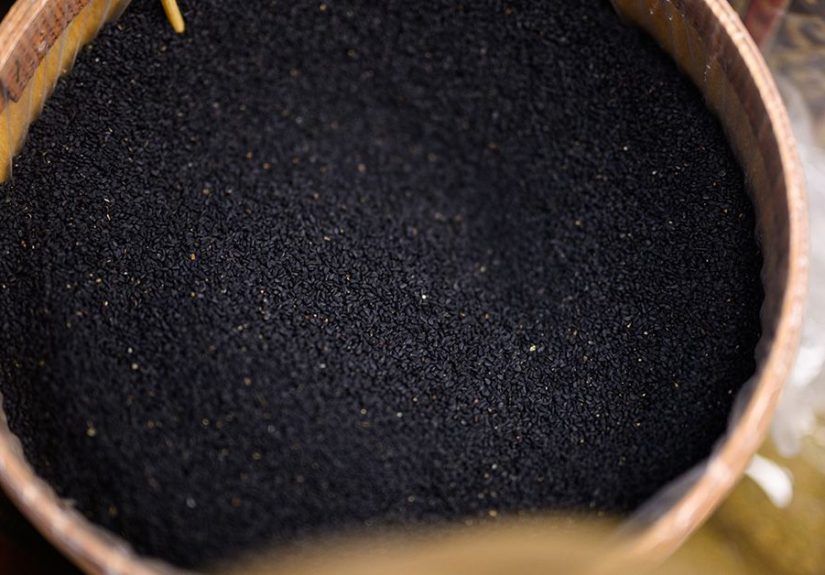
First, a quick identity check. Black cumin seed here means Nigella sativa, not the regular cumin used in taco seasoning and not every dark seed sold under the sun at a natural foods store. The seeds are small, black, slightly bitter, and aromatic, with a flavor that lands somewhere between onion, oregano, pepper, and “wait, why is this kind of good?”
From a nutrition and phytochemical perspective, black cumin seed is more than just a dramatic garnish. It contains fats, fiber, plant sterols, phenolic compounds, and several bioactive substances. The compound that gets the most attention is thymoquinone, which researchers think may explain many of the seed’s antioxidant and anti-inflammatory effects. In simpler terms, thymoquinone is the celebrity molecule in the group photo.
Why cholesterol matters more than people think
Cholesterol is one of those words people throw around as if it were a villain in a cape. In reality, your body needs cholesterol. The issue is balance. When LDL, often nicknamed “bad” cholesterol, runs high, it can contribute to plaque buildup in arteries. HDL, the so-called “good” cholesterol, helps move cholesterol out of the bloodstream and back to the liver. Triglycerides, another blood fat, matter too. When triglycerides are elevated alongside high LDL or low HDL, the risk picture gets uglier.
That is why researchers care about foods and supplements that might nudge this whole panel in a healthier direction. Even modest improvements can matter when they sit on top of better eating, exercise, sleep, and appropriate medical care. Metabolic health is not usually changed by one heroic ingredient. It is more like a band, and cholesterol is only one instrument. Black cumin seed may be one of the backup singers, not the lead vocalist.
What the research says about black cumin seed and cholesterol
The most encouraging evidence for black cumin seed is in lipid health. Across multiple clinical trials and review papers, Nigella sativa has been linked with improvements in total cholesterol, LDL cholesterol, and triglycerides. That does not mean every study found a dramatic effect, because nutrition research loves to keep everyone humble. Still, the overall pattern is promising enough to deserve attention.
In adults with conditions such as type 2 diabetes, metabolic syndrome, hypertension, obesity, and nonalcoholic fatty liver disease, black cumin seed oil or seed powder has been associated in some studies with lower total cholesterol and LDL, and sometimes lower triglycerides as well. A few trials have also reported an increase in HDL. That said, HDL results are less consistent than the other cholesterol markers. If black cumin seed were applying for a job, its strongest references would be for LDL and triglycerides, not HDL.
Another interesting point is that black cumin seed appears to work in people who already have some degree of metabolic stress. In other words, this is not mostly a story about perfectly healthy people taking a trendy supplement for fun. Many of the more meaningful results show up in people who have elevated cardiometabolic risk to begin with.
Why might it help? Several mechanisms have been proposed. Black cumin seed contains unsaturated fatty acids, plant sterols, and antioxidant compounds that may influence how the body handles fats. Thymoquinone may help reduce oxidative stress and inflammation, both of which are involved in cardiovascular risk. Some studies also suggest that black cumin seed may improve insulin sensitivity, and that matters because lipid problems and blood sugar problems often travel together like annoying roommates.
Still, this is not a substitute for statins, prescription triglyceride-lowering therapy, or a clinician’s advice. If your LDL is high enough to require treatment, black cumin seed should be viewed as a possible supporting player, not a free pass to ghost your healthcare plan.
What does “slow down fat cells” actually mean?
This phrase sounds flashy, but in research language it usually points to anti-adipogenic activity. Adipogenesis is the process by which precursor cells mature into fat cells and begin storing lipids. Scientists study this process because obesity is not only about how much fat the body stores, but also about how fat tissue behaves, expands, becomes inflamed, and affects the rest of metabolism.
In cell and animal research, black cumin seed and thymoquinone have shown effects on several pathways involved in adipocyte differentiation, fat accumulation, inflammation, and lipid metabolism. That includes changes in signaling molecules and transcription factors with wonderfully romantic names like PPAR-gamma, C/EBP-alpha, SREBP-1c, FAS, and LPL. These are key regulators of fat-cell development and fat synthesis.
When researchers say black cumin seed may “slow down fat cells,” they are usually referring to findings like these:
- Reduced lipid accumulation in developing fat cells in lab studies
- Lower expression of genes involved in adipocyte differentiation
- Reduced fat mass accumulation or adipocyte hypertrophy in animal models
- Possible improvements in inflammation and oxidative stress that make fat tissue less metabolically chaotic
That is scientifically meaningful. It suggests black cumin seed may influence the biology of weight gain and fat storage. But here comes the reality check wearing sensible shoes: cell studies are not human outcomes. A supplement can look brilliant in a petri dish and still end up being only mildly helpful in real life. Human bodies have hormones, habits, social schedules, stress, late-night snacks, and group chats. Cells in a dish do not.
Human evidence on body fat and weight: promising, but not magical
Human trials on black cumin seed and body composition are encouraging, though not jaw-dropping. Some studies have found reductions in body weight, waist circumference, triglycerides, body fat mass, or inflammatory markers, especially when black cumin seed oil is paired with a calorie-controlled diet. In people with prediabetes or obesity, black cumin seed has also shown potential to improve blood sugar control and inflammatory markers alongside modest improvements in weight-related measures.
That matters because weight management is not just about the number on a scale. A supplement that slightly improves lipids, inflammation, insulin response, and waist circumference may still be useful, even if it does not produce dramatic fat loss on its own.
But the phrase modest improvements is the key. Black cumin seed is not an overnight body recomposition hack. It is more like a steady, quiet nudge than a fireworks display. If someone expects black seed oil to perform like a fat burner with a Hollywood trailer, disappointment is almost guaranteed.
Why black cumin seed may work in the first place
1. It may reduce oxidative stress
Oxidative stress sounds technical, but you can think of it as cellular wear and tear. Excess oxidative stress is linked to inflammation, insulin resistance, and cardiovascular disease. Black cumin seed’s antioxidant compounds may help reduce some of that metabolic friction.
2. It may calm inflammation
Chronic low-grade inflammation is deeply tied to obesity, fatty liver, insulin resistance, and heart risk. Black cumin seed has been associated in some studies with lower inflammatory markers such as CRP, TNF-alpha, and IL-6. Less inflammatory noise may improve the environment in which metabolism functions.
3. It may affect fat metabolism
Research suggests black cumin seed may influence the genes and enzymes involved in fat storage and breakdown. That is where the anti-adipogenic conversation comes from. Again, this is strongest in lab and animal data, but it gives scientists a plausible explanation for the modest body-composition improvements seen in some human trials.
4. It may support better blood sugar control
Blood sugar and cholesterol are not strangers. When insulin resistance improves, lipid handling can improve too. Black cumin seed has shown possible benefits for fasting glucose, HbA1c, and insulin-related markers in some populations, which may partly explain why cholesterol results sometimes improve alongside glucose markers.
How people typically use it
Black cumin seed can show up in three common forms: whole seeds, seed powder, and black seed oil. Some people use it in cooking, where it adds flavor to breads, rice dishes, vegetables, yogurt sauces, and roasted foods. Others take capsules or liquid oil as a supplement.
Clinical studies have used different forms and different doses, which is one reason there is no universally agreed-upon best dose. Research has used amounts ranging roughly from about 1 gram to 3 grams a day of seeds or seed oil equivalents over periods like 8 to 12 weeks, with some longer studies as well. Translation: there is no one magical dose handed down from the wellness heavens.
Food use is one thing. Supplement use is another. And supplements should be approached like actual bioactive products, because that is what they are. “Natural” does not mean “do whatever you want.” Poison ivy is natural too, and nobody is tossing that into smoothies.
Who should be careful
Black cumin seed is generally considered well tolerated in the doses used short term, but it is not risk-free. Some people report mild digestive side effects such as nausea, bloating, cramping, indigestion, or constipation. Skin irritation can also happen with topical use.
It may also interact with medications or supplements that affect blood sugar, blood pressure, blood clotting, sedation, or immune function. People who are pregnant or breastfeeding should be cautious with supplement-level doses, and those with bleeding disorders or upcoming surgery should avoid winging it with black seed products. This is especially important for anyone already taking prescription medication for diabetes, hypertension, cholesterol, clotting, or immune-related conditions.
Also worth remembering: in the United States, dietary supplements are not evaluated like prescription drugs for treating disease. That means quality can vary, claims can get overexcited, and labels are not always the thrilling bastion of truth the marketing department suggests they are. If you want to use black cumin seed as a supplement, choose a product with third-party testing whenever possible and involve a healthcare professional if you have a medical condition.
What black cumin seed can and cannot realistically do
What it may do
- Support modest improvements in total cholesterol, LDL, and triglycerides
- Possibly improve inflammatory and oxidative stress markers
- Contribute to better metabolic health when paired with diet and lifestyle changes
- Show early anti-adipogenic effects in lab and animal research
What it probably cannot do alone
- Replace statins or prescribed treatment for high cholesterol
- Melt body fat on command
- Override a consistently poor diet and sedentary lifestyle
- Guarantee dramatic weight loss or a huge HDL boost
That may sound less exciting than the usual supplement hype, but it is actually better news. A realistic tool is more valuable than an exaggerated one. Black cumin seed does not need to be magic to be useful.
Experiences people often report with black cumin seed
The lived experience of trying black cumin seed is usually much less dramatic than the headlines. Most people do not wake up on day three feeling as if their arteries have been polished and their fat cells have filed a formal resignation. What they describe instead is something much more ordinary and, honestly, more believable.
For people using the seeds in food, the first “experience” is usually flavor. Black cumin seed has a punchy, savory bitterness that works well in baked breads, grain dishes, roasted vegetables, and yogurt-based sauces. It feels less like a medicine and more like a pantry upgrade. That matters, because one of the easiest ways to stick with a health-supportive ingredient is to actually enjoy eating it.
For supplement users, the experience is often practical rather than cinematic. Some notice a peppery aftertaste from the oil. Some feel fine. Some get mild stomach complaints such as bloating, cramping, nausea, or indigestion, especially if they take it on an empty stomach or choose a product that is too concentrated for their comfort. In that way, black cumin seed behaves like many potent plant supplements: useful for some people, mildly annoying for others, and definitely not something to take recklessly just because the bottle says “wellness.”
Another common experience is that the benefits, when they happen, are invisible at first. People do not usually “feel” their LDL dropping. They see it later on a lab report. That can be both encouraging and frustrating. Encouraging, because numbers may improve over several weeks or months. Frustrating, because the change is not immediate enough to satisfy modern attention spans that have been trained by same-day shipping and 15-second videos.
People also tend to report that black cumin seed works best when it becomes part of a broader routine rather than a solo act. In real life, the more positive experiences usually happen in the same season as improved food choices, a more structured eating pattern, better sleep, walking more, and paying attention to waist circumference or blood sugar. In other words, black cumin seed may help the team, but it is rarely the whole team.
Some users describe a subtle appetite-calming effect or a general sense that they feel less puffy when they are using it consistently. Others notice no obvious change in appetite or body weight at all, but still appreciate improvements in triglycerides, fasting glucose, or inflammatory markers. That difference is important. A supplement does not have to create a dramatic subjective feeling to have a measurable metabolic effect.
There is also the emotional side of the experience. Many people like the idea of using a traditional seed with modern research behind it. It feels empowering to add something food-based and evidence-aware to a daily routine. But there can also be disappointment when expectations are unrealistic. Someone hoping for dramatic fat loss from black seed oil alone may conclude it “does not work,” when the more honest answer is that it may work modestly in the right context.
The healthiest experience with black cumin seed is usually the least glamorous one: using a sensible dose, choosing a quality product, tracking lab values instead of vibes, and treating it as one small lever in a bigger metabolic strategy. That is not the kind of story that goes viral. It is, however, the kind that tends to hold up.
Final thoughts
Black cumin seed deserves attention, but not exaggeration. The current evidence suggests it may help improve cholesterol markers, especially total cholesterol, LDL, and triglycerides, in some people. It also shows intriguing anti-adipogenic effects in lab and animal research, which helps explain why scientists are interested in its role in obesity and metabolic health. But the human evidence for directly “slowing fat cells” in a dramatic way is still developing.
The smartest way to think about black cumin seed is as a promising adjunct. It may support heart and metabolic health. It may add a helpful nudge to a good routine. It may even earn a permanent spot in your pantry or supplement shelf. But it should not replace proven medical care, especially for high cholesterol, diabetes, fatty liver disease, or obesity-related complications.
In short, black cumin seed is not a miracle. It is something better: a small, fascinating, evidence-backed plant ingredient with enough potential to be useful and enough limitations to keep everyone honest.