Table of Contents >> Show >> Hide
- What Is Board and Batten, Exactly?
- Step 1: Plan Your Board and Batten Wall
- Step 2: Understand Typical Board and Batten Spacing
- Step 3: Do the Math for Perfect Batten Spacing
- Step 4: Working Around Doors, Windows, and Corners
- Step 5: Mark, Install, and Adjust on the Wall
- Step 6: Caulk, Fill, and Paint
- Quick Spacing Guidelines You Can Steal
- Common Mistakes to Avoid
- Styling Your New Board and Batten Wall
- Real-Life Lessons From DIY Board and Batten Projects
- Conclusion
Board and batten walls are one of those DIY projects that look like they require a secret contractor handshake…
but really, the “magic” is just good spacing and a decent level. Once you understand how to lay out the boards,
you can turn a flat, boring wall into a custom feature that looks straight out of a design magazine.
In this board and batten spacing tutorial inspired by the Remodelaholic approach, we’ll walk through how to plan,
calculate, and install board and batten so the spacing looks intentionalnot “kind of random, but we were tired so
we stopped there.” You’ll learn how far apart to place battens, how to do the math for your specific wall, and how
to work around doors, windows, and corners without ending up with awkward skinny strips.
What Is Board and Batten, Exactly?
Traditionally, board and batten was an exterior siding style: wide boards were installed vertically, and narrow
battens were nailed over the seams to keep out wind and rain. Today, the same concept is used inside for wall
treatments, wainscoting, and accent walls. You still have “boards” (or sometimes just the existing drywall acting
as the board) and “battens” (narrow vertical trim pieces that create rhythm and texture on the wall).
On interiors, board and batten usually uses simple, off-the-shelf materialsthink 1×3, 1×4, or 1×2 trim in MDF or
pineinstalled in a repeat pattern across the wall. The pattern is what makes it look professional, which is why
spacing matters so much.
Step 1: Plan Your Board and Batten Wall
Decide on the Style and Height
Before you grab the nail gun, decide what kind of board and batten wall you’re doing:
- Half wall / wainscoting: Usually 36–48 inches high, topped with a ledge or cap.
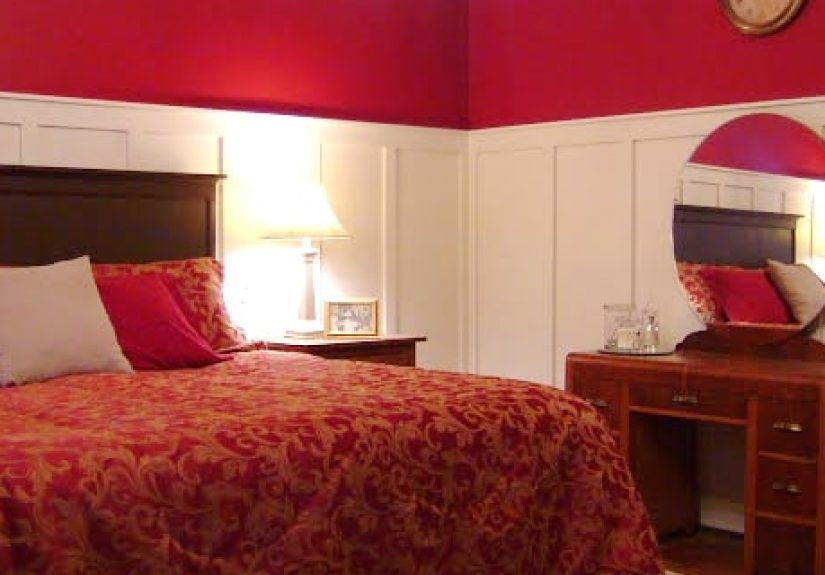
- Three-quarter wall: Around 60–72 inches high, great for bedrooms and dining rooms.
- Full-height wall or grid: Floor-to-ceiling treatment, often used on one main accent wall.
The height you choose will help determine the proportions. For example, a short wainscoting wall generally looks
better with closer batten spacing (10–14 inches apart), while a full-height feature wall can handle wider spacing
(18–24+ inches) without looking busy.
Measure Your Wall (Yes, Every Bit of It)
Grab a tape measure and write down:
- Total wall width in inches.
- Height of your planned treatment (for cutting battens later).
- Locations and widths of doors, windows, vents, and outlets on that wall.
Sketch a quick drawing of the wall, even if it looks like something a kindergartener would bring home. That sketch
becomes your map for where the battens will line up and where you might need to adjust spacing.
Choose Materials and Batten Width
For most interior board and batten projects, DIYers and pros alike use:
- Battens: 1×3 or 1×4 MDF or pine (actual widths about 2.5″ or 3.5″).
- Top rail / cap: A 1×4 or 1×3 plus a small ledge piece if you want a shelf look.
- Bottom alignment: Existing baseboard, or a new, taller baseboard to match the style.
MDF is smooth and paints beautifully, making it a popular choice for interior walls in dry spaces, while wood is a
safer bet for bathrooms or humid areas.
Step 2: Understand Typical Board and Batten Spacing
Here’s the quick cheat sheet based on what designers, remodelers, and popular DIY blogs use:
- Common spacing range: 10–12 inches between battens is classic and traditional.
- Flexible range: Many DIYers use 12–20 inches depending on wall size and batten width.
- Large accent walls: Some full-height walls go up to 24–26 inches between battens for a cleaner, less busy look.
The Remodelaholic method focuses less on hitting one “magic number” and more on creating even spacing that looks
balanced across the entire walleven when you have windows, doors, and corners to deal with.
Think of it this way: you’re not trying to impress a building inspector; you’re trying to impress your future self
who has to look at that wall every day.
Step 3: Do the Math for Perfect Batten Spacing
Don’t panicthis is just middle-school math with prettier results. There are two common approaches: start with the
number of battens you want, or start with a target spacing you like.
Method 1: Start With the Number of Battens
- Measure your wall width in inches.
- Choose a batten width (for example, 2.5″ actual width for a 1×3).
- Decide roughly how many battens you want across the wall (say 6 or 7).
Now use this formula, adapted from popular DIY tutorials and Remodelaholic:
Step A: Multiply the number of battens by the batten width to get total batten coverage.
Step B: Subtract that from the wall width to get the total space left over.
Step C: Divide that leftover space by the number of gaps (usually one fewer than the number of battens if you’re not placing a batten in each corner, or one more if you want space at both corners).
Example: Your wall is 144″ wide. You want 7 battens, each 2.5″ wide.
- Total width of battens: 7 × 2.5″ = 17.5″
- 144″ – 17.5″ = 126.5″ of open space
- Gaps: If you want gaps between each batten plus small spaces at both ends, you’ll have 8 spaces.
- 126.5″ ÷ 8 ≈ 15.8″
So you’d mark out about 15 3/4″ to 16″ between battens. As long as the spaces are consistent, your eye will read it
as “perfect.”
Method 2: Start With a Target Spacing
Another option is to start with a spacing you likesay 14″ or 16″and let that determine how many battens you’ll
end up with.
- Pick a target spacing, like 14″.
- Add batten width to that spacing (14″ + 2.5″ = 16.5″).
- Divide wall width by that total (144″ ÷ 16.5 ≈ 8.7).
Round up or down to a whole number of battens (maybe 8 or 9), then plug that number back into Method 1 for the
exact final spacing.
If math makes you want to install shiplap instead, there are online board-and-batten layout calculators that do the
heavy lifting for youyou just enter wall width, batten width, and a target spacing, and the tool spits out final
measurements.
Step 4: Working Around Doors, Windows, and Corners
Real walls are rarely big, perfect rectangles. Remodeling tutorials from Remodelaholic and other DIY bloggers all
agree on one thing: plan the tricky spots first.
Corners
In many layouts, you’ll treat the corners as either:
- A batten sitting right in the corner (so the batten itself is your “end”), or
- A small gap at the corner with the first batten starting a few inches in.
The goal is to avoid a weird, skinny strip at one end. If your math gives you a 4″ gap on one side and a 2″ gap on
the other, fudge the spacing slightly across all the battens to even things out. No one will know the difference,
but they’ll notice if one side looks crammed.
Doors and Openings
Around doorways or cased openings, it usually looks best to:
- Center a batten on the casing edge, or
- Keep a consistent gap between the casing and the nearest batten.
Test a few options on your sketch first. If one layout creates a skinny 3″ panel next to the door, shift your
spacing slightly so the panels feel more balanced.
Windows and Obstacles
For windows, vents, and outlets, you have two basic choices:
- Align battens with window edges or center them under each window section.
- Let battens “pass behind” the window visually by keeping the spacing consistent above and below.
Many DIYers prefer to line battens up with window trim or mullions when possibleit creates satisfying vertical
alignment that looks intentional in photos (and in real life).
Step 5: Mark, Install, and Adjust on the Wall
Once you’ve got your measurements worked out, it’s time to move from paper to wall.
- Mark the layout: Use a pencil and a long level or laser level to mark the centerline of each batten all the way up or down the wall.
- Check stud locations: Mark studs with painter’s tape so you know where you can securely nail through thicker boards.
- Install base and top rails: Whether you’re adding new baseboard or a top cap, get those level firsteverything else references them.
- Cut battens to height: Measure each one individually; floors and ceilings are rarely perfectly level, so a “copy-paste” cut list can cause gaps.
- Nail and level: Set each batten on your marks, nail near the top and bottom, then check with a level and add more nails once it’s perfectly vertical.
Stand back every few battens and make sure the spacing still feels right. If not, you can nudge a batten by an
eighth of an inch or so without anyone noticingexcept you, while you sleep better tonight.
Step 6: Caulk, Fill, and Paint
The paint stage is where board and batten really comes together. Before you crack open the paint can:
- Fill nail holes with wood filler and sand smooth.
- Caulk along the edges of each batten where it meets the wall and other trim.
- Prime raw wood or MDF if needed, especially cut ends.
Most tutorials recommend a durable eggshell or satin paint in a neutral color for a classic look, or a bold deep
blue, green, or charcoal if you want a statement accent wall.
Quick Spacing Guidelines You Can Steal
If you just want “good starting numbers” without building a spreadsheet, here’s a Remodelaholic-style cheat sheet
you can adapt:
- Small bathrooms, mudrooms, or hallways: 10–12″ between 2.5″ battens.
- Standard bedroom or dining room accent wall: 14–16″ between battens.
- Large living room feature wall or two-story wall: 18–24″+ between battens.
- Exterior or very tall walls: Consider 12–16″ on center for a traditional look with good visual rhythm.
Remember, these are style guidelines, not building codes. If your math gives you 15 5/8″ and that makes the layout
work perfectly around doors and windows, go for it.
Common Mistakes to Avoid
- Not planning the whole wall: Eyeballing the first few battens and hoping the rest “works out” is how you end up with a sad, skinny panel in the corner.
- Ignoring outlets and switches: Plan battens so you don’t constantly have to notch around electrical boxes.
- Skipping caulk: Even the best spacing looks cheap without caulk to hide gaps.
- Using too-thin material: Very narrow battens on a large wall can look flimsy; scale the batten width to the room size.
Styling Your New Board and Batten Wall
Once your wall is painted and dry, it’s time for the fun part: styling. A classic board and batten wall is the
perfect backdrop for:
- A console table with layered art and a lamp.
- A bench with baskets and hooks above for an entryway.
- A simple gallery of framed prints, mirrors, or family photos.
Because the wall itself has texture and shadow lines, you don’t need a ton of decor. A few intentional pieces let
the millwork shine.
Real-Life Lessons From DIY Board and Batten Projects
If you read through a handful of DIY board and batten stories, a few themes pop up over and over againno matter
whether the project was in a brand-new builder house or a 100-year-old bungalow.
1. Take the Extra Time to Plan, and You’ll Save Time Later
Many homeowners admit they rushed the measuring stage and paid for it later in recuts and patchwork. Spending an
extra 30 minutes sketching different layouts, checking how battens line up with trim, and doing the math twice
almost always results in fewer mistakes once you start cutting. The Remodelaholic method of carefully laying out
spacing around openings is a great model: deal with windows, doors, and corners on paper before you touch a saw.
People also realize that “just start at one end and work across” is tempting but rarely ideal. Adjusting spacing
slightly so the layout is symmetrical around a focal pointlike a fireplace, TV, or centered bedmakes the finished
wall look custom instead of slapped together.
2. Walls and Ceilings Are Never as Straight as You Think
Another lesson that comes up repeatedly: houses are not perfectly square, even new construction. DIYers often share
that their first batten was cut to the exact theoretical height, only to discover that one side of the wall was a
quarter inch shorter than the other. After that, they measured each batten individually and labeled them by
position.
That extra measuring might feel tedious in the moment, but it means your boards meet the baseboard and top rail
snugly. Combined with caulk, it helps hide the small quirks every house has.
3. Pre-Painting Saves Your Back (and Your Patience)
Many remodelers swear by pre-painting or at least priming their battens before installation. It’s much easier to
roll or spray boards on sawhorses than it is to contort yourself around a finished room, especially in tight
hallways or staircases. Once the boards are up, you just do touch-ups over filled nail holes and caulked seams.
For full-height walls, some people also roll one coat of paint on the wall itself before installing battens. That
way, if a tiny gap does open up over time, you’re not staring at unpainted drywall.
4. A Laser Level Is Worth Borrowing
You don’t have to own every tool in the home-improvement aisle to pull this off, but several DIYers say that
borrowing or renting a laser level was a game changer. It keeps your top rail, cap, and batten spacing consistent
all the way down long walls, especially when you’re working alone and can’t have someone hold a standard level in
place.
Even if you don’t have a laser, take your time with a good four-foot level and a sharp pencil. Perfect spacing
doesn’t matter if the battens themselves are noticeably crooked.
5. Small Gaps Are NormalCaulk Is Your Best Friend
DIYers are often surprised by how many tiny gaps show up once everything is nailed in place: walls bow slightly,
baseboards aren’t perfectly straight, and batten edges don’t sit 100% flat. That’s all normal. High-quality paintable
caulk along every edge is what gives board and batten that seamless, built-in look.
The trick is to run a thin bead, smooth it with a damp finger or caulk tool, and immediately wipe any excess off the
wall with a lightly damp cloth. Once it’s dry and painted, the wall looks like a single, continuous piece of
millwork.
6. The Payoff Is Huge Compared to the Cost
Finally, nearly everyone who has tackled a board and batten wall says the same thing: the impact per dollar is
enormous. With a few pieces of affordable trim, some paint, and a weekend of work, you can add character that feels
like a major upgrade. Whether your style is modern farmhouse, classic traditional, or clean and minimal, board and
batten fits right inand once you master the spacing, you’ll probably start eyeing every blank wall in the house.
Conclusion
Getting board and batten spacing right isn’t about memorizing one perfect numberit’s about understanding the
proportions of your room, doing some simple math, and adjusting the layout so the finished wall feels balanced.
With the Remodelaholic-inspired spacing approach, a little planning, and a lot of painter’s tape and pencil marks,
you can confidently install a wall treatment that looks polished, intentional, and completely custom.
Measure carefully, plan around doors and windows, don’t skip the caulk, and you’ll have a board and batten wall
that looks like it came with the house (in the best way possible).