Table of Contents >> Show >> Hide
- What It Is (and Why “Arabica” Feels Like a Mood)
- Why Linen Works So Well for Tablecloths
- The Fringe Factor: Small Detail, Big Payoff
- How to Size the Arabica Tablecloth Like a Pro
- How to Style a Table with the Arabica (Without Overthinking It)
- Care and Feeding: Keeping Linen Beautiful (and Low-Drama)
- Sustainability: The “Buy Less, Use More” Tablecloth
- Is the Arabica Tablecloth Worth It?
- FAQ
- Real-World “Experiences” With a Fringed Linen Tablecloth (What You’ll Notice Over Time)
- Conclusion
Some tablecloths are just there to catch crumbs. Others show up like a well-dressed guest, pull out a chair, and quietly
make the whole meal feel more intentional. The Boxwood Linen Fringed Tablecloth Arabica lives in that second category.
It’s linen (read: naturally textured, happily imperfect), it’s fringed (read: casually elegant), and it’s the kind of piece
that looks just as right under a Tuesday takeout pizza as it does under a candlelit dinner where everyone pretends they
“aren’t that hungry” and then eats three helpings.
In this guide, we’ll break down what makes the Arabica tablecloth special, how to size it correctly, how to keep it looking
gorgeous without turning laundry day into a Greek tragedy, and how to style it so your table says, “Yes, I have my life together,”
even if your junk drawer says otherwise.
What It Is (and Why “Arabica” Feels Like a Mood)
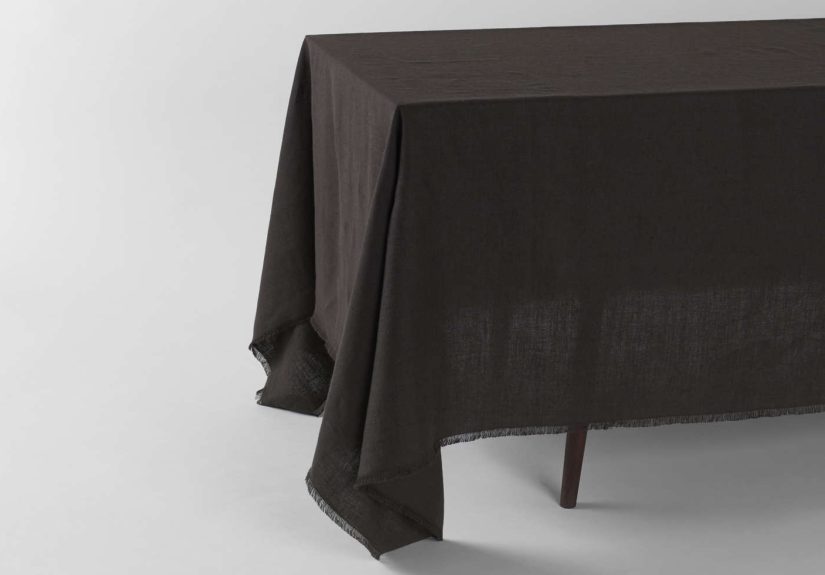
The Boxwood Linen Fringed Tablecloth Arabica is a generously sized linen tableclothoften noted at
72″ x 120″with a fringe finish that reads relaxed rather than fussy. It has been described as
hand-cut and sewn in Ghent, New York, and made in the United States using European linen.
Translation: artisan-made construction with the kind of drape that only linen does wellsoft, weighty, and just a little
rebellious around the edges (hi, fringe).
The word “Arabica” instantly conjures coffeedeep, earthy, and classic. Whether you’re styling a minimal black-and-white
table or going full autumnal with warm ceramics and brass, the name feels like a hint: this tablecloth is meant to ground the table.
It’s less “look at me!” and more “stay awhile.”
A quick brand snapshot: Boxwood Linen
Boxwood Linen is known as a small maker of fine linen home goods, emphasizing straightforward, utilitarian design and careful craftsmanship.
That’s a fancy way of saying: pieces made to be used, not just admired from a safe distance like museum velvet ropes.
Why Linen Works So Well for Tablecloths
Linen is made from flax, and it brings a specific set of “table-friendly” superpowers. It’s strong, breathable, absorbent,
and it develops that lived-in softness over time that makes you want to host just so you can touch your own tablecloth.
The texture also does a lot of styling work for you: even a simple plate and a water glass look more elevated against linen
than they do on a bare tabletop.
The charm: wrinkles that look intentional
Linen wrinkles. That’s not a bugit’s a feature. The trick is learning the difference between “soft, relaxed creases”
and “I pulled this from a gym bag.” The Arabica’s fringe and weight make it especially forgiving: it tends to look
casually tailored rather than messy.
The practicality: it’s not precious
If you’ve ever owned a delicate table covering that makes you whisper “don’t breathe near it,” linen is the antidote.
A high-quality linen tablecloth is meant to be washed, used, and enjoyed. It becomes more comfortable, not less, as it ages.
The Fringe Factor: Small Detail, Big Payoff
Fringe is doing two jobs at once: it adds movement and softness visually, and it helps the tablecloth feel finished without
relying on stiff hems. On a minimal table, fringe provides texture. On a maximal table, fringe adds a casual note so the whole
setup doesn’t feel like it’s auditioning for a palace.
Styling bonus: fringe makes “simple” look designed
If you love the idea of a beautiful table but don’t want to stage a photoshoot every time you eat, fringe is your friend.
A fringed linen tablecloth can carry the look with fewer extrasno runner required, no elaborate chargers required, no
“where do I even store twelve napkin rings?” required.
Real-life bonus: it hides the edge zone
The edge of the table is where life happens: chair bumps, hands tugging, kids swinging legs, a dog nose conducting an
unauthorized inspection. Fringe makes that edge feel intentional and a little more forgiving.
How to Size the Arabica Tablecloth Like a Pro
The secret to a tablecloth that looks expensive isn’t the price tagit’s the drop (the amount of fabric that hangs over the edge).
Too short and it looks like it shrank in the wash. Too long and guests feel like they’re dining in a curtain showroom.
The quick formula
Tablecloth length = table length + (2 × desired drop)
Tablecloth width = table width + (2 × desired drop)
Drop guidelines that actually make sense
- Casual, everyday meals: ~6–8 inches of drop (less fabric to snag, still looks polished).
- Dressier dinners: ~10–15 inches of drop (more dramatic, more “occasion”).
- Floor-length formal: ~30 inches or more (stunning, but commit to the vibe).
So what fits under a 72″ x 120″ tablecloth?
A 72″ x 120″ tablecloth is a great match for many rectangular dining tables and can also work on some expanded tables
(especially if you’re comfortable with a slightly shorter drop at the ends). Here are realistic examples:
- Table 40″ x 84″: With a 72″ width, you get a 16″ drop on each side (72 – 40 = 32; 32/2 = 16). On length: 120 – 84 = 36; 18″ drop at each end. That’s “special dinner” territory.
- Table 42″ x 96″: Width drop: (72 – 42)/2 = 15″. Length drop: (120 – 96)/2 = 12″. A classic, balanced lookformal enough, still functional.
- Table 44″ x 108″: Width drop: 14″. Length drop: 6″. Great for a long table where you want side drama, but you’d rather not have fabric pooling at the head seats.
Pro tip: if your chairs have arms or your guests are tall, a slightly shorter drop can be more comfortable while still looking intentional.
How to Style a Table with the Arabica (Without Overthinking It)
1) Minimalist, modern, and quietly fancy
Let the tablecloth do the talking. Pair it with matte stoneware, clear glassware, and simple flatware.
Add one low centerpieceolive branches, eucalyptus, or a bowl of citrusand stop there. The fringe provides enough texture
that the table won’t feel flat.
2) Vintage china that doesn’t feel “grandma formal”
If you have patterned china, keep the supporting cast calm. Use solid napkins (linen, cotton, or even a well-chosen paper
napkinno judgment), and pick one accent color from the plates to echo in candles or flowers. The goal is “curated,” not “competing.”
3) Warm, earthy, dinner-party energy
Think terracotta, wood, and brass. Add layered textures: a woven placemat, a ceramic serving bowl, and cloth napkins in a warm neutral.
This is the “we’re making something slow-cooked and pretending it was effortless” look.
4) Outdoor hosting that still looks elevated
Linen is fantastic outdoors because it doesn’t look plasticky, and it plays well with casual food.
Keep the centerpiece low (wind is a diva), use heavier glassware if possible, and embrace the fact that linen
looks even better with a little breeze.
Care and Feeding: Keeping Linen Beautiful (and Low-Drama)
Linen is tough, but it appreciates a gentle approach. The good news: you don’t need a degree in textile science.
You just need a few consistent habits.
Everyday care rules
- Act fast on stains: Blot spills instead of rubbing. Rubbing turns “oops” into “forever.”
- Wash cold or cool: Cold water is typically kinder to fibers and helps reduce shrink risk.
- Use mild detergent: Skip anything too harsh, especially if the linen is dark.
- Avoid fabric softener: Linen doesn’t need it, and softeners can leave residue.
- Dry gently: Air-dry when you can, or tumble dry low and remove while slightly damp.
Wrinkles: tame them, don’t eliminate their spirit
If you want a crisp look, iron linen while it’s still slightly damp. If you prefer the relaxed look, smooth it by hand,
lay it flat, and let the natural texture do its thing. A steamer works well for quick touch-upsespecially around the fringe.
Stain scenarios you’ll actually face
- Red wine: Blot immediately. Treat as soon as possible before washing.
- Oil or butter: Absorb excess (paper towel), then pre-treat before laundering.
- Candle wax: Let it harden, lift what you can, and then treat carefully before washing.
One more tip that saves heartbreak: don’t machine-dry a stain you haven’t fully removed. Heat can set it, and then you’ll be
hosting a funeral for your favorite tablecloth.
Sustainability: The “Buy Less, Use More” Tablecloth
Linen is often praised as a lower-impact natural fiber compared with many alternatives, especially when you think in terms of longevity:
a well-made linen tablecloth can last for years, sometimes decades, and still look better in year five than it did in week one.
If you’re trying to build a home with fewer, better pieces, a handmade linen tablecloth fits that philosophy nicely.
The sustainability story gets even better when you care for it in a modern way: washing in cold water and running full loads
can reduce energy and water use without sacrificing cleanliness. In other words, you can be eco-minded and still eat spaghetti.
Is the Arabica Tablecloth Worth It?
This is where we talk about expectations. The Boxwood Linen Fringed Tablecloth Arabica isn’t a disposable seasonal print.
It’s an investment piece: artisan-made, designed to age well, and sized for real dining tables. If you love the idea of one
“forever” tablecloth that works across seasons and styles, it makes sense.
It’s also a strong choice if you:
- host often (or want your everyday meals to feel like hosting),
- prefer texture over high-gloss perfection,
- like neutral, grounding pieces you can re-style endlessly,
- want something made with a craft-forward approach.
If you want a tablecloth you never have to wash (and you’re okay with it looking like a laminated menu), linen won’t be your best match.
But if you’re okay with laundry as a normal part of living, linen pays you back with beauty.
FAQ
Will linen shrink?
Linen can shrink a bit, especially with heat. That’s why cold or cool washing and low-heat drying (or air drying) are the safest habits.
If you tumble dry, remove it while slightly damp and smooth it out.
Does fringe make it harder to wash?
Not reallyjust be gentle. Avoid aggressive cycles, don’t overload the washer, and consider a mesh laundry bag if you’re worried about tangling.
Smooth the fringe while damp to keep it looking tidy.
Can I use it without ironing?
Absolutely. Linen is one of the few fabrics where “wrinkled” can look stylish. If you want it neater, hang it, steam it, or iron it slightly damp.
What if I’m nervous about stains?
Use placemats for particularly messy meals, keep a stain remover handy, and remember: a tablecloth that never meets food is just a very expensive sheet.
Real-World “Experiences” With a Fringed Linen Tablecloth (What You’ll Notice Over Time)
If you’re thinking about bringing the Boxwood Linen Fringed Tablecloth Arabica into your life, it helps to know what the day-to-day
relationship looks like. Because yesthis is a relationship. A good tablecloth becomes a recurring character in your home story:
it witnesses rushed breakfasts, long conversations, surprise visitors, and the occasional “we’re eating over the sink” season.
Week one: You’ll notice the drape first. Linen doesn’t sit on a table like a stiff costume; it settles like fabric that knows what it’s doing.
The fringe changes the vibe immediatelyyour table goes from “surface” to “setting.” People tend to touch it (in a good way), the same way they touch a
cozy throw blanket. You may also catch yourself doing one unnecessary table-setting moment just to see it looking its best. This is normal. Welcome.
Week two: You stop treating it like it’s fragile. That’s when it starts earning its keep. Coffee spills? You blot and move on.
Pasta night? You use napkins like an adult and accept that life is saucy. Linen rewards calm energy. When you don’t panic, stains are usually manageable,
and the tablecloth looks better for being used. It starts to feel less like “decor” and more like “part of the house.”
Entertaining season: This is where a tablecloth like Arabica shines. It photographs beautifully without looking staged, and it’s adaptable.
You can go minimal with a single vase and taper candles, or you can layer plates, bowls, and serving platters until your table looks like it’s hosting a
tiny edible art exhibit. The fringe helps everything feel intentional even when the menu is “whatever was on sale.” Guests tend to relax around linen;
it signals comfort, not perfection. (Nobody feels like they have to sit up straight and whisper.)
After a few washes: Linen often softens and becomes more inviting. The texture stays, but it feels less crisp and more lived-inin the best way.
If you’re someone who loves that “favorite shirt” comfort, a linen tablecloth can become the tabletop version of that feeling.
And you’ll probably develop a routine: shake out crumbs, spot-treat when needed, wash on a gentle cycle, dry low or air dry, smooth it while damp, done.
It becomes easylike making coffeeironically appropriate for something called “Arabica.”
The long-term payoff: Over time, a fringed linen tablecloth becomes a style anchor. You change plates, candles, centerpieces, and seasons,
but the tablecloth holds the look together. It’s the quiet backdrop that makes everything else look more expensive than it was.
And if you ever move, redecorate, or change your table, it’s one of the few pieces that usually transitions with you.
That’s the real luxury: not “perfect,” but reliably beautiful in real life.