Table of Contents >> Show >> Hide
- What Is Acarajé?
- Why This Acarajé Recipe Works for Home Cooks
- Ingredients for Brazilian Black-Eyed Pea and Shrimp Fritters
- How to Make Acarajé at Home
- Tips for the Best Acarajé Recipe
- Common Mistakes to Avoid
- What to Serve with Acarajé
- Why Acarajé Matters Beyond the Recipe
- Acarajé Experiences: What Making and Eating It Feels Like
- Final Thoughts
Acarajé is the kind of food that makes an entrance. It arrives hot, golden, and gloriously dramatic, with a crisp shell, a soft center, and a savory shrimp filling that announces itself before you even take a bite. This beloved street food from Bahia, Brazil, is more than a snack. It is a recipe with deep Afro-Brazilian roots, a symbol of culinary resilience, and proof that black-eyed peas can do a lot more than sit politely in a soup pot.
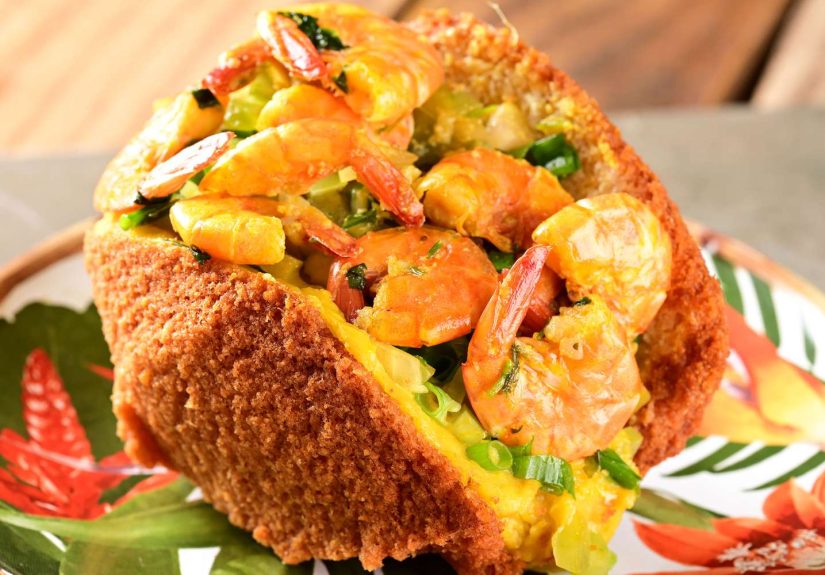
If you have never made acarajé at home, do not worry. Yes, it sounds fancy. Yes, it has heritage, technique, and attitude. But at its heart, this dish is wonderfully practical: soaked black-eyed peas are turned into a batter, shaped into fritters, fried until crisp, then split and stuffed with shrimp and flavorful accompaniments. The result is part sandwich, part fritter, part culinary mic drop.
This in-depth guide walks you through a home-cook-friendly acarajé recipe while also giving the dish the cultural respect it deserves. You will learn what makes authentic Brazilian black-eyed pea and shrimp fritters special, how to get the texture right, what to substitute when necessary, and how to serve them so they feel festive instead of fussy.
What Is Acarajé?
Acarajé is a traditional Bahian fritter made from peeled black-eyed peas blended with onion and seasonings, then deep-fried, often in dendê oil, the reddish palm oil that gives many Afro-Brazilian dishes their unmistakable color and aroma. After frying, the fritters are typically split open and filled with savory ingredients such as shrimp, vatapá, or a bright tomato-onion salsa.
The dish is widely associated with Salvador, Bahia, where vendors known as Baianas de Acarajé are famous for serving it from street stalls. Its origins connect strongly to Yoruba food traditions from West Africa, especially akara, another black-eyed pea fritter. In other words, acarajé is delicious history you can hold in one hand.
And once you taste it, you will understand why it inspires such loyalty. It is crunchy, creamy, earthy, briny, and spicy all at once. It is not trying to be subtle. Acarajé is here to be remembered.
Why This Acarajé Recipe Works for Home Cooks
Traditional acarajé can be labor-intensive because dried black-eyed peas are usually soaked and peeled before blending. That extra step creates a lighter batter and a cleaner bean flavor. This version keeps that traditional foundation but explains it in a way that will not make you want to order takeout halfway through.
It also balances authenticity and practicality. If you can find dendê oil, use it for the most characteristic flavor. If you cannot, a neutral frying oil will still give you excellent fritters, though the final taste will be less distinctly Bahian. For the filling, shrimp stays front and center, supported by onion, tomato, garlic, lime, and a modest amount of heat. The goal is a filling that complements the fritter instead of bulldozing it.
Ingredients for Brazilian Black-Eyed Pea and Shrimp Fritters
For the fritters
- 2 cups dried black-eyed peas
- 1 small yellow onion, roughly chopped
- 2 cloves garlic
- 1 teaspoon kosher salt, plus more to taste
- 1/2 teaspoon black pepper
- 1/4 to 1/2 teaspoon cayenne or hot sauce, optional
- Oil for frying, preferably dendê oil or a blend of dendê and neutral oil
For the shrimp filling
- 1 pound small or medium shrimp, peeled and deveined
- 1 tablespoon olive oil
- 1/2 medium onion, thinly sliced
- 2 cloves garlic, minced
- 1 small tomato, diced
- 1 tablespoon lime juice
- 1 tablespoon chopped cilantro
- Salt and black pepper to taste
- Pinch of chili flakes or a little hot sauce
Optional traditional-style additions
- Vatapá
- Tomato-onion vinaigrette
- Dried shrimp for extra umami
- Hot pepper sauce
How to Make Acarajé at Home
1. Soak and peel the black-eyed peas
Place the dried black-eyed peas in a large bowl and cover them with water. Soak for at least 8 hours or overnight. Once soaked, rub the peas between your hands to loosen the skins. Add more water and skim off the floating skins. Repeat until most of the skins are removed.
This step is the least glamorous part of the recipe, but it matters. Peeling helps create a smoother batter and a lighter fritter. Think of it as the culinary equivalent of doing your taxes: annoying in the moment, satisfying later.
2. Make the fritter batter
Drain the peeled peas and place them in a food processor with the chopped onion, garlic, salt, black pepper, and cayenne if using. Blend until the mixture becomes thick and relatively smooth. You may need to add a tablespoon or two of water, but keep it minimal. The batter should be thick enough to hold its shape when scooped.
If the mixture looks too loose, do not panic. Let it sit for 10 minutes. Black-eyed peas absorb moisture, and the batter often firms up slightly. The ideal texture is airy but sturdy, almost like a thick bean mousse.
3. Prepare the shrimp filling
Pat the shrimp dry and season lightly with salt and pepper. Heat the olive oil in a skillet over medium heat. Add the sliced onion and cook until softened, then add the garlic and cook for about 30 seconds. Stir in the tomato and cook until slightly broken down.
Add the shrimp and cook just until pink and opaque, about 2 to 3 minutes depending on size. Finish with lime juice, cilantro, and chili flakes or hot sauce. Remove from heat immediately. Overcooked shrimp become rubbery, and no one dreams of rubbery shrimp. Not in Bahia, not anywhere.
4. Fry the acarajé
Pour about 2 to 3 inches of oil into a deep, heavy pot and heat to 350 to 365 degrees Fahrenheit. If using dendê oil, many home cooks blend it with a neutral oil because dendê has a bold flavor and a lower comfort zone when used alone in large amounts.
Scoop the batter with two spoons, shaping it into oval quenelles or rough balls, and gently slide them into the hot oil. Fry in batches so the pot is not overcrowded. Cook for about 4 to 5 minutes, turning as needed, until the fritters are deeply golden and crisp on the outside.
Transfer to a paper towel-lined tray or rack to drain. The inside should be tender and fluffy, not dense. If your first fritter is too dark outside and raw inside, reduce the heat slightly. If it sits there looking pale and unmotivated, raise the heat a bit.
5. Fill and serve
Using a small knife, split each fritter open without cutting all the way through. Spoon in the shrimp filling. Add vatapá or vinaigrette if you like, then serve immediately while the shell is crisp and the center is still warm.
Tips for the Best Acarajé Recipe
Use dried black-eyed peas when possible
Canned peas can save time, and some shortcut recipes use them, but dried peas deliver the best texture for traditional-style acarajé. They are firmer, less watery, and better suited to a batter that needs body.
Do not skip the onion
Onion is not just background flavor here. It gives the batter moisture, aroma, and a slightly sweet edge that plays beautifully with shrimp and palm oil.
Respect the oil
Dendê oil is one of the most recognizable flavors in Bahian cooking. It is bold, earthy, floral, and impossible to confuse with ordinary vegetable oil. If you use it, use it intentionally. If you skip it, be honest with yourself that your fritters will still be tasty, just less traditional.
Keep the filling simple
Acarajé can carry rich fillings, but balance matters. Too much sauce and the fritter gets soggy. Too many ingredients and the bean flavor disappears. Shrimp, onion, tomato, acid, and heat are often enough to make the whole thing sing.
Common Mistakes to Avoid
Making the batter too wet: A loose batter spreads in the oil instead of puffing up. Add water carefully and only when needed.
Frying at the wrong temperature: Too hot, and the outside burns before the inside cooks. Too cool, and the fritters absorb oil like little edible sponges.
Overfilling the fritters: Yes, stuffing them generously is tempting. But if the filling overwhelms the shell, you lose the contrast that makes acarajé special.
Overcooking the shrimp: Shrimp cook fast. They are not auditioning for a toughness competition.
What to Serve with Acarajé
If you are serving acarajé as part of a larger meal, keep the sides bright and fresh. A crunchy cabbage slaw, sliced tomatoes with lime, or a simple cucumber salad works well. A small pot of hot sauce on the table is also a good idea for people who enjoy a little extra fire.
For drinks, something cold and citrusy works beautifully. Sparkling limeade, passion fruit juice, or even an icy ginger drink pairs nicely with the rich fritters. If you are building a full Brazilian-inspired spread, moqueca, rice, and sautéed greens can make the meal feel especially festive.
Why Acarajé Matters Beyond the Recipe
One of the reasons acarajé recipe searches keep growing is that people are hungry for dishes with a story, not just instructions. Acarajé offers both. It reflects the foodways carried across the Atlantic by enslaved Africans and preserved through generations of Afro-Brazilian cooks, especially in Bahia. The women who sell acarajé are not merely vendors; they are cultural stewards.
That deeper meaning does not make the food less joyful. If anything, it makes every bite more vivid. The crisp shell, the creamy bean center, the shrimp, the spice, the fragrance of dendê oil, all of it becomes part of a larger conversation about migration, memory, labor, celebration, and survival. Not bad for a fritter.
Acarajé Experiences: What Making and Eating It Feels Like
The first time you make acarajé at home, the experience is half cooking project, half travel daydream. It starts quietly enough with a bowl of soaking black-eyed peas, but once you begin rubbing off the skins and smelling onion hit the food processor, the kitchen starts to feel like something bigger is happening. This is not the kind of recipe you absentmindedly throw together while checking five other things on your phone. It asks for your attention, and then rewards it generously.
There is a particularly satisfying moment when the batter finally looks right. It goes from bean paste to something airy and promising, and suddenly you can imagine the finished fritters. Then the oil heats, the first spoonful drops in, and you get that little surge of suspense every fry cook knows. Will it hold together? Will it puff? Will it become gorgeous? When it does, it feels absurdly triumphant for something made from peas.
The smell is unforgettable. Onion, hot oil, shrimp, garlic, and that distinct earthy perfume of dendê create the kind of aroma that makes people wander into the kitchen pretending they “were just passing by.” They were not. They came because the house smells fantastic.
Eating acarajé is its own event. You do not nibble it delicately. You commit. The shell cracks first, then the soft bean interior gives way, then the shrimp filling arrives with brightness, salt, and a little heat. It is messy in the best possible way. A proper acarajé demands napkins, maybe a plate, definitely your full attention, and possibly a brief pause afterward so you can appreciate what just happened.
It is also a deeply social food. Acarajé feels made for gatherings, for long conversations, for serving one batch after another while people hover near the stove hoping for “quality control” samples. It is the kind of recipe that turns dinner into a story. Someone always asks where it comes from. Someone else asks why black-eyed peas are in fritters. A third person, usually with a full mouth, says some version of, “Why have I not been eating these my whole life?”
And that is really the magic of it. Acarajé manages to feel both festive and rooted. It is exciting because the flavor is bold and the technique is a little theatrical, but it is comforting because the ingredients are humble: beans, onion, shrimp, heat, oil. It reminds you that some of the world’s most memorable foods are born from resourcefulness and tradition rather than luxury.
Once you make it successfully, it tends to linger in your cooking memory. You remember the sound of the batter hitting the oil. You remember the color of the fritters as they turned from pale to bronze. You remember how the shrimp filling tucked inside the warm shells. And you remember the first bite, when the whole thing clicked into place and tasted bigger than the sum of its parts. That is the kind of recipe people come back to. Not every week, maybe, because peeling black-eyed peas is still a character-building exercise. But absolutely often enough to call it a favorite.
Final Thoughts
If you are looking for a dish that is rich in flavor, history, and plain old crispy satisfaction, Brazilian black-eyed pea and shrimp fritters deserve a place in your kitchen. Acarajé is not the fastest recipe you will ever make, but it may be one of the most memorable. It combines humble ingredients with layered technique and delivers a result that feels both celebratory and deeply grounded.
Make it for a weekend cooking project, a dinner party opener, or the moment when you want to impress people with something far more interesting than another tray of predictable appetizers. Acarajé has crunch, soul, and swagger. That is a very hard combination to beat.