Table of Contents >> Show >> Hide
If you have ever looked at a traditional file cabinet and thought, “Wow, that really captures the thrilling energy of tax season,” you are not alone. For decades, filing cabinets have been the beige wallflowers of the office world: useful, heavy, and about as emotionally expressive as a stapler. Building Block Lateral Files change that conversation. They take the practical job of storing sensitive paper documents and wrap it in a design language that feels modern, flexible, and surprisingly cheerful.
At a time when many offices are “paper-light” rather than fully paperless, smart physical storage still matters. Legal teams, HR departments, architects, interior designers, school administrators, and home-office users all keep records that are easier, safer, or simply more convenient to store on-site. That is where Building Block Lateral Files earn their keep. They are not trying to be trendy for five minutes and then spend the next decade regretting it. Instead, they blend commercial-grade durability, real filing functionality, and playful design details into one tidy package.
This guide breaks down what Building Block Lateral Files are, why they stand out, how they compare with ordinary lateral file cabinets, and where they make the most sense. If your dream workspace includes organized paperwork and furniture that does not look like it was rescued from a government basement, pull up a chair.
What Are Building Block Lateral Files?
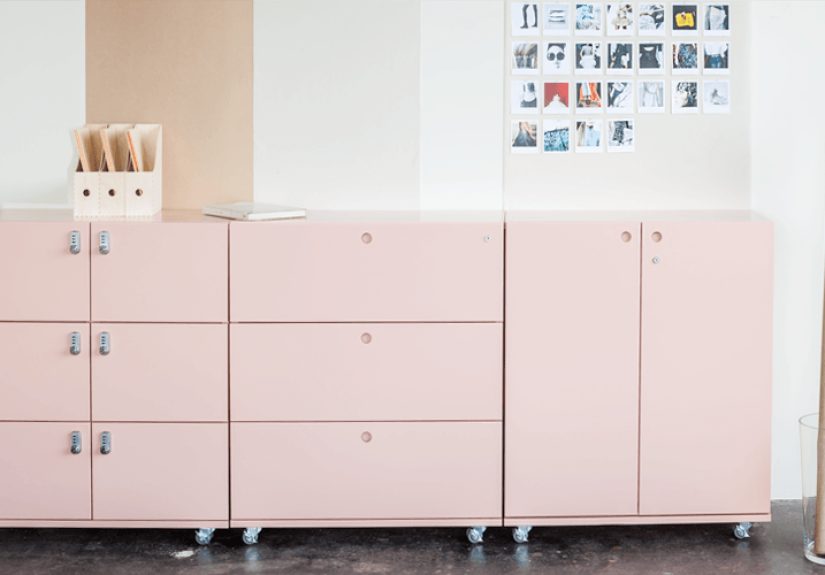
Building Block Lateral Files are modern steel filing cabinets designed for secure, high-capacity document storage. The line is best known for its modular look, colorful powder-coated finishes, and distinctive round pull details that soften the usual hard-edged filing-cabinet aesthetic. In practical terms, these cabinets are available in multiple heights, including two-drawer, three-drawer, and four-drawer options, giving buyers flexibility based on storage needs and room size.
What makes them “lateral” is the drawer orientation. Unlike vertical filing cabinets, which are narrower and deeper, lateral file cabinets are wider than they are deep. That wider profile makes them especially useful when you need broad drawers, easier side-to-side organization, and a cleaner visual fit next to desks, credenzas, or open office layouts. Building Block Lateral Files lean into that format with a footprint that feels efficient rather than bulky.
On the functional side, the line is designed to accommodate side-to-side letter filing or front-to-back legal filing. That is an important detail because it means the cabinets can support different record systems without making you perform office-storage gymnastics at 8:12 a.m. before your second coffee. Full-extension slides help users reach materials at the back of each drawer, while interlocking drawers improve stability by limiting how many drawers can be opened at once.
Why Building Block Lateral Files Stand Out
1. They make storage look intentional
Most filing cabinets are purchased with the emotional enthusiasm of buying printer toner. Building Block Lateral Files are different because they are clearly designed to be seen, not hidden. Their clean geometry and playful hardware create a look that works in creative studios, modern home offices, boutique firms, and collaborative workplaces where furniture is expected to contribute to the atmosphere.
That design-first approach matters more than people sometimes admit. Storage is a large visual object in a room. If it looks clunky, cheap, or purely transactional, the whole space can feel more cluttered even when everything is technically organized. Building Block Lateral Files solve that problem by acting as both storage and design element. They can sit beside a desk, anchor a wall, or line up with other modular pieces without dragging the room into cubicle-country.
2. They offer real filing flexibility
A good-looking cabinet that cannot actually handle paperwork is just decorative optimism. Thankfully, this line appears to understand that adults still have leases, contracts, medical paperwork, school files, invoices, tax records, and all the other paper species that continue reproducing when no one is watching. Building Block Lateral Files are built for letter and legal filing, which makes them practical for both business and home use.
This flexibility is one of the biggest reasons lateral files remain popular. Wider drawers make it easier to separate categories, departments, years, or client groups. That means fewer overstuffed folders and less digging around like an archaeologist uncovering the ruins of Quarter 3.
3. They balance mobility and permanence
Another standout feature is the choice between casters or levelers. Casters add mobility, which is useful in flexible offices, creative workspaces, and home environments where furniture may need to move as layouts evolve. Levelers, on the other hand, are better for a more fixed installation and help compensate for uneven floors. This option gives the product a broader appeal than a one-size-fits-all cabinet.
Key Features That Matter in Real Life
Commercial-grade steel construction
One of the strongest arguments for Building Block Lateral Files is material quality. Steel cabinets have long been favored in high-use office settings because they resist wear better than many low-cost alternatives. Building Block Lateral Files use commercial-grade steel, which helps explain why the line feels more like long-term office infrastructure than disposable furniture. If you are buying storage for daily use, durability is not a luxury feature. It is the difference between a drawer that glides smoothly in year five and one that begins acting like it holds a personal grudge.
Drawer capacity and full extension
These cabinets are designed with full-extension drawer slides, which sounds technical until you realize it simply means you can access files at the back without bending your wrist into a shape last seen in interpretive dance. Full extension improves visibility, makes retrieval easier, and supports better organization because files do not disappear into a mysterious rear drawer dimension.
Interlocking drawers and safer use
Interlocking drawers are another crucial feature. In many quality lateral file cabinets, only one drawer can open at a time, which helps reduce tipping risk. That matters because file cabinets can become unstable when a heavily loaded drawer is fully extended, especially if a unit is not anchored or properly balanced. Interlocks are one of those features people ignore until they are suddenly very interested in gravity.
Locking storage
Security is also part of the appeal. Building Block Lateral Files include lockable drawers, which makes them suitable for storing documents that should not be left exposed. For businesses, that may include personnel files, contracts, or finance records. For home users, it might mean passports, insurance paperwork, deeds, and the folder labeled “Important Stuff Do Not Lose,” which somehow still causes mild panic twice a year.
Sizes, Dimensions, and Choosing the Right Height
One of the smartest things about the Building Block Lateral File line is that it comes in several heights while maintaining a consistent width and depth. That makes planning easier. You are not choosing between three wildly different furniture personalities. You are choosing the version that best matches your storage load and your room.
2H: the compact overachiever
The two-drawer model is the most compact option. It works especially well in home offices, under windows, beside desks, or in multipurpose rooms where every inch matters. If your filing needs are modest but you still want secure storage with a polished look, this version is often the sweet spot. It can also double as a surface for a printer, lamp, or decorative object that whispers, “Yes, I am organized, but I also own a ceramic vase.”
3H: the balanced choice
The three-drawer version is a strong middle-ground option. It adds noticeably more filing capacity without becoming visually overwhelming. For small businesses, consulting offices, design studios, or serious home-office users, this is often the most versatile choice. It holds enough paperwork to be genuinely useful while still feeling proportional in most rooms.
4H: the storage champion
The four-drawer model is for users who need substantial file storage without moving into full records-room territory. It is ideal for departments that handle recurring paperwork, client files, or archived records. Because it is taller, it also creates a stronger vertical visual presence, which can be a plus in larger spaces but may feel dominant in a compact room. In other words, make sure your room wants a lead actor before casting one.
Where Building Block Lateral Files Work Best
Home offices
In home offices, these cabinets solve two common problems at once: document clutter and ugly furniture. Because they come in stylish finishes and a more residential-friendly profile, they fit more naturally into rooms that need to function as both workspace and living space.
Creative studios and design firms
Creative environments often want storage that looks intentional rather than institutional. Building Block Lateral Files work well here because they offer practical document storage without disrupting a carefully designed space. They can also coordinate with modular office systems and other storage pieces for a cohesive look.
HR, legal, and administrative spaces
Departments handling confidential or high-volume paperwork still need secure physical storage. The lateral format makes organizing active files easier, and the locking drawers add an important layer of control. If your workflow includes both digital records and physical originals, this line makes a lot of sense.
Hybrid offices
Flexible offices benefit from furniture that can adapt. Casters, modular planning, and strong visual appeal make these cabinets useful in hybrid settings where spaces need to serve multiple teams or change layouts over time.
What to Consider Before Buying
First, measure carefully. Lateral files save depth, but they need width. If your office is narrow, make sure the cabinet will not turn the room into a sideways obstacle course.
Second, think about filing style. If you use both letter and legal documents, check how you want those files arranged and whether you prefer simpler side-to-side organization or more segmented front-to-back filing.
Third, consider mobility. Casters are fantastic when layouts change often, but levelers may be better if the cabinet will stay put and act as a stable furniture anchor.
Fourth, remember safety. Interlocking drawers help, but best practice still includes proper placement, balanced loading, and avoiding the temptation to open multiple loaded drawers at once. A filing cabinet is storage, not a trust fall.
Experiences With Building Block Lateral Files
What is it actually like to live or work with Building Block Lateral Files day after day? That question matters because furniture can look fabulous in a product photo and then become slightly annoying in real life. The good news is that this style of cabinet tends to shine in the everyday moments that make or break a workspace.
In a home office, the experience is often about relief. Relief that important paperwork finally has one dedicated place. Relief that the room feels calmer because folders, receipts, and sensitive documents are not scattered across shelves, desk drawers, or random tote bags with “temporary” items that somehow become permanent residents. A two-drawer or three-drawer lateral file can be especially satisfying because it gives structure without swallowing the room. It is still a working cabinet, but it does not scream “corporate annex.” It just quietly does its job while looking like it belongs there.
In a creative studio, the experience is a little different. Here, people often appreciate the cabinet less for hiding paper and more for how it supports visual order. Samples, project binders, client materials, spec sheets, contracts, and invoices all need a home. When those materials are organized in a wide, easy-to-access drawer system, projects move faster. People spend less time searching and more time actually working. That sounds obvious, but in many workplaces, inefficiency is basically a part-time employee. Storage that reduces friction has real value.
There is also a tactile side to the experience. Full-extension drawers feel better to use because they let you see what you have. That matters more than it seems. When a drawer opens fully and glides smoothly, you trust the cabinet. You stop handling it like a fragile object and start treating it like reliable equipment. The wider lateral format also helps users create cleaner categories. One drawer can hold taxes, another contracts, another medical records, another school paperwork. Suddenly your filing system is not a mystery novel with missing chapters.
In small businesses or administrative departments, the emotional experience is often one of quiet control. Secure storage reduces that nagging feeling that important files are floating around where they should not be. Locking drawers, strong materials, and orderly layout support a workspace that feels more deliberate and professional. And when the cabinet itself looks polished, the room feels better maintained even before anyone notices why.
Perhaps the most underrated experience, though, is visual calm. Good storage lowers background stress. A room with well-contained paperwork simply feels less noisy. Building Block Lateral Files help because they combine utility with presence. They do not ask you to choose between “pretty” and “practical.” They let you have a workspace that looks thoughtful and still handles the unglamorous realities of adult life. And honestly, that may be the dream: a filing cabinet that can store your tax documents without making the room feel like it is preparing for an audit.
Final Thoughts
Building Block Lateral Files prove that office storage does not have to be ugly, dull, or visually apologetic. They bring together the core qualities people actually need in a filing cabinet, including secure drawers, flexible filing formats, solid construction, and stability-minded design, while adding a fresh, modern personality that works in both professional and residential environments.
For anyone building a workspace that values organization and aesthetics equally, this line makes a compelling case. It supports real paperwork, fits modern office habits, and looks intentional in the process. That is a rare combination. Plenty of products are functional. Plenty are stylish. Far fewer manage to be both without becoming absurdly complicated. Building Block Lateral Files pull it off with confidence, utility, and just enough charm to make filing feel slightly less like punishment.