Table of Contents >> Show >> Hide
- The 3-Second Rule Before You Share
- Human Foods Dogs Can Eat (Usually Safe in Moderation)
- Human Foods Dogs Can’t Eat (Toxic or High-Risk)
- The “Maybe” List: Not Always Toxic, Still Not a Great Idea
- What to Do If Your Dog Eats Something They Shouldn’t
- Quick “Can My Dog Eat This?” Cheat Sheet
- How Much Is “Moderation,” Really?
- Real-Life “Can My Dog Eat This?” Moments ( of Experience-Driven Tips)
- Conclusion
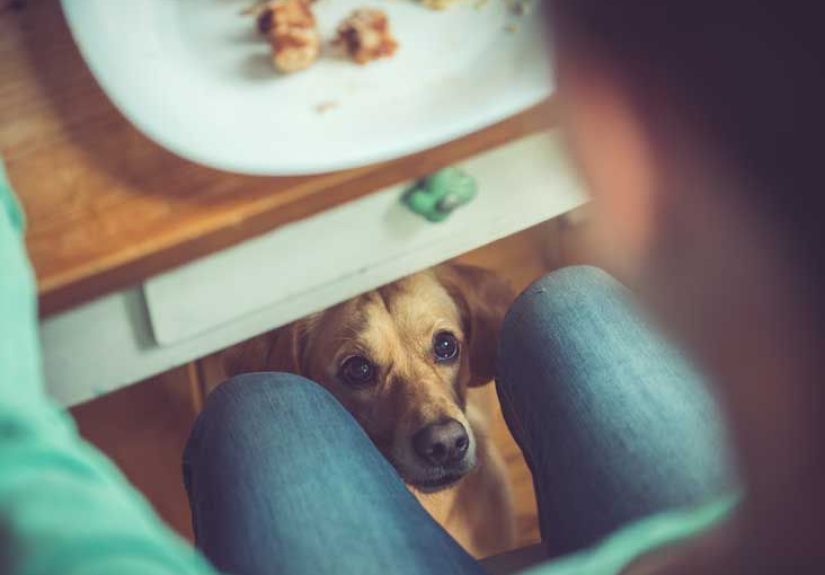
Your dog has a superpower: the ability to appear silently at your elbow the exact moment you unwrap anything edible. And suddenly you’re bargaining with those eyes: “Okay, but… can my dog eat this?”
This guide is your friendly, no-drama cheat sheet for common human foodswhat’s generally safe, what’s a “maybe,” and what belongs on the hard no list. It’s written for everyday pet parents, not people who meal-prep quinoa bowls for their dogs (no judgment, thoughyour dog is living better than most of us).
Quick safety note: Every dog is different. Size, age, health conditions, allergies, and meds matter. This article is general education, not a substitute for veterinary care.
The 3-Second Rule Before You Share
Before you slide your pup a bite, do this quick mental checklist:
- Is it plain? Dogs don’t need garlic, onion, chili, butter, or “just a little seasoning.”
- Is it small? Treats should be a small slice of their total diet. (More on “treat math” below.)
- Is it on the “known toxic” list? Chocolate, grapes/raisins, onions/garlic, xylitol, alcohol, macadamiasthese are the usual villains.
Why some “normal” foods are dangerous for dogs
Dogs don’t metabolize certain compounds the way humans do. Some foods cause direct toxicity (like chocolate and xylitol), while others create mechanical danger (like cooked bones splintering) or trigger serious inflammation (like fatty scraps causing pancreatitis). The frustrating part? For a few foodslike grapesreactions can be unpredictable. One dog may seem fine once, and another may get very sick from a small amount later.
Human Foods Dogs Can Eat (Usually Safe in Moderation)
“Safe” doesn’t mean “unlimited.” Think of these as occasional, plain, bite-sized add-onsnot a second dinner. When introducing any new food, start with a tiny amount and watch for vomiting, diarrhea, itchiness, or gassiness (the universal language of regret).
Dog-safe fruits (served correctly)
- Apples (no seeds/core): Crunchy, low-cal treat. Seeds can be harmful, so slice and remove the core.
- Blueberries: Small antioxidant-rich snack. Great as “single-berry bonuses” for training.
- Bananas: Fine in small amountshigher in sugar, so keep it modest.
- Watermelon (no rind/seeds): Hydrating and fun; just don’t let your dog audition for a rind-eating contest.
- Strawberries: A few sliced pieces are generally okay; skip sugary dips or whipped toppings.
Serving tip: Cut small to avoid chokingespecially for tiny dogs who inhale snacks like they’re vacuuming a crime scene.
Dog-safe vegetables (plain is the theme)
- Carrots: Crunchy, low-cal, and many dogs love them.
- Green beans: A classic “I want to snack but also stay fit” option.
- Cucumbers: Hydrating and light. Slice into manageable pieces.
- Sweet potato (cooked, plain): Great textureavoid butter, sugar, marshmallows, and “holiday casserole energy.”
- Pumpkin (plain puree): Often used for mild digestive support. Not pumpkin pie filling (which may contain sugar/spices).
- Broccoli: Small amounts onlytoo much can upset the stomach.
Proteins dogs can usually handle
- Cooked lean meats (chicken, turkey, beef): Plain, boneless, skinless is best. Avoid seasoning and fatty skins.
- Cooked fish (salmon, whitefish): Plain, fully cooked, deboned. Skip heavily salted or smoked fish.
- Eggs (cooked): Many dogs do fine with cooked eggs; keep portions small.
Example: If your dog is begging during taco night, a tiny piece of plain chicken from the pan is very different from a bite of taco meat loaded with onion/garlic powder and spicy seasoning.
Grains and starches (the bland-but-safe crew)
- Plain rice (cooked): Often used in short-term bland diets (as directed by a vet).
- Oatmeal (plain): Avoid sweeteners and flavored packets.
- Pasta (plain): A few bites are usually fine, but sauce is where trouble hides (garlic/onion, salt, fat).
- Potatoes (cooked): Plain only. Avoid raw potato and avoid buttery, salty toppings.
Dairy: safe for some, chaos for others
Many dogs are lactose intolerant. That means dairy may not be “toxic,” but it can still cause a memorable evening. If you try dairy, start tiny.
- Plain yogurt (unsweetened): Small amounts may be okay for some dogs. Avoid products with artificial sweeteners.
- Cheese: Small training-sized bits often work, but it’s calorie-dense and may upset sensitive stomachs.
Human Foods Dogs Can’t Eat (Toxic or High-Risk)
If your dog eats any of the “nope” foods below, don’t wait for symptoms to get dramatic. Some toxins act fast, others are sneaky. When in doubt, call your veterinarian, an emergency vet, or a pet poison hotline.
1) Chocolate, coffee, and caffeine
Chocolate contains methylxanthines (including theobromine), which dogs don’t process well. Darker chocolate is generally more dangerous than milk chocolate, and baking chocolate is a big emergency. Coffee and caffeine products can also cause serious signs (agitation, tremors, abnormal heart rhythms, seizures).
2) Grapes and raisins
Grapes and raisins can cause acute kidney injury in dogs, and the reaction can be unpredictable. The safest plan is simple: no grapes, no raisinsnot even “just one.”
3) Onions, garlic, chives, leeks (allium family)
Alliums can damage red blood cells and lead to anemia. This includes cooked forms andimportantlypowdered forms, which show up in soups, sauces, seasoning blends, chips, and “savory” meats.
4) Xylitol (and other sneaky sweeteners)
Xylitol is a sugar substitute that can cause a rapid drop in blood sugar and can be life-threatening for dogs. It may appear in sugar-free gum, candies, baked goods, toothpaste, some peanut butters, and certain “sugar-free” products. Always check labelsespecially if you’re using peanut butter to hide a pill.
5) Alcohol
Alcohol is dangerous for dogseven small amounts. This includes beer, wine, liquor, and foods made with alcohol. Fermenting bread dough can also create alcohol in the stomach (see below).
6) Macadamia nuts
Macadamias are a known problem for dogs and can cause weakness, vomiting, tremors, and other signs. Bonus issue: many nut mixes are also salty and seasoneddouble trouble.
7) Yeast dough (raw bread dough)
Raw yeast dough can expand in the stomach and may produce alcohol as it ferments. This isn’t “oops, a tummy ache.” It can become an emergency quickly.
8) Cooked bones and fatty scraps
- Cooked bones can splinter and cause choking, obstruction, or internal injury.
- Fatty table scraps (greasy meats, bacon, fried foods) can trigger pancreatitis in some dogspainful and potentially serious.
9) Avocado (best avoided)
Avocado contains persin and is high in fat; the pit is also a choking/obstruction hazard. Some dogs may only get stomach upset, but it’s safest to keep avocado off the menu.
10) Moldy or spoiled foods
If it smells like “science project,” it shouldn’t go to your dog. Moldy foods can contain toxins that cause vomiting, tremors, and worse.
The “Maybe” List: Not Always Toxic, Still Not a Great Idea
These foods aren’t classic toxins, but they commonly cause stomach upset, choking, or long-term health issues if offered regularly. Translation: your dog might survive it, but your carpet might not.
- Salty snacks (chips, pretzels): Too much salt isn’t kind to the body (and often includes onion/garlic flavorings).
- Spicy foods: Dogs don’t enjoy the burn the way humans pretend to. (Yes, we see you.)
- Sugary desserts: High calories, potential sweeteners, and lots of tummy chaos.
- Processed meats (sausage, deli meats): Salt, fat, spices, sometimes onion/garlic powders.
- Nut butters: Can be okay if plain and xylitol-free, but they’re calorie-denseportion matters.
What to Do If Your Dog Eats Something They Shouldn’t
Panic is normal. A plan is better. If your dog snags a dangerous food, here’s a practical approach:
- Remove access (take away the food, close the trash, move the plate).
- Figure out what and how much was eaten (save packaging, estimate quantity, note your dog’s weight).
- Call a pro: your veterinarian, an emergency clinic, or a pet poison hotline.
- Don’t induce vomiting unless a vet specifically instructs you. Some substances can cause more damage coming back up.
- Watch for urgent signs: repeated vomiting, tremors, seizures, collapse, extreme lethargy, pale gums, trouble breathing, or bloated abdomen.
Helpful numbers (U.S.): Pet Poison Helpline: 855-764-7661 • ASPCA Animal Poison Control Center: 888-426-4435 (Fees may apply. Your vet can also guide you.)
Quick “Can My Dog Eat This?” Cheat Sheet
Use this as a fast starting pointthen read the notes so you don’t accidentally serve the “safe” item in an unsafe form.
| Food | Safe? | Notes |
|---|---|---|
| Apple slices | Yes | Remove seeds/core; cut small |
| Blueberries | Yes | Great in moderation; watch choking for tiny dogs |
| Carrots | Yes | Raw or cooked, plain |
| Plain cooked chicken | Yes | No bones, no skin, no seasoning |
| Peanut butter | Maybe | Only if xylitol-free; small amounts (calorie dense) |
| Cheese | Maybe | Many dogs tolerate small bits; lactose and fat can upset stomach |
| Popcorn | Maybe | Air-popped, no butter/salt; avoid unpopped kernels |
| Chocolate | No | Toxic; darker is generally more dangerous |
| Grapes / raisins | No | Kidney risk; avoid completely |
| Onion / garlic | No | Including powders and cooked forms |
| Xylitol | No | Can cause severe hypoglycemia; check “sugar-free” products |
| Alcohol | No | Dangerous even in small amounts |
| Macadamia nuts | No | Can cause weakness/tremors/vomiting |
| Cooked bones | No | Splinter risk; choking/obstruction/injury |
| Raw bread dough | No | Expands + ferments; can become an emergency |
How Much Is “Moderation,” Really?
A useful rule of thumb: treats and extras should be a small fraction of daily calories. If your dog is getting multiple “little tastes” all day (a bite of toast here, a corner of cheese there, a few fries “because it’s Friday”), those calories add up fastespecially for small dogs.
If you want to share human foods regularly, talk to your vetparticularly if your dog has pancreatitis history, diabetes, kidney disease, food allergies, or a sensitive stomach.
Real-Life “Can My Dog Eat This?” Moments ( of Experience-Driven Tips)
Most food accidents don’t happen because someone wanted to hurt their dog. They happen because life is fast, dogs are faster, and gravity is undefeated. Here are common real-world scenarios pet parents run intoand what you can learn from each one.
The “I Dropped One Grape” Panic
It’s always one grape. Not a whole bowl. One single grape that rolls off the counter like it has a mission, and your dog vacuums it up before you can say, “Leave it.” This is why “no grapes/raisins” is such a big deal: you don’t get much warning, and you can’t count on your dog to have a mild reaction. The takeaway isn’t to live in fear of fruitit’s to build tiny habits: keep grapes in a closed container, don’t snack over the dog’s head, and teach a reliable “drop it” for the inevitable oops moments.
The Peanut Butter Plot Twist
Peanut butter is a classic dog treat… until it isn’t. Many pet parents use it to hide pills, stuff a puzzle toy, or distract a nervous pup. The “experience” lesson here is label-reading: the product that’s healthier for humans (sugar-free) can be dangerous for dogs if it contains xylitol. A smart routine is to pick one dog-safe jar and make it the dog jarno swapping brands last-minute when you’re rushing. Your dog doesn’t care if it’s organic. Your dog cares if it’s edible.
Holiday Kitchens: Where Good Intentions Go to Get Seasoned
Holidays create a perfect storm: more food out, more guests, more dropped bites, and more “he’s never had this before!” moments. The sneakiest danger is seasoningonion and garlic powders hide in gravy, stuffing, marinades, casseroles, and meat rubs. The experience-based strategy is to prep a dog-safe option before the chaos: a little plain turkey breast (no skin), some green beans, or a spoon of plain pumpkin. When your dog has something safe, you’re less likely to share the risky stuff out of guilt.
The Well-Meaning Neighbor (or Toddler)
Dogs are charming. Humans are easily manipulated. Sometimes the person feeding your dog isn’t youit’s a friend, a visitor, or a small child who believes dogs deserve half a cookie because “he said please.” One of the best practical moves is to set a simple house rule: ask before feeding. You can even keep a small container of approved treats by the door so guests have a safe option. It turns “Don’t feed the dog” (which feels mean) into “Feed him one of these” (which feels fun and keeps everyone relaxed).
The Treat-Math Wake-Up Call
Many pet parents don’t realize how quickly “tiny tastes” add upespecially for smaller dogs. A bite of cheese, a few crackers, a lick of ice cream, and suddenly your dog has eaten a whole extra mini-meal. Experience teaches balance: if your dog got people-food treats today, scale back other extras and keep dinner consistent. When you treat-swap with low-cal options like carrots or cucumber, you get the joy of sharing without the calorie overload.
The bottom line from all these moments: you don’t need perfectionyou need a plan. Keep the known toxins out of reach, keep “safe snacks” handy, and keep poison control numbers somewhere easy to find. Your dog will still beg. That’s their job. Your job is to make sure the beg doesn’t turn into an emergency.
Conclusion
Yes, dogs can enjoy plenty of human foodswhen they’re plain, bite-sized, and truly dog-safe. Fruits like blueberries, veggies like carrots, and simple proteins like cooked chicken can be great occasional treats. But some foods are never worth the risk: chocolate, grapes/raisins, onions/garlic (including powders), xylitol, alcohol, macadamia nuts, raw yeast dough, and cooked bones.
When in doubt, skip the share and grab something designed for dogs. Your pup won’t remember the one time you didn’t hand over a french fry but they will appreciate a healthy, comfortable belly.