Table of Contents >> Show >> Hide
- The Quick Answer (The “Don’t Panic” Edition)
- Why Blood Centers Care: It’s Not “Judgment,” It’s Safety
- Nicotine and Blood Donation
- Cannabis and Blood Donation
- “Smoking” Isn’t One Thing: Cigars, Hookah, Vapes, and Friends
- What Actually Disqualifies People (And Gets Mistaken for “Smoking Rules”)
- Your Donation-Day Game Plan (Smokers and Cannabis Users Included)
- FAQ: The Stuff People Whisper at the Snack Table
- Real-World Experiences (Composite Stories From Common Donor Situations)
- Conclusion
You’re doing a heroic thingdonating bloodso naturally your brain picks that moment to ask:
“Wait… I smoke. Am I about to get gently rejected by a nice person in a red vest?”
Take a breath (preferably not a menthol one for the next hour or two) because the answer is usually:
yes, you can donate blood if you smokewhether that’s cigarettes, vaping, or cannabisas long as you show up sober, safe, and eligible.
The big theme is this: most blood centers are less concerned about what you did last weekend and more concerned about
(1) whether you can give informed consent and follow instructions, (2) whether your vitals and hemoglobin pass screening,
and (3) whether anything in your history increases risk for transfusion-transmitted infections.
Smoking can affect your body, surebut it’s rarely an automatic “no.”
The Quick Answer (The “Don’t Panic” Edition)
- Nicotine (cigarettes, vaping, chewing tobacco): Usually not a disqualifier if you meet standard eligibility.
- Cannabis (weed): Usually not a disqualifierbut do not donate while high or impaired.
- The real deal-breakers: being visibly intoxicated/impaired, failing vitals/hemoglobin, feeling unwell, or having certain infection-risk factors.
Why Blood Centers Care: It’s Not “Judgment,” It’s Safety
Blood donation rules can feel pickylike the world’s strictest bouncer, but with juice boxes instead of velvet ropes.
The reason is simple: donation centers must protect both the recipient (who needs safe blood) and you (the donor who must tolerate giving it).
In the U.S., donor eligibility is regulated and built around screening questions, a mini-physical (temperature, pulse, blood pressure), and testing of donated blood.
Smoking enters the conversation mostly because nicotine and cannabis can affect your heart rate, blood pressure, hydration, and alertness.
If those get out of range, you might be deferrednot because you smoke, but because the screening that day says,
“Not today, friend. Let’s try again when your body’s having a calmer main-character moment.”
Nicotine and Blood Donation
Does nicotine automatically disqualify you?
In most cases, no. Smoking cigarettes, vaping, or using other nicotine products generally does not automatically prevent blood donation.
Many donor organizations and health references note that nicotine use itself isn’t a direct deferral category.
The screening focus is whether you’re healthy that day and whether your vitals meet requirements.
So what’s the catch?
The “catch” is that nicotine can temporarily raise blood pressure and heart rate. If your blood pressure is too high at check-in,
you may be deferred for safety. That can happen even to people who don’t smokebut nicotine close to your appointment can tilt the odds in the wrong direction.
Also, smoking right after donating can make some people feel lightheaded or woozy (more on that in a second).
How long should you avoid smoking before donating?
There isn’t one universal rule printed on a stone tablet, but many guidance-style resources suggest a practical approach:
avoid nicotine right before your appointment to reduce the chance of elevated vitals and dizziness.
If you want a simple plan that works for most people, treat it like a flight:
no last-minute boarding gate cigarette. Give yourself breathing room.
How long should you avoid smoking after donating?
After donation, your body is adjusting to a lower blood volume and you’re more prone to a “quick stand = quick spin” moment.
Nicotine can add to that. Many donor-facing recommendations advise waiting for a while after donating before smoking.
A safe, common-sense move is: wait at least a couple of hours, hydrate, and eat a snack first.
(Yes, the cookies are part of the medical plan. Don’t argue.)
What about nicotine gum, pouches, or patches?
Generally, nicotine replacement products are not treated as an automatic disqualifier. The bigger issue is still your vitals and how you feel.
That said, if nicotine spikes your heart rate or blood pressure, the screening numbers may not cooperate.
If you’ve noticed nicotine makes you jittery, consider keeping it minimal on donation day until after you’ve finished your recovery snacks.
Cannabis and Blood Donation
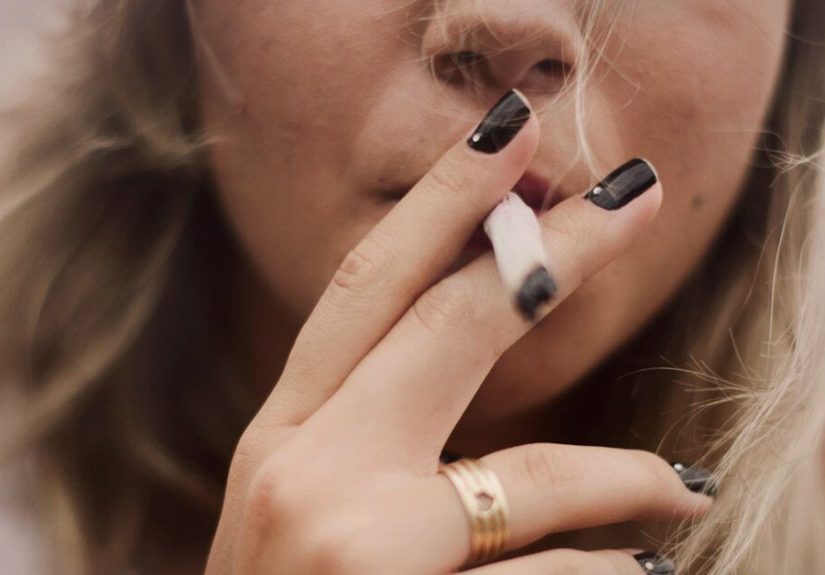
Can you donate blood if you smoke weed?
In many cases, yes. Major U.S. blood organizations state that cannabis use does not automatically disqualify you from donating blood.
The key condition is your ability to understand the questionnaire, give informed consent, and follow instructions.
In other words: don’t show up high.
Do blood centers test donations for THC?
Some donor organizations clearly state they do not routinely test donated blood for THC.
The purpose of donor testing is to screen for transfusion-transmitted infections and ensure blood safetynot to run a surprise drug panel.
The practical takeaway is still the same: be honest in the donor interview and show up unimpaired.
How long do you need to wait after using cannabis?
Here’s where people want a magic number (“Tell me the exact hours so I can set an alarm labeled ‘Stop Being High’”).
Many donor resources emphasize there’s no definitive data-based waiting period that applies to everyone.
Instead, the standard is functional: if cannabis use is impairing your memory, comprehension, or coordination, do not donate that day.
If you feel fully normalclear-headed, hydrated, steadythen you’re much more likely to be eligible.
Edibles, dabs, delta-8, CBD: does the form matter?
The form matters mostly because it affects duration and intensity. Edibles can last longer, concentrates can hit harder,
and hemp-derived cannabinoids can still cause impairment in some people. Donation staff won’t evaluate your product label like a sommelier.
They’ll evaluate you: are you alert, coherent, and safe to donate?
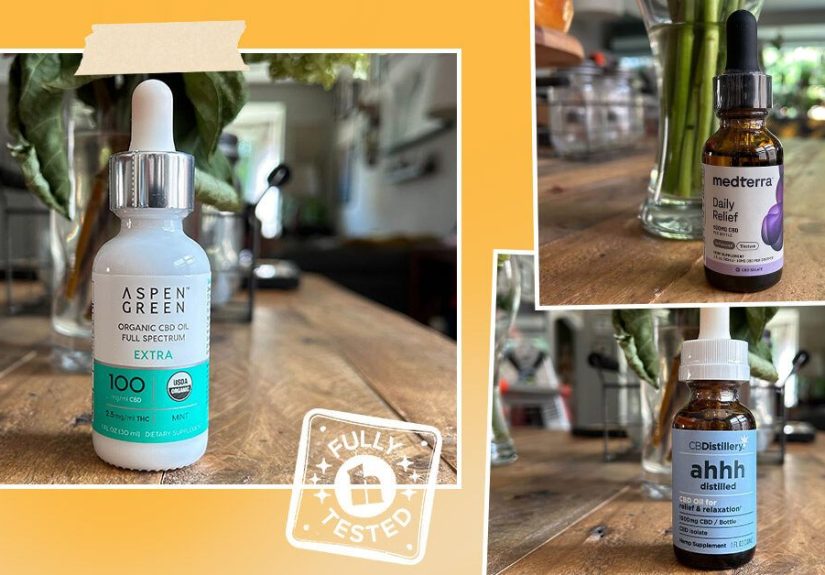
If you use CBD with no impairment, it’s less likely to be an issue. But if you take any cannabis product for a medical reason,
the condition being treated (and any other medications) may matter more than the cannabis itself. If you’re unsure, call the centerquickly, politely,
and without providing your entire playlist history.
“Smoking” Isn’t One Thing: Cigars, Hookah, Vapes, and Friends
Donation screening doesn’t usually separate “cigarettes vs. vape vs. cigar” as different moral categories.
What changes is how your body responds. Some people get a blood pressure bump from nicotine; some get dehydrated from a late-night hookah lounge;
some cough after vaping and realize lying still for 10 minutes might be… ambitious.
The healthiest approach is to treat donation day like a mini athletic event: arrive hydrated, fed, and stable.
What Actually Disqualifies People (And Gets Mistaken for “Smoking Rules”)
A lot of “I can’t donate because I smoke” is really “I can’t donate because of something else.”
Common reasons for deferral include:
1) Being impaired at the appointment
Many blood centers explicitly state donors cannot be under the influence of alcohol, cannabis, or other drugs during the donation visit.
If you appear noticeably impaired, you may be asked to come back another day. This protects your safety and ensures informed consent.
2) Vitals or hemoglobin that don’t pass screening
Donation staff check your blood pressure, pulse, and hemoglobin/hematocrit. Smoking is associated with changes in blood markers,
including hemoglobin and certain blood cell counts, but that doesn’t mean “smokers can’t donate.”
It means your numbers might be differentand the screening is there to confirm you’re safe to donate that day.
3) Certain infection-risk factors and medical history
Blood establishments must determine donor eligibility and protect the blood supply through screening and testing.
That includes questions about behaviors or exposures that increase risk of transfusion-transmitted infections, plus certain medical conditions and travel.
(Translation: the questionnaire isn’t trying to be nosy; it’s trying to keep someone else’s hospital day from getting worse.)
4) Injected non-prescribed drug use
This one is important: policies often draw a sharp line around injection drug use because of infection risk.
If this applies to you, talk with the donation center directly about eligibility.
Your Donation-Day Game Plan (Smokers and Cannabis Users Included)
- Hydrate early: Start drinking water before you arrive (not “chug in the parking lot like it’s a sport”).
- Eat a real meal: Protein + carbs works well. Donating on an empty stomach is a classic villain origin story.
- Skip the last-minute smoke: Give your vitals a chance to be calm at screening.
- Show up sober and clear-headed: If you feel impaired, reschedule. The blood will still be needed tomorrow.
- Afterward: snack + sit + hydrate: Keep the bandage on, take the rest time seriously, and avoid nicotine immediately after.
- If you feel dizzy: Sit or lie down, tell staff, and don’t try to “walk it off” like you’re in a movie montage.
FAQ: The Stuff People Whisper at the Snack Table
“Can a transfusion recipient fail a drug test because of my blood?”
Donor organizations addressing cannabis commonly state that recipients will not fail a drug test from receiving blood from a cannabis user.
Transfusions are not a realistic route to delivering enough THC to trigger a positive test. The bigger concern is always infection screening and compatibility.
“Will I get in trouble if I admit I used cannabis?”
The donor interview is a medical screening process. The goal is to ensure safety, not to hand out life lessons.
Be honest. If your answers or your appearance suggest impairment, you may be deferred for that day.
“Can I donate plasma or platelets if I smoke?”
Many of the same principles apply: you generally can donate if you meet eligibility requirements and are not impaired.
Some plasma/platelet programs may recommend an abstinence window mainly to ensure you’re fully alert and can follow instructions.
When in doubt, follow your local center’s guidancethey set the final rules for your appointment.
“I smoked right before coming. If I feel fine, can I still donate?”
Maybe, but you’re rolling dice you don’t need to roll. Nicotine can elevate blood pressure, and cannabis can impair coordination and judgment.
If screening numbers come back high or staff suspect impairment, you may be deferred. A reschedule is better than a fainting episode.
Real-World Experiences (Composite Stories From Common Donor Situations)
Below are composite, typical scenarios that reflect what donation staff and repeat donors often describenot individual, identifiable people.
Think of these as “most-likely plotlines,” with a happy ending involving juice boxes.
1) The “I Vape, Therefore I Wait” Moment:
Alex is a regular vaper who decides to donate blood after lunch. On the drive over, Alex takes a few big hitsnothing unusual.
At check-in, the blood pressure cuff delivers the rude news: the numbers are higher than usual. The staff member is kind, professional,
and completely unimpressed by Alex’s explanation that the cuff is “just anxious.” Alex gets deferred for the day.
Two weeks later, Alex tries againbut this time skips vaping for a while beforehand, drinks extra water, and arrives calmer.
Blood pressure passes, the donation goes smoothly, and Alex learns the surprisingly powerful health strategy of
“don’t do the thing that spikes your vitals right before the vitals test.”
2) The “Edible Timeline Math” Lesson:
Sam uses cannabis occasionally and prefers edibles. Sam books a morning donation appointment, then remembers a late-night gummy from the previous evening.
The next morning, Sam feels a little foggynothing dramatic, but not exactly “I’m ready to fill out medical forms with laser focus.”
Sam does the responsible thing and reschedules. The second attempt is a week later: no cannabis the night before, good sleep, breakfast eaten,
water bottle finished. Sam is fully alert, answers the screening questions confidently, and donates without problems.
The takeaway isn’t “edibles disqualify you.” The takeaway is “don’t donate when your brain is buffering.”
3) The “Post-Donation Cigarette Regret” Story:
Taylor donates, feels proud, grabs the snack, and then steps outside to smoke immediately afterward.
Within minutes, Taylor feels lightheaded and a little nauseatedlike the world is gently tilting for dramatic effect.
Taylor sits back down, tells staff, and gets monitored until the dizziness passes. Next time, Taylor waits longer, hydrates more,
and treats the post-donation period like recovery time instead of a victory lap. Taylor still smokesjust not right after donating.
Pride remains intact. The body appreciates the delay.
4) The “Nicotine Patch, No ProblemUntil Coffee” Combo:
Jordan uses a nicotine patch while trying to cut back on cigarettes. On donation day, Jordan keeps the patch on and drinks a large coffee,
then shows up slightly jittery. The screening pulse is high, and staff ask Jordan to rest and recheck.
After a few minutes of sitting quietly, breathing slowly, and accepting that the coffee did not, in fact, need to be “large,”
the pulse drops into range and Jordan donates successfully. Jordan’s note for next time:
keep the patch if it helps, but maybe don’t pair it with caffeine like you’re assembling a “fast heartbeat” starter kit.
5) The “I Thought They’d Test for Weed” Misconception:
Morgan wants to donate but worries the blood center will test for THC and “find out.”
Morgan reads the center’s public guidance and learns the testing focus is on infections and blood safetynot THC.
Morgan shows up sober, donates, and realizes the staff are mostly thinking about
hemoglobin numbers, hydration, and whether Morgan wants a cookienot about judging Morgan’s Saturday night.
Moral of the story: the donation center isn’t your parole officer; it’s your community’s emergency backup plan.
Conclusion
So, can you donate blood if you smoke? In most cases, yesincluding nicotine and cannabisas long as you’re eligible and unimpaired.
The smartest move is to arrive hydrated and fed, avoid smoking right before and right after donation, and never show up high or otherwise impaired.
If you’re unsure about your specific situation (especially if cannabis is used for a medical condition or you’re on multiple medications),
your local donation center can clarify the rules quickly. Your future selfand someone else’s hospital daywill thank you.