Table of Contents >> Show >> Hide
- Why Bagged Lettuce Keeps Showing Up in Recall Headlines
- What a “Recall” Actually Means (and Why You Should Care)
- How to Tell If Your Bagged Lettuce Is Part of the Recall
- Do This Right Now: The 15-Minute “Crisper Check” Drill
- If You Already Ate the Lettuce: Symptoms to Watch For
- What We’ve Learned From Past Romaine and Salad Investigations
- How to Buy and Store Bagged Greens More Safely (Without Giving Up Salad Forever)
- Bottom Line: Your Crisper Doesn’t Need Drama
- Kitchen Experiences & Lessons From “Bagged Lettuce Recall” Reality (Extra)
Your crisper drawer has two jobs: (1) keep vegetables crisp and (2) quietly judge you for buying “spring mix”
and then forgetting it exists. But every so often, the crisper gets promoted from “produce spa” to “possible evidence locker”
because a bagged lettuce recall hits the news.
If you’ve ever wondered why leafy greens keep starring in food-safety headlines, you’re not aloneand you’re not doomed to a life without salads.
This guide breaks down what a bagged lettuce recall really means, how to tell whether your salad is involved, what to do if you already ate it,
and how to lower your risk the next time you’re tempted by a “ready-to-eat” bag that promises health and delivers… anxiety.
Why Bagged Lettuce Keeps Showing Up in Recall Headlines
Leafy greens are healthy, affordable, andunfortunatelyoften eaten raw. That last part matters. Cooking is a safety “reset button” for many germs,
but salads don’t get the heat treatment. When contamination happens anywhere between field and fork, your romaine can’t exactly “walk it off.”
Raw + moist + shared processing = higher risk
Bagged lettuce is typically chopped, washed, spun, and packaged at high speed. Those steps are designed for freshness and convenience,
but they also mean lots of leaves mingle together. If one batch comes in with contamination, a big processing run can spread it across many bags.
Add moisture (greens are basically hydrated paper) and you’ve got conditions that can help certain bacteria hang around longer.
Refrigeration slows bacteriait doesn’t erase them
Your fridge is not a magical germ-banishing cavern. Cold temperatures slow many microbes, but somelike Listeria monocytogenescan survive
and even grow in the refrigerator. That’s one reason public-health guidance often emphasizes cleaning your fridge and any containers that touched recalled food.
Sometimes the lettuce isn’t the “main suspect”
Here’s a plot twist: many salad-related recalls involve salad kits where the issue is a component (like cheese, dressing, or toppings),
not the greens themselves. But the consumer experience is the same: you open your fridge and wonder if your lunch is about to file a complaint with your stomach.
In recent years, some salad-kit recalls have been triggered by potential cross-contamination tied to ingredients such as cheese, prompting voluntary recalls by major producers.
What a “Recall” Actually Means (and Why You Should Care)
A recall is a company’s action to remove a product from the market (or correct it) because it may be unsafe or mislabeled.
Many recalls are voluntary, often prompted by testing, supplier notifications, or public-health investigations.
Recall classes: not a grading curve you want to ace
Agencies classify recalls based on potential health risk. You’ll sometimes see language like “Class I” (most serious) through “Class III” (least serious).
If your recalled bagged salad is classified as higher risk, the right move is the same: don’t eat it, and keep it from contaminating other foods.
Recalls vs. public health advisories
Not every lettuce safety event is a recall. Sometimes investigators can’t narrow the issue to a single brand quickly enough,
so agencies issue a public health advisory (the food-safety equivalent of “avoid this area until further notice”).
The classic example: multi-state E. coli investigations tied to romaine where consumers were told not to eat certain types of romaineor, at times, any romaine at alluntil tracebacks improved.
How to Tell If Your Bagged Lettuce Is Part of the Recall
Let’s get practical. When the headline says “bagged lettuce recalled”, your goal is to confirm whether your bag matches
the specific product details in the recall notice.
Step 1: Find the “who, what, and when” on the package
- Brand and product name (e.g., “romaine hearts,” “chopped Caesar,” “spring mix”).
- Package size (ounces/grams matter more than you’d think).
- Use-by / best-by date (many recalls list a date range).
- Lot code / product code (often printed near the top seam or on the back).
- UPC (sometimes included in recall details, especially for retail products).
Step 2: Don’t guessmatch the recall details exactly
A recall notice may be narrow (“only these specific dates and codes”) or broad (“all items produced at a facility during a time window”).
If your package matches the listed identifiers, treat it as recalledeven if it looks fresh enough to audition for a salad commercial.
Step 3: If you tossed the bag already, use your “receipt memory”
If the packaging is gone (we’ve all been there), try these clues:
- Purchase window: When did you buy it? Most bags have short shelf lives, which can help you narrow the risk.
- Store + brand combo: Private-label salad mixes may be tied to specific suppliers.
- Photos: If you’re a “photograph my groceries” person (no judgment), the bag might be in your camera roll.
Do This Right Now: The 15-Minute “Crisper Check” Drill
If you suspect your greens are part of a bagged lettuce recall, act like you’re defusing a tiny, leafy device.
Calm. Efficient. No snacking “just to see.”
1) Quarantine the product
- Do not taste it “to check.” Foodborne pathogens do not announce themselves via flavor notes.
- Seal it in a bag before throwing it away (or follow refund/return instructions if applicable).
- Keep it away from other foods while you handle itespecially ready-to-eat items like fruit, deli foods, and leftovers.
2) Clean the fridge like it owes you money
Recalls often recommend cleaning because bacteria can spread to shelves, drawers, and containers. A solid approach:
- Remove recalled items and anything that touched them.
- Empty the affected area (often the crisper drawer and nearby shelves).
- Wash removable parts with hot, soapy water; dry thoroughly.
- Clean interior surfaces, then sanitize if recommended (follow safe dilution and label directions).
- Wash your hands and any tools used (salad spinner, tongs, cutting boards, reusable produce containers).
3) Prevent cross-contamination in the sink
Here’s the irony: “re-washing” pre-washed greens can sometimes increase risk if your sink, hands, or utensils aren’t clean.
If your bag says “ready-to-eat,” it’s typically meant to be eaten without additional washingunless the package specifically instructs otherwise.
If You Already Ate the Lettuce: Symptoms to Watch For
Most people who eat recalled foods do not automatically get sick. But it’s smart to know what to watch forespecially if you’re in a higher-risk group
(pregnant, older adult, immunocompromised, or caring for young children).
Common culprits in leafy-green events
- E. coli (especially STEC) can cause severe stomach cramps and diarrhea that may become bloody. In some cases, it can lead to hemolytic uremic syndrome (HUS), a serious complication that affects the kidneys.
- Listeria can cause fever and flu-like symptoms; pregnancy-related infections can be mild for the parent but dangerous for the pregnancy or newborn.
- Salmonella often causes diarrhea, fever, and abdominal cramps.
When to call a healthcare provider
Seek medical advice promptly if you have severe symptoms (like bloody diarrhea, signs of dehydration, high fever, symptoms lasting more than a couple of days),
or if you’re pregnant and develop fever or flu-like symptoms after eating a recalled product. If you believe you have symptoms of foodborne illness,
medical care can help with testing and next steps.
What We’ve Learned From Past Romaine and Salad Investigations
Lettuce safety has improved in many waysbetter testing, better tracebacks, better farm practicesbut leafy greens remain a persistent challenge.
Past investigations have shown how hard it can be to pinpoint the exact source quickly when greens move through complex supply chains.
The “don’t eat any romaine” moments
There have been times when public-health agencies advised consumers to avoid romaine broadly because the growing region or supply chain couldn’t be narrowed fast enough.
Those advisories weren’t overreactionsthey reflected uncertainty and the need to give consumers actionable guidance while investigators worked the problem.
Transparency debates are part of the story
More recently, reporting has highlighted debates around how quickly (and how specifically) outbreak details should be shared with the public,
especially when investigators believe the product is no longer on shelves. The takeaway for consumers: don’t rely solely on one headline.
It’s worth checking official recall and advisory pages when you see “bagged lettuce recalled” trending.
How to Buy and Store Bagged Greens More Safely (Without Giving Up Salad Forever)
You don’t need to break up with bagged salad, but you may want to renegotiate terms. Think of this as a healthier relationship with leafy greens:
fewer surprises, better communication, and less “mystery moisture” in the bottom of the bag.
At the store
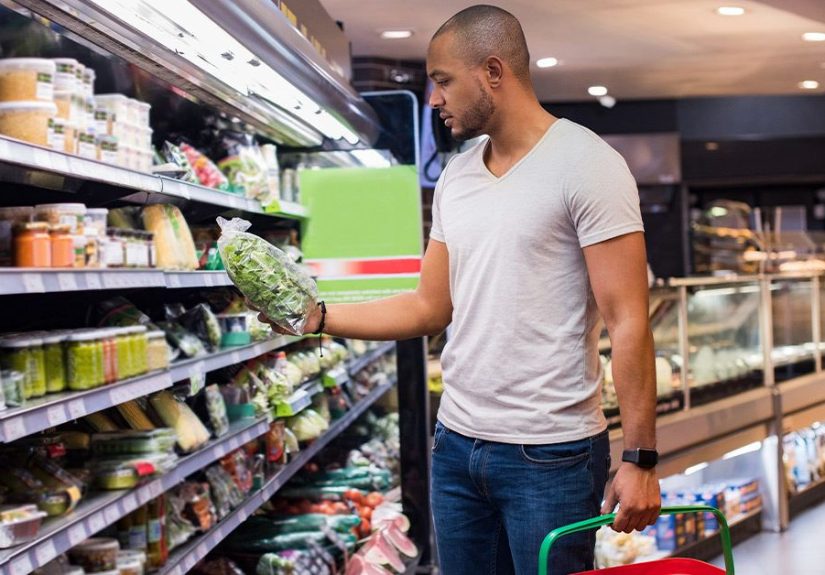
- Check the date and choose the freshest package you’ll realistically use.
- Inspect the bag: avoid torn packaging, excessive liquid, slime, or heavy wilting.
- Buy it last so it stays colder on the way home.
At home
- Refrigerate promptly and keep greens cold (but remember: cold slows germs; it doesn’t eliminate them).
- Store smart: keep bagged salad away from raw meat, poultry, and seafood to avoid drips and cross-contamination.
- Use clean hands and tools when handling ready-to-eat greens.
- Consider cooking leafy greens sometimes (sauté, soup, stir-fry) if you want an extra margin of safety.
Keep up with recall alerts without doomscrolling
A simple habit: when you buy bagged salad, take five seconds to glance at the lot/date area. If a recall hits, those tiny printed codes turn from “invisible ink”
into the fastest way to know whether you’re affected.
Bottom Line: Your Crisper Doesn’t Need Drama
A bagged lettuce recall is inconvenient, but it’s also a sign the safety net is workingtesting, reporting, and quick removal can prevent illnesses.
The smartest response is boring (and boring is good): check the package codes, toss or return recalled products, clean any surfaces that may have been contaminated,
and monitor for symptoms if you already ate it.
Salads can still be part of your life. Just make them the kind of relationship where you check in occasionally, communicate clearly,
and don’t ignore red flagsespecially the ones that come in official recall notices.
Kitchen Experiences & Lessons From “Bagged Lettuce Recall” Reality (Extra)
If you’ve ever lived through a bagged lettuce recall, you know it’s rarely a calm, documentary-style moment where everyone behaves sensibly.
It’s more like a sitcom cold open: you open the fridge, spot the salad, remember a headline, and suddenly you’re squinting at tiny printed codes
like you’re decoding a spy message. Here are a few common “real kitchen” scenarios and what they teach uswithout pretending anyone’s home is a sterile laboratory.
The “I already ate two bowls” panic
This is the classic: you eat salad Monday, see recall news Tuesday, and spend Wednesday Googling “how long does E. coli take” while dramatically
sipping water like it’s an antidote. The practical lesson is that symptoms depend on the pathogen and the person, and many people won’t get sick.
But it’s worth knowing the red-flag symptoms (like bloody diarrhea, dehydration, or fever that won’t quit) so your next step is rational:
call a healthcare provider if symptoms are severe, persistent, or you’re in a higher-risk group. The emotional lesson: you’re not “overreacting” for paying attention.
You’re doing what public-health messaging is designed to sparksmart awareness, not chaos.
The “I dumped the bag into a container” mystery
Meal-preppers are efficient… until traceability becomes personal. If you transferred greens into a container and tossed the bag,
you’ve basically cut the recall notice’s brake line. The fix for next time is simple: keep the bag (or snap a quick photo of the lot code and date)
until you finish the greens. People who do this once often become lifelong “photo-the-code” converts because it turns a stressful guess into a quick yes/no check.
Also: if you’re storing greens loose, label the container with the use-by date so future-you doesn’t have to play refrigerator detective.
The “I rinsed it again to be safe” backfire
Plenty of folks re-wash pre-washed greens because it feels safer. Then they realize their sink isn’t exactly a surgical suite.
The best takeaway isn’t shameit’s process. If the package says “ready-to-eat,” extra washing may not help and can introduce new contamination if your sink,
hands, sponge, or colander isn’t clean. If you still choose to rinse, do it with intention: clean sink, clean hands, clean tools, and keep raw meat far away.
Food safety is less about one magical step and more about reducing risk across many small habits.
The “I cleaned the fridge… but forgot the drawer tracks” surprise
People often clean the shelf and call it a day, then discover the crisper drawer tracksthose crumb-catching railslater.
A thorough clean means removing drawers and washing all removable parts, wiping the interior walls, and cleaning the spots where juices or condensation collect.
It sounds tedious, but it’s usually a one-time deep-clean that makes future maintenance easier. Many households turn this into a “recall reset” routine:
toss recalled items, wipe down, sanitize if recommended, wash reusable containers, and replace the questionable sponge while you’re at it.
(The sponge always knows too much.)
The “I’m done with bagged salad forever” vow… that fades by Friday
After a recall, it’s common to swear off bagged greens entirelyuntil the next busy week hits and convenience wins.
A more sustainable approach is to choose your comfort level. Some people switch to whole heads of lettuce and wash at home.
Others keep buying bagged salad but become pickier: freshest dates, intact packaging, no pooling liquid, and faster turnover at home.
Some compromise by cooking leafy greens more often (warm salads, soups, sautéed spinach) while still enjoying raw salads occasionally.
The goal isn’t perfection; it’s making choices that fit your life while lowering risk.
In the end, a bagged lettuce recall is an annoying reminder that food safety is a team sportfarm practices, processing controls, cold chain management,
and consumer handling all matter. Your part is small but powerful: check the codes, store greens properly, avoid cross-contamination, and clean thoroughly when needed.
And yes, you’re allowed to feel personally betrayed by a salad. Just don’t take it out on the crisper drawer. It’s been through enough.