Table of Contents >> Show >> Hide
- What Is Chia Seed Water, Exactly?
- Quick Nutrition Snapshot: Small Seeds, Big Fiber
- Benefits of Chia Seed Water
- Side Effects and Risks of Chia Seed Water
- Who Should Be Cautious (or Skip It)
- How to Make Chia Seed Water (The Non-Gloopy Way)
- How Much Chia Seed Water Should You Drink?
- Myths vs. Reality
- FAQ: Quick Answers
- Conclusion: The Smart Way to Use Chia Seed Water
- Real-World Experiences (500+ Words): What People Often Notice With Chia Seed Water
- Experience #1: “I tried it for constipation… and wow, that worked.”
- Experience #2: “It kept me from snacking… kind of.”
- Experience #3: “I loved it… until my stomach staged a protest.”
- Experience #4: “It helped me drink more waterbecause plain water is boring.”
- Experience #5: “I’m on meds, and I learned to be careful.”
Chia seed water is the internet’s favorite “tiny thing in a glass” trend: add chia seeds to water, wait for the seeds to puff into little gelatinous pearls, then sip. It looks like a science experiment, drinks like a smoothie’s shy cousin, andyescan be genuinely useful… if you understand what it does (and what it absolutely does not do).
Dietitians tend to describe chia seed water as a fiber-forward hydration helpernot a detox miracle, not an instant weight-loss hack, and not a substitute for vegetables, sleep, or the concept of lunch. Let’s break down the benefits, the side effects, who should be cautious, and how to make it so you don’t accidentally invent “portable concrete.”
What Is Chia Seed Water, Exactly?
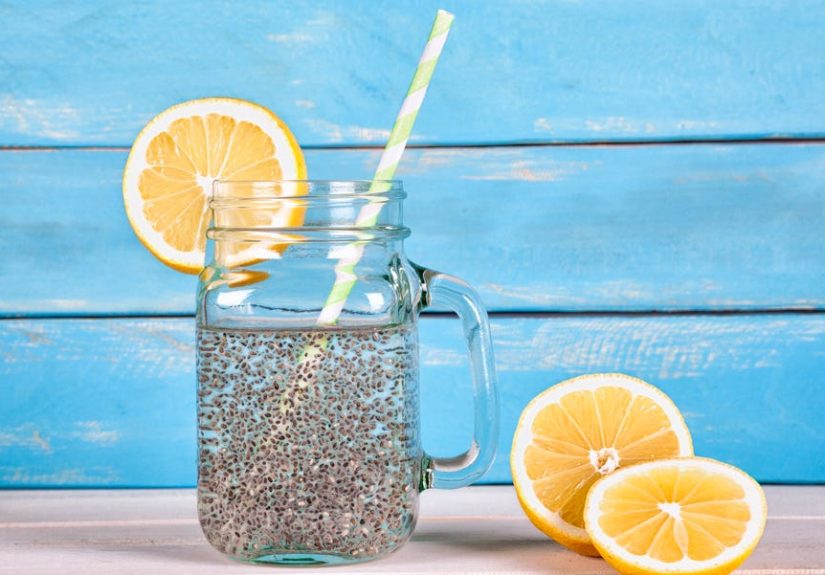
Chia seed water is simply chia seeds soaked in water (often with lemon or other flavoring) until they form a gel-like coating. This gel happens because chia seeds contain soluble fiber and mucilagecompounds that absorb liquid and thicken the mixture. The result: a drink with more “chew” than plain water and more staying power than a typical flavored beverage.
Quick Nutrition Snapshot: Small Seeds, Big Fiber
Chia seeds are famous for being tiny nutritional overachievers. In a typical serving size (often 1–2 tablespoons), you’ll get:
- Lots of fiber (a major reason people try chia water)
- Plant-based omega-3s (ALA)
- Some protein
- Minerals like calcium, magnesium, and phosphorus
Translation: chia seed water can be a smart way to add fiber to a low-fiber dietespecially if your usual beverage lineup is coffee, coffee, and “sparkling anxiety.”
Benefits of Chia Seed Water
1) More “Regular” Regularity (Digestive Support)
Most people try chia seed water for one reason: bathroom peace. The combination of soluble and insoluble fiber can help support bowel regularity by adding bulk and softening stool (when paired with enough fluids). The gel-like texture may also feel soothing for some people who are prone to constipation.
Real-life example: If you routinely fall short on fibersay you’re living on bagels, chicken tenders, and vibesadding chia water a few times per week can help you inch toward daily fiber targets. It’s not glamorous, but neither is spending 20 minutes negotiating with your intestines.
2) Feeling Fuller Longer (Satiety Support)
Chia absorbs water and expands, which can increase the sense of fullness. That doesn’t mean it “melts fat,” but it can help with appetite management when used strategicallylike having chia water mid-morning or before a meal when you’re prone to mindless snacking.
Important nuance: Feeling full is helpful only if the rest of your day still includes adequate protein, produce, and calories. Otherwise you risk the “I drank chia water and forgot to eat, then I met a donut and blacked out” phenomenon.
3) Heart-Friendly Nutrients (But Not a Magic Shield)
Chia seeds provide ALA (a plant omega-3), fiber, and antioxidantsnutrients associated with heart health patterns. Some research suggests chia supplementation may modestly support blood pressure in certain groups, but results vary and the overall effect is usually small to moderate, not superhero-level.
Practical takeaway: Think of chia seed water as a supporting actor in a heart-healthy diet. The lead roles are still: vegetables, fruits, whole grains, beans, nuts, fish (if you eat it), less ultra-processed food, movement, and not being allergic to sleep.
4) Gentler Blood Sugar Curves (Especially With Meals)
Fiber can slow digestion and help reduce post-meal glucose spikes. Chia seed water consumed with or alongside a meal may help make that meal’s carbohydrate impact a bit smootherparticularly if the meal is otherwise low in fiber.
Reality check: Studies on chia and long-term glycemic markers show mixed results. Chia is not a replacement for diabetes medication or medical nutrition therapy. But as a fiber tool, it can be part of a blood-sugar-friendly pattern.
5) Hydration With a “Bonus” (If You Actually Drink It)
Chia seed water is still water-based, so it contributes to hydration. Some people find the texture makes them sip more slowly, while others find it more enjoyable than plain watermeaning they may drink more overall. If it helps you hydrate consistently, that’s a win.
But: Chia seed water isn’t “more hydrating than water” in a special physiological way. It’s helpful because it can make hydration easier for you.
Side Effects and Risks of Chia Seed Water
1) Bloating, Gas, and “Why Is My Belly Playing the Tuba?”
Chia is high in fiber. If you jump from low fiber to high fiber overnight, your gut bacteria will throw a partyand parties involve gas. Common side effects include bloating, cramping, and changes in stool.
How to prevent it: Start small (like 1 teaspoon), increase gradually, and make sure your overall fluid intake is solid. Fiber without fluids is like adding sponges to a traffic jam.
2) Choking or Obstruction Risk (Yes, Really)
Dry chia seeds can expand dramatically when exposed to liquid. If someone swallows dry chia seeds and then drinks water, the seeds can expand after swallowing, which may increase choking riskespecially for kids or anyone with swallowing issues.
Bottom line: Always soak chia seeds before drinking. And if you have a history of swallowing problems, esophageal strictures, or conditions affecting swallowing, chia seed water may not be a good idea without medical guidance.
3) Medication Considerations (Talk to Your Clinician If This Is You)
Because chia is fiber-rich and may modestly influence blood sugar or blood pressure in some people, it could interact with:
- Diabetes medications (risk of low blood sugar if combined with other changes)
- Blood pressure medications (if you’re sensitive to changes)
- Anticoagulant/antiplatelet therapy (chia contains ALA; discuss with your clinician if you’re on blood thinners)
This doesn’t mean chia is “dangerous.” It means if you’re actively managing a condition with medication, it’s smart to keep your care team in the loop before you dramatically change fiber intake.
4) Allergy (Uncommon, But Possible)
Seed allergies exist. If you experience hives, swelling, itching, wheezing, or GI distress beyond mild bloating, stop and seek medical adviceimmediately for any breathing trouble.
5) Food Safety: Contamination and Storage
Like many foods, chia seeds can be subject to recalls. Store seeds in a cool, dry place, keep containers sealed, and pay attention to recall notices. If you’re making chia water ahead of time, refrigerate it and use it within a day or two for best quality.
Who Should Be Cautious (or Skip It)
- People with swallowing disorders or esophageal narrowing/strictures
- Young children (choking riskuse extra caution and consider other fiber sources)
- Anyone with a history of bowel obstruction or severe GI motility disorders (get medical guidance)
- People on blood thinners, diabetes meds, or blood pressure meds who are making major diet changes
How to Make Chia Seed Water (The Non-Gloopy Way)
Basic Chia Seed Water Recipe
- Add 1 teaspoon to 1 tablespoon chia seeds to 12–16 oz water.
- Stir well (seriouslystir like you mean it).
- Wait 10–15 minutes, then stir again to break up clumps.
- Optional: add lemon juice, lime, a splash of 100% juice, or a pinch of cinnamon.
Texture Tips Dietitians Love
- Less slime: Use more water and fewer seeds, and stir twice.
- More pudding-like: Use 1 tablespoon seeds and let sit 20–30 minutes.
- Hate the texture? Blend it. You get fiber without the “tadpole boba” vibe.
How Much Chia Seed Water Should You Drink?
There’s no official “chia water dosage,” but a practical, dietitian-friendly approach is:
- Beginner: 1 teaspoon chia seeds in water, 3–4 times/week
- Comfortable: 1 tablespoon daily, if tolerated
- Upper end (for many people): 2 tablespoons/day total from all sources (water + food), building gradually
Most adults are advised to aim for roughly 21–38 grams of fiber/day depending on age and sex. Chia can help close the gap, but it shouldn’t be your only fiber source. A balanced gut likes variety: beans, oats, berries, veggies, nuts, and whole grains.
Myths vs. Reality
Myth: “Chia seed water detoxes your body.”
Reality: Your liver and kidneys already handle detoxification. Chia supports digestion and may help you feel fulleruseful, but not mystical.
Myth: “It guarantees weight loss.”
Reality: Chia can support satiety, but weight change depends on overall intake, activity, sleep, stress, and consistency. Chia is a tool, not a spell.
Myth: “More is always better.”
Reality: Too much fiber too fast can backfire. The best chia seed water benefits come from gradual, tolerable habits.
FAQ: Quick Answers
Can I drink chia seed water every day?
Many people canif they build up slowly, tolerate the fiber, and drink enough fluids. If you have GI issues or take medications that could be affected, check with a clinician.
Is chia seed water better in the morning or at night?
Choose what fits your routine. Morning can help some people with regularity; before meals may support satiety. Night is fine toojust don’t chug a giant fiber bomb if your stomach is sensitive.
Should I use hot or cold water?
Either works. Cold water is common. Warm water can thicken a little faster. Your preference wins.
Can I add chia to coffee?
You can, but test your tolerancecoffee plus fiber can be… motivational.
Conclusion: The Smart Way to Use Chia Seed Water
Chia seed water can be a simple, budget-friendly way to add fiber, support digestion, and make hydration more appealing. The key is using it like a dietitian would: start small, soak the seeds, hydrate well, and keep expectations realistic. If you treat it as a helpful habitnot a miracle cureyou’re far more likely to love the results (and your gut will probably stop writing angry emails).
Real-World Experiences (500+ Words): What People Often Notice With Chia Seed Water
Because chia seed water is so simple, people tend to run little “self-experiments” with it. And while everyone’s digestion and preferences differ, dietitians often hear a few repeating storylinesusually delivered with the emotional intensity of someone discussing a season finale.
Experience #1: “I tried it for constipation… and wow, that worked.”
A common first-week report goes like this: someone has been low on fiber for years (they know this because vegetables make rare cameo appearances in their meals), they start drinking chia seed water a few times per week, and within a couple of days they notice bowel movements become more predictable. The change isn’t always dramaticsometimes it’s just less straining, less “pebble situation,” or fewer days of feeling backed up.
But when it works, people feel oddly proudlike they’ve hacked adulthood. The biggest caveat is that the first few tries can come with bloating or extra gas, especially if the person jumps straight to a large serving. The “successful” version of this experience usually involves starting with 1 teaspoon, drinking plenty of water, and increasing slowly.
Experience #2: “It kept me from snacking… kind of.”
Some people notice chia seed water helps with that mid-morning snack spiral. You know the one: breakfast was hours ago, your brain is requesting something crunchy, and suddenly you’re negotiating with a family-sized bag of chips like it’s a coworker who owes you money.
When chia seed water is used as a planned “bridge” (like between breakfast and lunch), people may feel comfortably full longer. The texture plays a rolebecause it’s not just water, it can feel more satisfying. Still, the effect depends on the rest of the meal pattern. If breakfast was basically air (or a single granola bar), chia water can’t magically replace adequate protein and calories. In those cases, the smarter move is improving breakfast and using chia water as a bonus.
Experience #3: “I loved it… until my stomach staged a protest.”
Another very real experience is the fiber shockwave. Someone goes from maybe 10 grams of fiber per day to suddenly adding a heaping tablespoon or two of chia seedsdaily. Their gut responds like: “New management? Without notice?” Symptoms can include bloating, cramps, and gas that arrives with zero shame.
People who end up enjoying chia seed water long-term usually treat it like training for a 5K: you don’t sprint on day one. They scale up gradually, and they don’t forget the other half of the equationfluids. Fiber needs water to do its job comfortably.
Experience #4: “It helped me drink more waterbecause plain water is boring.”
This is an underrated win. Some people simply hydrate better when their drink has a little character. Chia seed water can feel like a gentle “functional beverage” without added sugar, and lemon or lime makes it more refreshing. When that leads to better hydration consistencyespecially for people who otherwise forget to drinkenergy and digestion may improve indirectly.
Experience #5: “I’m on meds, and I learned to be careful.”
People managing diabetes or blood pressure sometimes add chia water because they’ve heard it’s “good for blood sugar” or “good for the heart.” The best outcomes tend to happen when they use it as part of a broader planfiber at meals, balanced carbs, regular activityand they monitor how they feel. If medications are involved, dietitians often recommend discussing big fiber changes with a clinician and keeping an eye on readings, especially at the start.
The pattern across experiences: chia seed water is most helpful when it’s treated as a small, consistent habitnot a dramatic cleanse, not a dare, and definitely not a replacement for a balanced diet.