Table of Contents >> Show >> Hide
- Why This Recipe Works (A Quick, Nerdy Love Letter)
- What Kind of Couscous Should You Use?
- Recipe: Chicken Thighs With Couscous and Olives
- Serving Ideas That Make It Feel Like a Full Feast
- Storage, Reheating, and Leftover Magic
- Troubleshooting (Because Real Life Happens)
- of Real-Life “I’ve Made This and Learned Things” Experience
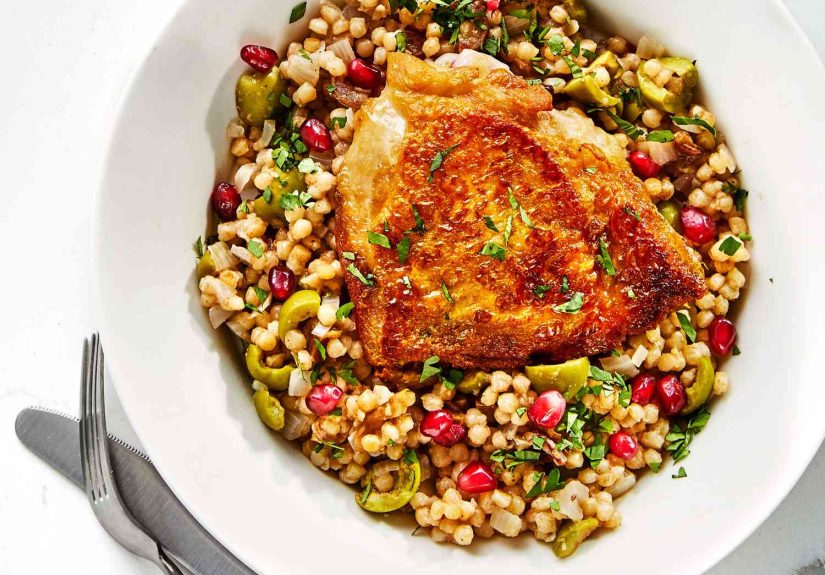
There are two kinds of weeknight dinners: the kind that tastes like you gave up, and the kind that tastes like you
have your life together (even if you absolutely do not). This Chicken Thighs With Couscous and Olives
recipe is firmly in the second category. It’s a one-skillet situation with crispy chicken skin, tender couscous that
soaks up all the good stuff, and briny olives that make everything taste like it belongs on a white plate in a
restaurant where the water is mysteriously “still or sparkling?”
The vibe is Mediterranean-meets-North-Africa: warm spices, savory chicken juices, sweet little pops from dates (optional
but wildly charming), and bright finishing touches like herbs and a squeeze of lemon. Best part? You cook the chicken,
the couscous, and the built-in “sauce” all in the same panso the sink stays calm and your dinner tastes dramatic.
Why This Recipe Works (A Quick, Nerdy Love Letter)
Chicken thighs are the MVP here because they’re naturally juicier than chicken breast and stay forgiving
even if your timer skills are… aspirational. When you brown thighs skin-side down, you render fat and build flavor.
That browning becomes the foundation for everything that follows.
Next, the couscous goes into the skillet to absorb the seasoned cooking liquid. Think of it like a very fast, very
cooperative sponge. The couscous picks up the savory chicken drippings, the aromatics, and the briny olive flavor,
turning a simple pantry staple into something that tastes planned.
Finally: texture. You get crisp chicken skin on top and tender couscous underneath. If you give the pan a quick broil at
the end, the skin goes from “nice” to “why is this so good?” in minutes.
What Kind of Couscous Should You Use?
This dish is especially great with Israeli (pearl) couscousit’s bigger, chewier, and holds up well when
cooked in a skillet with chicken. If you only have regular tiny couscous, you can still make it work, but you’ll adjust
the liquid and timing (see the swap notes below). Either way, read your package directions as a tie-breaker when brands
vary.
Recipe: Chicken Thighs With Couscous and Olives
Quick Snapshot
- Serves: 4 (hungry) or 5 (reasonable)
- Prep time: ~15 minutes
- Cook time: ~30 minutes
- Total time: ~45 minutes
- Skill level: Easy, with “look at me” results
Ingredients
- 6 bone-in, skin-on chicken thighs (about 5–6 ounces each)
- Kosher salt (about 1 1/2 teaspoons total, divided), plus more to taste
- Black pepper, to taste
- 1 cup uncooked Israeli (pearl) couscous
- 1 large shallot, finely chopped (or 1/2 small onion)
- 1/2 cup pitted olives, roughly chopped (Castelvetrano, Kalamata, or a mix)
- 1/4 cup chopped dried dates (optional but recommended for sweet-savory balance)
- 1 teaspoon ground cumin
- 1/4 teaspoon ground cinnamon (yes, really)
- 1 1/3 cups water or low-sodium chicken broth (plus a splash more if needed)
- 1/2 cup chopped fresh herbs (cilantro, parsley, or a mix)
- Lemon wedges, for serving
- Optional finishing flair: pomegranate seeds, toasted almonds, or crumbled feta
Equipment
- Large oven-safe skillet (12-inch is ideal; cast iron or heavy stainless works great)
- Aluminum foil (or a lid that fits tightly)
- Instant-read thermometer (strongly recommended)
Step-by-Step Instructions
-
Heat the oven. Preheat to 425°F. Position a rack in the upper third of the oven if you
plan to broil at the end. -
Season the chicken. Pat the thighs dry (this helps crisp the skin). Season the skin side with about
1/2 teaspoon kosher salt and a few cracks of black pepper. -
Brown the thighs for crispy skin. Place the thighs skin-side down in a large, dry skillet
(no oil neededthighs bring their own). Set over medium heat and cook without moving them until the skin
is crisp and golden, about 12–15 minutes.Tip: If the chicken starts to smoke aggressively, lower the heat a bit. You want steady rendering, not a skillet
sending out distress signals. -
Flip briefly, then remove. Turn the thighs over and cook for 1–2 minutes just to lightly
brown the other side. Transfer chicken to a plate, skin-side up. -
Manage the drippings. If there’s a lot of fat in the pan, carefully pour off most of it.
Leave about 1 tablespoon behind for flavor (or keep a little more if you like rich couscous). -
Build the couscous base. Add the couscous, chopped shallot, olives, dates (if using), cumin, cinnamon,
and the remaining salt to the skillet. Stir for about 30 seconds to toast the couscous and wake up the
spices. -
Add liquid and simmer. Pour in 1 1/3 cups water or broth and bring to a simmer. Scrape
up any browned bits from the bottom of the pan (that’s flavor, not “burnt,” unless it truly is burntbe honest). -
Nestle and bake. Place the chicken thighs back into the skillet, skin-side up, nestling
them into the couscous mixture. Cover the skillet tightly with foil (or a lid). Transfer to the oven and bake
15–20 minutes, until the couscous is tender and the chicken reaches a safe internal temperature. -
Check doneness the smart way. Use a thermometer in the thickest part of a thigh (avoid the bone).
The safe minimum is 165°F. For extra tenderness, many cooks prefer thighs closer to
175–185°Fdark meat gets silkier as collagen breaks down. -
Optional: broil for maximum crisp. Remove the foil. Switch the oven to broil and broil
the skillet for 2–5 minutes, watching closely, until the skin is deeply crisp and glorious. -
Finish and serve. Sprinkle with herbs, add any optional toppings (pomegranate seeds are a
“holiday dinner party” cheat code), and serve with lemon wedges for squeezing.
Flavor Variations (So You Don’t Get Bored)
- More Mediterranean: Use Kalamata olives, add lemon zest, and finish with parsley and feta.
-
More Moroccan-ish: Add a pinch of turmeric and ginger, swap dates for chopped dried apricots, and top with
toasted almonds. - Spicy-friendly: Stir in a pinch of red pepper flakes or a spoonful of mild harissa (check heat level).
-
Veg boost: Add chopped zucchini, cherry tomatoes, or a handful of baby spinach after baking (let it wilt
in the residual heat).
Easy Swaps (Including Tiny Couscous)
If you’re using regular small couscous instead of Israeli couscous, it cooks much faster and can turn
mushy if treated the same way. Two reliable options:
-
Option A (skillet method): Bake the chicken in the skillet with aromatics and liquid first. Then stir in
small couscous after the chicken is cooked, cover, and let it steam off-heat for about 5 minutes. -
Option B (separate pot): Cook small couscous separately (it’s quick!), then spoon the chicken and olive
mixture over the top.
Serving Ideas That Make It Feel Like a Full Feast
- Crisp salad: cucumber + tomato + red onion + lemon, because balance is beautiful.
- Roasted vegetables: carrots, cauliflower, or Brussels sprouts, especially if you want extra fiber.
- Yogurt sauce: plain Greek yogurt + lemon + grated garlic + salt (quick, cooling, and very fancy).
Storage, Reheating, and Leftover Magic
Store leftovers in an airtight container in the fridge for up to 3–4 days. Reheat gently so the couscous
doesn’t dry outadd a splash of water or broth and warm on the stove, covered, or in the microwave at medium power.
Leftover idea: shred the chicken, stir it into the couscous, and stuff it into a pita with greens and yogurt sauce.
Suddenly lunch feels expensive (in a good way).
Troubleshooting (Because Real Life Happens)
My couscous is dry. Help.
Stir in a few tablespoons of hot water or broth, cover, and let it sit for 3–5 minutes. Couscous is eager to rehydrate;
it just needs a little support.
My couscous is mushy.
This usually means too much liquid or overcooking. Next time, start with the lower end of the liquid range and check a
few minutes early. Also, small couscous needs a different method than Israeli couscous (see swaps).
My chicken skin isn’t crispy.
Two common culprits: the chicken wasn’t dried well before searing, or the heat was too low to properly render and brown.
The quick broil at the end fixes a lotjust watch it like a hawk.
of Real-Life “I’ve Made This and Learned Things” Experience
The first time you make Chicken Thighs With Couscous and Olives, you’ll probably underestimate how much the olives are
doing. They’re not just “a topping.” They’re the salty backbone that turns chicken-and-grain into something you’d
happily serve to people you want to impress (or to yourself on a Tuesday when you’re trying to feel like a functional
adult).
Here’s what tends to happen in a normal kitchen: you start browning the thighs and think, “This is taking forever.”
Thenalmost magicallythe skin releases from the pan and you realize the patience was the whole point. That golden skin
is the reward for not poking it every 30 seconds like a nervous squirrel. Once you’ve done it once, you’ll recognize the
sound and smell of “this is working.” It’s a quiet sizzle, not a raging fire alarm.
The couscous stage feels suspiciously simple: pour in grains, aromatics, spices, and liquid, then tuck the chicken back
in like you’re putting it to bed. This is where the dish earns its “one-pan wonder” title. The couscous absorbs the
seasoned liquid, but also the chicken flavor that drips down as it bakes. In other words, you’re not making couscous
with wateryou’re making couscous with context.
The fun part is how customizable it becomes after you’ve cooked it a couple times. One week you’ll use buttery green
olives and cilantro, and it’ll feel bright and fresh. Another week you’ll grab Kalamata olives and parsley, maybe add
lemon zest, and it suddenly leans more Greek. If you toss in dates, the sweet-salty contrast makes the whole skillet
taste more layered, like you planned it with a vision board.
Real talk: the “finishing touch” toppings are not mandatory, but they’re the difference between “nice dinner” and “wow,
who made this?” Pomegranate seeds add little bursts of brightness that cut through the richness. Toasted nuts add
crunch. A squeeze of lemon makes everything taste sharper and more alive. If you’re feeding picky eaters, you can serve
toppings on the side and let everyone customizelike a dinner bar, but without the vibe of a chain restaurant.
The biggest lesson? Use a thermometer. Chicken thighs are forgiving, but guessing doneness is how you end up cutting into
one, losing juices, and then staring into the pan like it betrayed you. Once you nail the timing in your own oven and
skillet, this recipe becomes one of those back-pocket meals that makes you feel like you’ve cracked the code: impressive,
low-stress, and oddly good at making a random weeknight feel like an occasion.