Table of Contents >> Show >> Hide
- What Makes a Facial Moisturizer “Healthy”?
- The Ingredients Worth Looking For
- Labels That Matter, and Labels That Love Drama
- How to Choose by Skin Type
- Texture Matters More Than People Think
- Ingredients and Add-Ons to Approach Carefully
- How to Use Your Moisturizer for Better Results
- A Smart Shopping Checklist
- Common Mistakes to Avoid
- Real-World Experiences With Choosing a Healthy Facial Moisturizer
- Conclusion
If your bathroom shelf looks like a skincare talent show, you are not alone. Facial moisturizers come in gels, creams, lotions, balms, “cloud creams,” “water creams,” and enough pastel packaging to make your sink look like a cupcake counter. But choosing a healthy facial moisturizer is not about buying the fanciest jar or the trendiest ingredient. It is about finding a product that helps your skin barrier stay calm, hydrated, and less likely to throw a tiny rebellion across your cheeks.
A good moisturizer should do two jobs well: pull water into the skin and help keep it there. That sounds simple, yet it gets complicated fast when you have oily skin, sensitive skin, acne-prone skin, rosacea, winter dryness, or the kind of face that becomes shiny at noon and flaky by dinner. The good news is that you do not need a chemistry degree or a luxury budget. You just need to know which ingredients matter, which labels deserve a raised eyebrow, and which texture fits your skin type.
What Makes a Facial Moisturizer “Healthy”?
A healthy facial moisturizer is one that supports the skin barrier instead of irritating it. In practical terms, that means it hydrates, reduces water loss, and does not pile on unnecessary triggers. Your skin barrier is the outer defense layer that helps keep moisture in and irritants out. When it is compromised, your face may feel tight, sting when you apply products, look dull, or swing between greasy and dehydrated like it cannot make up its mind.
The healthiest moisturizers usually rely on a smart combination of three types of ingredients. First are humectants, which attract water. These include glycerin and hyaluronic acid. Second are emollients, which smooth and soften the skin. Ceramides, squalane, fatty acids, and shea butter fall into this group. Third are occlusives, which help seal moisture in. Petrolatum and dimethicone are common examples. The best formulas often combine all three, because hydration without protection evaporates fast, and protection without enough water can leave skin feeling coated but not truly comfortable.
The Ingredients Worth Looking For
Ceramides
If moisturizers had a reliable best friend award, ceramides would win. These lipids are naturally found in the skin barrier, and they help hold skin cells together so moisture does not escape so easily. A ceramide-rich moisturizer is especially helpful if your face feels tight after cleansing, gets irritated easily, or reacts badly to weather changes, retinoids, or acne treatments.
Glycerin
Glycerin is one of the most underrated skincare ingredients because it is effective, inexpensive, and not trying to become an influencer. It attracts water to the skin and works well in lightweight formulas, which makes it a great pick for oily, acne-prone, and combination skin as well as dry skin.
Hyaluronic Acid
Hyaluronic acid is famous for a reason. It helps draw moisture into the skin and can make the face look fresher and less parched. It is often most satisfying when paired with barrier-supportive ingredients like ceramides or dimethicone, because it is not magic on its own. Think of it as a strong opening act, not the entire concert.
Petrolatum and Dimethicone
These ingredients help reduce water loss. Petrolatum is excellent for very dry or compromised skin, especially at night, though it can feel too heavy for some acne-prone faces. Dimethicone offers a smoother, lighter feel and is often easier to wear under makeup. If your skin is flaky, wind-chapped, or over-treated, these ingredients can be a relief.
Niacinamide and Colloidal Oatmeal
Niacinamide can help support the skin barrier and reduce the look of redness, while colloidal oatmeal is a classic choice for soothing dry, itchy, or reactive skin. Neither needs a dramatic spotlight. They just quietly do the work, which is exactly what many sensitive faces want.
Labels That Matter, and Labels That Love Drama
Fragrance-Free Beats Unscented
When you are choosing a healthy facial moisturizer, fragrance-free is usually the safer bet, especially for sensitive, rosacea-prone, or eczema-prone skin. “Unscented” sounds nice, but it can still include ingredients that mask or neutralize odor. In other words, the bottle may not smell like roses, but it can still behave like a troublemaker.
Noncomedogenic Is Helpful
If you are acne-prone, look for noncomedogenic on the label. It is not a legal promise that your pores will live happily ever after, but it is still a useful sign that the formula was designed with clogged pores in mind.
Hypoallergenic Is Not a Golden Ticket
This is where marketing gets a little cheeky. In the United States, the term hypoallergenic does not have a strict federal standard. That means it can be helpful as a clue, but it should never outweigh the actual ingredient list. A bland, fragrance-free moisturizer with a short, sensible formula is often a better choice than a flashy label making grand declarations.
How to Choose by Skin Type
Dry or Dehydrated Skin
If your skin feels tight after washing, looks flaky, or seems thirsty no matter what you do, choose a cream rather than a lightweight lotion. Look for ceramides, glycerin, hyaluronic acid, fatty acids, shea butter, or a small amount of petrolatum. Dry skin usually loves a richer texture, especially in cold weather or low-humidity climates. At night, a heavier cream or a thin layer of ointment over dry patches can help seal the deal.
Oily or Acne-Prone Skin
Yes, oily skin still needs moisturizer. Skipping it can push skin toward more irritation and, for some people, more visible oiliness. The trick is choosing a light, non-greasy formula such as a gel-cream or lightweight lotion. Look for glycerin, hyaluronic acid, niacinamide, and noncomedogenic labeling. If you break out easily, go easy on very heavy formulas made with petrolatum, cocoa butter, or coconut oil on the face. Also avoid harsh alcohol-heavy formulas that feel “drying” in a satisfying way for five minutes and then annoy your skin for the rest of the day.
Sensitive or Reactive Skin
Sensitive skin usually prefers boring products, and that is a compliment. Choose a moisturizer with a short ingredient list, no added fragrance, and no extra exfoliating acids or aggressive actives mixed into the formula. Ceramides, glycerin, colloidal oatmeal, squalane, and dimethicone are often solid choices. Essential oils, strong botanical fragrance, and highly perfumed formulas are the skincare equivalent of inviting chaos over for coffee.
Rosacea-Prone Skin
If your skin flushes, stings, or gets red easily, keep things especially gentle. A healthy facial moisturizer for rosacea-prone skin should be fragrance-free, soothing, and simple. For daytime, many people do well with a moisturizer or sunscreen that uses mineral filters like zinc oxide or titanium dioxide, which are often less irritating than some chemical sunscreen formulas.
Combination Skin
Combination skin requires a little diplomacy. A medium-weight lotion or gel-cream often works best. You can also use one all-over moisturizer and dab a richer cream on the dry zones only. Your forehead does not need the same speech your cheeks do.
Mature Skin
Mature skin often benefits from richer textures and barrier-friendly ingredients because skin tends to lose moisture more easily with age. A moisturizer with ceramides, glycerin, hyaluronic acid, squalane, and possibly antioxidants can help improve comfort and softness. If you use retinoids or exfoliating acids, prioritize barrier support and do not choose a moisturizer that tries to moonlight as an exfoliant too.
Texture Matters More Than People Think
Sometimes a moisturizer fails not because it is “bad,” but because its texture does not fit your skin or your routine.
- Gel: Best for oily skin, humid weather, or people who hate feeling product on their face.
- Lotion: Light and easy to spread, good for normal to combination skin.
- Cream: Richer and more protective, ideal for dry, sensitive, or mature skin.
- Ointment: The heaviest option, excellent for very dry patches or nighttime barrier repair.
If a moisturizer pills under makeup, feels greasy by lunch, or vanishes before your skin stops feeling tight, that is useful information. A healthy moisturizer is not just about ingredients on paper. It also has to be wearable enough that you will actually use it every day.
Ingredients and Add-Ons to Approach Carefully
Not every face needs to avoid the same things, but several features commonly cause trouble. Added fragrance is a big one. Essential oils may sound natural, but natural is not the same as gentle. Some alcohol-heavy formulas can sting or dry out sensitive skin. Overly complicated moisturizers packed with acids, retinoids, scrubs, or strong brightening agents can also backfire if your main goal is barrier repair.
Another common mistake is assuming expensive automatically means healthier. It does not. Plenty of well-formulated drugstore moisturizers do an excellent job because the most useful ingredients are not exotic. Ceramides and glycerin are not glamorous, but neither is a seat belt, and both do their job beautifully.
How to Use Your Moisturizer for Better Results
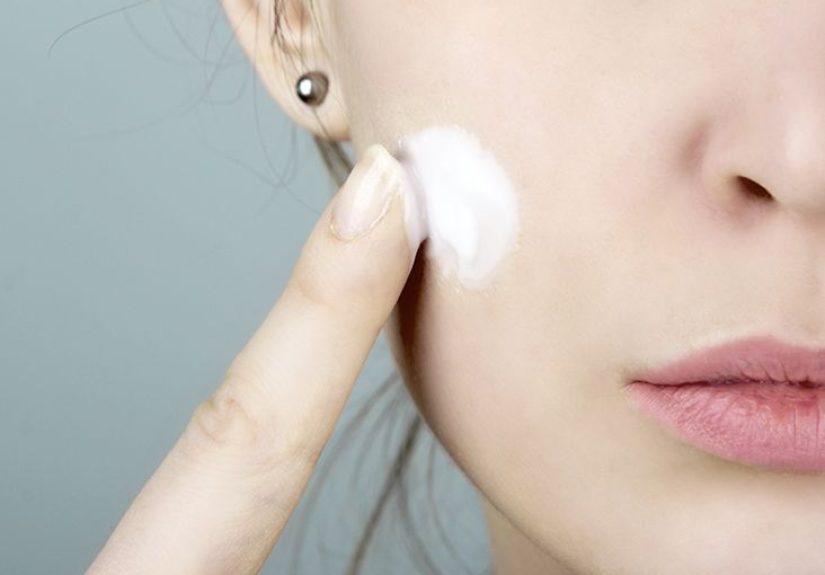
Application matters. A healthy facial moisturizer works best when applied to slightly damp skin, ideally within a few minutes of washing your face. That helps trap more water in the outer layer of the skin. Morning and night use is ideal for most people, though very oily skin may prefer a lighter layer in the morning and a slightly richer one at night.
In the daytime, a moisturizer with broad-spectrum SPF 30 or higher can be a practical option, especially if you want to keep your routine short. If your moisturizer does not contain sunscreen, apply a separate sunscreen after it. At night, skip the SPF and use a formula focused on hydration and barrier repair instead.
If your skin is easily irritated, patch test a new moisturizer on a small area for about a week before applying it all over your face. This step is not exciting, but neither is a surprise rash before brunch.
A Smart Shopping Checklist
Before you buy, ask these simple questions:
- Is it fragrance-free?
- Does the texture match my skin type?
- Does it include useful hydrators like glycerin or hyaluronic acid?
- Does it support the skin barrier with ceramides, squalane, dimethicone, or similar ingredients?
- If I am acne-prone, is it labeled noncomedogenic?
- If I am very sensitive or eczema-prone, is the formula simple and bland rather than “active” and exciting?
- Will I realistically enjoy using this every day?
If the answer to that last question is no, keep shopping. The best facial moisturizer is not the one with the most hype. It is the one that makes your skin feel comfortable and keeps your routine consistent.
Common Mistakes to Avoid
One mistake is choosing a moisturizer based only on trend ingredients while ignoring texture, fragrance, and skin type. Another is using a product that feels wonderful in summer and then expecting it to do the same job in winter. Skin often needs a lighter formula in warm, humid weather and a richer one when the air gets cold and dry.
People also tend to over-cleanse and under-moisturize. If your cleanser is harsh, even a good moisturizer may struggle to keep up. Likewise, if you are using acne treatments, retinoids, or exfoliating acids, your face may need a simpler, more supportive moisturizer than you think. You do not need your moisturizer to perform stand-up comedy, remodel your pores, and reverse time. You need it to help your skin function well.
Real-World Experiences With Choosing a Healthy Facial Moisturizer
Many people only learn what a healthy facial moisturizer should feel like after trying a few products that are clearly not it. One common experience is the person with oily skin who avoids moisturizer for years, convinced it will make breakouts worse. Then they try a lightweight, fragrance-free gel-cream with glycerin and niacinamide and realize their skin actually looks calmer, less shiny, and less angry by the end of the day. The lesson is not that oily skin suddenly became dry. It is that hydrated skin often behaves better than irritated skin.
Another familiar story comes from people with sensitive skin who keep getting lured in by “clean,” “botanical,” or heavily scented products. The packaging is gorgeous. The ingredient list reads like a garden party. The face, unfortunately, responds like it has been insulted. Redness, stinging, and tiny bumps show up, and the person finally switches to a plain cream with ceramides, dimethicone, and no added fragrance. It is not glamorous, but within a week the skin feels more comfortable. This is often the moment people realize that skincare does not need to be dramatic to be effective.
Dry-skin experiences are different but just as telling. Someone may spend months reapplying a thin lotion that feels nice for ten minutes and then disappears. Once they move to a richer cream and start applying it right after cleansing, the constant tightness eases. In winter, they may even add a small amount of ointment on the driest areas around the nose or mouth. Suddenly, makeup stops clinging to flakes, and their face no longer feels like parchment with opinions.
People with rosacea or easily flushed skin often describe a trial-and-error phase that feels especially frustrating. Many products marketed for “glow” or “radiance” end up burning on contact. Eventually, they do best with a short routine: a gentle cleanser, a bland moisturizer, and a mineral sunscreen. Once they stop layering five different “hero” products, their skin often becomes more predictable. That predictability is a form of luxury, even if it comes in a very plain tube.
Then there is the experience of the skincare maximalist who owns a product for every mood, moon phase, and mild inconvenience. After a barrier flare, they scale back to the basics and discover something surprising: their skin likes routine more than novelty. A healthy facial moisturizer becomes the stable part of the lineup, the dependable friend that shows up every morning and night without demanding applause. In real life, that is what good skincare usually looks like. Not flashy. Not viral. Just consistent, comfortable, and quietly effective.
Conclusion
Choosing a healthy facial moisturizer comes down to a few smart principles: support the skin barrier, match the texture to your skin type, avoid common irritants, and do not let marketing outshout the ingredient list. Dry skin usually wants richer creams. Oily skin usually does best with lightweight, noncomedogenic hydration. Sensitive and rosacea-prone skin tend to prefer bland, fragrance-free formulas with soothing, barrier-friendly ingredients. And nearly every skin type benefits from ceramides, glycerin, and a routine that includes daily sun protection.
The perfect moisturizer does not need to be expensive, trendy, or wrapped in a bottle that looks like modern art. It just needs to keep your skin comfortable, healthy, and steady enough that you stop thinking about it every five minutes. When that happens, congratulations: your moisturizer is doing its job, and your face can finally mind its own business.