Table of Contents >> Show >> Hide
- Fort Sumter, in Brief (Because Context Matters)
- What Soldiers Meant by “Blanket” in 1861
- Fort Sumter and the Realities of Supply
- The Fort Sumter Flag (and Why Blanket Folks Keep Bringing It Up)
- How to Spot a Quality “Fort Sumter-Style” Blanket Today
- Fort Sumter Blanket as Home Décor
- Care & Maintenance (1860s Sensible, 2020s Easy)
- Frequently Asked (Surprisingly Practical) Questions
- Buying Checklist (Pin This, Then Go Touch Fabric)
- Conclusion
- SEO Goodies
- of Field-Tested Experience (Stories & Tips)
Part history lesson, part buyer’s guide, part cozy obsession. If you’ve ever looked at a handsome gray wool throw with dark end stripes and thought, “I could practically hear a bugle,” you’ve bumped into the long shadow of the Civil War army blanket. And if your search led you to the phrase “Fort Sumter blanket,” you’ve landed at the exact crossroads where American history, battlefield logistics, and home décor surprisingly meet.
Fort Sumter, in Brief (Because Context Matters)
Before we wrap up in wool, a quick refresher: Fort Sumter sits in Charleston Harbor and is where the opening shots of the American Civil War were fired in April 1861. The exchange that followed was fierce and symbolic. It wasn’t the bloodiest action of the war, but it was the one that told the nation: this is happening. While cannon thundered and flags were battered by wind and shot, soldiers still had to do ordinary thingseat, sleep, and try to stay warm. Enter: the humble blanket.
What Soldiers Meant by “Blanket” in 1861
When period documents say “blanket,” they’re not talking about a random quilt from home. The U.S. Army specified a regulation woolen blanket for enlisted men. The pattern most reenactors and museum educators point to is a gray, all-wool blanket with dark end stripes and large “U.S.” letters at the center. Specifications standardized its size to roughly 7 feet by 5½ feet (about 84" × 66") and its weight to about five pounds. If you’ve ever hefted one: yes, that weight is doing real work on a cold night.
Alongside the woolen blanket, soldiers often carried a “gum blanket” (early rubberized cloth) or a rubberized poncho. The gum blanket wasn’t for warmth; it was for not waking up as a sponge. Laid on the ground as a waterproof sheet (and sometimes worn in the rain), it paired with the woolen blanket to make a practical, packable sleep system in muddy, wet camps. And because campaign life meant constant marching, many soldiers rolled both into a blanket roll and slung it over a shoulder instead of stuffing it all into a knapsack.
Why the Exact Specs Mattered
Standardization made it cheaper and faster to equip a mass army. Size and weight weren’t random. A five-pound blanket is warm enough for outdoor bivouacs but still carryable over miles of marching. The end stripes and “U.S.” marking deterred theft and made inventories easier (and yes, captured blankets sometimes crossed lines anyway). Twill weaves and quality wool fibers meant more loft and durability under hard use.
Fort Sumter and the Realities of Supply
Fort Sumter’s early-war story is about symbolism and strain. Even before cannon smoke, the Union garrison at the fort faced shrinking supplies. After the surrender, Confederate troops occupied the fort and Charleston remained under pressure from Union blockade and siege operations. That meant blankets at and around Charleston came from a patchwork of sources: domestically woven Southern blankets, captured Federal blankets, civilian donations, and, crucially, imports run through the blockade. In short: ideal spec sheets met real-world scarcity.
Union Regulation vs. Confederate Reality
Union blankets were officially standardized, but quantity and quality fluctuatedespecially early onthanks to wartime contracting and the occasional “shoddy” (reclaimed wool) scandal you’ll still hear about in textile history circles. Confederate blankets, by contrast, were a mosaic: some were locally woven of wool or wool-cotton “jean” cloth; others were foreign imports; still others were captured from U.S. depots or battlefields. You’ll see everything from plain gray to brownish hues, narrow or wide end stripes, and no “U.S.” mark, for obvious reasons.
Camp Life Isn’t Pretty: Lice, Mud, and Wear
A blanket’s first job is warmth. Its second job, unfortunately, was becoming an unwilling habitat for lice (“graybacks”). Civil War camps were parasite paradises: men wore heavy wool, bathed infrequently on campaign, and slept in clusters. That’s why soldiers aired blankets in the sun, boiled them when they could, and swapped or discarded them when infestation got unbearable. As one surgeon might have put it: “It’s not the romance of war; it’s the laundry.”
The Fort Sumter Flag (and Why Blanket Folks Keep Bringing It Up)
Say “Fort Sumter” and many people picture the torn 33-star U.S. flags associated with the battle: the massive garrison flag and the smaller storm flag. While not blankets (please don’t nap under artifacts), their survivaland the dramatic images of Sumter’s battered interiorexplain why modern textiles inspired by the fort carry such emotional weight. If you see a “Fort Sumter Blanket” sold today, it’s often riffing on this iconic opening chapter of the war and the era’s martial textiles: sober gray wool, dark stripes, and a whiff of cannon smoke (metaphorically, we hope).
How to Spot a Quality “Fort Sumter-Style” Blanket Today
Whether you’re furnishing a study, outfitting a living-history impression, or just love rugged American textiles, use these markers to separate the authentic from the flimsy:
- Fiber & Hand: Look for all-wool or high wool content (≥85%). Wool breathes, insulates when damp, and lasts. Avoid thin blends that feel like carpet fuzz.
- Weight & Size: Period specs hover near 84" × 66" at ~5 lbs. Modern mills vary, but a true field-weight wool blanket should feel substantialthink 4–6 lbs, not “beach towel light.”
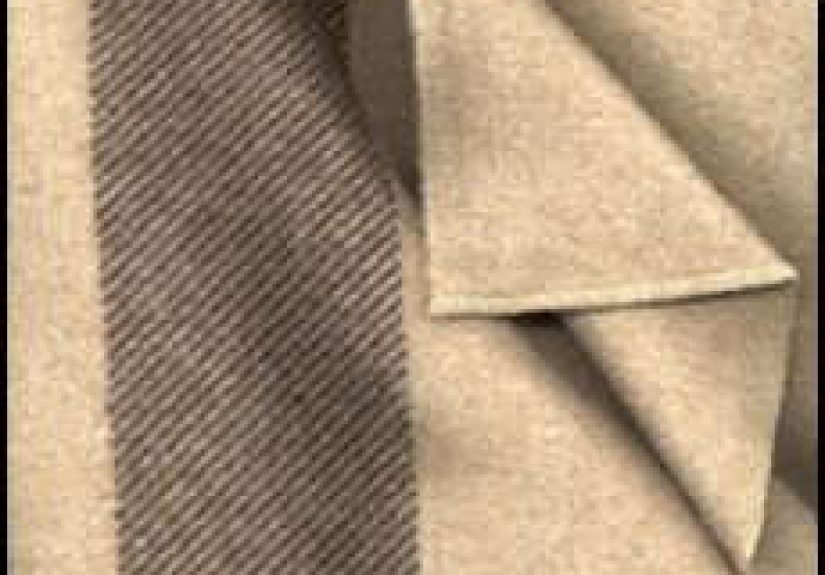
- Visual Cues: Dark end stripes at both ends are classic. Many historical examples were gray or undyed wool; shade ranges from light gray to brownish “butternut” depending on wool and dye.
- Markings: Original Federal blankets were marked “U.S.” (often dark/black). Reproductions may include it; decorator versions may skip it.
- Weave: A twill (diagonal) weave is common in period pieces and adds drape and durability.
- Made Where & How: Several U.S. mills have deep woolen heritage. For living-history use, vendors often cite period specs and mills; for décor, read fabric content closely.
What About the “Gum Blanket” or Poncho?
If you’re building a campaign-accurate kit (or a convincing display), pair your wool blanket with a rubberized ground cloth/poncho. Originals and museum-documented examples measure around the 45"–72" to 60"–71" range, depending on which wartime depot pattern you’re following. The gum blanket’s job: keep ground moisture out and heat in. The wool blanket’s job: keep you warm. Together: a workable 1860s sleep system that still makes sense on a chilly, damp night.
Fort Sumter Blanket as Home Décor
No plans to bivouac? A “Fort Sumter-style” blanket reads masculine and minimal: weathered gray + crisp stripes. It pairs beautifully with leather chairs, campaign-style trunks, and bookshelf flags in a study. Toss it over a sofa for a quick dose of American heritage without shouting “theme room.” If you want to nod at the fort’s flags, add a small framed photo of the 33-star pattern nearby; keep the blanket clean and in active usethese were designed to work.
Care & Maintenance (1860s Sensible, 2020s Easy)
- Air It: Give wool time on a balcony or clothesline. Sunlight and moving air refresh fibers and discourage pests.
- Brush, Don’t Beat: A soft brush lifts dust without compacting nap.
- Spot-Clean & Cold Wash (If Allowed): Many modern wool blankets tolerate a gentle, cold soak with wool-safe soap. Avoid agitation. Lay flat to dry.
- Moth Discipline: Store clean, dry, and sealed. Cedar helps; so does vigilance.
- Display Rotation: If your blanket is a display piece near a window, rotate or cover to prevent UV fadeexactly what museum conservators do for flags.
Frequently Asked (Surprisingly Practical) Questions
Is a “Fort Sumter blanket” the same as a U.S. regulation Civil War blanket?
In modern retail, “Fort Sumter blanket” is often a marketing shorthanda design inspired by early-war Charleston and the iconic opening battle. A regulation U.S. blanket is a specific spec (size, weight, markings). Good reproductions strive to meet that spec; decorator versions simply borrow the look.
Was there a special blanket issued at Fort Sumter?
No unique blanket just for Sumter shows up in period specs. The garrison’s wool blankets would have been the standard Federal issue for the time, subject to supply realities. Post-surrender, Confederate troops used whatever they could issue, import, capture, or carry.
What’s the difference between a “garrison flag” and a “storm flag,” and why does it matter in a blanket article?
They’re both 33-star U.S. flags used at Sumter in 1861: the garrison flag was huge and ceremonial; the storm flag smaller and more practical in bad weather. Their survivaland the famous stereographs of Sumter’s battered interiorexplain why textiles tied to Sumter carry so much symbolic weight today. Blankets are a tactile way to connect to that story.
Buying Checklist (Pin This, Then Go Touch Fabric)
- Content: All-wool (or ≥85% wool) with solid, dense hand.
- Weight/Size: ~5 lbs; roughly 84" × 66" if you want period feel.
- Look: Gray or natural; dark end stripes; optional “U.S.” mark.
- Weave: Twill preferred for drape and durability.
- Partner Item: Rubberized ground cloth/poncho if you’re going authentic.
- Provenance: If buying for reenacting, choose vendors who cite period specs and depot patterns; for décor, prioritize wool content and construction quality.
Conclusion
The “Civil War Fort Sumter blanket” isn’t a single artifact; it’s a conversation between specification and symbol. The specgray wool, stout, stripe-endedreflects the Army’s push to clothe a mass force. The symbolSumter’s flags, the battered parapets, the first cannon shotsexplains why a simple blanket can feel like a page torn from history. Choose one that’s warm, well-made, and honest about what it is. Then put it to workon a sofa, at a campsite, or in a studylike the original owners would have appreciated.
SEO Goodies
sapo: What makes a “Fort Sumter blanket” more than a gray wool throw? This in-depth guide blends the opening shots at Charleston Harbor with the Army’s 1861 blanket specsexplaining end stripes, “U.S.” markings, gum blankets, and why modern reproductions still matter. Get the essentials for collectors, reenactors, and design lovers, plus a practical buying checklist and care tips.
of Field-Tested Experience (Stories & Tips)
If you talk to living-history folks and field campers who use reproduction Civil War blankets, common themes emerge. First, weight matters. A true five-pounder settles over you like a friendly anvilno drafts sneaking under the hem when wind snakes through a tent wall. On damp nights, people layer the gum blanket on the ground, then wool on top, sometimes adding a simple linen sheet between to keep itchy fibers off the skin. (Modern hack: a thin cotton liner keeps the blanket cleaner and reduces itch without spoiling the period look.)
Second, size is a quiet hero. The period 84" × 66" footprint covers head-to-toe if you curl slightly. Taller campers learn to fold the top into a pseudo-hood or add a scarf. If you’re reenacting in shoulder seasons, experienced hands bump their kit to two blankets or one blanket plus a wool shawl. It’s not cheating; it’s survival. Soldiers did the same when supply allowedtrading, capturing, or buying extras from sutlers.
Third, moisture management beats raw warmth. Even a premium wool blanket can’t fight ground seepage. Veterans lay a gum blanket, a woven mat, or modern closed-cell foam under their wool. In a wedge tent, they pitch on slightly elevated ground and mind the trench line outsidethose period manuals weren’t kidding about drainage. The difference between “cozy” and “clammy” is usually the five minutes you spend on site prep.
Fourth, care and storage shape lifespan. After a muddy event, don’t stuff your blanket into a tote and forget it for a week. Air it the same day. A soft brush lifts dried mud; a quick spot-clean keeps stains from setting. For long storage, roll instead of folding to avoid a permanent crease line down the middle; throw in cedar blocks (or sealed moth-proof containers) and label your roll so you can grab the right blanket without unfurling every gray burrito on the shelf.
Fifth, expect patina. That slight fuzzing at the fold? Normal. A little shrinkage after a cautious cold soak? Also normalperiod blankets evolved into “field fit” too. The end stripes soften, the nap raises, and the blanket molds to your shoulders. Many reenactors consider that earned wear part of the charmthe difference between a costume and a kit.
Finally, a note about symbolism: Using a Fort Sumter-style blanket around a fire (safely away from sparks, please) prompts conversation. Someone will mention the storm flag, or the first shots, or a family trip to Charleston. That’s the quiet power of good historical design: it’s functional today and it points to a story worth retelling. If your blanket gets people asking questions, you’ve chosen well.