Table of Contents >> Show >> Hide
- What Is Clary Sage Essential Oil, Exactly?
- How Aromatherapy Might Work (Without Overpromising)
- Potential Benefits of Clary Sage Essential Oil
- How to Use Clary Sage Essential Oil Safely
- Who Should Avoid Clary Sage (or Ask a Clinician First)?
- How to Choose a Quality Clary Sage Oil
- Quick FAQ
- Conclusion
- Experiences: What Using Clary Sage Can Feel Like (Realistic, Not Magical)
Clary sage essential oil is the “calm in a bottle” that wellness folks reach for when life feels like a browser with 37 tabs open.
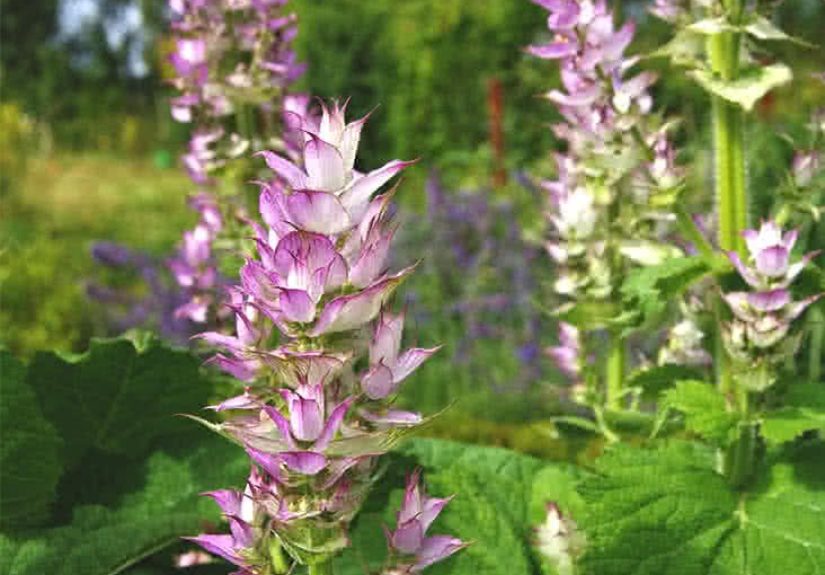
Distilled from the flowering tops and leaves of Salvia sclarea, it has a soft, herbal-floral scent with a slightly sweet, tea-like finish.
It’s famous in perfumery (hello, cozy amber vibes) and popular in aromatherapy for relaxation rituals, especially around stress and monthly discomfort.
But let’s keep it real: essential oils can be helpful for comfort and mood, and some have early research behind specific uses
yet they’re not magic potions, and they’re definitely not harmless just because they’re “natural.”
This guide breaks down what clary sage is, what the science suggests (and what it doesn’t), and how to use it safely without turning your self-care routine into a chemistry experiment.
What Is Clary Sage Essential Oil, Exactly?
Clary sage essential oil is a concentrated aromatic extract made most often by steam distillation.
Because it’s concentrated, a little goes a long waythink “one drop can perfume a whole plan,” not “glug-glug like salad dressing.”
The oil’s aroma comes from naturally occurring plant compounds, commonly including linalyl acetate and linalool (which are also found in lavender),
plus other constituents that can vary by growing region, harvest timing, and distillation method.
Why Composition Matters (and Why Your Bottles Might Smell Different)
Essential oils are agricultural products. Two bottles labeled “clary sage” can smell slightly different and may behave differently on skin,
because the plant’s chemistry shifts with climate, soil, altitude, and storage conditions.
That’s normaljust another reminder to buy thoughtfully and use cautiously.
How Aromatherapy Might Work (Without Overpromising)
When you inhale an essential oil, scent molecules interact with smell receptors and can influence brain areas involved in emotion and memory.
That’s one reason aromatherapy is often used for relaxation, stress support, and creating a “wind-down” cue.
Some studies suggest aromatherapy can help with short-term anxiety or stress in certain settings, but results vary and it’s not a replacement for medical care.
In plain English: clary sage might help you feel calmer because scent + ritual + environment is a powerful combo.
If your “clary sage moment” also includes dimming lights, sipping water, and putting your phone face-downcongrats, you’ve just built a whole nervous-system-friendly routine.
Potential Benefits of Clary Sage Essential Oil
Research on clary sage is still developing. Many claims online run faster than the evidence.
Below are the benefits that have at least some plausible supportalong with the important caveats.
1) Stress and “I Need a Breather” Support
Clary sage is commonly used in aromatherapy to encourage relaxation.
Some clinical research using inhalation suggests it may reduce self-reported stress or anxiety in specific groups, though findings are not universal and study designs differ.
If you’re using clary sage for stress, the goal is comfortnot “treatment.”
2) Sleep Rituals and Wind-Down Routines
There’s a difference between “helps you relax before bed” and “treats insomnia.”
Clary sage may be useful as a bedtime cue: diffuse briefly while you read, stretch, or do a quick journal dump.
The scent can become a consistent signal that it’s time to power down.
Pro tip: pair the oil with sleep basicscool room, dark space, consistent bedtime, and fewer late-night scrolling marathons.
The oil can support the routine, but the routine does the heavy lifting.
3) Menstrual Discomfort: What the Evidence Suggests
One of the more studied uses of clary sage is for menstrual cramp comfort in aromatherapy massage blends.
A key detail: many studies used blended oils (often clary sage combined with lavender and rose),
applied topically in a diluted carrier oil with massage. Results have shown reduced cramp severity in some trials,
but that doesn’t prove clary sage alone is the single “active hero.”
Still, if you’re looking for a gentle, non-invasive comfort add-on (and you tolerate essential oils well),
a properly diluted blend used with light abdominal massage may be a reasonable option to discuss with a healthcare professionalespecially if cramps interfere with daily life.
4) Mood Support: Comfort, Not a Cure
Because scent and emotion are closely linked, clary sage is sometimes used as a “reset button” during tense moments:
before a presentation, after an argument, or when your brain is doing that thing where it replays one awkward sentence from 2019.
While early studies exist, aromatherapy should be viewed as complementary support rather than a primary treatment for mood disorders.
5) Skin and Scalp Uses (Proceed With Caution)
In lab research, clary sage has shown antimicrobial and antioxidant activityinteresting, but not the same as “proven acne cure.”
In real life, essential oils can irritate skin or trigger allergic contact dermatitis, especially if used undiluted or if the oil has oxidized from poor storage.
If you want to use clary sage in a body oil or scalp oil, keep it low-dose and patch test first.
For acne, eczema, or sensitive skin, it’s usually smarter to stick with dermatologist-approved options and use fragrance only if your skin reliably tolerates it.
6) “Fresh Home” Uses: Fragrance and Atmosphere
Clary sage can make a room smell clean, spa-like, and a little fancylike you own matching towels on purpose.
Use it for atmosphere while you tidy, study, or journal.
Just don’t confuse “smells like a clean house” with “disinfects like a registered cleaner.”
How to Use Clary Sage Essential Oil Safely
Safety first, always. Essential oils are concentrated. Misuse can cause rashes, breathing irritation, or poisoningespecially in children and pets.
If you remember only one thing from this article, make it this: don’t ingest essential oils unless a qualified clinician specifically instructs you to do so (which is uncommon).
Option A: Diffusion (Simple and Popular)
- Keep sessions short: try 15–30 minutes, then take a break.
- Ventilate: avoid running a diffuser all day in a closed room.
- Be mindful of others: diffusing affects everyone in the space, not just you.
- Extra caution: use care around babies, young children, people with asthma or migraines, and pets.
Option B: Topical Use (Only When Diluted)
The safest way to apply clary sage to skin is proper dilution in a carrier oil (like jojoba, sweet almond, or fragrance-free lotion).
Common adult dilutions are around 1–2%:
- 1% dilution: about 1 drop per teaspoon (5 mL) of carrier oil.
- 2% dilution: about 2 drops per teaspoon (5 mL) of carrier oil.
Apply to a small area first (patch test), and stop if you notice redness, itching, burning, or a rash.
Avoid eyes, mucous membranes, and broken skin.
Option C: Bath or Shower
Never add essential oils directly to bath water from the bottleoil and water don’t mix, so the undiluted oil can cling to skin and irritate.
If you want a bath vibe, use a properly formulated product or mix the oil into a carrier first, and keep the amount very small.
In the shower, an easier option is to add a drop to a steamy corner (not directly under your feetslip risk) and let the scent rise.
Option D: A Personal Aroma “Anchor”
If you want a low-key approach, place one drop on a tissue, then tuck it into a bag or desk drawer.
When you need a calm moment, take a gentle waft. No diffuser required, no scent cloud taking over the whole room.
Who Should Avoid Clary Sage (or Ask a Clinician First)?
- Pregnancy: Clary sage is often flagged for caution during pregnancy due to traditional use and theoretical concerns. If pregnant, ask an OB-GYN or qualified clinician before using.
- Hormone-sensitive conditions: Some constituents (like sclareol) are sometimes described as “estrogen-like” in certain contexts. If you have hormone-related conditions, get medical guidance first.
- Skin sensitivities: If you’ve had fragrance allergies, eczema flares from scented products, or prior essential oil reactions, skip it or patch test carefully.
- Respiratory sensitivities: Asthma, chronic breathing issues, or migraines can be triggered by strong scents.
- Kids and pets: Essential oils can be risky for children and animalsstore securely and use cautiously in shared spaces.
How to Choose a Quality Clary Sage Oil
Buying essential oils is like buying olive oil: labels matter, storage matters, and “premium” isn’t a guarantee of integrity.
Look for:
- Botanical name: Salvia sclarea (not just “sage”).
- Plant part and extraction method: ideally steam distilled.
- Batch testing: companies may provide GC/MS reports or quality statements.
- Packaging: dark glass bottle with a tight cap.
- Storage: cool, dark place; heat and light speed oxidation (and irritation risk).
Quick FAQ
Does clary sage essential oil “balance hormones”?
That phrase is widely used in marketing, but it’s too vague to be medically meaningful.
Some components have been studied in limited ways, yet there’s no solid evidence that clary sage can reliably “balance hormones” across the board.
It may support comfort (like relaxation) that indirectly helps you feel better.
Can I put it in water and drink it?
No. Ingesting essential oils can be dangerous and can cause poisoning or other harm.
Treat essential oils as concentrated fragrance extractsnot beverages.
Is it safe on skin?
It can be, only when diluted and only for people who tolerate it.
Patch testing and proper storage are key.
Conclusion
Clary sage essential oil is best thought of as a comfort tool: a relaxing scent that can support stress relief rituals,
add a soothing vibe to wind-down routines, and potentially help with menstrual discomfort when used in properly diluted massage blends.
The strongest benefits come from combining the oil with healthy habitsrest, hydration, movement, and good boundaries (including boundaries with your notifications).
Use it safely, keep expectations realistic, and if you’re dealing with persistent anxiety, sleep issues, severe cramps, or a skin condition,
treat clary sage as a side characternot the main doctorand get professional guidance.
Experiences: What Using Clary Sage Can Feel Like (Realistic, Not Magical)
People’s experiences with clary sage tend to fall into one of two camps: “This is my new favorite calm scent,” or “My skin said absolutely not.”
When it goes well, the biggest wins are usually about mood and routine, not dramatic transformations.
Here are a few realistic, common scenarios people describeshared as inspiration, not medical claims.
The “Study Session Reset”
Some people use clary sage as a quick reset during homework or exam prepespecially when stress turns into restlessness.
A short diffusion session (not hours) can create a calmer atmosphere, and that change in environment can make it easier to focus.
The scent becomes a signal: “We’re working now, but we’re not panicking.” Pairing it with a timer (like 25 minutes on, 5 minutes off)
often matters more than the oil itself. The smell just helps the routine stick.
The “Sunday Night Wind-Down”
A lot of clary sage fans don’t use it randomly; they use it the same way every timeusually at night.
For example: a warm shower, pajamas, lights dimmed, then 15 minutes of diffusion while reading or stretching.
Over time, the brain starts to associate that scent with slowing down, which can make it easier to transition into sleep mode.
It’s not a knockout buttonmore like a gentle nudge away from “wired” and toward “ready.”
The “Monthly Comfort Routine”
Some people reach for clary sage during their menstrual cycle, often as part of a diluted massage blend.
The experience they describe isn’t “instant pain removal.” It’s more like:
the warmth of the massage, the relaxing scent, and the intentional pause together make the discomfort feel more manageable.
For some, it’s also a way to reclaim a sense of controlturning a miserable moment into a small self-care ritual.
If cramps are severe, many find the best approach is combining comfort strategies with medical guidance rather than trying to push through.
The “Emotional Weather” Moment
There are days when emotions feel like surprise rain: you didn’t plan for it, but here we are.
Some people use clary sage as an “emotional weather” toolone drop on a tissue, a slow breath, and a deliberate pause before reacting.
The scent can become a cue for nervous system regulation: unclench your shoulders, drop your tongue from the roof of your mouth,
and take a breath that actually reaches your ribs. In that context, clary sage isn’t fixing the problem; it’s helping you respond to it with a steadier baseline.
The “My Skin Has Opinions” Reality Check
Not every experience is cozy. Essential oils can irritate skin, especially when used undiluted, too frequently, or after a bottle has oxidized from heat and light exposure.
People who react often describe redness, itchiness, or a rashsometimes hours after application.
The lesson many learn the hard way: patch testing is not optional, and “more drops” does not mean “more benefits.”
If your skin is sensitive, fragrance-free products and dermatologist-recommended treatments are usually the smarter long game.
Overall, the most positive clary sage experiences come from safe use, low doses, and consistent rituals.
Think of it as atmosphere + habit support. If it helps you breathe slower, unclench your jaw, and take better care of yourselfthen it’s doing its job.