Table of Contents >> Show >> Hide
- What “Classic” Cornbread Means (and Why People Argue About It)
- Ingredients That Matter (and What They Actually Do)
- Equipment
- Classic Cornbread Recipe (Skillet or Pan)
- Easy Variations (Without Wrecking the “Classic” Vibe)
- Buttermilk Substitutes (Because Life Happens)
- Troubleshooting: Why Cornbread Goes Wrong (and How to Fix It)
- How to Serve Cornbread Like You Mean It
- Storage, Freezing, and Reheating
- FAQ
- Kitchen Experiences: The Cornbread Moments You’ll Recognize (500-ish Words of Real-Life Vibes)
- Conclusion
- SEO Tags
If you’ve ever watched someone take a bite of cornbread and immediately start a debate, congratulationsyou’ve witnessed one of America’s most delicious contact sports. Sweet or not? White cornmeal or yellow? Cast iron or “whatever pan is clean”? Everybody has an opinion, and the good news is: classic cornbread can mean a few different things… as long as it’s golden, tender, and disappears fast.
This recipe aims for that “best of both worlds” cornbread: corn-forward and not-cakey, but still moist enough that you don’t need a glass of water and a permission slip to swallow it. You’ll get crisp edges (especially in cast iron), a soft center, and a flavor that plays nice with chili, barbecue, soup, or a shameless pat of butter.
What “Classic” Cornbread Means (and Why People Argue About It)
In many Southern traditions, cornbread is savory, skillet-baked, and often made with little to no sugar. In many Northern traditions, cornbread leans sweeter and more cake-like. Neither side is “wrong”but both sides are absolutely convinced the other side is. So here’s the compromise: this classic recipe gives you a lightly sweet option (so it doesn’t taste like dessert), and the base is balanced enough to go fully savory without tasting flat.
Think of it like jeans: some people like them skinny, some like them relaxed. As long as they fit, you’re good. Cornbread is the samejust with more butter.
Ingredients That Matter (and What They Actually Do)
Cornmeal
Cornmeal is the star. Fine or medium grind typically bakes up tenderer; coarser grinds can taste more rustic and textured. Stone-ground cornmeal can bring extra corn flavor (because it often retains more of the corn’s natural components), but it may also have a shorter shelf lifeso freshness matters.
Flour (A Little Helps)
Some traditional styles skip flour entirely, but a modest amount of all-purpose flour helps your slices hold together and keeps the crumb from crumbling into “cornbread gravel.” If you want a more rustic, crumbly style, you can reduce the flour slightly.
Buttermilk
Buttermilk adds tang and tenderness, and it plays well with baking soda to create lift. If you only keep buttermilk around for cornbread and regret, don’t worrythere are easy substitutes below.
Fat
Butter brings flavor. Oil brings moisture. Using a little of both is a smart, classic move. And if you’re using a cast-iron skillet, melting butter in that hot pan creates the kind of edges people write poems about (very short poems, because their mouth is full).
Leaveners + Salt
Baking powder gives reliable rise; baking soda helps when buttermilk is in the mix. Salt makes the corn flavor pop and keeps “sweet” from turning into “cupcake in disguise.”
Equipment
- 10-inch cast-iron skillet (best crust)
- Mixing bowls + whisk
- Measuring cups/spoons
- Spatula
No cast iron? Use a 9-inch square pan or 9-inch round cake pan. You’ll still get excellent cornbreadjust slightly less of that sizzling edge.
Classic Cornbread Recipe (Skillet or Pan)
Yield: 8–10 pieces
Time: About 35 minutes total
Ingredients
- 1 cup (140g) yellow cornmeal (fine or medium grind)
- 3/4 cup (95g) all-purpose flour
- 1 tablespoon baking powder
- 1/2 teaspoon baking soda
- 1 teaspoon kosher salt (or 3/4 teaspoon fine salt)
- 1–3 tablespoons sugar (optional; 1 tbsp = barely sweet, 3 tbsp = gently sweet)
- 1 1/4 cups (300ml) buttermilk, well shaken
- 2 large eggs
- 4 tablespoons (56g) melted butter, plus 1–2 tablespoons for the skillet
- 2 tablespoons neutral oil (like canola or avocado)
Step-by-Step Instructions
- Heat the oven and the pan. Preheat oven to 425°F. If using a cast-iron skillet, place it in the oven while it heats. (If using a baking pan, lightly grease it and set aside.)
- Mix the dry ingredients. In a large bowl, whisk together cornmeal, flour, baking powder, baking soda, salt, and sugar (if using). Break up any cornmeal lumps like you’re gently scolding them back into line.
- Mix the wet ingredients. In a second bowl, whisk buttermilk and eggs until smooth. Whisk in melted butter and oil.
- Combinebriefly. Pour wet into dry and stir just until no big dry streaks remain. A few small lumps are totally fine. Overmixing can make cornbread tough, and nobody wants “cornbread that fights back.”
- Optional rest (helpful, not fussy). Let the batter sit 5–10 minutes while you carefully remove the hot skillet from the oven. This short rest can help cornmeal hydrate for a better texture.
- Butter the hot skillet. Add 1–2 tablespoons butter to the hot skillet and swirl to coat bottom and sides. It should sizzle. If it doesn’t, your skillet is basically asking for a little more time in the oven.
- Pour and bake. Pour batter into the hot, buttered skillet (or into your prepared pan). Bake 18–22 minutes, until the top is golden and a toothpick comes out clean. For extra certainty, aim for an internal temperature around 195–200°F in the center.
- Cool briefly, then slice. Let cornbread cool 10 minutes before cutting. This helps it set so you get slices instead of “cornbread landslide.” Serve warm.
Easy Variations (Without Wrecking the “Classic” Vibe)
Make it more Southern-style (savory and skillet-bold)
- Skip the sugar entirely.
- Use bacon drippings in the skillet instead of butter (or do half-and-half for the best of both worlds).
- Add 1/2 cup corn kernels for bursts of sweetnessyes, even in savory cornbread. Corn contains multitudes.
Make it more Northern-style (a little sweeter, still not cake)
- Use 3 tablespoons sugar.
- Add 1 tablespoon honey to the wet ingredients.
- Serve with whipped honey butter and act surprised when people ask for seconds.
Add-ins people actually love
- Jalapeño + cheddar: 1 diced jalapeño + 3/4 cup shredded sharp cheddar
- Scallion + corn: 2 sliced scallions + 1/2 cup corn
- Herby: 1 tablespoon chopped chives or parsley
Tip: Keep add-ins to about 1 to 1 1/2 cups total, or the batter can get heavy and bake unevenly.
Buttermilk Substitutes (Because Life Happens)
If you don’t have buttermilk, you have options:
- Milk + acid: Add 1 tablespoon lemon juice or white vinegar to a measuring cup, then add milk to reach 1 1/4 cups. Rest 10 minutes.
- Yogurt or sour cream: Thin with a splash of milk until it pours like buttermilk.
- Kefir: Often works 1:1 as a tangy substitute.
Troubleshooting: Why Cornbread Goes Wrong (and How to Fix It)
“Mine is dry.”
- It probably baked a few minutes too long. Pull it when the center is set and the top is golden.
- Measure flour correctly (spoon and level, don’t pack).
- Try increasing oil by 1 tablespoon if you live in a very dry climate or regularly get dry results.
“Mine crumbles like sand.”
- Reduce cornmeal slightly (by 2 tablespoons) or increase flour slightly (by 2 tablespoons).
- Make sure you rest it 10 minutes before slicing.
- If you used very coarse cornmeal, expect a more fragile crumb.
“Mine is dense.”
- Check that your baking powder is fresh.
- Don’t overmix once wet meets dry.
- Make sure the oven is fully preheatedcornbread likes confident heat.
“The bottom is too dark.”
- Your skillet may run hot. Drop oven temp to 400°F next time and bake a few minutes longer.
- Place the skillet on a higher rack (middle or slightly above).
How to Serve Cornbread Like You Mean It
- Chili night: The classic pairing. Cornbread’s sweetness (even minimal) plays nicely with spice.
- Barbecue: Brisket, pulled pork, ribscornbread is the peace treaty between smoke and sauce.
- Soup: Especially beans, chicken soup, or chowder.
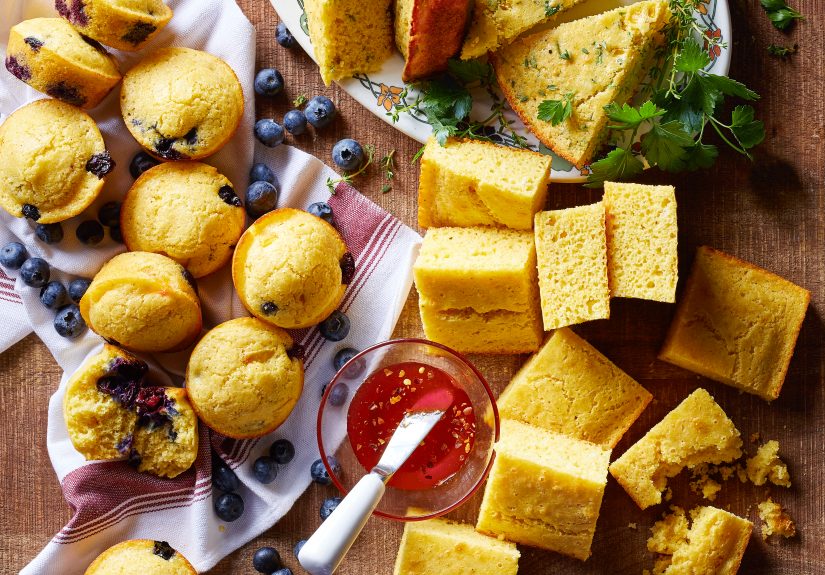
- Breakfast: Warm slice + butter + jam. If anyone questions it, offer them a bite and watch them stop talking.
Storage, Freezing, and Reheating
Cornbread is at its best warm the day it’s bakedbut it keeps surprisingly well if you treat it right.
Room temperature
Cool completely, then wrap tightly and store airtight for up to about 2–3 days (best texture in the first day).
Refrigerator
If your cornbread includes eggs and dairy (this one does), refrigeration can extend freshness. Wrap well to prevent drying out, and plan to enjoy within about a week.
Freezer
Freeze for best quality up to about 3 months. Freeze whole or in slices. Wrap tightly (plastic wrap + foil, or an airtight freezer bag). Label it, because “mystery bread” is a game you don’t want to play later.
Reheat
- Oven: Wrap in foil and warm at 350°F until heated through.
- Skillet: Toast slices in a buttered skillet for crisp edges.
- Microwave: Quick, but can soften the crustcover with a damp paper towel and heat briefly.
FAQ
Can I make this as muffins?
Yes. Grease a muffin tin and bake at 400°F for about 12–15 minutes, until set and golden. Muffins won’t get the same skillet crust, but they’re excellent for lunchboxes and portion control (which you can ignore by eating two).
Can I make it gluten-free?
You can swap the all-purpose flour for a 1:1 gluten-free baking blend. Texture varies by brand, but the method stays the same. Keep the batter gently mixed to avoid toughness.
What cornmeal should I buy?
For most home bakers, fine or medium grind is the easiest “classic” choice. If you go stone-ground or coarse, expect more texture and sometimes a slightly more rustic slicestill delicious, just different.
Kitchen Experiences: The Cornbread Moments You’ll Recognize (500-ish Words of Real-Life Vibes)
There’s a special kind of confidence that shows up the moment cornbread hits the tableusually right before someone says, “Now this is how my grandma did it,” even if their grandma was famously a takeout enthusiast. Cornbread triggers memories and opinions like very few foods do. It’s humble, it’s fast, and somehow it convinces people they’re qualified to host a cooking show.
If you’ve ever made cornbread for a crowd, you’ve probably experienced the Great Slice Timing Paradox: the second you pull it from the oven, everyone wants to cut it immediately. But the moment you cut it immediately, it crumbles. Then you wait ten minutes like the recipe says, and suddenly you’re the hero who “really knows what they’re doing.” (You do. You read one paragraph and practiced patience. That counts.)
Then there’s the cast-iron skillet effect. A hot, buttered skillet makes a sound that feels like applausesizzle, hiss, and the faint whisper of “crispy edges incoming.” When you pour batter into that heat, you can almost smell the crust forming. And when it’s baked, you get those browned corners that people mysteriously claim they don’t want… right before they reach for them first. Corner pieces have the social status of concert tickets.
Cornbread also has a way of revealing your kitchen personality. The “follow-the-recipe” folks whisk carefully and set a timer. The improvisers see a lone jalapeño and decide it belongs in the batter, destiny-style. The sweet-tooth crowd drizzles honey on top like they’re painting a masterpiece. The savory crowd adds cheddar and calls it “more balanced,” which is a charming way to say “I would like my bread to taste like a snack.”
And let’s talk about the moment you realize cornbread is secretly a meal-prep champion. On day one, it’s a warm side for chili. On day two, it’s toasted with butter for breakfast. On day three, it becomes croutons for salad or a base for stuffing, or it gets crumbled into a bowl of soup like you planned it all along. The best leftovers don’t feel like leftoversthey feel like a sequel.
Of course, cornbread has its “character-building” moments too. Maybe you overmixed and ended up with a slice that’s a little firm. Maybe you forgot the skillet was preheating and gave the butter a dramatic smoke scene. Maybe you grabbed cornmeal that was a little old, and the flavor felt muted. But those moments teach you what “classic” really means: a recipe that’s forgiving, adaptable, and always one smart tweak away from being exactly what you want.
So whether you’re team sweet, team savory, or team “just give me the crispy edge,” cornbread is one of those recipes that grows with you. Make it once, take notes like a kitchen detective, then make it again. That’s how classics are bornone golden pan at a time.
Conclusion
Classic cornbread doesn’t need to be complicated. Use good cornmeal, don’t overmix, and give that pan some heat so you get a crust worth bragging about. From chili night to breakfast with jam, this recipe is built to be your reliable go-toand flexible enough to match whatever “classic” means in your kitchen.