Table of Contents >> Show >> Hide
- What Is Aligot (and Why Is It So Addictive)?
- Ingredients That Make or Break Aligot
- Equipment You’ll Want (and What You Can Fake)
- Classic French Aligot Recipe (U.S.-Friendly, Still Traditional in Spirit)
- How to Get the Legendary Cheese Pull
- Common Aligot Problems (and Fast Fixes)
- What to Serve with Classic Aligot
- Make-Ahead, Storage, and Reheating (Yes, But Manage Expectations)
- Fun (but Still Classic) Variations
- Conclusion
- Kitchen Experiences and Real-Life Aligot Moments (500+ Words)
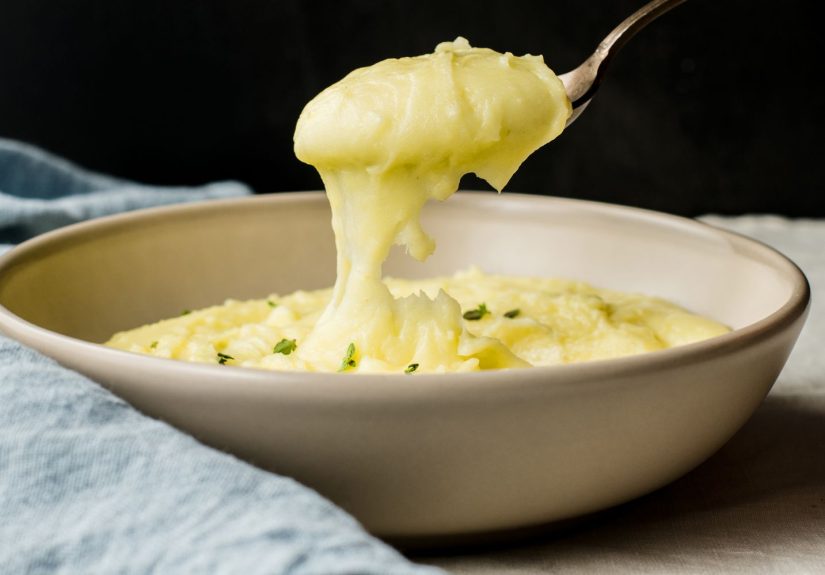
If mashed potatoes and fondue had a dramatic, attention-seeking child, it would be aligot. This classic dish from south-central France is the reason people suddenly start filming their side dishes: when it’s done right, aligot turns into glossy ribbons of potato and melted cheese that stretch like a culinary bungee cord.
But here’s the best part: aligot isn’t “fancy restaurant food” in disguise. It’s rustic comfort foodhot, rich, and unapologetically dairy-forwardmeant to be scooped next to sausage, steak, roast chicken, or honestly just eaten straight from the pot while you pretend you’re “taste-testing.”
What Is Aligot (and Why Is It So Addictive)?
Aligot (sometimes called pommes aligot) is a traditional French dish made by blending hot potato purée with butter, cream (or milk), garlic, and a generous amount of melting cheese until the mixture becomes smooth, elastic, and shiny. It’s not quite mashed potatoes, not quite cheese sauceit’s a third category: stretchy, silky potato-cheese magic.
In its home region, aligot is often served with hearty meatsespecially sausagesbecause the dish is rich and mild on its own. The goal is a texture that “pulls” in long strands when you lift the spoon. If your aligot doesn’t stretch, it can still be delicious… but it’s basically mashed potatoes wearing an aligot costume.
Ingredients That Make or Break Aligot
1) Potatoes: Choose the Right Personality
Aligot needs potatoes that mash smoothly and hold onto starchbecause starch helps create that signature elasticity and cohesion. Many cooks prefer Yukon Gold for a creamy texture and balanced flavor, while some versions lean toward starchier potatoes for a lighter, fluffier base. Either can work, but the key is: cook them until tender, drain well, and mash/press them while hot.
2) Cheese: Traditional vs. “I Live in Ohio” Substitutions
Traditionally, aligot uses tomme fraîche (often associated with Laguiole/Aubrac styles). In the U.S., that exact cheese can be hard to find, so the smartest approach is to use a blend that melts smoothly and stretches without turning greasy.
Great U.S.-friendly cheese options:
- Gruyère (or Comté): nutty, savory, melts beautifully
- Fontina: super meltable, creamy, mild
- Low-moisture mozzarella: adds the classic “cheese pull” stretch
- Swiss-style cheeses: helpful for melt + flavor depth
Rule of thumb: aligot is often close to a 1:1 or 2:1 potato-to-cheese vibe depending on the style. If that sounds intense, that’s because it is. Aligot doesn’t whisper; it performs.
3) Dairy: Butter + Cream (or Milk) = Shine and Silk
Butter adds richness and gloss. Warm cream (or milk) keeps everything fluid and helps you control thickness. Some recipes include crème fraîche for tang and extra luxurious texture. The important part: add warm dairy gradually so the potato starch can hydrate smoothly instead of turning your pot into paste.
4) Garlic: Subtle, Not Vampire Warfare
Classic aligot usually includes garlic, but it should be a gentle background note. Think “cozy,” not “garlic bread punch.” You can simmer a whole garlic clove with the potatoes for softness or use a small amount of finely minced garlic stirred in later for a brighter bite.
Equipment You’ll Want (and What You Can Fake)
- Potato ricer or food mill: best for smooth, lump-free purée
- Heavy pot or Dutch oven: steady heat = fewer disasters
- Wooden spoon or sturdy spatula: you will be stirring like you mean it
- Microplane or grater (if shredding cheese): helps it melt evenly
No ricer? Mash carefully, but avoid overworking with a blender/food processorovermixed potatoes can go gluey. Aligot should stretch, not bounce.
Classic French Aligot Recipe (U.S.-Friendly, Still Traditional in Spirit)
Servings and Timing
- Serves: 6 (as a side), 4 (as a “we regret nothing” main)
- Total time: about 45 minutes
Ingredients
- 2 1/2 pounds Yukon Gold potatoes, peeled and cut into 1-inch chunks
- 2 cloves garlic (1 whole, 1 finely minced), optional but recommended
- 1 1/2 teaspoons kosher salt, plus more to taste
- 6 tablespoons unsalted butter, cut into pieces
- 1 cup heavy cream, warmed (plus extra as needed)
- 8 ounces Gruyère (or Comté), shredded
- 8 ounces low-moisture mozzarella, shredded
- Freshly ground black pepper or white pepper, to taste
- Optional: 2 tablespoons crème fraîche (for extra silk and tang)
Step-by-Step Instructions
-
Cook the potatoes.
Place potatoes in a large pot and cover with cold water by about 1 inch. Add the whole garlic clove (optional) and 1 1/2 teaspoons salt. Bring to a boil, then reduce to a steady simmer until potatoes are very tender (about 15–20 minutes).
-
Drain thoroughly (this matters).
Drain the potatoes well. Return them to the hot pot for 1–2 minutes, shaking gently, to drive off excess moisture. Water is the enemy of stretch.
-
Rice or mash while hot.
Remove and discard the whole garlic clove. Pass potatoes through a ricer/food mill back into the pot (or mash gently until smooth). You want a lump-free base before the cheese goes in.
-
Add butter first.
Over low heat, stir in the butter until fully melted and absorbed. This builds richness and helps create a smooth texture.
-
Stream in warm cream gradually.
Still on low heat, add warm cream in a slow stream while stirring. The mixture should loosen into a silky, thick mashsmooth, not soupy. Add crème fraîche here if using.
-
Now the cheeseslowly, confidently.
Add cheese a handful at a time, stirring vigorously between additions. Keep the heat low. As it melts, the mixture will become glossy and elastic. If it feels too stiff, add a splash more warm cream and keep stirring.
-
Finish and serve immediately.
Stir in the minced garlic (optional) and season with pepper and a final pinch of salt if needed. Serve hot in warmed bowlsaligot thickens as it cools and loses its “wow” stretch.
How to Get the Legendary Cheese Pull
If aligot had a résumé, it would list “elastic ribbons” as a core competency. Here’s how to help it succeed:
Keep the heat low
High heat can cause cheese to separate (hello, greasy puddle). Aligot likes gentle warmth and patience.
Use cheese that melts well
A blend of a flavorful Alpine-style cheese (Gruyère/Comté) and a stretchy cheese (mozzarella) is a reliable U.S. approach. Avoid aged cheeses that break or become oily.
Stir like you mean it
“Vigorous stirring” isn’t a suggestionit’s the technique. You’re emulsifying potato starch, butterfat, cream, and cheese into a unified, glossy mass.
Don’t drown the potatoes
If you add too much liquid early, you’ll chase thickness forever. Start with less cream; add more only if needed once the cheese is in.
Common Aligot Problems (and Fast Fixes)
It’s grainy or oily
- Cause: Heat too high, cheese not melt-friendly, or added too quickly.
- Fix: Lower heat immediately. Stir in a tablespoon of warm cream and keep mixing to bring it back together.
It’s gluey
- Cause: Overworked potatoes (especially from aggressive blending).
- Fix: You can’t fully undo glue, but you can improve mouthfeel by gently folding in warm cream and serving ASAP.
It won’t stretch
- Cause: Not enough melt/stretch cheese, or it cooled too much.
- Fix: Rewarm on low heat and mix in a small handful of mozzarella.
It tastes bland
- Cause: Under-salted potatoes or mild cheese.
- Fix: Salt matters. Season in layers: cooking water, then final adjustment at the end.
What to Serve with Classic Aligot
Aligot is rich, so it pairs best with bold, simple mains and bright sides:
- Sausage (especially garlicky or herbed varieties)
- Steak with peppercorn sauce or a simple pan jus
- Roast chicken with lemon and herbs
- Greens: arugula salad, sautéed kale, or bitter greens with vinaigrette
- Pickles + mustard: the acid cuts the richness like a hero
Make-Ahead, Storage, and Reheating (Yes, But Manage Expectations)
Fresh aligot is best because the stretch is at peak performance when it’s hot. That said, leftovers still taste amazing.
- Refrigerate: Up to 3 days in an airtight container.
- Reheat: Low heat on the stove with splashes of warm cream, stirring until smooth.
- Pro tip: Leftover aligot makes ridiculous grilled cheese fillings, croquettes, or “breakfast potatoes” if you pan-fry spoonfuls until crisp.
Fun (but Still Classic) Variations
- Roasted garlic aligot: Swap the garlic for a few roasted cloves for sweeter depth.
- Herb-laced aligot: Add chives or parsley right before serving for freshness.
- Truffle moment: A tiny drizzle of truffle oil or shaved truffle turns it into a special-occasion side.
- Smoky twist: Serve with smoked sausage and a sharp mustard to lean into rustic vibes.
Conclusion
A true Classic French Aligot Recipe is equal parts comfort food and kitchen theater: humble potatoes transformed into glossy, stretchy ribbons of cheese and purée. Use the right melting cheeses, keep the heat gentle, and stir with confidence. Serve it hot, pair it with something savory, and accept that people will talk about “that aligot” for an unreasonable amount of time.
Kitchen Experiences and Real-Life Aligot Moments (500+ Words)
Aligot is one of those dishes that changes how people behave in a kitchen. Normally, mashed potatoes are calm. Sensible. They sit politely in a bowl while everyone discusses gravy strategy. Aligot shows up and turns your stove into a stage. Someone lifts the spoon. The mixture stretches. Suddenly, there are phones out. There’s laughter. There’s that one person saying, “Pull it higher!” like this is the Olympics of dairy.
One of the most common experiences home cooks report the first time they make aligot is surprisemostly at how “simple” ingredients can create such a wild texture. Potatoes, butter, cream, cheese… that’s it. And yet, the moment the cheese starts melting into the potato base, you can literally feel the transformation. The mixture goes from “mashed potato consistency” to something glossy and elastic, and it’s oddly satisfying in a way that’s hard to explain until you’ve stood over the pot stirring like you’re trying to start a small, delicious tornado.
Another real-life aligot moment: learning that heat management is everything. People who rush it (cranking up the burner because they’re hungry) often discover the not-so-fun side of melted cheeseoil separation and graininess. That experience usually leads to the “Okay, I get it now” realization: aligot is not difficult, but it is sensitive. Low heat, gradual additions, and constant stirring are the price of entry. The reward is a texture that feels luxurious and a flavor that tastes like peak comfort.
Then there’s the cheese hunt experience, especially in the U.S. Traditional tomme fraîche can be tricky to source, which pushes cooks into experimenting. And honestly? That’s part of the fun. Some people discover that a Gruyère-mozzarella blend gives them both flavor and stretch. Others try Fontina for creaminess or swap in whatever “melts like a dream” cheese is on sale. The best experiences tend to come from treating the cheese like a team: one player brings stretch, one brings flavor, and together they make the pot behave.
Aligot also has a funny way of revealing who in your household is a “texture person.” Some people love the dramatic pull and silky mouthfeel. Others take one bite and go, “This is… a lot,” because it truly is. It’s rich. It’s heavy. It’s the kind of side dish that politely suggests you take a walk afterward. That’s why many memorable aligot meals include balance: a bright salad with vinegar, a sharp mustard, cornichons, or a grilled protein with a little char. Those contrasts don’t just help your palatethey make the aligot taste even better.
Finally, there’s the leftover experience, which is a quiet secret among aligot fans: reheated aligot may lose some stretch, but it gains opportunity. People pan-fry it into golden cakes, stuff it into sandwiches, or dollop it next to eggs like it’s the world’s most indulgent breakfast side. In many kitchens, aligot becomes less of a one-time “look what I made!” project and more of a repeat traditionespecially around holidaysbecause it brings people together in a way few side dishes can. It’s warm, communal, and just theatrical enough to feel special without being precious.