Table of Contents >> Show >> Hide
- Jump to the Good Stuff
- What Skillet-Fried Corn Is (And Why It’s Not “Just Corn”)
- Ingredients
- How to Make Classic Skillet-Fried Corn
- Step 1: Cut the kernels off the cob (without launching corn across the kitchen)
- Step 2: Scrape the cobs for “corn milk”
- Step 3: Heat the skillet and add the fat
- Step 4: Sauté aromatics (optional)
- Step 5: Add corn and cook until tender and browned
- Step 6: Season and (optionally) go creamy
- Step 7: Finish and serve
- Pro Tips for Skillet-Fried Corn That Tastes Like It Came From Someone’s Grandma (In a Good Way)
- Skillet-Fried Corn Variations (Choose Your Own Adventure)
- What to Serve With Classic Skillet-Fried Corn
- Storage, Reheating, and Make-Ahead Notes
- Conclusion
- Kitchen Experiences & Real-Life Corn Moments (Extra ~)
If summer had a signature side dish, it would be skillet-fried corn: sweet kernels, a hot pan, a little fat,
and that magical moment when corn goes from “cute” to “can’t-stop-eating-this.” This classic skillet-fried corn
recipe is old-school in the best wayfast, buttery, and just caramelized enough to make you hover over the stove
like a proud stage parent.
You can keep it simple (corn + butter) or go full Southern comfort (bacon drippings + “corn milk” scraped from
the cobs + a splash of cream). Either way, you’re about 20 minutes away from a side dish that makes grilled
chicken, pork chops, burgers, BBQ, and even weeknight salmon feel like they showed up overdressedin a good way.
Jump to the Good Stuff
- What skillet-fried corn is (and why it tastes like summer)
- Ingredients you’ll need
- How to make classic skillet-fried corn (step-by-step)
- Pro tips for better browning and bigger flavor
- Variations: creamy, spicy, veggie-packed, and more
- What to serve with skillet-fried corn
- Storage, reheating, and make-ahead notes
- Kitchen experiences & real-life corn moments (extra )
- SEO tags (JSON)
What Skillet-Fried Corn Is (And Why It’s Not “Just Corn”)
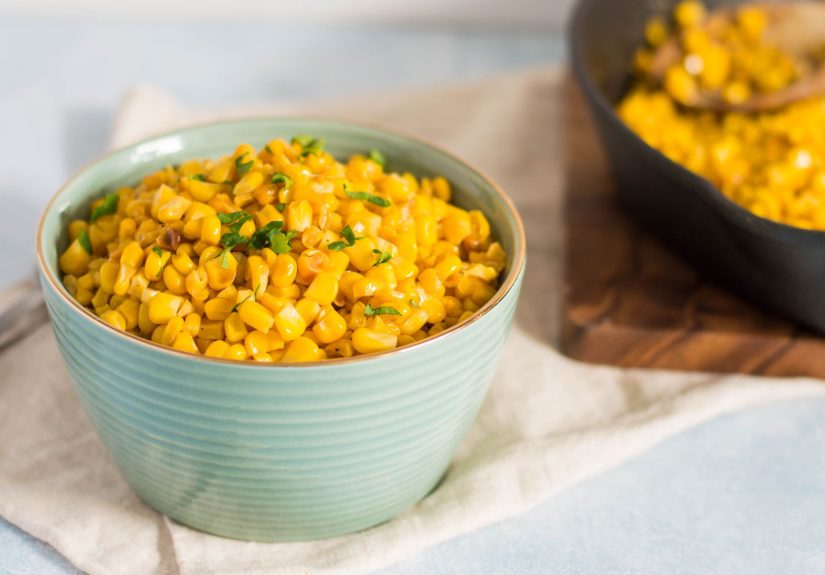
Skillet-fried corn is exactly what it sounds like: corn kernels cooked in a skillet until tender, glossy, and
lightly browned. The “fried” part isn’t deep-friedit’s more like pan-fried, where the corn picks up flavor from
butter and/or bacon drippings and develops little toasted spots that taste like popcorn’s cooler cousin.
The classic versions lean into two tricks that make a huge difference:
- High-contact heat (a hot pan + enough fat to keep things moving) for browning and caramelization.
- “Corn milk”the starchy, sweet liquid you scrape from the cobs after cutting off the kernels. It
naturally thickens the pan juices and boosts corn flavor without turning the dish into soup.
Ingredients
This recipe is designed to be “classic” first, with optional add-ons that let you steer toward creamy Southern
fried corn when the mood strikes.
Core Ingredients (Classic Skillet-Fried Corn)
- 6 ears fresh sweet corn (about 4 cups kernels)
- 2 tablespoons bacon drippings or 2 tablespoons salted butter (or a mix)
- 2 tablespoons unsalted butter (for extra richness and better browning control)
- 1 to 2 teaspoons sugar (optional, but it helps caramelize)
- 1/2 teaspoon kosher salt, plus more to taste
- 1/4 teaspoon black pepper, plus more to taste
Optional (But Honestly Amazing) Add-Ons
- 1/2 small onion, finely chopped (sweeter, more “Southern supper”)
- 1 small garlic clove, minced (adds aroma; don’t let it burn)
- 2 to 4 tablespoons whole milk or heavy cream (for a creamy finish)
- 1 tablespoon all-purpose flour (for a thicker, gravy-ish coatingsee variations)
- Chives, parsley, basil, or green onions (freshness + color)
- Jalapeño, cayenne, or chili flakes (if you like your corn to have opinions)
Fresh vs. Frozen Corn
Fresh corn is the gold standard because you get that “corn milk” and the clean, sweet pop of peak-season kernels.
But you can absolutely use frozen corn when fresh isn’t available. The move: thaw it completely and pat it dry so
it browns instead of steaming. If you’re craving the creamy texture you’d normally get from scraped cobs, add a
little extra cream at the end.
How to Make Classic Skillet-Fried Corn
Step 1: Cut the kernels off the cob (without launching corn across the kitchen)
Stand an ear of corn upright and slice downward with a sharp knife. For less mess, set the pointed end into the
center hole of a Bundt pan so the kernels fall neatly into the pan. No Bundt pan? Nest a small bowl upside-down
inside a larger bowl and stand the cob on the small bowlsame idea, fewer rogue kernels.
Step 2: Scrape the cobs for “corn milk”
After you cut off the kernels, run the back of your knife down the cob to scrape out the starchy liquid and any
remaining bits. Add that to your bowl of kernels. This is the quiet little step that makes the finished dish taste
like corn turned up to 11.
Step 3: Heat the skillet and add the fat
Place a heavy skillet (cast iron is a classic) over medium-high heat. Add bacon drippings and butter. If you’re
using mostly butter, keep an eye on itlower the heat slightly if it’s getting too dark too fast.
Step 4: Sauté aromatics (optional)
If using onion, add it now and cook 2–3 minutes until it softens. Add garlic for the last 30 seconds, just until
fragrant. The goal is “smells amazing,” not “we accidentally made garlic chips.”
Step 5: Add corn and cook until tender and browned
Add the corn (plus the scraped “corn milk”) to the skillet. Stir to coat in the fat. Cook 8–12 minutes,
stirring frequently. You’re looking for tender kernels with light browning in spots. If you want deeper color,
let the corn sit for 30–45 seconds between stirs so it can actually make contact with the hot pan.
Step 6: Season and (optionally) go creamy
Sprinkle in salt, pepper, and sugar (if using). Stir constantly for about 1–2 minutes to help the sugar melt and
caramelize without scorching.
Want it creamy? Stir in 2–4 tablespoons milk or cream and cook 1–3 minutes until it coats the kernels. The
scraped corn liquid helps thicken naturally, so you don’t need much.
Step 7: Finish and serve
Taste and adjust seasoning. Top with fresh herbs or crumbled bacon if you’ve got it. Serve hotbecause skillet-fried
corn waits for nobody.
Pro Tips for Skillet-Fried Corn That Tastes Like It Came From Someone’s Grandma (In a Good Way)
1) Don’t overcrowd the pan
Corn needs space to brown. If your skillet is small, cook in two batches. Otherwise, you’ll get steamed corn
which is fine, but it’s not the point of a skillet-fried corn recipe.
2) Stir less than you think (but not zero)
Constant stirring prevents browning. No stirring leads to scorched sugar and corn glue. The sweet spot is frequent
stirring with short “rest” moments to develop toasted spots.
3) Use the sugar strategically
Corn is already sweet, yes. But a tiny bit of sugar encourages caramelization and balances salt and bacon fat.
Think of it as seasoning, not dessert.
4) If it’s splattering like a tiny fireworks show, your corn is too wet
Pat frozen corn dry, and don’t rinse fresh kernels right before cooking. Moisture + hot fat = drama. Delicious drama,
but still drama.
5) Cast iron helps, but isn’t mandatory
A well-seasoned cast iron skillet browns beautifully and holds heat like a champ. But any heavy-bottom skillet can
workwhat matters is even heat and enough surface area.
Skillet-Fried Corn Variations (Choose Your Own Adventure)
Creamy Southern Fried Corn (Silky-Coated Kernels)
Add 1/3 to 1/2 cup heavy cream or whole milk near the end and cook until it reduces slightly. This version is
rich, spoonable, and suspiciously good next to anything smoky off a grill.
Thicker “Gravy-Coated” Fried Corn (Roux-Style)
Prefer a thicker coating? Stir 1 tablespoon flour into the hot fat for 1–2 minutes (keep it pale), then add corn
and a splash of milk. Cook until thickened. This gives you that comfort-food texture that clings to every kernel.
Bacon, Pepper, and Onion Skillet Corn (Bigger, Bolder)
Cook chopped bacon first, then sauté chopped onion and green bell pepper in the drippings. Add corn and cook low
and slow until tender. It’s a heartier, diner-style take that’s basically a side dish and a personality.
Spicy Fried Corn
Add minced jalapeño with the onion, or finish with cayenne/chili flakes. A squeeze of lime and chopped cilantro
can push it into a bright, zippy direction while still keeping the skillet-fried vibe.
Corn + Tomatoes (Summer in a Skillet)
Toss in halved cherry tomatoes or diced fresh tomatoes near the end. They’ll soften and create a glossy, sweet-tangy
pan sauce that tastes like July decided to be helpful.
Herby Finish
Fresh chives, basil, parsley, or green onions wake up the richness. Add herbs at the end so they stay bright and
don’t turn into sad green confetti.
What to Serve With Classic Skillet-Fried Corn
This dish plays well with almost anything, but it truly shines with:
- Fried chicken, grilled chicken, or crispy chicken cutlets
- Pork chops (especially with a little peppery pan sauce)
- BBQ ribs, pulled pork, brisket, or smoked sausage
- Burgers and hot dogs (corn loves a cookout)
- Salmon or shrimp (surprisingly great with the creamy version)
- A “vegetable plate” lineup with beans, sliced tomatoes, and cornbread
Storage, Reheating, and Make-Ahead Notes
How to store leftovers
Cool and refrigerate in an airtight container for up to 3–5 days. You can also freeze skillet-fried corn; it holds
up best when it’s the classic (non-extra-creamy) version. Frozen storage can last several months, and longer if
well sealed.
How to reheat without turning it into mush
Reheat in a skillet over medium heat with a small pat of butter. If it seems dry, add a teaspoon or two of water
or milk and stir until glossy. Microwave reheating works in a pinch, but a skillet brings back texture.
Make-ahead tip
You can cut the corn kernels a few hours ahead and refrigerate them. Cook right before serving for the best
browning and freshest flavor.
Conclusion
Classic skillet-fried corn is proof that simple food can still feel special. With sweet corn, a hot skillet, and a
little fat, you get a side dish that’s smoky (if you use bacon), buttery, and perfectly brownedno fancy gadgets,
no big cleanup, and absolutely no one pretending they’re “just having a small spoonful.”
Make it classic and caramelized, go creamy and comforting, or toss in peppers and herbs for extra personality.
Either way, this is the kind of recipe that earns a permanent spot in your summer rotation.
Kitchen Experiences & Real-Life Corn Moments (Extra ~)
Skillet-fried corn has a funny way of becoming the “accidental star” of a meal. You can plan a whole dinner around
the main dishmarinated chicken, a fancy salad, maybe even a dessert that involves effortand then the corn shows up
and steals the spotlight like it pays rent.
In a lot of home kitchens, it starts the same way: someone bought too much corn. Maybe it was a farmers’ market
situation (“These are the sweetest ears you’ll ever taste!”), or maybe it was a grocery-store sale that felt like
a personal challenge. Either way, you end up with a pile of corn on the counter and the creeping realization that
boiling it every night is going to get old by Thursday.
That’s where the skillet comes in. People who grew up eating fried corn often talk about the sound firstthe gentle
sizzle when kernels hit hot bacon drippings, the soft scrape of a wooden spoon against cast iron, the occasional pop
that reminds you corn is basically a tiny edible firecracker. Then there’s the smell: butter getting nutty, corn
getting toasty, and (if you go the bacon route) that smoky edge that makes everyone wander into the kitchen asking,
“What are you making?”
One of the most relatable skillet-fried corn experiences is learning the difference between “stirring” and
“hovering.” Corn doesn’t need constant babysitting, but it does need attentionespecially once sugar or milk enters
the chat. Many cooks figure out the rhythm after one slightly-too-brown batch: stir, let it sit, stir again, and
don’t walk away to check your phone like the corn can’t hold a grudge. The upside is that once you get it right,
the payoff is immediate: kernels that are tender but still snappy, with browned bits that taste like concentrated
summer.
Another common moment is the “corn milk revelation.” Someone shows you to scrape the cobs with the back of a knife,
and suddenly you understand why certain versions taste richer without being heavier. It’s the kind of small technique
that feels like a family secreteven though it’s really just smart cooking. And once you’ve done it, you’ll never
look at a “clean” corn cob the same way again. You’ll see potential. You’ll see thickening power. You’ll see the
difference between good and great.
Then there’s the serving situation. Skillet-fried corn rarely makes it to the table untouched. People “taste for
seasoning” and somehow taste for seasoning again. Someone grabs a spoon “just to try it,” and the spoon returns empty
like it had nothing to do with it. If you’ve ever watched a skillet of fried corn shrink by 25% before dinner,
congratulationsyou’ve experienced the dish exactly as intended.
And the best part? It’s flexible. If the corn is super sweet, you can skip the sugar. If it’s not at peak-season
perfection, a splash of cream can bring back that cozy, silky vibe. If the meal needs color, herbs fix it. If the
crowd wants heat, jalapeño shows up. Skillet-fried corn isn’t just a recipeit’s a reliable, delicious solution for
those very real moments when you want dinner to feel like home, even on a random weeknight.