Table of Contents >> Show >> Hide
- What Makes a Classic Small Iron Hook So Timeless?
- Where a Classic Small Iron Hook Works Best
- How to Choose the Right Classic Small Iron Hook
- Installation Tips That Save Your Wall and Your Mood
- Styling Ideas for a More Collected Look
- Care and Maintenance: Keep the Charm, Lose the Rust
- Why a Classic Small Iron Hook Is Worth It
- Experiences With a Classic Small Iron Hook
- Conclusion
- SEO Tags
Some home upgrades arrive with fireworks. A new kitchen island? Fireworks. A fancy light fixture? Fireworks and probably a small argument about installation. But the classic small iron hook is different. It is the quiet overachiever of home organization: compact, sturdy, handsome, and strangely satisfying. It does not scream for attention, yet it somehow makes a room feel more finished, more useful, and less like your jacket is planning a hostile takeover of the nearest chair.
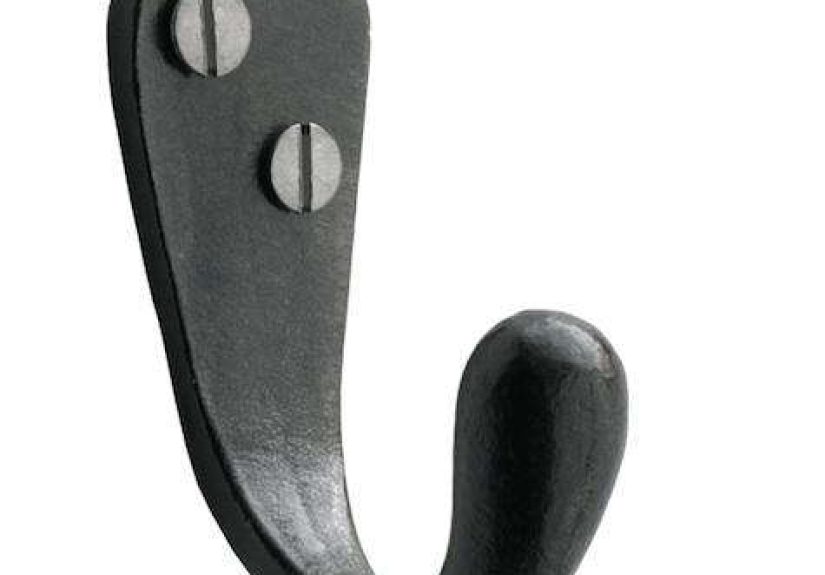
A classic small iron hook combines function with old-school charm. It can hold a robe in the bathroom, a dog leash by the door, an apron in the kitchen, or a market tote in a mudroom. It also brings texture to a wall. Iron has visual weight, even when the hook itself is small. That means a simple hook can do two jobs at once: keep clutter off the floor and make the room look intentionally designed rather than accidentally lived in.
If you are decorating a traditional farmhouse, a cottage-style entry, an industrial loft, or even a modern home that needs a little warmth, this tiny hardware hero earns its keep. In this guide, we will look at what makes a classic small iron hook timeless, how to choose the right one, where to use it, how to install it without regretting your life choices, and why this humble piece of hardware continues to outlast trendier storage gadgets.
What Makes a Classic Small Iron Hook So Timeless?
The word classic matters here. A classic small iron hook is not trying to be flashy. It usually has a simple curved profile, a dark or weathered finish, and a shape that looks as though it would feel right at home in a century-old mudroom or a newly renovated bungalow. That is the beauty of it. Good design does not always chase attention. Sometimes it just quietly belongs.
Iron has long been associated with durability and utility, but it also carries character. Unlike plastic hooks or overly shiny hardware, iron has a grounded, tactile look. It can feel rustic, industrial, vintage, colonial, or even minimalist depending on the exact finish and silhouette. A small iron hook may be tiny, but visually it punches above its weight.
Why homeowners still love iron hooks
First, they are versatile. A classic small iron hook fits into entryways, kitchens, bathrooms, bedrooms, closets, garages, and laundry rooms. Second, they age well. Minor wear often adds charm instead of ruining the look. Third, they are practical. Many small wall hooks are designed to hold everyday essentials without taking up precious floor space, which is excellent news for apartments, narrow hallways, and homes where every square inch is already working overtime.
The “small but mighty” appeal
The best small iron hooks do not require a giant wall or a dramatic installation plan. One hook can solve one problem beautifully. A pair can create balance. A row can build a functional drop zone. That is why they remain popular: they can be decorative, but they never stop being useful.
Where a Classic Small Iron Hook Works Best
If your home has a wall, there is a decent chance it can benefit from a hook. That may sound dramatic, but only slightly. The magic of a classic small iron hook is that it makes everyday routines easier without looking like office storage equipment escaped into your hallway.
Entryway
This is the obvious superstar location. Install one for each family member, or use a short row for light jackets, crossbody bags, umbrellas, and keys. A small iron hook helps create a drop zone near the door so things stop wandering around the house like confused tourists. Pair the hooks with a narrow bench or catchall tray, and your entry suddenly looks organized on purpose.
Bathroom
A classic small iron hook is perfect for robes, hand towels, or a woven bath basket. The dark metal adds contrast against tile, painted beadboard, or light walls. If you love a vintage bath look, iron hooks feel right at home beside framed mirrors, wood vanities, and linen towels.
Kitchen
Use one hook for an apron, another for oven mitts, and maybe one more for a reusable shopping bag. If you have open shelving or a coffee nook, a small iron hook can add that collected, lived-in quality designers are always chasing with suspiciously expensive accessories.
Bedroom and closet
Hooks near a closet can hold tomorrow’s outfit, a favorite hat, or a handbag you use every day. In a child’s room, a low-mounted small iron hook can encourage jackets and backpacks to land somewhere other than the floor. Will it solve all household mess? No. But it does improve the odds.
Laundry room, mudroom, or utility area
These spaces thrive on simple systems. Hooks can hold lint brushes, light tote bags, cleaning aprons, or reusable cloths. In hardworking zones, classic iron looks less delicate than polished decorative hardware and usually feels more appropriate.
How to Choose the Right Classic Small Iron Hook
Not all hooks are created equal. Some are built for decorative light-duty use. Others are ready to handle heavier everyday items. A smart choice depends on what you want to hang, where you want to install the hook, and how much patience you have for redoing wall hardware later.
1. Consider the intended load
A hook for keys is different from a hook for a backpack stuffed like it is preparing for a two-week expedition. If you plan to hang towels, caps, or a light bag, most small hooks will do the job. If you want the hook to hold a heavy coat, loaded tote, or full backpack, choose a sturdier wall-mounted design and pay close attention to installation.
This is where common sense beats optimism. A tiny decorative hook may look charming, but if you ask it to hold your winter parka, laptop bag, and emotional baggage all at once, the wall may file a formal complaint.
2. Look at the hook profile
Some classic small iron hooks have a single curved arm. Others have a double-prong design. A single hook tends to look cleaner and more minimal. A double hook adds extra hanging options and can be better for coats and scarves. If your style is restrained and simple, choose a single hook. If your household generates layers, hats, and mystery tote bags, a double version may be more useful.
3. Pay attention to finish
Iron hooks come in finishes such as matte black, antique iron, oil-rubbed bronze, distressed brown, and weathered gray. The finish changes the mood. Matte black feels crisp and versatile. A softened antique iron finish feels vintage and relaxed. Distressed finishes work well in farmhouse, cottage, and rustic interiors.
Choose a finish that relates to nearby hardware. It does not need to match perfectly, but it should make sense next to doorknobs, mirror frames, light fixtures, or cabinet pulls. Think coordination, not a strict family reunion.
4. Check mounting style
Some small iron hooks include screws and anchors. Others require separate hardware. Some have one mounting point, while others have two. In general, two mounting points provide a more stable feel for everyday use. A single-point hook can work well for lighter applications or very small items, but it may rotate if poorly installed.
Installation Tips That Save Your Wall and Your Mood
Even the prettiest hook is only as useful as its installation. A hook that wiggles, tilts, or tears out of drywall is less “classic charm” and more “weekend repair project.”
Mount into a stud when possible
If you are hanging anything with real weight, mounting into a wall stud is the gold standard. It provides better support and reduces the chance of the hook pulling loose over time. This matters most in entryways and mudrooms, where a seemingly innocent coat can become surprisingly heavy once you add keys, gloves, and whatever is lurking in the pockets.
Use the right anchor for the wall type
If you cannot hit a stud, use anchors that are appropriate for drywall, plaster, masonry, or tile. The wrong anchor is a shortcut to disappointment. A strong hook paired with weak mounting hardware is like putting racing tires on a shopping cart. The intention is admirable. The execution is not.
Think about spacing and height
For a row of hooks, leave enough space so coats and bags do not overlap into one giant fabric sandwich. In an entryway, adult hooks should generally be easy to reach without stretching. For kids, lower placement encourages independence. In a bathroom, place hooks where towels can hang freely and dry well rather than bunching against a cabinet or door frame.
Styling Ideas for a More Collected Look
A classic small iron hook is practical, but it also contributes to the room’s style. That means placement matters visually, not just functionally.
Create a mini feature wall
Install three or five matching hooks on a painted wood board for a custom rack effect. This works beautifully in farmhouse and cottage interiors, especially when the wood has natural grain or a slightly weathered finish.
Mix with natural materials
Iron looks excellent with wood, woven baskets, linen, leather, and ceramic accents. A dark hook against white shiplap or warm oak creates contrast that feels intentional and timeless.
Use symmetry when you want polish
Two hooks placed evenly on either side of a mirror or shelf can make a room feel more tailored. This works especially well in bathrooms and guest rooms, where small details help the space feel finished.
Care and Maintenance: Keep the Charm, Lose the Rust
One reason people love classic iron hardware is that it does not have to look brand new to look good. Still, a little care goes a long way.
Dust the hook regularly and wipe it with a soft, dry or slightly damp cloth when needed. In humid areas, make sure the finish remains intact. If the hook is bare or lightly protected metal, moisture can eventually encourage rust. That does not mean panic. It means attention. If you notice surface rust, remove it gently, dry the area well, and refinish or protect the metal if appropriate.
In bathrooms, laundry rooms, or covered outdoor spaces, choose hooks with finishes designed to hold up better around moisture. If you are repainting or reviving an old iron hook, prep matters. Clean the surface, remove loose rust, and use products intended for metal so the finish adheres properly and adds protection rather than peeling off the minute humidity enters the chat.
Why a Classic Small Iron Hook Is Worth It
Some home items are all style and no substance. Others are useful but unattractive enough to make you hide them the second guests arrive. The classic small iron hook sits happily in the sweet spot between the two. It is attractive enough to display, simple enough to use every day, and sturdy enough to earn permanent status on your wall.
It also solves a very modern problem: too much stuff, not enough graceful storage. When floor space is tight, vertical storage becomes the sensible answer. A small iron hook lets you use the wall without turning your home into a hardware aisle. It is compact, elegant, and refreshingly honest about what it is built to do.
That is why this tiny piece of hardware continues to win. It is not trendy. It is dependable. It does not demand attention, yet it improves a room every single day. In design terms, that is called timeless. In real life, that is called finally having somewhere to hang your bag.
Experiences With a Classic Small Iron Hook
One of the best things about a classic small iron hook is how quickly it proves its value in real life. You may buy it for one reason, then discover three more within a week. In a small apartment, for example, a single iron hook by the front door can completely change the daily rhythm of the space. Instead of tossing a light jacket over a dining chair and dropping keys on whatever surface seems lucky, everything gets a home. The result is not just tidier. It feels calmer. You walk in, hang your coat, drop your bag, and suddenly your home greets you like it has its life together.
In family homes, the experience is even more revealing. A row of small iron hooks in the entry can help turn chaos into a manageable routine. One hook per person sounds simple, but it works. Children understand it, guests understand it, and tired adults who have been carrying groceries, backpacks, and a coffee they forgot to finish definitely understand it. The trick is not to expect one little hook to hold an entire winter wardrobe. The families who get the most out of hooks treat them like landing pads for daily essentials, not long-term storage for every coat ever manufactured.
Bathrooms tell another interesting story. Many people add a small iron hook because they want a prettier place for a robe or hand towel. Then they realize it adds character as much as convenience. A plain wall becomes more layered. The room starts to feel styled instead of merely functional. Guests notice that kind of detail. They may not compliment the hook directly, because that would be a very specific personality trait, but they will notice the space feels polished and welcoming.
There is also a surprising emotional side to small upgrades like this. A classic iron hook can make you feel more organized because it supports better habits without making them difficult. Hanging a tote on a hook is easier than opening a closet. Looping a dog leash onto a hook by the door is faster than hunting through drawers while a very enthusiastic dog performs a tap dance in your hallway. The easier the system, the more likely people are to use it.
Older homes benefit from these hooks in a special way because the material feels appropriate to the architecture. Iron does not look like an afterthought in a vintage home. It looks like it belongs there. Even in newer homes, adding classic iron hardware can soften spaces that feel too slick or generic. It adds age, texture, and a sense that someone made a style decision rather than just grabbing the cheapest plastic option from a bin under fluorescent lighting.
The most consistent experience people report, though, is simple: these hooks earn trust. Once installed properly, they become part of the daily routine without asking for much. That is rare in home décor. Plenty of items look good for a month and then become background clutter. A classic small iron hook does the opposite. The longer it is there, the more useful it becomes. It may be one of the least glamorous purchases in a home project, yet it often ends up being one of the most satisfying.
Conclusion
A classic small iron hook is proof that useful design does not have to be loud. It can be modest, handsome, affordable, and hardworking all at once. Whether you use one in an entryway, line up several in a mudroom, or tuck a single hook into a bathroom or bedroom, the effect is immediate: less clutter, better flow, and a bit more charm. In a world full of oversized storage solutions and overdesigned gadgets, the small iron hook remains refreshingly simple. It holds what you need, looks better with age, and quietly makes the room work harder for you. That is the kind of classic worth keeping.