Table of Contents >> Show >> Hide
- What counts as a “GLP-1,” anyway?
- The most common GLP-1 side effects (the usual suspects)
- At-a-glance: what’s common vs. what needs a call
- Why side effects often hit early (and why they often improve)
- How to manage common GLP-1 side effects (without living on crackers)
- Side effects that depend on your other meds
- Rare but serious GLP-1 side effects (know the red flags)
- Pancreatitis (inflammation of the pancreas)
- Gallbladder problems (gallstones or gallbladder inflammation)
- Kidney injury from dehydration
- Severe GI slowing, bowel blockage, or “this is not normal constipation”
- Thyroid tumor warning (for certain GLP-1 medications)
- Procedures and anesthesia: tell your care team
- When side effects mean your dose (or medication) might need adjusting
- Experiences: what people commonly notice in real life (and how they cope)
- Experience #1: “Week 1 was fine… then dose week hit me.”
- Experience #2: “I’m not hungry… and now I’m tired and cranky.”
- Experience #3: “Constipation snuck up on me like a villain in a movie sequel.”
- Experience #4: “I ate fast food and immediately regretted every life choice.”
- Experience #5: “My symptoms improved… once I stopped fighting the ‘full’ signal.”
- Conclusion
- SEO Tags
Quick note: This article is for general education and isn’t medical advice. If you’re having severe symptoms (like nonstop vomiting, severe belly pain, or signs of dehydration), contact a clinician urgently.
GLP-1 medications have a reputation: they help a lot of people manage blood sugar and/or lose weight… and they can also make your stomach feel like it’s auditioning for a dramatic soap opera. The good news? Most side effects are predictable, manageable, and often improve as your body adjustsespecially when you start low and increase slowly.
Let’s walk through what’s common, what’s not normal, and how to make the ride a little smoother (without living on plain toast forever).
What counts as a “GLP-1,” anyway?
GLP-1 receptor agonists (often just called “GLP-1s”) mimic or enhance the effects of a natural gut hormone that helps regulate appetite, digestion, and blood sugar. Some well-known examples include semaglutide (often recognized by brand names used for diabetes and weight management), liraglutide, dulaglutide, and exenatide. There are also “cousins” like tirzepatide, which activates GLP-1 plus another hormone pathway (GIP), but shares many of the same side effectsespecially gastrointestinal (GI) ones.
Why do side effects happen? Because GLP-1s do what they’re designed to do: slow stomach emptying, increase fullness, and change gut signaling. Your body may need time to adapt.
The most common GLP-1 side effects (the usual suspects)
If GLP-1 side effects had a group chat, it would be called “GI Issues + Occasional Drama.” Here are the most common ones people report.
Nausea
Nausea is the headline act for many GLP-1 users. It often shows up when you first start or after you increase your dose. It can feel like mild queasiness, or it can feel like your stomach is gently waving a white flag after three bites of dinner.
- Typical triggers: large meals, greasy foods, eating fast, overeating “just to be polite.”
- What helps: smaller meals, slower eating, and stopping when you feel comfortably full (not “Thanksgiving full”).
Vomiting
Vomiting is less common than nausea, but it can happenparticularly during dose escalation or if you eat a heavy, high-fat meal that sits in the stomach longer than expected.
Important: Repeated vomiting can lead to dehydration and other complications. If you can’t keep fluids down, don’t “tough it out.” Call your prescriber or seek urgent care.
Diarrhea
Some people experience loose stools, urgency, or more frequent bathroom tripsespecially early on. It may come and go, and it can be worse if your diet suddenly changes (for example, if you’re forcing a “perfect” high-fiber diet overnight).
- What helps: hydration, gentle foods, and gradual changes in fiber intake.
Constipation
Yes, GLP-1s can cause diarrhea… and constipation. The digestive system contains multitudes. Slower stomach emptying and reduced food intake can slow things down further down the line.
- What helps: water, fiber (slowly increased), daily movement, andif your clinician says it’s okayan occasional stool softener or gentle laxative plan.
Abdominal pain, bloating, gas, burping, heartburn, “upset stomach”
GLP-1s can cause a general collection of “my stomach is being weird” symptoms: belly discomfort, bloating, more burping, gassiness, indigestion, and sometimes reflux/heartburn. The slowdown in digestion can make certain foods linger longer, which can be… socially inconvenient.
Decreased appetite (and sometimes food aversions)
A reduced appetite is part of how these medications work. Some people also notice stronger taste changes, cravings disappearing, or sudden disinterest in foods they used to love. (RIP, late-night snacks.)
Watch-outs: If appetite drops so much that you’re not meeting basic nutrition or protein needs, side effects can worsen and fatigue can creep in.
Headache, fatigue, dizziness
These can occur, especially early on. Sometimes they’re medication-related; other times they’re a sign you’re eating significantly less, not drinking enough, or your blood sugar is changing quickly.
Injection-site reactions (for injectable GLP-1s)
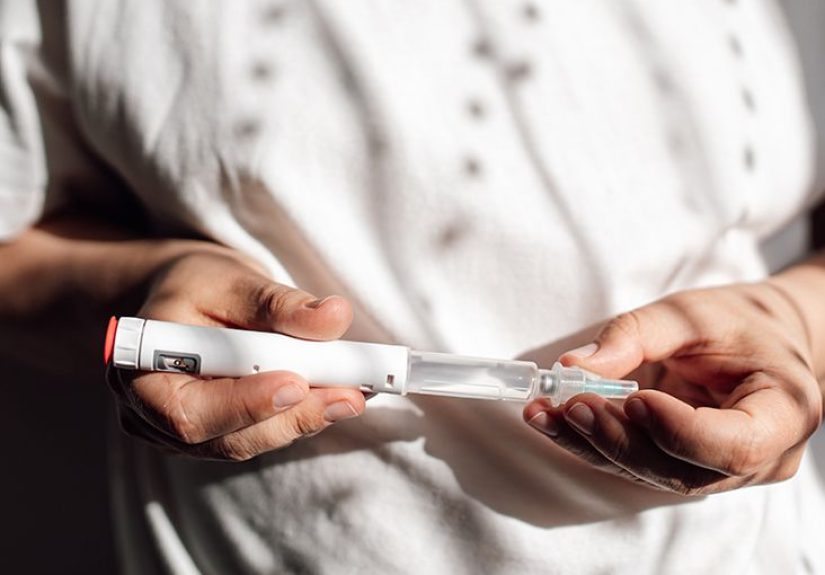
Mild redness, itching, or soreness at the injection site can happen. Rotating injection locations and using proper technique often helps.
At-a-glance: what’s common vs. what needs a call
| Symptom | Common? | Usually shows up when | What you can try | When to call a clinician |
|---|---|---|---|---|
| Nausea | Very common | Start or dose increase | Small meals, avoid greasy foods, eat slowly | Severe, persistent, or prevents eating/drinking |
| Vomiting | Common | Start/dose increase, heavy meals | Fluids, bland foods, pause large meals | Can’t keep fluids down, signs of dehydration |
| Diarrhea | Common | Early weeks, diet changes | Hydration, gentle foods, gradual fiber | Severe, bloody stools, dehydration |
| Constipation | Common | Early weeks or ongoing | Water, fiber, movement, clinician-approved meds | Severe constipation, belly swelling, no bowel movement for days with pain |
| Severe belly pain | Not typical | Any time | Stop guessing and call | Urgent evaluation (possible pancreatitis/gallbladder issue) |
Why side effects often hit early (and why they often improve)
Many people notice symptoms most strongly during the first few weeks or during dose increases. That’s because the medication’s effects on appetite and digestion are ramping up. With time, the body often adapts, and symptoms may lessenespecially if dose escalation is gradual and food choices are gentle on the gut.
In plain English: starting too high, escalating too fast, or eating like you’re not on a digestion-slowing medication can turn “mild nausea” into “I’d like to file a complaint with my stomach.”
How to manage common GLP-1 side effects (without living on crackers)
1) Eat smaller mealslike, actually smaller
Because GLP-1s increase fullness and slow digestion, large meals can sit longer and trigger nausea, reflux, and discomfort. Try smaller portions more often, and stop at “satisfied,” not “stuffed.”
2) Be selective with fat (especially at first)
Greasy, fried, and super-rich foods are frequent troublemakers. You don’t have to fear fat forever, but many people do better easing back in slowly.
3) Hydration is non-negotiable
If you’re eating less, you may also drink lesswithout realizing it. Add diarrhea or vomiting, and dehydration becomes a real risk. Keep water handy, consider electrolyte drinks if needed, and aim for steady sipping throughout the day.
4) Build a constipation plan before constipation builds a fortress
Constipation is easier to prevent than to “fix later.” Many people do well with:
- More fluids
- Gradual fiber increases (think: add one fiber-friendly food at a time)
- Daily walks or light activity
- Clinician-approved stool softeners or gentle laxatives if needed
5) Consider timing and routine
Some people prefer taking weekly injections on a day when they can rest or stay close to home (just in case). Others do better with consistent meal timing. There’s no universal “best,” but consistency helps you spot patterns.
6) Ask about anti-nausea options if needed
If nausea is persistent, your clinician may recommend dose adjustments or short-term medications. Don’t suffer in silencethere are options.
Side effects that depend on your other meds
Low blood sugar (hypoglycemia): usually a combo problem
GLP-1s alone have a lower hypoglycemia risk than some other diabetes medications. But when combined with insulin or sulfonylureas, the risk can rise. Symptoms may include shakiness, sweating, fast heartbeat, confusion, irritability, or feeling suddenly ravenous.
What to do: Work with your prescriber on medication adjustments, especially when starting or increasing a GLP-1.
Oral medication absorption
Because GLP-1s delay gastric emptying, they can affect how quickly some oral medications are absorbed. For most people, it’s not a major issuebut it’s a big reason you should tell your prescriber about every medication and supplement you take.
Oral contraceptives (especially with tirzepatide)
Some GLP-1–based therapies may reduce the reliability of oral contraceptives during initiation and dose increases. If you’re using an oral birth control pill, ask your clinician whether you should use a backup method during certain periods (especially after starting or escalating dose).
Rare but serious GLP-1 side effects (know the red flags)
Most people will never experience these. But you should recognize warning signs so you can act quickly if they occur.
Pancreatitis (inflammation of the pancreas)
Red flags: persistent, severe abdominal pain (sometimes radiating to the back), often with vomiting. If this happens, seek urgent medical evaluation.
Gallbladder problems (gallstones or gallbladder inflammation)
Rapid weight loss itself can increase gallstone risk, and some studies have found a modest increase in biliary events with GLP-1 therapy. Symptoms can include right upper abdominal pain, nausea, vomiting, fever, or pain after fatty meals.
Kidney injury from dehydration
Severe vomiting or diarrhea can cause dehydration, which can stress the kidneysespecially if you already have kidney disease or are taking certain medications. If you notice very dark urine, dizziness, fainting, confusion, or you’re barely urinating, get medical help.
Severe GI slowing, bowel blockage, or “this is not normal constipation”
GLP-1s slow digestion, but severe constipation, significant bloating, inability to pass stool or gas, or intense abdominal pain can signal something more serious. Don’t self-treat severe symptoms endlesslyget evaluated.
Thyroid tumor warning (for certain GLP-1 medications)
Several GLP-1 medications carry warnings about thyroid C-cell tumors observed in animal studies; it’s unknown whether this risk applies to humans in the same way. People with a personal or family history of medullary thyroid carcinoma (MTC) or MEN2 are typically advised not to use certain agents. Tell your clinician if you notice a neck lump, hoarseness, trouble swallowing, or shortness of breath.
Procedures and anesthesia: tell your care team
Because these medications slow stomach emptying, there has been evolving guidance on how to manage GLP-1s before procedures requiring anesthesia or deep sedation. The safest move is simple: tell your surgical/anesthesia team that you’re taking a GLP-1 well before the procedure so they can follow current recommendations for your situation.
When side effects mean your dose (or medication) might need adjusting
Side effects are not a moral failing. They’re data. Consider contacting your clinician if:
- Your nausea or reflux is persistent and affecting daily life
- You’re skipping meals regularly because eating feels “impossible”
- You can’t stay hydrated
- Constipation is severe or painful
- You’re losing weight extremely rapidly without a plan to maintain muscle and nutrition
Sometimes the solution is as simple as slowing dose escalation, pausing at a dose longer, changing dietary strategy, or switching to a different medication in the same class.
Experiences: what people commonly notice in real life (and how they cope)
These are composite, educational examples based on commonly reported patternsnot individual medical advice.
Experience #1: “Week 1 was fine… then dose week hit me.”
A common story is feeling okay on the starter dose, then getting slapped with nausea after the first dose increase. People often assume the medication “suddenly stopped agreeing” with them, but dose escalation is exactly when side effects tend to flare. What usually helps: staying on the new dose longer before increasing again, eating smaller portions (especially at dinner), and avoiding greasy foods for a few days post-injection. Many people also learn that eating too fast is basically a cheat code for nausea.
Experience #2: “I’m not hungry… and now I’m tired and cranky.”
Appetite suppression can be strongsometimes stronger than expected. Some people unintentionally under-eat, especially protein, and then feel wiped out, foggy, or headachy. A practical fix is to treat protein and hydration like non-negotiable basics: small protein-forward meals, smoothies, yogurt, eggs, tofu, fish, beanswhatever fits your preferences. People often report feeling better when they focus on “nutrient-dense small meals” instead of “I guess I’ll just nibble on air today.”
Experience #3: “Constipation snuck up on me like a villain in a movie sequel.”
Constipation often starts subtly: fewer bowel movements, then harder stools, then discomfort. Many people say they waited too long to address it. The patterns that tend to work: adding water earlier in the day, increasing fiber slowly (not overnight), walking daily, and having a clinician-approved backup plan (like a stool softener or osmotic laxative) before things get severe. People also learn that “more fiber” without “more water” can backfire.
Experience #4: “I ate fast food and immediately regretted every life choice.”
High-fat, highly processed meals are a frequent trigger for heartburn, nausea, bloating, and sometimes vomiting. People often report that GLP-1s turn certain foods into “instant consequences” foodsespecially early in treatment. Many end up building a personal “safe foods” list for injection week (think: soup, lean protein, rice, bananas, oatmeal, simple salads) and saving heavier meals for times when symptoms are calm. This isn’t about perfectionit’s about avoiding predictable misery.
Experience #5: “My symptoms improved… once I stopped fighting the ‘full’ signal.”
One of the most useful real-world insights is learning to stop eating earlier. GLP-1 fullness can kick in mid-meal, and pushing past it often leads to nausea later. People who do best long-term often describe a mindset shift: eating slower, pausing mid-meal, and accepting leftovers. The medication isn’t trying to ruin dinnerit’s giving your brain a different “I’m done” message. Listening to it tends to make side effects less intense.
The common theme across these experiences is that side effects often respond to slower dose increases, smaller meals, hydration, and nutrition planning. And if symptoms are severe or persistent, the best move isn’t willpowerit’s adjusting the plan with your clinician.
Conclusion
GLP-1 medications can be incredibly effective, but they’re not “set it and forget it.” The most common side effectsnausea, vomiting, diarrhea, constipation, abdominal discomfort, and fatigueare often most noticeable at the start or during dose increases. With practical strategies (smaller meals, gentler food choices, hydration, and a constipation plan), many people find symptoms improve over time.
Your goal isn’t to “power through” serious side effects. Your goal is to use the medication safely, sustainably, and with enough comfort that you can actually live your life. If your symptoms feel intense, unusual, or scary, get medical guidance promptly.