Table of Contents >> Show >> Hide
- At-a-Glance Specs
- What This Folding Tray Table Actually Is (and Isn’t)
- Design Breakdown: Why People Like This Table
- Materials & Durability: MDF + solid wood, explained like a human
- Everyday Use Cases (a.k.a. Why This Table Earns Its Keep)
- Food Safety Note: The “Not Intended for Direct Contact with Food” Line
- Portability Tips (Learned the Easy Way… and the Hard Way)
- Cleaning & Care: Keep It Looking Fresh
- Style & Finish Options: Make It Match (or Make It Loud)
- Pros & Cons (Straight Talk)
- How It Compares to Other Tray Table Options
- Who This Table Is Perfect For
- FAQ
- Final Take: A Small Table That Solves Big “Where Do I Put This?” Problems
- Real-Life Experiences With the Convenience Concepts Folding Tray Table (500+ Words)
Some furniture gets all the glorysectionals, statement coffee tables, that one bookshelf you “temporarily” used as a room divider for three years. And then there’s the humble folding tray table: quietly saving your couch from dinner plates, your laptop from overheating, and your sanity from “Where am I supposed to set this?” moments.
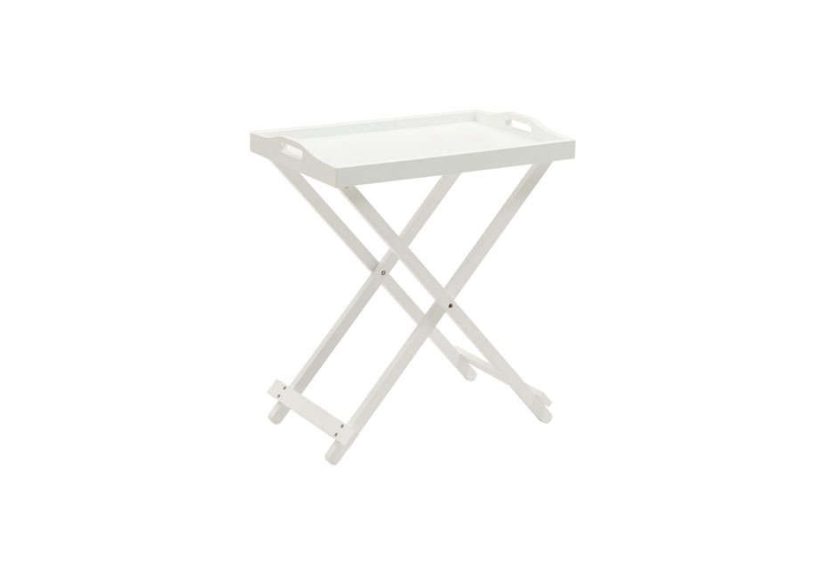
The Convenience Concepts Folding Tray Table (often sold under the Designs2Go line) is one of those small-space MVPs. It’s a compact, foldable side table with a removable tray topmeaning it can work as a TV tray, snack table, casual end table, or a portable serving tray. In other words: it’s the furniture equivalent of a reliable friend with a truck.
At-a-Glance Specs
Retail listings vary slightly by finish and seller, but here’s the core spec snapshot you’ll see most often for the Convenience Concepts folding tray table. (Translation: don’t panic if your box mentions a model number or color name you’ve never heard ofit’s still the same basic table.)
| Overall size | About 22″ (L) × 13.75″ (W/D) × 24.5″ (H) |
| Weight | Roughly 5.5–6 lb (light enough to move with one handpreferably the hand not holding nachos) |
| Materials | Manufactured wood/MDF top with solid wood components; painted finish (often described as non-lead/lead-free paint) |
| Design | Foldable base + removable tray top with cut-out handles |
| Assembly | Typically “no assembly” or minimal setup (unfold base, place tray on top); some listings label it as adult assembly |
| Warranty | Commonly listed as a 1-year limited warranty |
| Important note | Tray top is commonly stated as not intended for direct contact with food |
What This Folding Tray Table Actually Is (and Isn’t)
Let’s clear up expectations before your living room turns into a courtroom drama. The Convenience Concepts folding tray table is best described as a light-duty, portable surfacea clean, stable landing pad for everyday items: a plate, a bowl, a drink, a controller, a notebook, a craft project, a small plant, or a laptop for a short work session.
It’s not a heavyweight dining table, a step stool, or a “Sure, I can stack three cast-iron Dutch ovens on it” kind of situation. Its value is in flexibility: it shows up when you need it and disappears when you don’t.
Design Breakdown: Why People Like This Table
1) The removable tray top = instant upgrade
The removable top is the feature that makes this table feel more “intentional” than a basic folding TV tray. When you can lift the tray off and carry it, it suddenly becomes useful for entertaining, bringing snacks to the couch, or setting up a guest room with a “here are your water and towels” moment that looks like you have your life together.
The cut-out handles help with carrying, and the separation between tray and base means you can use the tray alone when needed. It’s a simple idea, but it adds a surprising amount of practicality.
2) Folding base = easy storage (even in small spaces)
Folding furniture is basically a love letter to apartment living. When folded, this table is designed to store more easily behind a couch, in a closet, next to a bookshelf, or tucked beside a dresser. If you’ve ever played “Where do I hide this?” after hosting, you understand why fold-flat matters.
3) Contemporary look without trying too hard
A lot of tray tables scream “temporary.” This one leans more like a compact accent table, especially in the darker finishes. It’s still casual, but it doesn’t look like it escaped from a folding-chair convention. It’s commonly marketed as contemporary/transitional, which is furniture-speak for “it won’t start an argument with your decor.”
Materials & Durability: MDF + solid wood, explained like a human
You’ll often see the top described as MDF (medium-density fiberboard) and the legs/frame described as solid wood (sometimes with manufactured wood also mentioned). MDF is common in affordable furniture because it’s smooth, stable, and takes paint well. The tradeoff is that MDF doesn’t love deep scratches, standing water, or steam from a lava-hot mug parked there with no coaster.
In practical terms: treat it like you’d treat a painted side table. Use coasters. Wipe spills quickly. Don’t soak it. If you do that, it can hold up nicely as an everyday helper.
Everyday Use Cases (a.k.a. Why This Table Earns Its Keep)
Movie-night command center
This is the classic. Put it next to the couch and suddenly you’re living like a responsible adult who doesn’t balance salsa on a throw pillow. The surface area is enough for a plate and a drink, and the height is in the neighborhood of standard end tables, so it feels natural.
Small-space “floating” end table
If you’re short on side tablesor you only need an extra surface sometimesthis works as a pop-up end table. Great for apartments, dorms, bonus rooms, and the “I’m still figuring out my layout” phase of life.
Light laptop or tablet station
Need a quick place to answer emails while sitting on the sofa? A folding tray table can be a handy laptop perch for short sessions. Bonus points if you add a small mouse pad for smoother tracking. (Your wrists deserve better than couch-cushion ergonomics.)
Craft table for kids (and stressed adults)
Crafts expand like glitter: you start with a small project, and suddenly your entire living room is “the craft room.” A tray table gives you a dedicated surface for markers, beads, paint cups (with supervision!), and paper stacks. When the project is done, you can move it out of the way fast.
Guest-room helper
In a guest room, it can act as a temporary nightstand. In a pinch, it can hold a water glass, a phone, and a book without requiring you to buy “real” bedroom furniture immediately.
Food Safety Note: The “Not Intended for Direct Contact with Food” Line
Many product descriptions for this table include a note that the tray top isn’t intended for direct food contact. Real-life takeaway: use a plate, bowl, napkin, or serving matbasically anything that keeps your pizza slice from being introduced to the paint finish on a first-name basis.
That note shouldn’t scare you off; it’s pretty common with painted trays and some manufactured-wood surfaces. It’s just the manufacturer saying, “Please don’t use this as a cutting board.”
Portability Tips (Learned the Easy Way… and the Hard Way)
- Move it by the base when it’s loaded. Because the tray top is removable, lifting by the tray alone can be awkward if the base doesn’t come with it.
- Keep weight centered. Like most small folding tables, it’s happiest when the load sits over the middle rather than hanging off one side.
- Add grip for slick items. A thin non-slip liner (like the kind used in drawers) can keep remotes and cups from sliding if you’re using it on plush carpet.
Cleaning & Care: Keep It Looking Fresh
For everyday care, think “gentle.” A soft cloth and quick wipe-down after use goes a long way. If you’re using it for drinks, coasters are your best friend. If you’re using it for crafts, a washable mat is a cheap insurance policy against permanent marker “art.”
And if you’re using it as a serving tray: carry with both hands and keep the tray level. It’s not a waiter’s tray, but it can absolutely play one on TV.
Style & Finish Options: Make It Match (or Make It Loud)
One reason this table keeps popping up across major retailers is the color variety. Depending on where you shop, you’ll see finishes ranging from neutrals (white, black, gray, espresso) to brighter statement colors. If you’re the type who loves a fun accent piece, this is an easy way to add color without committing to a full sofa in “Electric Teal.”
A practical note: product pages often mention that color may look different due to screen settings and lighting. If color matching matters, consider ordering from a retailer with easy returnsor embrace the surprise like it’s a mystery-flavor jellybean.
Pros & Cons (Straight Talk)
Pros
- Flexible: Works as a TV tray, snack table, portable side table, or serving tray.
- Space-saving: Foldable base makes storage easier in small homes.
- Lightweight: Easy to move from room to room.
- Looks more “furniture-y” than many tray tables: Especially in darker finishes.
- Removable tray top: Adds convenience and makes serving easier.
Cons
- Not heavy-duty: Best for everyday items, not serious weight or leaning pressure.
- Surface care matters: Painted/MDF surfaces prefer coasters and quick spill cleanup.
- Removable top requires a little awareness: You’ll want to lift/move it thoughtfully when loaded.
- Outdoor use isn’t the goal: This type of table is typically intended for indoor living.
How It Compares to Other Tray Table Options
Versus a classic folding TV tray set
Traditional TV tray sets are usually cheaper per table when you buy a set of four, but they can look more utilitarian. The Convenience Concepts folding tray table stands out with its removable tray top and more “accent table” vibe. If you only need one table (or you want it to look nicer), it’s a strong choice.
Versus a C-table
C-tables slide under the couch, which is fantastic for tight spaces. But they don’t fold, and they usually can’t double as a carrying tray. If you want maximum storage flexibility, folding wins. If you want a table that hugs your sofa every day, C-table wins.
Versus a rolling cart
Rolling carts hold more and move easily, but they take up permanent floor space. This folding tray table is the opposite: less capacity, more “hide it when you’re done.” Pick based on whether you need storage or a temporary surface.
Who This Table Is Perfect For
- Small-space dwellers who need flexible surfaces without adding clutter.
- Hosts who want an easy serving option for snacks and drinks.
- Families who need “extra table” moments for crafts, puzzles, and movie nights.
- Renters and dorm residents who want something useful now and easy to store later.
- Anyone building a guest room who needs a temporary nightstand or landing spot.
FAQ
Is the tray top removable?
Yesthis is one of its main selling points. The tray can be used on its own, and the base folds for storage.
Does it require assembly?
Many listings describe it as no-assembly or ready to use, with setup that’s basically unfolding the legs and placing the tray on top. Some retailers label it as adult assembly (often out of caution or because a minor step is involved). Either way, it’s not a “bring out the power tools” situation.
Can you place food directly on the tray?
Product descriptions commonly note that it’s not intended for direct contact with food. Use plates, bowls, napkins, or a serving mat.
Is it okay outdoors?
This style of table is typically intended for indoor use. Painted finishes and manufactured wood don’t love humidity, rain, or sun exposure.
Final Take: A Small Table That Solves Big “Where Do I Put This?” Problems
The Convenience Concepts Folding Tray Table is at its best when you treat it like what it is: a versatile, lightweight helper that makes everyday life easier. It’s especially compelling for small homes and multi-use spaces, where a full-size end table isn’t always practical.
If you want a portable table that folds away, looks cleaner than a basic TV tray, and gives you a removable tray top for serving, this one checks a lot of boxeswithout demanding a redesign of your living room or your budget.
Real-Life Experiences With the Convenience Concepts Folding Tray Table (500+ Words)
The best way to understand a folding tray table is to picture the moments it shows up forbecause this kind of furniture isn’t about making a statement. It’s about making life slightly less chaotic (and saving your sofa from becoming a buffet).
Imagine a typical weeknight: you’re hungry, you’re tired, and the couch is calling your name like it pays rent. You’ve got dinner in one hand, a drink in the other, and exactly zero interest in leaning forward to the coffee table every time you need a sip. This is where the Convenience Concepts folding tray table earns its keep. It parks next to you like a polite little valet, holding your plate and drink at a comfortable height. You don’t have to balance anything on your lap. Your knees feel respected. Your throw blanket remains innocent.
Then there’s “movie night logistics,” which is a fancy term for “snacks, remotes, and sudden opinions about what to watch.” A tray table becomes the command center: popcorn bowl, napkins, remote controls, maybe a phone charger cable that you swear you won’t trip over. Because the top is a tray, it feels natural to load it up in the kitchen and carry it intwo hands, steady steps, and the confidence of someone who has absolutely spilled salsa before and is determined not to repeat history.
The removable tray top also changes the entertaining game. If you’re hosting friends, you can use the tray to carry drinks or appetizers, then set it onto the folding base so people have a place to put things down. It’s not a formal party table, but it’s perfect for casual gatherings: game nights, sports watching, or “we ordered too much takeout again” evenings. And when everyone leaves, you fold it up and reclaim your space. No awkward furniture reshuffle required.
In small apartments (and in homes where every room has multiple jobs), this table often becomes a “floating surface.” One day it’s an end table by the couch. The next day it’s a mini desk for a laptop while you answer emails. Another day it’s a craft table holding scissors, tape, and a school project that was due yesterday. It’s the kind of piece that adapts to whatever your home is doing at the moment, which is exactly what modern living demands.
Of course, real life also includes learning curves. Because the top is removable, you quickly figure out the “carry strategy.” When the tray is loaded, you generally want to move the table by the base (or lift the tray itself separately) so you don’t get that surprise moment where the base stays behind like a sitcom character who missed their cue. The upside is that once you know how it behaves, it feels intuitivelike any tool you use regularly.
The most common “experienced user” move is adding a coaster, a placemat, or a small non-slip liner if you’re using it heavily for drinks and snacks. That tiny habit keeps the surface looking better longer and makes the table feel more secure in daily use. And that’s the real charm of this piece: it doesn’t demand perfection. It just quietly upgrades your day-to-day routinesone snack at a time.