Table of Contents >> Show >> Hide
- What Exactly Is a Cornish Hen?
- How to Choose Cornish Hens Like You’ve Done This Forever
- Storage Rules That Actually Matter (Temperature Is the Main Character)
- Refrigerator Storage for Raw Cornish Hens
- Freezer Storage: How to Keep Cornish Hens Tasting Great
- Safe Thawing Methods (AKA: Please Don’t Thaw It on the Counter)
- After Cooking: Storage, Leftovers, and Reheating
- How to Tell If a Cornish Hen Has Gone Bad
- Practical Examples: Putting Selection and Storage Into Real Life
- FAQ
- Real-World Kitchen Experiences (500+ Words of “Been There” Wisdom)
- Conclusion
Cornish hens are the dinner-party equivalent of showing up in clean sneakers: effortless, impressive, and wildly
achievable on a regular weeknight. They’re small, tender, and cook faster than a full chickenmeaning you can go from
“What’s for dinner?” to “Why yes, I did roast individual birds” without needing a culinary cape.
But here’s the not-so-glamorous truth: poultry is only fancy when it’s handled safely. The good news? Selecting and
storing Cornish hens is simple once you know what to look for. This guide covers how to pick the best birds, how to
store them (fridge and freezer), how to thaw them safely, and how to avoid the classic mistake of letting raw poultry
drip mystery juices onto your produce drawer. (Your spinach doesn’t deserve that.)
What Exactly Is a Cornish Hen?
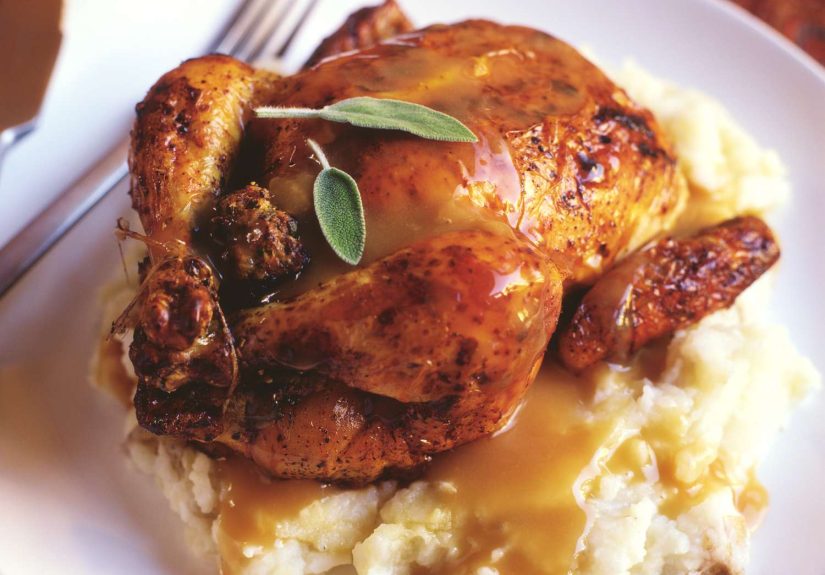
“Cornish game hen” (often called “Rock Cornish game hen”) is essentially a young chicken that’s processed while it’s
still smalltypically around 1 to 2 pounds ready-to-cook. Despite the name, it’s not a wild “game” bird, and it’s not
necessarily a hen (both males and females can be sold under the term). The size is the main attraction: one bird per
person feels special, portioning is easy, and roasting time is pleasantly short.
How to Choose Cornish Hens Like You’ve Done This Forever
1) Decide: Fresh or Frozen?
You’ll find Cornish hens sold both fresh and frozen. Fresh can be convenient if you’re cooking within a day or two.
Frozen is often the easiest option because it gives you flexibilityespecially if you’re planning a holiday, a date
night, or a “treat yourself” Tuesday two weeks from now.
- Pick fresh if you’ll cook within 1–2 days and you have fridge space.
- Pick frozen if you want longer storage or you’re buying ahead.
2) Check the Label (It’s Not Just Decorative)
Labels can tell you whether the bird is “fresh,” previously frozen, or “enhanced” (meaning it may contain a solution
like broth, salt, or flavorings). If you’re watching sodium, planning to brine, or aiming for crispy skin, those
details matter.
- “Fresh” has a specific meaning on poultry labels and generally indicates the product hasn’t been
held below the temperature where poultry begins to freeze. - “Enhanced” or “contains X% solution” means the bird may have added water/salthelpful for juiciness,
but it can change seasoning and browning.
3) Inspect the Packaging: No Leaks, No Drama
Whether fresh or frozen, packaging should look intact and clean. Avoid anything with tears, punctures, or visible
leakage. Leaking packages can contaminate your cart, your bag, your car, and your optimism.
For frozen hens, watch for signs of poor storage such as excessive ice crystals, a bird that looks severely dried out,
or packaging that’s been crushed and re-frozen. A little frost is normal; a “snow globe of freezer burn” is not ideal.
4) Choose the Right Size for the Meal
Most Cornish hens are meant to serve one person each. If you’re feeding big eaters or serving minimal sides, consider
one hen per person. If you’re doing a multi-course meal (or your guests are more “I’ll have a bite” than “I’ll have
two legs and the breast”), you can sometimes stretch two hens to serve three peoplejust don’t announce that at the
table like it’s a budgeting seminar.
5) Buy Them Last, Keep Them Cold, Get Them Home Fast
In the grocery store, pick poultry near the end of your trip. Keep it separate from ready-to-eat foods (like fruit,
salad greens, and that innocent bakery cookie you plan to eat in the car). Once you’re home, refrigerate or freeze
promptly. Use an insulated bag in warm weather or if you have a long drive.
Storage Rules That Actually Matter (Temperature Is the Main Character)
Safe storage is basically a temperature game:
keep the refrigerator at 40°F (4°C) or below and the freezer at 0°F (-18°C). If you
don’t already have a fridge thermometer, this is the moment to become a person who owns one. Guessing is not a food
safety strategy.
Also: store raw poultry in a way that prevents drips and cross-contamination. That usually means placing it in a sealed
container or on a rimmed tray on the bottom shelf, far away from foods that won’t be cooked.
Refrigerator Storage for Raw Cornish Hens
Raw poultry is a “use it soon” ingredient. Plan to cook refrigerated raw Cornish hens within 1–2 days.
If that window won’t happen, freeze them instead of playing fridge roulette.
- Keep raw hens cold (bottom shelf is ideal).
- Leave them in their packaging until you’re ready to prep, unless you’re transferring to a leak-proof container.
- Do not rinse raw poultry; it can spread germs around the sink and countertops.
- Marinate in the refrigerator, never on the counter.
Freezer Storage: How to Keep Cornish Hens Tasting Great
Freezing keeps food safe for a very long time, but quality is a separate issue. For best taste and texture, use frozen
poultry within recommended time frames. In general, a whole bird holds quality longer than cut pieces because there’s
less surface area to dry out.
Best-quality freezer timelines (general poultry guidance)
- Whole raw poultry: up to about 1 year for best quality
- Poultry parts: about 9 months for best quality
- Ground poultry/giblets: about 3–4 months for best quality
Wrap it like you mean it
If your Cornish hens are vacuum-sealed, you’re already winning. If not, consider overwrapping store packaging for
longer freezes. Air is the enemy of freezer quality; it causes freezer burn (which is safe but tastes like regret and
cardboard).
- Overwrap with freezer paper, heavy-duty foil, or a freezer bag if storing beyond a short time.
- Label with the date so you don’t discover “mystery poultry” six months later.
- Freeze quickly (don’t stack warm groceries around it in the freezer like you’re building a duvet).
Safe Thawing Methods (AKA: Please Don’t Thaw It on the Counter)
Thawing is where good intentions go to get foodborne illness. The counter is not a thawing methodit’s a bacteria
speed-run. Use one of these safe options instead:
Method 1: Refrigerator Thawing (Best for Planning Ahead)
Thawing in the refrigerator keeps the bird at a safe temperature the whole time. For a 1–2 lb Cornish hen, plan about
24 hours, though thicker birds may take longer. Place the package on a tray to catch any leaks.
Bonus: poultry thawed in the refrigerator can usually be kept cold for a short time before cooking, and it can be
refrozen if it stayed refrigerated (though you may lose a bit of quality).
Method 2: Cold Water Thawing (Faster, Requires Attention)
Keep the hen in a leak-proof bag, submerge in cold water, and change the water every 30 minutes.
Cook immediately after thawing. This method is great when you forgot to plan aheadlike most of us, most weeks.
Method 3: Microwave Thawing (Fastest, Cook Immediately)
Microwave thawing can create warm spots, so the rule is simple: cook right away. Don’t thaw in the
microwave and then “run errands.” That’s how poultry turns into a science project.
After Cooking: Storage, Leftovers, and Reheating
Cooked Cornish hen leftovers are fantastic for salads, sandwiches, soups, and that late-night “just one more bite”
situation. The key is cooling and storing them safely.
Cooling timeline
- Refrigerate within 2 hours of cooking (within 1 hour if the room is very hot).
- Use shallow containers so leftovers cool quickly.
How long leftovers keep
- Refrigerator: about 3–4 days
- Freezer (best quality): often 2–6 months depending on the dish and packaging
Reheating
Reheat leftovers until they’re steaming hot and reach a safe internal temperature (commonly 165°F for
poultry). A food thermometer removes the guessworkand keeps “Is this hot enough?” from becoming a household debate.
How to Tell If a Cornish Hen Has Gone Bad
Dates on packaging are mainly about quality, not a magical “safe until exactly 7:02 p.m.” promise. Use your senses
and safe storage timelines as your guide. If you notice any of the following, it’s time to toss it:
- Off, sour, or rotten smell
- Sticky or slimy texture
- Gray, greenish, or unusual discoloration
- Package that’s leaking or swollen
When in doubt, throw it out. No recipe is worth a food-safety gamble.
Practical Examples: Putting Selection and Storage Into Real Life
Example 1: “I’m cooking tomorrow night”
Buy fresh hens, keep them cold, refrigerate immediately, and cook within 24–48 hours. Store them on a tray on the
bottom shelf to avoid drips.
Example 2: “I’m planning a Valentine’s dinner next weekend”
Buy frozen hens, keep them frozen, and thaw in the refrigerator starting the morning (or night) before you cook. If
they’re still a bit icy, switch to cold-water thawing to finish safely.
Example 3: “I found a great sale and bought six”
Freeze them promptly. If they’re not vacuum-sealed and you’ll store them for a while, overwrap them to reduce freezer
burn. Label with the date and aim to use them within a year for best quality.
FAQ
Do I need to wash a Cornish hen before cooking?
No. Washing raw poultry can spread germs around your sink and countertops. Cooking to a safe temperature does the job
that rinsing can’t.
Can I brine or marinate Cornish hens overnight?
Yesin the refrigerator. Keep the bird cold, use a nonreactive container, and prevent drips or spills.
If the bird is “enhanced” with a salt solution already, reduce the salt in your brine so it doesn’t get overly salty.
Can I refreeze a thawed Cornish hen?
If it thawed in the refrigerator and stayed cold, refreezing is generally considered safe, though the texture may not
be as good. If it thawed in cold water or the microwave, cook it first.
What’s the safest internal temperature for Cornish hen?
Poultry is typically considered safe when it reaches 165°F measured with a food thermometer in the
thickest part of the meat (avoiding bone).
Real-World Kitchen Experiences (500+ Words of “Been There” Wisdom)
If you’ve ever bought Cornish hens because they looked adorable and then realized you had absolutely no plan for
storing or thawing themcongratulations, you’re a normal human. In real kitchens, the biggest “experience gap” isn’t
cooking; it’s timing. Cornish hens are small, but the food-safety rules aren’t. Many home cooks learn this the first
time they stash a “fresh” bird in the fridge on Monday and suddenly it’s Thursday and the hen is still sitting there
like, “Hey… remember me?” The lesson: raw poultry is not a “someday” ingredient. If you’re not cooking within a day
or two, freezing is the kindest thing you can do for both your dinner plans and your peace of mind.
Another common experience: freezer burn surprises. You pull out a frozen Cornish hen and it looks like it went on a
desert hike without sunscreendry patches, odd coloring, a little “crispy” around the edges. That’s usually a packaging
issue, not a safety issue. People often discover that the original store wrap is fine for short storage, but for longer
stretches it’s worth adding a freezer bag or another protective layer. Think of it as giving your bird a winter coat.
The payoff is real: better texture, better flavor, and less of that “Why does this taste like cold air?” effect.
Thawing is where most real-life stories happen. Refrigerator thawing is the calm, responsible adult choice. Cold-water
thawing is the “I totally meant to plan ahead” choice. Microwave thawing is the “I’m hungry and the universe is testing
me” choice. People who use the fridge method tend to love how hands-off it isset the hen on a tray, walk away, come
back tomorrow. The cold-water method, on the other hand, is famous for teaching patience in 30-minute intervals:
change the water, check the bird, repeat. It works beautifully, but it asks you to be present. That’s why many cooks
pair it with something elsecleaning the kitchen, prepping sides, or watching a show while the timer reminds them to
swap water.
Storage inside the fridge has its own set of “experience lessons,” especially if your household is busy. A lot of
people start by placing poultry wherever it fits, then later learn (often after reading one too many food safety tips)
that bottom-shelf storage prevents accidental drips onto ready-to-eat foods. The tray trick becomes a habit quickly.
It’s a small move that saves you from wiping down shelves and wondering whether the lettuce box is still innocent.
Finally, leftovers: Cornish hens are the gift that keeps on giving, but only if cooled and stored well. Many cooks find
that deboning the leftover meat soon after dinner (once it’s cool enough to handle) makes storage easier and reduces
fridge clutter. You end up with neat containers of meat that are ready for soup, tacos, or salad the next dayplus the
carcass can be frozen for stock. The “experience takeaway” here is simple: treat storage like part of cooking, not an
afterthought. Your future self will feel like you hired a personal chef. A safe, organized personal chef. With labels.
Conclusion
Cornish hens are small birds with big “special occasion” energybut the secret to enjoying them is basic, smart food
handling: choose intact packaging, keep poultry cold, refrigerate raw hens only briefly, freeze for longer storage,
thaw safely (not on the counter), and store leftovers promptly. Do that, and Cornish hens become an easy staple for
elegant dinners, cozy meals, and everything in between.